

Overview
This article provides a detailed analysis of ramen’s nutritional profile, highlighting concerns about high sodium (1,400-1,800mg), refined carbohydrates (40-60g), and low protein content (7-8g) in traditional instant varieties. It offers practical solutions for making healthier ramen choices, including using alternative noodles, adding protein and vegetables, reducing sodium, and exploring better commercial options that can transform this convenient comfort food into a more balanced meal.
Table of Contents
- Understanding Ramen Nutrition Facts: The Basics
- The Caloric Content of Ramen: What You Need to Know
- Sodium Concerns in Instant Ramen
- Protein Content: Is Ramen Enough?
- Carbohydrates in Ramen Explained
- Healthier Alternatives to Traditional Ramen
- 7 Tips for Making Your Ramen More Nutritious
- Conclusion
- Frequently Asked Questions
Understanding Ramen Nutrition Facts: The Basics
Ramen has evolved from a traditional Japanese dish to a global comfort food phenomenon. As a nutritionist who’s spent years analyzing popular foods, I’ve seen how this simple noodle soup has captured hearts and stomachs worldwide. But what exactly goes into that steaming bowl of convenience?
When we talk about ramen nutrition facts, we’re typically referring to the instant variety that comes in those familiar square packages. A standard package of instant ramen contains approximately 380-500 calories, primarily from refined carbohydrates and fats. The nutritional profile varies between brands, but most share common characteristics that warrant attention from a health perspective.
Traditional ramen from restaurants offers a different nutritional makeup compared to the instant versions. Restaurant-quality ramen often contains fresh ingredients and may offer more essential nutrients like protein and vegetables. However, both types typically contain significant amounts of sodium and refined carbohydrates that might concern health-conscious individuals.
Understanding what’s in your ramen is the first step toward making informed dietary choices. Let’s break down the key nutritional components to give you a clearer picture of what you’re consuming with each slurp.
The Caloric Content of Ramen: What You Need to Know
The calorie count in a package of instant ramen might surprise you. Despite its seemingly simple nature, a single serving typically provides between 380-500 calories. That’s roughly 20-25% of the daily caloric intake for someone on a 2,000 calorie diet—and many people consume the entire package as one meal.
What’s particularly interesting about these calories is their source. The majority come from the refined wheat noodles and the oil they’re fried in during manufacturing. According to research published in the Journal of Nutrition, these processed carbohydrates offer quick energy but little sustained nutritional value, creating what nutritionists often refer to as “empty calories.”
The flavor packets contribute minimally to the calorie count but significantly to the sodium content. Many people don’t realize that the seemingly innocent dried noodle block has already been pre-fried, adding substantial fat content before any additional ingredients are added at home.
For active individuals looking to maintain a balanced diet, understanding this caloric distribution is crucial. The calories themselves aren’t inherently problematic—we all need energy—but the nutritional quality of those calories leaves much to be desired when compared to whole food alternatives that provide similar energy along with beneficial nutrients.
Sodium Concerns in Instant Ramen
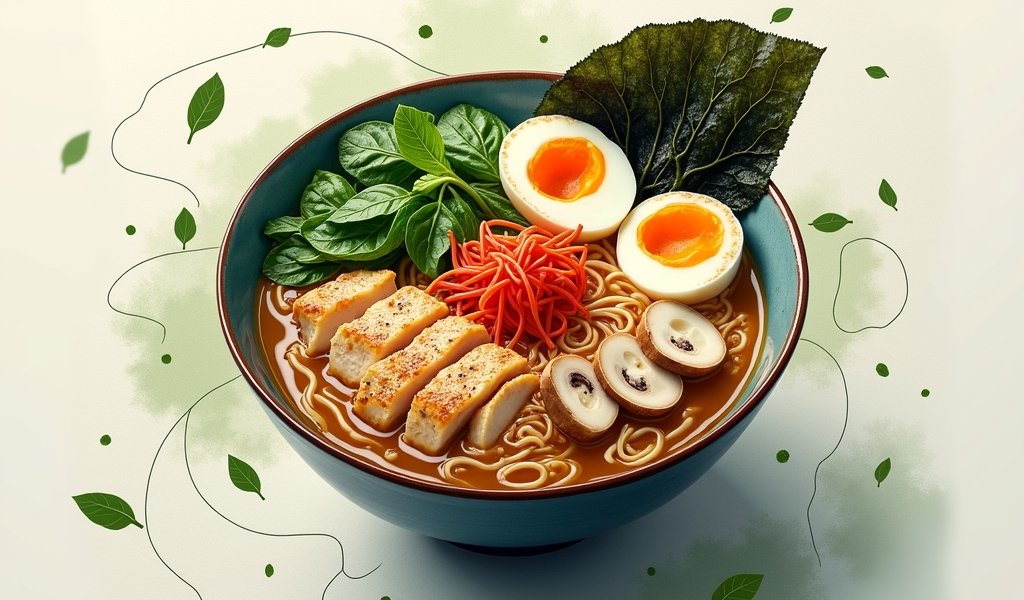
Perhaps the most alarming aspect of ramen nutrition facts is the sodium content. A single package can contain anywhere from 1,400 to 1,800 milligrams of sodium—roughly 60-75% of the recommended daily limit of 2,300 mg according to the Dietary Guidelines for Americans. This high sodium level comes primarily from the flavoring packet, which contains salt and various flavor enhancers.
Why should this concern you? Consistent high sodium intake has been linked to increased blood pressure, greater risk of heart disease, and other cardiovascular issues. For those already managing hypertension or heart conditions, regular consumption of high-sodium foods like instant ramen can exacerbate these health challenges.
The sodium issue extends beyond just health risks—it affects how we taste food overall. Regular consumption of highly salted foods can alter our taste preferences, making less processed, naturally flavored foods taste bland by comparison. This creates a cycle where we continuously seek out saltier options to satisfy our adjusted palate.
Some brands now offer reduced-sodium versions, which can contain about 25-30% less sodium than traditional varieties. While these are steps in the right direction, even reduced-sodium ramen typically contains significant amounts that exceed what nutrition science would consider optimal for regular consumption.
If you’re monitoring your sodium intake but still want to enjoy ramen occasionally, consider using only half the seasoning packet or creating your own broth with low-sodium alternatives. These simple adjustments can make a substantial difference in the overall sodium load without sacrificing the comfort food experience.
Protein Content: Is Ramen Enough?
When it comes to protein, instant ramen falls notably short. Most packages contain only 7-8 grams of protein per serving—a fraction of what’s recommended for active adults. For context, nutritionists typically suggest consuming 0.8-1 gram of protein per kilogram of body weight daily, with active individuals often requiring more.
This protein deficit matters because protein is essential for muscle repair, immune function, and overall satiety. The lack of substantial protein in ramen explains why you might feel hungry again shortly after consuming it, despite its calorie content. The body craves what it needs, and protein is a crucial macronutrient that instant ramen simply doesn’t provide adequately.
The protein present in ramen comes primarily from wheat flour, which doesn’t offer a complete amino acid profile. Complete proteins contain all nine essential amino acids that our bodies can’t produce independently. Animal proteins naturally provide these, but plant sources often need to be combined strategically to create complete protein meals.
For fitness enthusiasts or anyone looking to maintain or build muscle mass, relying on ramen as a significant protein source would be insufficient. The good news is that protein-boosting additions can transform ramen into a more balanced meal. Adding an egg (which adds about 6 grams of complete protein), tofu (roughly 8 grams per 3-ounce serving), or lean meat can significantly improve the protein profile of your ramen bowl.
By understanding this aspect of ramen nutrition facts, you can make informed decisions about how to supplement your meals to meet your body’s protein requirements, especially if you enjoy ramen regularly.
Carbohydrates in Ramen Explained
Carbohydrates make up the majority of ramen’s nutritional profile, with most packages containing 40-60 grams of carbs. These carbohydrates primarily come from refined wheat flour that’s been processed to remove fiber and many nutrients, resulting in what nutritionists classify as simple carbohydrates.
The glycemic impact of these refined carbs is worth noting. They tend to cause rapid spikes in blood sugar, followed by equally rapid drops. This roller-coaster effect can lead to energy crashes, increased hunger, and difficulty maintaining stable blood glucose levels—particularly important for those managing diabetes or insulin sensitivity issues.
Unlike whole grains that contain fiber to slow digestion and provide sustained energy, the refined carbohydrates in ramen offer primarily quick energy without the stabilizing benefits of fiber. Most instant ramen contains less than 2 grams of fiber per serving, far below the recommended daily intake of 25-30 grams for adults.
For those following specific dietary approaches like keto, paleo, or low-carb diets, conventional ramen presents obvious challenges. However, the market has responded with alternatives made from shirataki, edamame, or chickpea noodles that provide lower carbohydrate counts and often higher fiber content. These alternatives can change the carbohydrate equation significantly while still satisfying the craving for a noodle dish.
Understanding the type and quality of carbohydrates in your food choices empowers you to make decisions aligned with your energy needs and health goals. For athletes or highly active individuals, the carbohydrates in ramen might serve as quick fuel before or after exercise, while those with more sedentary lifestyles might benefit from lower-carb alternatives or smaller portions supplemented with vegetables and protein.
Healthier Alternatives to Traditional Ramen
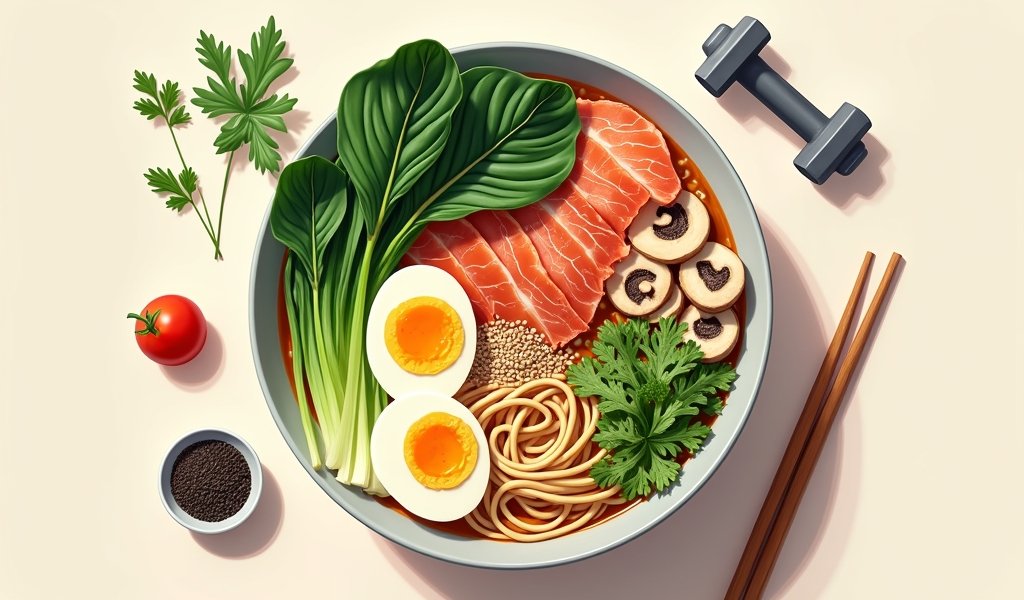
The good news for ramen enthusiasts is that the market has expanded dramatically to include numerous healthier alternatives. Brands like Lotus Foods, Dr. McDougall’s, and Ocean’s Halo have developed products with improved ramen nutrition facts, featuring organic ingredients, whole grains, and reduced sodium content.
Whole grain ramen options offer significantly more fiber and nutrients than their traditional counterparts. These products utilize brown rice, whole wheat, or ancient grains to create noodles that provide more sustained energy and better digestive health benefits. The fiber content helps moderate blood sugar response and promotes a feeling of fullness that traditional ramen lacks.
For those monitoring specific nutrients in their diet, alternatives made from legumes like mung beans, edamame, or chickpeas offer higher protein content—often 2-3 times that of wheat-based ramen. These plant-based options typically provide 15-20 grams of protein per serving, making them substantially more satisfying and nutritionally balanced.
Low-carb dieters haven’t been forgotten either. Shirataki noodles, made from the konjac yam, contain minimal carbohydrates and calories while providing glucomannan fiber that supports digestive health. Similarly, vegetable-based “noodles” made from zucchini, carrots, or daikon radish can serve as the base for ramen-inspired soups with drastically different nutritional profiles than traditional options.
When selecting healthier ramen alternatives, read labels carefully. Look for products with:
- Whole grain or legume-based noodles
- Lower sodium content (ideally under 500mg per serving)
- No artificial preservatives or MSG
- Higher protein content (at least 10g per serving)
- Added vegetables or vegetable-derived ingredients
These improved options make it possible to enjoy the comfort and convenience of ramen while supporting your fitness and health goals.
7 Tips for Making Your Ramen More Nutritious
Even if you’re working with traditional instant ramen, there are numerous ways to boost its nutritional value. Here are seven practical strategies to transform your ramen into a more balanced meal:
- Add protein sources – Incorporate a soft-boiled egg, tofu cubes, shredded chicken, or edamame to increase the protein content substantially. These additions help create a more satisfying meal that supports muscle maintenance and growth. Just one egg adds about 6 grams of high-quality protein along with essential vitamins.
- Load up on vegetables – Spinach, bok choy, mushrooms, carrots, and bell peppers not only add vibrant colors but also provide fiber, vitamins, and antioxidants. These vegetables cook quickly in the hot broth, making them convenient additions that significantly boost nutritional value without much extra preparation time.
- Use half the seasoning packet – This simple step can reduce sodium content by 40-50%. Create flavor depth instead by adding fresh ginger, garlic, green onions, or a dash of reduced-sodium soy sauce mixed with rice vinegar for an umami-rich experience that your taste buds and cardiovascular system will appreciate.
- Make your own broth – For the most control over sodium and ingredients, bypass the packet entirely and create your own broth using low-sodium vegetable or chicken stock, herbs, and spices. This approach allows you to craft a more heart-healthy base while still enjoying flavorful ramen.
- Add healthy fats – A drizzle of sesame oil, a few slices of avocado, or a spoonful of ground flaxseed adds heart-healthy fats that improve nutrient absorption and provide satiety. These fats also enhance the mouthfeel of the dish, making it more satisfying without relying on the fried nature of the original noodles.
- Incorporate fermented foods – A spoonful of miso or kimchi adds probiotic benefits while enhancing flavor complexity. According to Harvard Health, fermented foods support gut health, which influences everything from digestion to immune function.
- Substitute with healthier noodles – Replace traditional ramen noodles with buckwheat soba, brown rice noodles, or vegetable-based alternatives to improve fiber content and overall nutritional density. These swaps maintain the satisfying noodle experience while providing more sustained energy.
By implementing even a few of these strategies, you can dramatically improve the nutritional profile of your ramen while still enjoying its comforting qualities. The beauty of ramen is its versatility—it’s essentially a canvas for creating a meal that aligns with your specific health goals and preferences.
Conclusion
Understanding ramen nutrition facts doesn’t mean you need to eliminate this convenient comfort food from your life entirely. Rather, it empowers you to make informed choices about how and when to include it in a balanced diet that supports your health and fitness goals.
The standard instant ramen package offers convenience at the cost of nutritional quality—high in refined carbohydrates and sodium while lacking in protein, fiber, and essential micronutrients. However, with the strategies outlined in this article, you can transform this simple dish into something that better serves your body’s needs.
Whether you opt for healthier alternative products, enhance traditional ramen with nutritious additions, or save it as an occasional treat rather than a dietary staple, the key is awareness. By knowing exactly what you’re consuming, you can maintain control over your nutritional intake while still enjoying the foods you love.
Remember that healthy eating isn’t about perfection—it’s about making more informed choices most of the time. A modified, nutrient-enhanced bowl of ramen can absolutely be part of a balanced approach to nutrition that supports your active lifestyle and wellness journey.
Frequently Asked Questions
Is ramen really that unhealthy?
Traditional instant ramen is high in sodium and refined carbohydrates while lacking protein, fiber, and essential nutrients. It’s not inherently “bad,” but its nutritional profile makes it suboptimal as a regular meal choice.
How many calories are in a typical package of instant ramen?
Most instant ramen packages contain between 380-500 calories per serving. Many packages list two servings despite most consumers eating the entire package in one meal.
What’s the biggest nutritional concern with instant ramen?
Sodium content is typically the most concerning factor, with many packages containing 1,400-1,800mg (60-75% of the recommended daily limit). This high sodium level poses potential risks for blood pressure and cardiovascular health.
Can ramen be part of a healthy diet?
Yes, when consumed occasionally and enhanced with proteins, vegetables, and reduced sodium. Modified ramen with healthier ingredients can be incorporated into a balanced diet without significant concern.
Are there any truly healthy instant ramen options?
Several brands now offer improved options featuring whole grains, higher protein content, and reduced sodium. Look for products from companies like Lotus Foods, Dr. McDougall’s, or those made from alternative ingredients like mung beans or brown rice.