

Overview
This article provides detailed guidance on proper leopard gecko nutrition, emphasizing the importance of a varied insect-based diet supplemented with calcium and vitamins adjusted to the gecko’s life stage. It covers the top 10 recommended feeder insects, proper feeding schedules, hydration requirements, common mistakes to avoid, and special dietary considerations for different ages, from hatchlings to seniors.
Table of Contents
- Understanding Leopard Gecko Diet: The Basics
- Nutritional Needs of Leopard Geckos
- Top 10 Leopard Gecko Foods For Optimal Health
- Live Food Options for Your Leopard Gecko
- Commercial Diets: Are They Worth It?
- Creating the Perfect Feeding Schedule
- Essential Supplements for Leopard Geckos
- Hydration: Often Overlooked But Crucial
- Common Feeding Mistakes to Avoid
- Special Dietary Needs for Different Life Stages
- Conclusion
- Frequently Asked Questions
Understanding Leopard Gecko Diet: The Basics
A proper leopard gecko diet is fundamental to your pet’s health, vitality, and longevity. As an experienced herpetologist who’s cared for these fascinating creatures for over 15 years, I’ve seen firsthand how diet directly impacts everything from their vibrant coloration to their activity levels and immune system strength.
Leopard geckos are insectivores, meaning they thrive on a diet composed primarily of insects. Unlike some reptiles that nibble on fruits or vegetables, these little hunters are built for capturing and consuming live prey. Their natural diet in the wild consists of various beetles, spiders, and small invertebrates found in their native arid habitats of Afghanistan, Pakistan, and northwestern India.
Your pet gecko’s nutritional needs might seem straightforward, but there’s more to it than just tossing in any bug. The quality, variety, and nutritional content of their food will significantly influence their overall wellbeing. Many new owners make the mistake of relying on just one or two insect types, which can lead to nutritional imbalances over time.
Let’s dig deeper into what makes a complete and balanced leopard gecko diet that will keep your scaly friend thriving for years to come.
Nutritional Needs of Leopard Geckos
Leopard geckos have specific nutritional requirements that must be met for optimal health. These include protein, fats, vitamins, and minerals in proper proportions. Protein forms the cornerstone of their diet, supporting muscle development, tissue repair, and overall growth.
Calcium deserves special attention in any leopard gecko diet discussion. These reptiles are prone to metabolic bone disease when calcium levels are insufficient. This potentially debilitating condition results from calcium deficiency and manifests as soft, deformed bones, tremors, and even seizures in severe cases. Prevention is straightforward with proper supplementation.
Vitamin D3 works hand-in-hand with calcium, facilitating proper absorption and utilization. Without adequate D3, even calcium-rich diets can leave your gecko deficient. This is why gut-loading (feeding nutritious foods to insects before offering them to your gecko) and dusting (coating insects with supplement powders) are essential practices for responsible owners.
Phosphorus is another mineral to monitor, as the calcium-to-phosphorus ratio in your leopard gecko’s diet should ideally be 2:1. Too much phosphorus can bind to calcium and prevent proper absorption, leading to deficiencies despite seemingly adequate intake.
A well-rounded reptile diet plan that addresses these nutritional components will help ensure your leopard gecko maintains proper weight, exhibits normal behavior, and avoids common health issues related to poor nutrition.
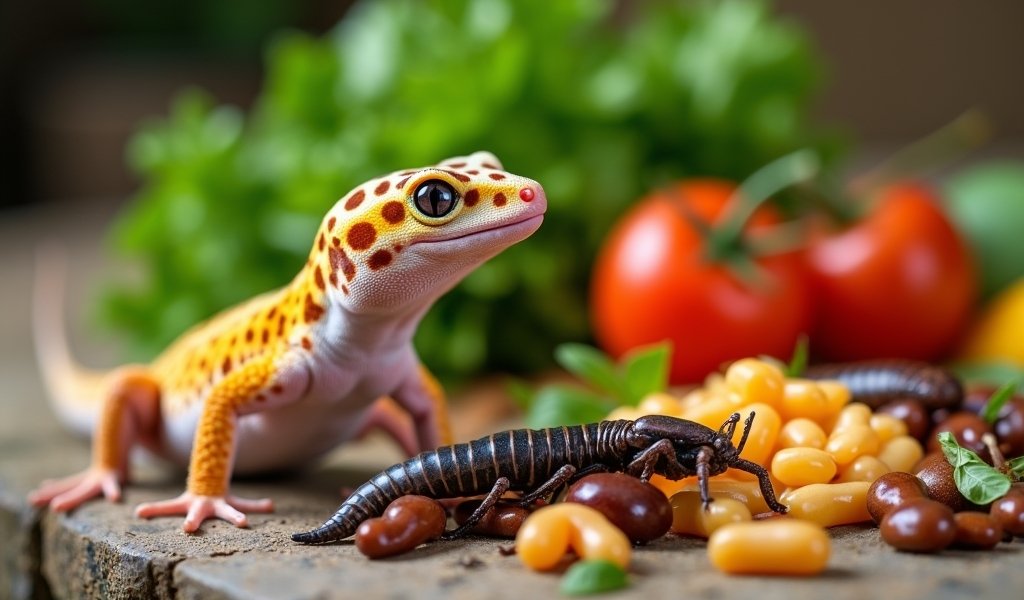
Top 10 Leopard Gecko Foods For Optimal Health
After years of observation and consultation with veterinary specialists, I’ve compiled this definitive list of the best food options for your leopard gecko. Each has distinct nutritional benefits that contribute to a well-balanced diet.
1. Crickets
The gold standard in leopard gecko nutrition, crickets offer an excellent protein-to-fat ratio and can be effectively gut-loaded with nutritious vegetables. They encourage natural hunting behaviors and provide mental stimulation. For best results, offer crickets no larger than the space between your gecko’s eyes to prevent choking hazards.
2. Dubia Roaches
These nutritional powerhouses contain more protein than crickets and have softer exoskeletons, making them easier to digest. They’re quiet, don’t smell, and live longer than crickets, making them increasingly popular among experienced keepers. Their higher calcium content makes them particularly valuable for growing juveniles and breeding females.
3. Mealworms
While convenient and appealing to most geckos, mealworms should be offered in moderation due to their higher fat content and harder chitin (exoskeleton). They make excellent treats and can be kept refrigerated for weeks, providing an easy feeding option when needed. Smaller mealworms are preferable for younger geckos.
4. Superworms
These larger relatives of mealworms pack serious nutritional punch but should be reserved for adult geckos due to their size and stronger mandibles. They’re higher in protein than regular mealworms and make excellent occasional treats. Always supervise feeding when offering superworms to ensure proper consumption.
5. Hornworms
These bright blue caterpillars are calcium-rich and extremely hydrating, making them excellent for geckos showing signs of dehydration. Their soft bodies are easily digestible and highly palatable to most leopard geckos. While more expensive than other feeder insects, their nutritional benefits make them worth the investment.
6. Silkworms
With an impressive calcium-to-phosphorus ratio and soft, digestible bodies, silkworms represent one of the healthiest feeder options available. They’re low in fat and high in protein, making them ideal for regular feeding. Many keepers report increased appetite in picky eaters when offered silkworms.
7. Phoenix Worms (Black Soldier Fly Larvae)
These small larvae are nutritional gems, naturally high in calcium without supplementation. They’re ideal for younger geckos and can help prevent metabolic bone disease. Their self-cleaning nature means they won’t contaminate your gecko’s enclosure if uneaten.
8. Waxworms
Consider these the “ice cream” of the gecko world – delicious but best saved for occasional treats due to their high fat content. They’re useful for helping underweight geckos gain mass or enticing reluctant eaters, but shouldn’t become dietary staples. Limit to 2-3 waxworms weekly for adult geckos.
9. Butterworms
These bright red larvae are rich in calcium and highly attractive to leopard geckos. They contain natural appetite stimulants, making them useful for geckos recovering from illness. Their relatively high cost makes them better as occasional diet enhancers rather than staples.
10. Locusts/Grasshoppers
Where legally available, these insects provide excellent nutrition and stimulating hunting opportunities. They can jump quickly, encouraging activity and exercise during feeding time. Always source from reputable breeders to avoid wild-caught specimens that might contain parasites or pesticides.
Incorporating a variety of these food options ensures your leopard gecko receives a complete spectrum of nutrients. Just as bearded dragon nutrition benefits from diversity, leopard geckos thrive when offered different prey items throughout the week.
Live Food Options for Your Leopard Gecko
Live foods are the backbone of any healthy leopard gecko diet. The movement of living prey triggers your gecko’s hunting instincts, providing both physical exercise and mental stimulation. This natural feeding behavior helps prevent obesity and boredom, two common issues in captive reptiles.
When selecting live foods, always prioritize quality. Source your feeder insects from reputable suppliers or establish your own breeding colonies to ensure your gecko consumes healthy, parasite-free prey. The nutritional value of feeder insects directly reflects their own diet – a concept known as “gut-loading.”
Gut-loading involves feeding nutritious foods to insects 24-48 hours before offering them to your gecko. Excellent gut-loading foods include:
- Dark leafy greens (collard greens, dandelion greens)
- Orange vegetables (carrots, sweet potatoes)
- Calcium-rich commercial gut-loading formulas
- High-quality fish flakes or chicken feed
According to research from the Reptilia Conservation Foundation, properly gut-loaded insects can contain up to 10 times more calcium than unfed insects, significantly improving their nutritional profile.
While variety is important, consistency in feeding schedule helps maintain your gecko’s metabolic health. Establish a regular feeding routine while rotating through different insect types to provide comprehensive nutrition. Remember that the hunting experience itself is valuable – consider occasionally allowing your gecko to “hunt” in a secure feeding area outside its primary enclosure.
Commercial Diets: Are They Worth It?
Commercial leopard gecko diets have emerged as alternatives to live feeding, but do they deliver adequate nutrition? As someone who’s tested numerous products with my own gecko collection, I can provide some clarity on this often-debated topic.
Prepared diets come in several forms: pellets, powders that require reconstitution with water, and gel-based products. The best commercial options contain insect-derived proteins, vitamins, minerals, and proper calcium-to-phosphorus ratios. However, they lack the hunting stimulation that live prey provides, which is an important aspect of leopard gecko wellbeing.
The convenience factor is undeniable. During travel periods or when live feeders are temporarily unavailable, quality commercial diets can serve as short-term solutions. They also offer consistent nutritional profiles without the variability sometimes found in live insects.
However, I’ve observed that most leopard geckos strongly prefer live prey and may refuse commercial alternatives entirely. Some newer keepers mistake this natural preference for pickiness, but it reflects millions of years of evolutionary programming as insectivores.
If you decide to incorporate commercial diets, do so as a supplement rather than a replacement for live foods. The most successful approach typically involves gradually introducing small amounts alongside familiar live prey. This helps your gecko associate the new food with positive feeding experiences.
According to UC Davis Veterinary Medicine, while some commercial diets show promise, a varied diet of properly supplemented live insects remains the gold standard for captive leopard geckos.
Creating the Perfect Feeding Schedule
A well-structured feeding schedule is crucial for your leopard gecko’s health and should be tailored to their age, size, and individual metabolism. Young, growing geckos have significantly different nutritional requirements than fully developed adults.
For baby leopard geckos (0-6 months), daily feeding is essential to support rapid growth. Offer 5-7 appropriately sized insects per feeding, focusing on nutrient-dense options like small crickets and phoenix worms. Every feeding should involve calcium supplementation, with vitamin supplements provided twice weekly.
Juvenile geckos (6-12 months) can transition to feeding every other day. Provide 6-8 insects per session, incorporating greater variety as they grow. Their faster metabolism and continued growth still demand consistent supplementation, though slightly reduced from the hatchling schedule.
Adult leopard geckos (over 12 months) typically thrive with feedings 2-3 times weekly. Offer 6-10 insects per session, adjusting quantities based on your individual gecko’s body condition. An ideal healthy leopard gecko should have a plump tail—approximately as wide as their neck—without visible hip bones.
Monitor your gecko’s weight regularly using a digital kitchen scale. Consistent weight loss or rapid weight gain suggests your feeding schedule needs adjustment. Keep a simple feeding journal during the first year to identify patterns and preferences in your gecko’s eating habits.
The timing of feeding matters too. Leopard geckos are crepuscular, meaning they’re most active at dawn and dusk. Scheduling feedings during evening hours aligns with their natural behavior patterns and typically yields the most enthusiastic feeding responses. This practice mirrors what other exotic pets require in terms of respecting natural biological rhythms.
Essential Supplements for Leopard Geckos
Even with a varied leopard gecko diet, supplements remain necessary for captive specimens. In the wild, geckos would consume a diverse range of insects along with the stomach contents of those prey items, providing a broad nutritional spectrum difficult to replicate in captivity.
Calcium supplementation forms the cornerstone of a proper supplementation regimen. Two forms are commonly used: calcium with vitamin D3 and calcium without D3. A small dish of plain calcium carbonate can remain in the enclosure at all times for self-regulation, particularly important for gravid females.
For dusting prey items, follow this general schedule:
- Calcium with D3: 1-2 times weekly
- Plain calcium without D3: 2-3 times weekly
- Multivitamin: Once weekly
Over-supplementation can be as problematic as deficiency, particularly with fat-soluble vitamins like A and D that accumulate in the body. More is definitely not better when it comes to reptile supplements. Quality matters tremendously—choose products specifically formulated for insectivorous reptiles from reputable manufacturers.
Dusting technique also influences supplement effectiveness. Place feeder insects in a small bag or container with a pinch of supplement powder, gently shaking to coat them evenly. Offer them immediately after dusting, as insects will clean themselves if left too long, removing the valuable supplements.
For breeding females or geckos recovering from illness, veterinarians sometimes recommend liquid calcium supplements that can be administered orally using a small dropper. These should only be used under professional guidance as improper dosing can lead to health complications.
Hydration: Often Overlooked But Crucial
While we’ve focused extensively on food components of a leopard gecko diet, hydration deserves equal attention. Despite evolving in arid environments, leopard geckos require consistent access to clean water for optimal health. Dehydration can quickly lead to serious complications including difficulty shedding, constipation, and kidney problems.
Provide a shallow water dish large enough for your gecko to access easily but not so deep that there’s a drowning risk. Change the water daily to prevent bacterial growth and remove any substrate that gets tracked in. Position the dish on the cool side of the enclosure to minimize evaporation.
Many leopard geckos prefer to drink water droplets rather than from standing water. Misting one side of the enclosure lightly in the evening can provide these drinking opportunities while also helping maintain proper humidity for shedding. Don’t overdo it—excess moisture can lead to respiratory infections.
Hydration also comes from food sources. Insects with higher moisture content like hornworms (85% water) can significantly contribute to your gecko’s fluid intake. During shedding periods or if your gecko appears dehydrated, incorporating these hydrating prey items can be particularly beneficial.
Signs of dehydration include sunken eyes, wrinkled skin, sticky saliva, and difficult or incomplete sheds. If you notice these symptoms, increase environmental humidity temporarily and consider offering fluid-rich prey items more frequently. Severe cases may require veterinary intervention with subcutaneous fluids.
Common Feeding Mistakes to Avoid
Even experienced keepers occasionally make errors in their leopard gecko diet approach. Recognizing and avoiding these common pitfalls will help ensure your pet thrives:
Overfeeding ranks among the most frequent mistakes. Leopard geckos have relatively slow metabolisms and can easily become obese when offered unlimited food. Obesity leads to fatty liver disease, reproductive issues, and shortened lifespan. Follow structured feeding guidelines and adjust portions based on your gecko’s body condition.
Relying on a single food source—often crickets or mealworms—creates nutritional imbalances over time. Even with supplementation, different insect species offer varying amino acid profiles, fat contents, and trace nutrients. Rotate through at least 3-4 insect types regularly to provide comprehensive nutrition.
Feeding prey that’s too large poses choking and impaction risks. The space between your gecko’s eyes serves as an excellent sizing guide for appropriate prey width. When introducing new feeder types, start with smaller specimens until you’re confident in your gecko’s ability to handle them safely.
Ignoring the importance of gut-loading creates missed nutritional opportunities. Insects fed nutrient-poor diets like plain potato or provided directly from shipping containers lack essential vitamins and minerals. Always gut-load feeders for at least 24 hours before offering them to your gecko.
Using wild-caught insects introduces pesticides, parasites, and potentially toxic species into your gecko’s diet. The minor convenience isn’t worth the substantial health risks. Stick with commercially raised feeders from reputable sources or insects from established home colonies.
Finally, failing to adjust feeding as your gecko ages leads to nutritional imbalances. Hatchlings need protein-rich, frequent meals to support rapid growth, while adults require more moderate feeding schedules to prevent obesity. Regularly reassess your feeding protocol as your gecko matures.
Special Dietary Needs for Different Life Stages
Your leopard gecko’s nutritional requirements evolve throughout its life, necessitating adjustments to both diet composition and feeding frequency. Understanding these changing needs ensures proper development and health at every stage.
Hatchling leopard geckos (under 3 months) have enormous energy demands relative to their size. Their rapid growth requires protein-rich diets focused on smaller prey like fruit fly cultures, tiny crickets (pinheads), and small phoenix worms. Calcium supplementation is particularly critical during this intensive bone development period.
As juveniles (3-12 months), leopard geckos continue growing but at a somewhat reduced pace. This stage requires continued emphasis on quality protein sources while gradually increasing prey size. Developing hunting skills becomes important, so varied movement patterns among different prey items benefits both physical and mental development.
Adult maintenance diets should focus on balanced nutrition rather than growth promotion. While protein remains important, excessive protein without adequate exercise can lead to gout and kidney issues in older geckos. Adults typically benefit from slightly reduced feeding frequency with occasional fasting periods that mimic natural feeding patterns.
Breeding females have significantly elevated nutritional requirements, particularly for calcium. During breeding season, females producing eggs may need nearly double their normal calcium intake to prevent metabolic bone disease. Extra protein and increased feeding frequency support egg production without depleting the female’s body reserves.
Senior geckos (8+ years) often benefit from more easily digestible prey items as their digestive efficiency decreases with age. Softer-bodied insects like silkworms and hornworms may be better tolerated than heavily-chitinous prey like superworms. Monitoring weight becomes especially important, as seniors tend toward obesity with their reduced activity levels.
Conclusion
Creating the optimal leopard gecko diet involves more than simply tossing in whatever insects are convenient. It requires thoughtful consideration of nutritional balance, variety, proper supplementation, and feeding schedules tailored to your gecko’s specific life stage.
The foundation of excellent leopard gecko nutrition rests on diversity—incorporating multiple prey types ensures a complete nutritional profile that a single insect species cannot provide. Rotating through the top recommended feeders while maintaining consistent supplementation creates the conditions for your gecko to thrive.
Remember that feeding isn’t just about nutrition—it’s also about enrichment. The hunting experience stimulates natural behaviors and provides valuable mental and physical exercise. Consider occasional feeding variations like scatter feeding or feeding in separate enclosures to enhance this enrichment aspect.
By avoiding common feeding pitfalls and remaining attentive to your individual gecko’s needs, you’ll support not just their survival but their vibrant health. A well-nourished leopard gecko rewards its keeper with activity, bright coloration, and a significantly longer lifespan—potentially 15-20 years with proper care.
Your commitment to providing excellent nutrition represents one of the most important contributions to your leopard gecko’s quality of life. The extra effort invested in researching and implementing proper dietary practices pays tremendous dividends in your pet’s health and wellbeing for years to come.
Frequently Asked Questions
How often should I feed my adult leopard gecko?
Adult leopard geckos should be fed 2-3 times per week with 6-8 appropriately sized insects per feeding. Adjust portions based on your gecko’s body condition, ensuring the tail remains plump but not obese.
Can leopard geckos eat fruits or vegetables?
No, leopard geckos are strict insectivores and cannot digest plant matter. Their digestive systems lack the enzymes necessary to break down fruits and vegetables effectively.
What’s the best insect to feed my leopard gecko?
There isn’t a single “best” insect, as nutritional variety is crucial. A rotation of crickets, dubia roaches, and silkworms provides an excellent nutritional foundation when properly gut-loaded and supplemented.
How do I know if my leopard gecko is overweight?
An overweight leopard gecko will have a tail wider than its neck and visible fat deposits in the armpit and groin areas. The abdomen may appear consistently distended even between feedings.
Is it normal for my leopard gecko to refuse food sometimes?
Occasional fasting is normal, particularly during seasonal changes, shedding, or breeding season. Consistent refusal of food accompanied by weight loss or lethargy requires veterinary attention.