

Overview
Spaghetti squash is a nutrient-rich vegetable with only 42 calories per cup that offers numerous health benefits including weight management, blood sugar regulation, heart health support, and improved digestion. Its pasta-like texture makes it an excellent low-carb alternative to traditional pasta, containing essential vitamins and minerals while promoting satiety through its fiber content.
Table of Contents
- Spaghetti Squash Nutrition: The Slimming Superstar
- Nutritional Profile of Spaghetti Squash
- Spaghetti Squash for Weight Management
- Digestive Health Benefits
- Blood Sugar Regulation
- Heart Health Promotion
- Immune System Support
- Cooking Tips for Spaghetti Squash
- Conclusion
- Frequently Asked Questions
Spaghetti Squash Nutrition: The Slimming Superstar
Spaghetti squash nutrition offers a remarkable array of health benefits packaged in a versatile, delicious vegetable. This golden gourd, with its pasta-like strands, serves as nature’s answer to refined carbohydrates. Like a chameleon in the culinary world, spaghetti squash transforms from a humble winter squash into stringy, tender threads that mimic pasta without the caloric density.
As a registered dietitian with over a decade of experience, I’ve witnessed countless clients achieve their health goals with this remarkable vegetable. Spaghetti squash stands tall among essential nutrients your body needs, offering fiber, vitamins, and minerals while containing minimal calories.
The nutritional composition of spaghetti squash resembles a perfectly balanced symphony – low in calories yet high in nutrients, making it an ideal addition to weight management plans. Its gentle impact on blood sugar levels creates a stark contrast to traditional pasta, positioning it as a superior alternative for those monitoring their glucose.
Nutritional Profile of Spaghetti Squash
Spaghetti squash operates as a nutritional powerhouse while maintaining an impressively low caloric profile. One cup (155 grams) of cooked spaghetti squash contains approximately:
- 42 calories
- 10 grams of carbohydrates
- 2.2 grams of fiber
- 1 gram of protein
- 0.4 grams of fat
This nutrient-dense vegetable floods your body with essential vitamins and minerals. It contains significant amounts of vitamin C, acting as an antioxidant shield protecting your cells from damage. The vitamin B6 content supports brain development and function, while potassium helps maintain proper nerve and muscle function.
Spaghetti squash contains manganese, which aids in bone formation and metabolism regulation. The vegetable also provides folate, essential for cell division and DNA synthesis. These key nutrients work synergistically to support overall health while contributing minimal calories to your diet.
Spaghetti Squash for Weight Management
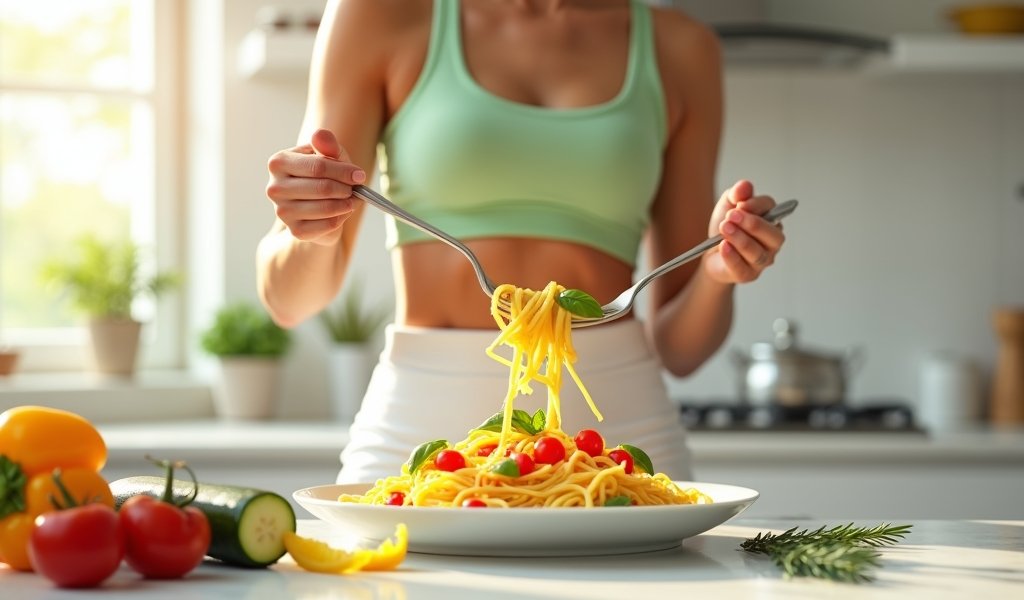
Spaghetti squash emerges as a weight management ally, operating like a metabolic magician in your nutritional arsenal. Its remarkably low calorie density allows for generous portion sizes without exceeding calorie goals. When comparing 1 cup of spaghetti squash (42 calories) to 1 cup of traditional pasta (220 calories), the difference becomes immediately apparent.
The fiber content in spaghetti squash promotes satiety, helping you feel fuller longer. This natural appetite regulation can reduce overall caloric intake throughout the day. Studies published in the Journal of the Academy of Nutrition and Dietetics demonstrate that increased fiber consumption correlates with successful weight management.
The water content of spaghetti squash further enhances its weight management benefits. At approximately 92% water by weight, this vegetable provides volume and hydration while delivering essential nutrients. This high water content creates a feeling of fullness without excessive calories.
Replacing higher-calorie carbohydrates with spaghetti squash creates an immediate caloric deficit. For someone making this swap three times weekly, the annual calorie reduction could potentially translate to several pounds of weight loss, all while enjoying satisfying meals.
Digestive Health Benefits
Spaghetti squash nurtures your digestive system like a gentle gardener tending to soil. The fiber content – both soluble and insoluble – acts as nature’s broom, sweeping through your digestive tract and promoting regularity. This mechanical action helps prevent constipation and supports overall bowel health.
The insoluble fiber in spaghetti squash adds bulk to stool, facilitating easier passage through the intestines. Meanwhile, soluble fiber feeds beneficial gut bacteria, promoting a healthy microbiome. Research from the American Gut Project indicates that diverse fiber sources correlate with increased microbial diversity and improved digestive health.
Spaghetti squash contains cucurbitacin E, a compound with anti-inflammatory properties that may help soothe digestive distress. While research specifically on spaghetti squash is limited, studies on related winter squash varieties suggest these compounds help reduce gastrointestinal inflammation.
For those with irritable bowel syndrome or other digestive sensitivities, spaghetti squash often proves more tolerable than many other carbohydrate sources. Its gentle fiber profile provides digestive benefits without triggering symptoms common with higher-FODMAP foods.
Blood Sugar Regulation
Spaghetti squash emerges as a blood sugar stabilizer, contrasting sharply with refined carbohydrates that send glucose levels soaring like a roller coaster. With a glycemic index of approximately 41, spaghetti squash falls into the low-GI category, meaning it causes a slower, more gentle rise in blood sugar compared to traditional pasta with its GI of 45-65.
The fiber content in spaghetti squash slows carbohydrate digestion and absorption, preventing rapid blood sugar spikes. This gradual release of glucose provides sustained energy without the crashes associated with higher-glycemic foods. For individuals with diabetes or insulin resistance, this characteristic proves particularly valuable.
Research published in the American Diabetes Association’s journal suggests that replacing high-glycemic foods with lower-glycemic alternatives improves overall glycemic control. Spaghetti squash serves as an ideal substitute for refined carbohydrates within this dietary approach.
The modest carbohydrate content of spaghetti squash – approximately 10 grams per cup compared to 43 grams in traditional pasta – allows for better portion control while maintaining nutritional adequacy. This reduction in carbohydrate load helps minimize insulin requirements while still providing satisfying meals.

Heart Health Promotion
Spaghetti squash nurtures cardiovascular health through multiple mechanisms, acting like a loyal guardian for your heart. The potassium content helps regulate blood pressure by counterbalancing sodium’s effects, promoting vasodilation and reducing hypertension risk. A single cup provides approximately 181 mg of potassium, contributing meaningfully to the recommended daily intake.
The fiber content supports healthy cholesterol levels by binding to cholesterol in the digestive tract and facilitating its elimination. Regular consumption of fiber-rich vegetables like spaghetti squash correlates with improved lipid profiles. Studies from the American Heart Association confirm that increased vegetable intake significantly reduces cardiovascular disease risk.
Spaghetti squash contains antioxidants including vitamin C and beta-carotene that help combat oxidative stress and inflammation – both key factors in heart disease progression. These protective compounds shield arterial walls from damage while supporting overall vascular health.
The low sodium content of spaghetti squash makes it an excellent choice for heart-healthy diets. Unlike many processed carbohydrates, this vegetable delivers satisfaction and flavor without contributing to sodium overload, further supporting healthy blood pressure levels.
Immune System Support
Spaghetti squash bolsters your immune defenses like a vigilant sentinel, providing vital nutrients that strengthen your body’s protection systems. Its vitamin C content stands out as particularly significant, with one cup delivering approximately 5.4 mg. This powerful antioxidant supports white blood cell production and function while providing direct antimicrobial benefits.
The vitamin A precursors in spaghetti squash, including beta-carotene, contribute to immune function by maintaining the integrity of mucosal barriers – your body’s first line of defense against pathogens. These compounds help ensure your respiratory and digestive tracts can effectively prevent microbial invasion.
Spaghetti squash contains small but meaningful amounts of zinc and selenium, minerals essential for proper immune function. These micronutrients support everything from T-cell development to cytokine production. Regular consumption contributes to your body’s mineral reserves, supporting optimal immune response.
The anti-inflammatory properties of spaghetti squash help modulate immune function, potentially reducing excessive inflammatory responses while supporting appropriate protective reactions. This balanced approach to immunity helps maintain homeostasis within immune systems.
When compared to sweet potato nutrition, spaghetti squash offers a complementary immune-supporting profile, with different antioxidant compounds that provide synergistic benefits when included in a varied diet.
Cooking Tips for Spaghetti Squash
Preparing spaghetti squash requires minimal effort yet yields maximum nutritional benefits. Start by cutting the squash lengthwise and scooping out the seeds. For safety, stabilize the squash on a kitchen towel to prevent slipping while cutting.
Roasting brings out spaghetti squash’s natural sweetness. Place cut sides down on a baking sheet and roast at 400°F for 30-40 minutes until the flesh easily pulls apart into strands. This method caramelizes the natural sugars, enhancing flavor without additional ingredients.
For quicker preparation, the microwave method works wonderfully. Pierce the whole squash several times with a fork, microwave for 5 minutes, then cut in half and continue microwaving in 2-minute intervals until tender. This approach preserves nutrients while significantly reducing cooking time.
Spaghetti squash pairs beautifully with various flavor profiles. Try Mediterranean-inspired toppings with olive oil, garlic, and herbs; Asian influences with sesame oil, ginger, and soy sauce; or classic Italian with marinara and fresh basil. The mild flavor provides a canvas for culinary creativity.
Store uncooked spaghetti squash in a cool, dry place for up to two months. Once cooked, refrigerate the strands in an airtight container for up to 5 days. The cooked squash reheats beautifully, making it perfect for meal preparation and planned leftovers.
Conclusion
Spaghetti squash nutrition offers a remarkable combination of benefits that support weight management, digestive health, blood sugar regulation, heart health, and immune function. Like a versatile actor playing many roles, this remarkable vegetable transforms from simple produce to pasta alternative, nutritional powerhouse, and culinary canvas.
With minimal calories yet maximum nutritional impact, spaghetti squash deserves its place in regular meal rotation. Its gentle impact on blood sugar, significant fiber content, and impressive vitamin and mineral profile make it appropriate for nearly everyone, from those managing their weight to individuals with diabetes.
Incorporating spaghetti squash into your dietary pattern requires minimal effort yet yields substantial health dividends. Whether you’re seeking weight management support, blood sugar stability, or simply more nutritional variety, this golden-stranded vegetable delivers on all fronts. As nutrition science continues affirming the benefits of whole foods over refined alternatives, spaghetti squash stands as a shining example of food that nourishes both body and palate.
Frequently Asked Questions
Is spaghetti squash keto-friendly?
Yes, spaghetti squash works well in ketogenic diets with approximately 5-7g net carbs per cup. The high fiber content and low net carb count make it compatible with keto macronutrient goals.
How many calories are in spaghetti squash compared to pasta?
Spaghetti squash contains about 42 calories per cup while regular pasta contains around 220 calories per cup. This significant calorie difference makes spaghetti squash an excellent pasta alternative for weight management.
Can spaghetti squash help with weight loss?
Yes, spaghetti squash supports weight loss through its low calorie density, high fiber content, and water volume. These properties promote satiety while significantly reducing caloric intake compared to traditional pasta.
How long does spaghetti squash last in the refrigerator?
Cooked spaghetti squash stays fresh in the refrigerator for 5-7 days when stored in an airtight container. Uncooked whole squash can last up to two months when stored in a cool, dry place.
Is spaghetti squash good for diabetics?
Spaghetti squash makes an excellent choice for people with diabetes due to its low glycemic index and minimal impact on blood sugar. The fiber content further helps regulate glucose absorption, preventing rapid blood sugar fluctuations.