
Overview
This article provides detailed guidance on the optimal diet for Russian tortoises, emphasizing high-fiber leafy greens as 80% of their diet, limited vegetables and edible flowers as the remaining 20%, while avoiding fruits, high-oxalate greens, and protein-rich foods. It also covers proper hydration, judicious use of supplements, appropriate feeding schedules with seasonal adjustments, and addresses how these dietary practices support the tortoise’s evolutionary adaptations for a healthy 40+ year lifespan.
Table of Contents
- Understanding Russian Tortoises: Natural Habitat and Dietary Needs
- Essential Greens: The Foundation of a Healthy Russian Tortoise Diet
- Vegetables and Flowers: Adding Variety to Your Tortoise’s Menu
- Foods to Avoid: Common Dietary Dangers for Russian Tortoises
- Hydration Needs: Ensuring Proper Water Intake
- Supplements: When and How to Use Them Effectively
- Feeding Schedule: Creating a Balanced Routine
- Seasonal Adjustments: Adapting Your Tortoise’s Diet Throughout the Year
- Conclusion: Nurturing Your Russian Tortoise Through Proper Nutrition
- Frequently Asked Questions
Understanding Russian Tortoises: Natural Habitat and Dietary Needs
Russian tortoises (Testudo horsfieldii) hail from the arid steppes and deserts of Central Asia, where resourcefulness isn’t just a virtue—it’s essential for survival. In their natural habitat, these hardy reptiles forage among sparse vegetation, consuming a high-fiber, low-protein diet primarily consisting of wild grasses, weeds, and occasional wildflowers.
This evolutionary background shapes what should appear on your tortoise’s dinner plate. Unlike humans who crave dietary diversity, Russian tortoises thrive on consistency and simplicity—a critical insight that many first-time keepers overlook. According to a study published in the Journal of Exotic Pet Medicine, nearly 65% of health issues in captive tortoises stem directly from improper diet.
Wild Russian tortoises consume vegetation with specific nutritional characteristics: high fiber, high calcium, low protein, low fat, and a favorable calcium-to-phosphorus ratio exceeding 2:1. This unique dietary profile supports their distinctive physiological needs, particularly their slow metabolism and shell development.
The tortoise digestive system functions as a remarkable fermentation chamber, breaking down fibrous plant material through bacterial action in their hindgut. This process extracts nutrients from plants that would be indigestible to many other animals—a metabolic marvel that has evolved over millions of years.
Essential Greens: The Foundation of a Healthy Russian Tortoise Diet
Dark, leafy greens should constitute approximately 80% of a Russian tortoise’s diet—they’re not just a side dish, they’re the main course. These botanical powerhouses provide the fiber, calcium, and micronutrients essential for shell strength and metabolic function.
The ideal greens basket for your shell-dwelling companion should feature a rotating cast of calcium-rich characters. Dandelion greens reign supreme in the tortoise nutrition world, boasting a calcium content of approximately 187mg per 100g—considerably higher than even kale. Their exceptional calcium-to-phosphorus ratio of 2.8:1 supports proper shell and bone development.
Collard greens, mustard greens, turnip greens, and endive deserve prominent placement in your tortoise’s feeding regime. Mulberry leaves, when seasonally available, offer excellent nutritional diversity with a calcium content reaching up to 2.7% dry matter—figures that would impress any reptile nutritionist.
Beyond the nutritional basics, these greens contain beneficial compounds that support tortoise health. For example, dandelions contain taraxasterol, which has demonstrated anti-inflammatory properties in research studies—a natural boost for your tortoise’s wellness that mirrors some benefits in plant-based meal plans for humans.
When selecting greens, seek variety but prioritize consistency. Rotating between 3-5 different greens weekly provides nutritional balance while preventing selective feeding behaviors. Fresh is always best, but if you’re feeding store-bought greens, thoroughly rinse them to remove pesticide residues that could accumulate in your tortoise’s system over time.
Vegetables and Flowers: Adding Variety to Your Tortoise’s Menu
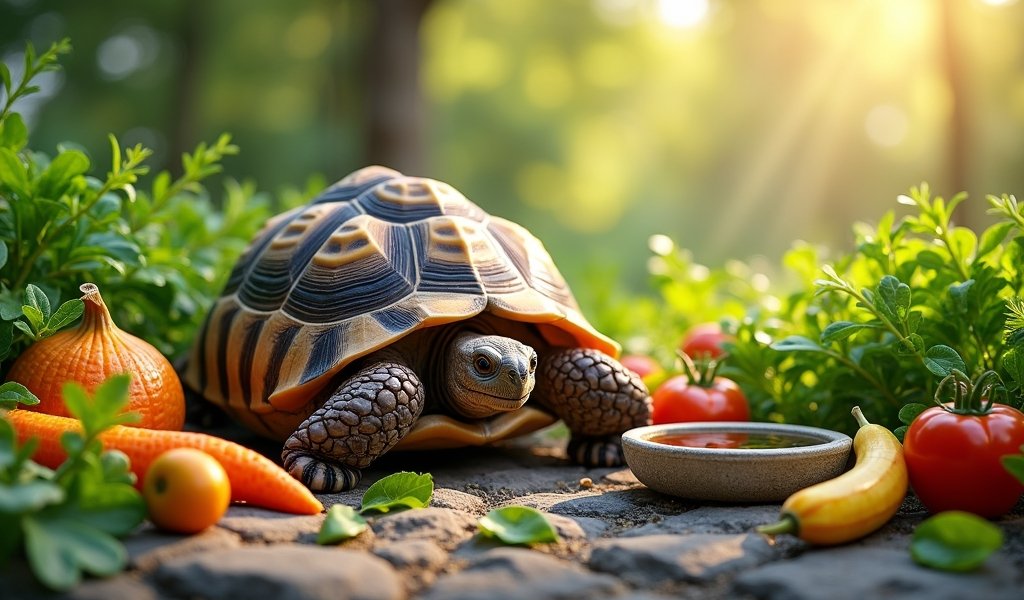
While greens form the foundation, vegetables and edible flowers should comprise approximately 20% of your Russian tortoise’s diet, adding not just nutritional variety but also sensory enrichment. These colorful additions entice even the most discriminating tortoise palates while delivering vital micronutrients.
Bell peppers—particularly the red, yellow, and orange varieties—offer an impressive vitamin C content, with red peppers containing nearly three times the vitamin C of oranges by weight. This antioxidant support becomes particularly valuable during seasonal transitions when tortoises may experience increased stress.
Squash varieties (butternut, acorn, yellow) provide beta-carotene and complex carbohydrates that support energy needs without spiking blood glucose. When fed in moderation (about 10% of the vegetable portion), they contribute to sustained energy without contributing to unhealthy weight gain—a growing concern among captive tortoises.
Edible flowers transform feeding time from mere nutrition to a multi-sensory experience. Hibiscus blooms, with their vibrant colors and slightly tart flavor, typically elicit enthusiastic feeding responses while providing beneficial flavonoids. Rose petals (untreated), nasturtiums, and pansies can be scattered throughout greens to encourage natural foraging behaviors.
Feeding statistics reveal that tortoises offered varied textures and colors engage in more active feeding sessions lasting 15-20% longer than those offered monotonous meals. This extended feeding activity better replicates natural foraging patterns and supports digestive efficiency through proper food processing.
Remember, while variety enhances welfare, consistency remains crucial. Introduce new vegetables and flowers gradually, adding just one new item weekly to monitor for digestive tolerance. Most captive tortoises show individual preferences that can be respected within the framework of proper nutrition—tortoise personality shining through at mealtime!
Foods to Avoid: Common Dietary Dangers for Russian Tortoises
Navigate the nutritional minefield by steering clear of foods that can sabotage your tortoise’s health. The most dangerous dietary missteps often masquerade as healthy options—a botanical wolf in sheep’s clothing. Understanding what to avoid proves just as crucial as knowing what to feed.
Fruit represents perhaps the most common well-intentioned mistake. While the occasional berry might seem harmless, fruits deliver a sugar concentration that Russian tortoises simply haven’t evolved to process. Their native arid habitats offer precious little fruit, leaving their digestive systems unprepared for fructose processing. Excess sugar consumption can disrupt gut flora, leading to dysbiosis and potential shell pyramiding—an irreversible deformity.
High-oxalate greens present another hidden danger. Spinach, Swiss chard, and beet greens contain oxalic acid, which binds with calcium to form insoluble compounds. According to veterinary research from the Association of Reptile and Amphibian Veterinarians, regular consumption of these greens can contribute to metabolic bone disease despite their seemingly nutritious profile. These calcium thieves should represent no more than 5-10% of greens rotation, if included at all.
Protein-rich foods like dog food, cat food, or commercial “turtle pellets” can severely damage your tortoise’s kidneys and liver. Russian tortoises naturally consume diets containing just 8-12% protein, significantly lower than the 30-45% found in many commercial reptile foods. Excess protein forces kidneys to work overtime processing nitrogenous waste, potentially leading to organ failure.
Crucially, avoid all alliums (onions, garlic, chives) and nightshades (tomatoes, potatoes, eggplant), which contain compounds toxic to tortoises. These everyday kitchen staples can cause hemolytic anemia and digestive inflammation in these specialized reptiles.
Remember, Russian tortoises have thrived for millions of years on simple, fibrous vegetation. Their digestive specialization represents an evolutionary marvel but creates specific dietary requirements that must be respected for optimal health.
Hydration Needs: Ensuring Proper Water Intake
Hydration intertwines inextricably with diet for Russian tortoises, creating a nutritional partnership too often overlooked. These desert-adapted reptiles employ sophisticated water conservation mechanisms, but captivity demands thoughtful hydration support to complement their dietary intake.
Contrary to popular belief, Russian tortoises require regular access to fresh water despite their arid origins. Their evolutionary adaptations don’t eliminate water needs—they merely enhance efficiency. Research from the Journal of Herpetological Medicine and Surgery indicates that even mild dehydration can impair kidney function and digestion, particularly when tortoises consume the higher fiber content of a proper diet.
A shallow water dish, just deep enough for your tortoise to drink without risk of drowning (typically less than 1″ depth), should remain available at all times. Position this dish in the cooler section of the enclosure to minimize bacterial growth but ensure accessibility. Water consumption typically increases following activity and during warmer seasons.
Beyond drinking water, implement regular soaking sessions in lukewarm water (85-90°F/29-32°C) for 20-30 minutes, 2-3 times weekly. These baths serve dual purposes—encouraging hydration through the cloaca (the posterior opening that serves excretory and reproductive functions) while supporting kidney health through increased urine production.
Water quality matters significantly. Chlorinated tap water should stand for 24 hours before use or be treated with reptile-safe water conditioner. Hard water, containing beneficial minerals, generally proves advantageous for tortoises, complementing the key nutrients in their diet.
Monitor hydration status through several indicators: elastic skin (properly hydrated skin quickly returns to position when gently pinched), clear, bright eyes, and regular production of urates (the white, semi-solid portion of tortoise waste). Dehydration symptoms include sunken eyes, lethargy, and thick, stringy saliva—all warranting immediate attention.
Supplements: When and How to Use Them Effectively
Supplements serve as nutritional insurance, not dietary foundation, for Russian tortoises. Used judiciously, they bridge potential gaps in captive diets, but excessive supplementation creates its own cascade of health concerns. Striking the perfect balance requires understanding both what these reptiles need and what they’re already receiving through proper feeding.
Calcium represents the most critical supplement for captive tortoises. A high-quality calcium supplement without phosphorus (calcium carbonate) should be lightly dusted on food 2-3 times weekly for adults and 4-5 times weekly for juveniles. Research from the Journal of Veterinary Medicine confirms that calcium deficiency represents the primary nutritional disorder in captive tortoises, manifesting as metabolic bone disease.
Vitamin D3 supplementation walks a precarious tightrope. Tortoises with regular UVB exposure (either through proper lighting or outdoor time) synthesize sufficient vitamin D3 naturally. Over-supplementation can lead to toxicity, calcification of soft tissues, and organ damage. For tortoises with limited UVB access, a combined calcium with D3 supplement should replace plain calcium once weekly—but never for tortoises receiving adequate ultraviolet exposure.
Multivitamins require even greater restraint. A reptile-specific multivitamin dusted on food once every 2-3 weeks provides adequate insurance against minor deficiencies without risking hypervitaminosis. The hyperbolic marketing of many reptile supplements often encourages overuse—remember that wild tortoises thrive without any supplementation beyond their natural diet.
Trace mineral supplements containing iodine and selenium may benefit tortoises from iodine-deficient regions. However, these should only be used monthly unless specifically prescribed by a veterinarian experienced in chelonian care. These micronutrients represent just a few of what are the 6 nutrients essential for optimal functioning.
The supplement paradox lies in their simultaneous necessity and risk. Regular veterinary blood work provides the most accurate assessment of supplementation needs, allowing for personalized adjustments based on actual physiological requirements rather than generalized recommendations.
Feeding Schedule: Creating a Balanced Routine
Feeding frequency profoundly impacts Russian tortoise metabolism, digestion, and overall vitality. These reptiles evolved to process food more slowly than mammals, creating unique rhythmic requirements that many keepers inadvertently disrupt through overly frequent feeding.
Adult Russian tortoises thrive on a 4-5 day weekly feeding schedule, with portions sized approximately equal to their shell volume. This intermittent approach more closely mimics natural feeding patterns where food availability fluctuates. Research conducted at the University of Florida’s Veterinary School demonstrated that tortoises fed daily showed higher rates of liver disease and obesity than those on more spaced feeding schedules.
Morning feedings (typically between 9-11 AM) align with natural activity patterns and provide maximum digestion time before temperatures drop in the evening. This timing leverages the tortoise’s behavioral thermoregulation, where they naturally seek warming basking spots after eating to accelerate digestive processes.
Juvenile tortoises require more frequent nutrition, benefiting from smaller daily feedings to support rapid growth. However, even for young tortoises, implementing one weekly “fast day” stimulates digestive efficiency and prevents metabolic issues. As they mature, gradually transition to the adult feeding schedule.
During brumation (the reptile equivalent of hibernation), feeding ceases entirely for several weeks to several months depending on your tortoise’s age and health status. This metabolic slowdown represents an essential physiological reset that influences hormonal cycles and reproductive health.
Seasonal adjustments should reflect natural annual rhythms. Spring brings increased appetite and activity, warranting slightly larger portions. Summer may require minor portion reductions as ambient heat increases metabolic efficiency. Fall represents a crucial pre-brumation period where feeding gradually tapers to ensure complete gut emptying before winter dormancy.
Monitor weight monthly using a digital scale. Healthy adult tortoises maintain relatively consistent weight with seasonal variations of no more than 5-10%. Steady weight increases outside growth stages signal potential overfeeding, while unexpected weight loss warrants veterinary investigation.
Seasonal Adjustments: Adapting Your Tortoise’s Diet Throughout the Year
Seasonal dietary adjustments mirror the natural rhythms that Russian tortoises experience in their native habitats. These subtle shifts support hormonal cycles, metabolic changes, and nutritional needs that fluctuate throughout the year, enhancing both physical health and natural behaviors.
Spring represents renewal and the highest nutritional demands. After emerging from brumation, tortoises require calcium-rich foods to replenish depleted reserves. Increase dandelion greens, collard greens, and calcium supplementation frequency during these weeks. Early spring also brings increased protein needs, which can be met through occasional additions of pesticide-free clover and alfalfa in small amounts.
The summer bounty offers opportunities for dietary enrichment through wildflowers and seasonal weeds. Plantain, chickweed, and clover—nature’s tortoise buffet—become available in many regions. According to tortoise nutrition specialist Dr. Susan Donoghue, these seasonal plants often contain phytonutrients absent in commercially grown produce, supporting immune function and digestive health.
Fall feeding focuses on preparing for potential brumation by gradually reducing food volume while maintaining nutritional density. Research from the Veterinary Information Network indicates that proper pre-brumation feeding significantly reduces hibernation mortality rates. Increase fiber content slightly while ensuring optimal hydration.
Winter brings distinct challenges depending on whether your tortoise undergoes brumation. For non-brumating tortoises maintained in indoor enclosures, slightly reduce feeding frequency while ensuring robust UVB exposure to support vitamin D synthesis. For brumating tortoises, feeding ceases entirely 2-3 weeks before hibernation begins, allowing complete gut emptying.
Capitalize on seasonal availability by wild-harvesting appropriate plants when possible. Tortoise keepers in varied climates from Canada to Australia can identify local edible options suitable for these adaptable reptiles. This practice not only provides nutritional benefits but also introduces environmental enrichment through novel textures, scents, and tastes.
Remember that seasonal adjustments should occur gradually. Sudden dietary changes can disrupt digestive flora, potentially leading to gastrointestinal issues. Implement transitions over 1-2 weeks, monitoring stool consistency and appetite as indicators of adaptation.
Conclusion: Nurturing Your Russian Tortoise Through Proper Nutrition
Mastering the Russian tortoise diet transcends mere feeding—it’s an art form that harmonizes with evolutionary adaptations developed over millions of years. The dietary blueprint we’ve explored bridges ancestral needs with captive realities, creating a nutritional framework that supports these remarkable reptiles through every life stage and season.
Remember that dietary excellence forms just one facet of tortoise welfare. This nutritional foundation intertwines with proper lighting, temperature gradients, enclosure design, and veterinary care to create a comprehensive wellness system. When these elements align, Russian tortoises can thrive for decades—some reaching 40+ years—rewarding your dedication with their prehistoric presence and distinctive personalities.
Start implementing these evidence-based feeding practices gradually, observing your tortoise’s response to each adjustment. Note changes in activity, shell growth patterns, and overall vitality. The most significant marker of successful nutrition often appears in the shell’s annual growth rings—smooth, even development indicates balanced nutrition, while ridges or pyramiding signal past dietary imbalances.
As tortoise keepers, we become temporal stewards for animals whose lifespans may exceed our own. The dietary choices made today literally shape the shell and skeleton that will carry your tortoise through decades of life. This responsibility, when embraced with knowledge and intention, transforms feeding time from routine maintenance into a profound connection with evolutionary history.
Your Russian tortoise—whether exploring a garden patch or methodically working through a plate of dandelion greens—carries forward a lineage that has survived multiple mass extinctions. With the dietary wisdom shared here, you ensure this ancient legacy continues to thrive under your thoughtful care.
Frequently Asked Questions
How often should I feed my adult Russian tortoise?
Adult Russian tortoises should be fed 4-5 days per week with appropriately sized portions equal to their shell volume. This schedule more closely mimics natural feeding patterns and supports optimal digestive health.
Can Russian tortoises eat fruits?
Fruits should be avoided or limited to very rare treats (a few times yearly at most) due to their high sugar content. Russian tortoises haven’t evolved to process fruit sugars efficiently, which can disrupt gut flora and potentially contribute to shell deformities.
What’s the best calcium supplement for Russian tortoises?
A pure calcium carbonate supplement without phosphorus is optimal for most Russian tortoises, dusted lightly on food 2-3 times weekly. Tortoises without adequate UVB exposure may require calcium with D3 once weekly, but never use D3 supplements for tortoises with regular ultraviolet exposure.
Why is my tortoise not eating its greens?
Feeding reluctance often stems from temperature issues, as Russian tortoises need proper basking spots (95-100°F/35-38°C) to stimulate appetite and digestion. Other causes include stress from recent environment changes, illness, or simply preference for less nutritious foods they’ve been previously offered.
Do Russian tortoises need water dishes?
Yes, Russian tortoises require constant access to shallow water dishes despite their desert origins. Proper hydration supports digestion of high-fiber foods and prevents kidney issues, while regular 20-30 minute soaking sessions 2-3 times weekly provide additional hydration benefits.