
Overview
Who knew that Marie Kondo might be a better health guru than your overpriced fitness app? This article examines seven key health benefits of minimalist living, including reduced stress, improved sleep quality, increased physical activity, healthier eating habits, enhanced exercise focus, better financial wellness, and greater mindfulness—all suggesting that clearing your space might be the wellness hack you’ve been overlooking.
Table of Contents
- Reduced Stress and Anxiety
- Improved Sleep Quality
- More Active Lifestyle
- Healthier Eating Habits
- Enhanced Focus for Exercise
- Stronger Financial Health
- Greater Mindfulness and Body Awareness
- Conclusion
- Frequently Asked Questions
In our increasingly complex and cluttered world, the minimalist lifestyle has emerged as more than just an aesthetic choice—it’s become a pathway to better health and wellness. While many associate minimalism with sparse furniture and monochromatic color schemes, the benefits extend far beyond visual simplicity.
As a health professional who’s witnessed countless patients transform their wellbeing through simplified living, I can attest that the connection between minimalism and health is both profound and scientifically supported. The minimalist lifestyle benefits reach into nearly every aspect of physical and mental wellness, often in surprising ways.
Let’s explore how having less stuff might actually give you more life, energy, and vitality—without a single supplement or complicated routine in sight.
Reduced Stress and Anxiety
Your environment shapes your mental state more than you might realize. Research published in the Journal of Environmental Psychology confirms that cluttered spaces significantly increase cortisol levels—the body’s primary stress hormone. When every surface holds items demanding attention, your brain remains in a subtle but constant state of alert.
Think of your attention as a finite resource. Each item in your visual field draws a small portion of this resource, like apps running in the background of your phone. Over time, this cognitive drain manifests as fatigue, irritability, and even anxiety.
A minimalist space creates what neuroscientists call “attention restoration.” With fewer visual distractions competing for your mental energy, your nervous system can finally downshift. Many of my patients report feeling like they can “breathe again” after simplifying their home environment.
The stress reduction isn’t merely subjective. Regular blood pressure readings often show measurable improvements within weeks of creating a more minimal home environment. This stress reduction ripples through virtually every bodily system, from improved digestion to enhanced immune function.
Improved Sleep Quality
The bedroom might be the most important space to embrace minimalist principles. Sleep specialists increasingly recognize that bedroom clutter significantly impacts sleep quality. A study from St. Lawrence University found that participants who described their bedrooms as “cluttered” were more likely to report sleep disturbances and daytime fatigue.
Your brain forms associations with spaces. A bedroom filled with work materials, electronics, exercise equipment, and miscellaneous items sends mixed signals about the room’s purpose. By contrast, a minimalist bedroom makes a clear statement: this space is for rest.
Consider these simple changes to create a sleep sanctuary:
- Remove all electronics or at least cover display lights
- Clear surfaces of decorative items that collect dust (a common sleep allergen)
- Keep only sleep-supporting items in your nightstand
- Choose calming, natural materials for bedding
Many of my patients who improve their homemaking through minimalist principles report falling asleep faster and experiencing fewer midnight awakenings. Better sleep quality quickly translates to improved mood, enhanced cognitive function, and better metabolic health.
More Active Lifestyle
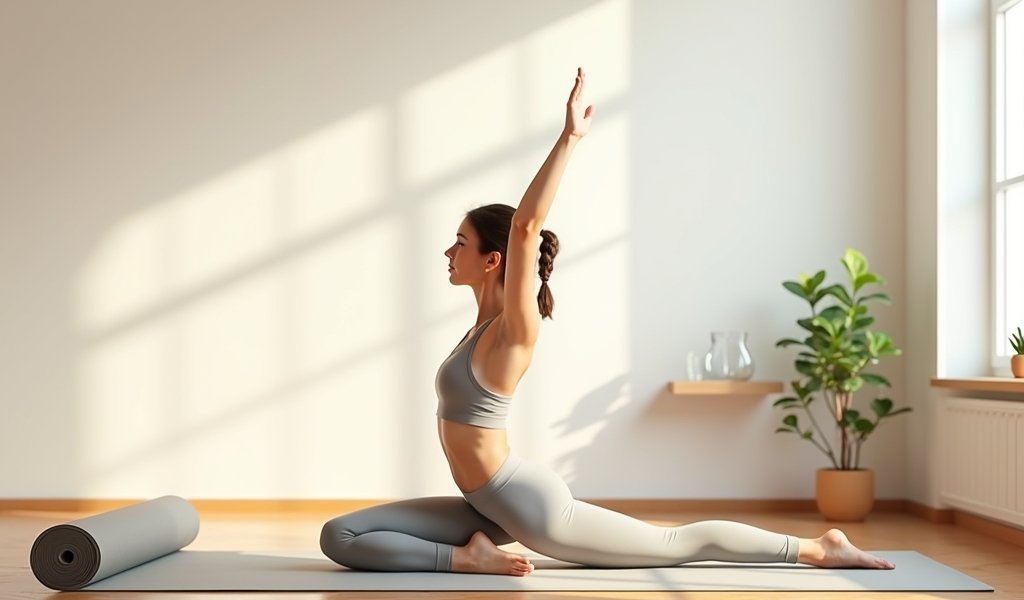
One of the most surprising minimalist lifestyle benefits is increased physical activity. When your home isn’t overcrowded with furniture and possessions, you naturally move more. That empty corner becomes perfect for morning stretches. The clear hallway invites impromptu dance breaks or walking lunges.
Beyond physical space, minimalism shifts focus from possessions to experiences. Rather than spending weekends shopping for more things, minimalists often spend time hiking, cycling, or exploring their communities on foot. This values shift organically increases physical activity without requiring structured exercise plans.
I’ve noticed that patients who embrace minimalism often report being more spontaneously active. Without the constant pull to maintain, organize, and clean excess possessions, they discover pockets of time for movement throughout their day.
The psychological barriers to exercise diminish too. No more digging through overstuffed drawers for workout clothes or clearing a space just to roll out a yoga mat. When activity becomes easier, it happens more frequently—a fundamental principle in establishing healthy movement habits.
Healthier Eating Habits
A minimalist kitchen might be your most powerful ally in nutritional health. Streamlined spaces make cooking from scratch more appealing by removing the chaos that often surrounds meal preparation.
The “choice paradox” applies strongly to eating habits. When faced with too many options, we often default to the easiest choice rather than the healthiest. A minimalist pantry stocked with quality staples simplifies decision-making and naturally guides you toward nutritious combinations.
Consider these kitchen minimalism strategies that support better nutrition:
- Keep counters clear for easy food preparation
- Stock only one type of each essential (one good olive oil vs. five mediocre oils)
- Choose versatile tools that serve multiple purposes
- Store similar items together to simplify meal planning
Patients who simplify their kitchens consistently report making better food choices. With less visual chaos, mindful eating becomes more accessible. You’re more likely to notice hunger and fullness cues when you’re not distracted by a cluttered environment.
The minimalist approach naturally aligns with whole food consumption. When you value quality over quantity, you tend to get foods to eat that nourish rather than merely entertain your taste buds. This subtle shift often leads to improved digestion, stable energy levels, and better long-term health outcomes.
Enhanced Focus for Exercise
The fitness industry thrives on complexity and constant novelty, yet research consistently shows that program-hopping undermines results. A minimalist approach to fitness strips away unnecessary complexity and helps you focus on consistency—the true key to physical transformation.
Consider how a capsule workout wardrobe simplifies your exercise routine. With just a few high-quality, versatile pieces, morning decision fatigue disappears. You’re no longer searching for matching outfits or specific items for different activities.
The same principle applies to workout selection. Rather than constantly chasing the newest fitness trend, minimalist fitness focuses on mastering fundamental movement patterns. This approach not only delivers better results but also reduces injury risk through proper progression.
My patients who adopt minimalist fitness principles report feeling liberated rather than restricted. By focusing on “doing less, better,” they achieve consistency that previously eluded them. Their workout spaces, whether at home or at a gym, become streamlined environments that promote focused effort rather than distracted activity.
This focused approach aligns perfectly with modern exercise science. We now understand that attention quality during movement significantly impacts results. When you’re fully engaged in fewer, more purposeful exercises, your neurological recruitment improves, effectively maximizing the return on your time investment.
Stronger Financial Health
The connection between financial stress and physical health remains one of the most overlooked aspects of wellness. Chronic money worries trigger cortisol production, which negatively impacts virtually every body system when elevated over time.
Minimalism naturally reduces spending by shifting focus from accumulation to intentional consumption. This isn’t about deprivation but about aligning purchases with genuine needs and deeply held values. When you buy less, you can invest in higher quality items that serve multiple purposes and last longer.
The financial breathing room created by minimalism often allows for:
- Reducing work hours to prioritize health
- Investing in preventative healthcare
- Purchasing higher quality, nutrient-dense foods
- Creating emergency funds that reduce stress
- Affording restorative experiences rather than accumulating objects
I’ve witnessed remarkable transformations in patients who address their financial health through minimalism. One particular client reduced her belongings by roughly 60%, which allowed her to downsize her home. The resulting savings funded her transition to part-time work, which resolved her chronic stress-related digestive issues more effectively than any medical intervention I could offer.
The minimalist mindset creates a positive feedback loop: less stuff means less money spent, which reduces financial stress, which improves health, which reduces medical expenses, which further improves financial well-being. This virtuous cycle represents one of the most powerful minimalist lifestyle benefits for long-term wellness.
Greater Mindfulness and Body Awareness
Perhaps the most profound health benefit of minimalism is its natural promotion of mindfulness. When your environment contains fewer distractions, your awareness naturally turns inward. This increased body awareness allows you to detect subtle signals that might otherwise get lost in the noise.
Patients who embrace minimalism frequently report becoming more attuned to their bodies’ needs and signals. They notice early signs of hunger rather than waiting until they’re ravenous. They recognize the early stages of stress before it manifests as a tension headache or digestive disturbance.
This heightened awareness extends to exercise as well. With fewer distractions, you can focus on proper form, breathing patterns, and the specific muscles being engaged during movement. This mindful approach not only improves results but significantly reduces injury risk.
Even sleep quality improves through enhanced body awareness. Minimalists often become more sensitive to their body’s natural rhythm, recognizing when they’re truly tired versus merely bored or avoiding other activities. They create bedtime rituals that honor their unique needs rather than following generic sleep hygiene advice.
The journey toward mindfulness requires no special equipment or expensive retreats—just the willingness to create space, both physically and mentally. By removing excess stimulation from your environment, you create the conditions for natural mindfulness to emerge.
This mindfulness then becomes a powerful health tool, allowing you to decide what to eat today based on internal wisdom rather than external rules. You become the expert on your own body, making choices aligned with your unique needs rather than following one-size-fits-all health prescriptions.
Conclusion
The minimalist lifestyle benefits for health and fitness extend far beyond aesthetic preferences or trendy philosophies. From reduced stress and improved sleep to enhanced focus and greater mindfulness, minimalism creates the conditions for wellbeing to flourish naturally.
What makes minimalism particularly powerful as a health strategy is its accessibility. Unlike many wellness approaches that require special equipment, significant financial investment, or radical life changes, minimalism asks only that you begin removing what doesn’t serve you.
Start small—perhaps with one drawer, one shelf, or one corner of a room. Notice how you feel in that simplified space. Pay attention to your breathing, your posture, and your thoughts. This experiential learning often motivates further steps more effectively than any external pressure.
Remember that minimalism isn’t about aesthetic perfection or rigid rules. It’s about creating space for what truly matters in your life—health, relationships, purpose, and joy. Each item removed represents a conscious choice to prioritize your wellbeing over temporary satisfaction or social expectations.
As a health professional who’s witnessed countless transformations through simplified living, I can assure you that the minimalist path to better health isn’t about having less for its own sake—it’s about making room for more life, more energy, and more vitality.
Frequently Asked Questions
How do I start a minimalist lifestyle if I have a family?
Start with your personal belongings and common areas while respecting others’ spaces. Focus on leading by example rather than forcing family members to participate, and celebrate small wins like creating one clutter-free zone.
Will becoming minimalist save me money?
Yes, most people experience significant financial benefits through reduced impulse purchases and lower housing needs. The savings typically become apparent within the first few months of embracing minimalist principles.
Do I need to get rid of sentimental items to be minimalist?
No, minimalism is about intentionally keeping what adds value to your life, which can absolutely include meaningful sentimental items. The key is to be selective and perhaps find ways to honor memories without keeping every associated object.
How long does it take to see health benefits from minimalism?
Many people report reduced stress and better sleep within days of creating minimalist spaces. More profound benefits like improved body awareness and natural movement patterns typically develop over weeks to months of consistent minimalist living.
Is digital minimalism part of a minimalist lifestyle?
Digital minimalism complements physical minimalism by reducing information overload and screen time. Limiting digital clutter can significantly improve mental clarity, focus, and even posture—all contributing to better overall health.
Pingback: 7 Essential importantcool lifestyle hacks to Boost Fitness - achievehealthgoals.com
Pingback: Gypsy Lifestyle Fitness Tips: 7 Proven Health Hacks - achievehealthgoals.com
Pingback: Ultimate Lifestyle Blog Review: 7 Proven Fitness Tips - achievehealthgoals.com
Pingback: 10 Best Workouts for Lifestyle Newborn Photography Moms - achievehealthgoals.com