
Overview
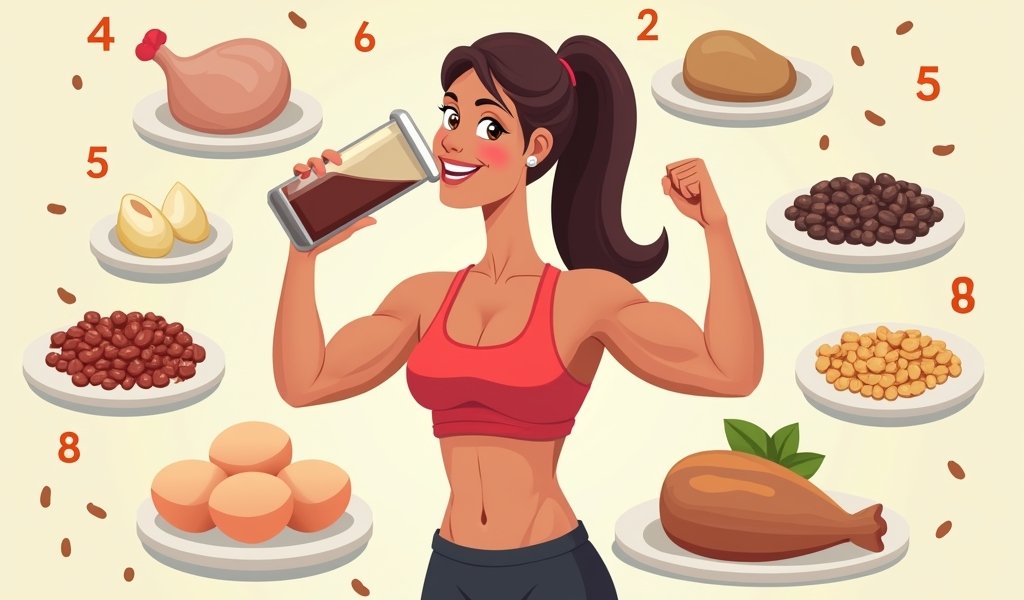
Who knew becoming a meat-loving bodybuilder required so much science? This article outlines five essential strategies for muscle growth through high protein intake (1.6-2.2g per kg bodyweight), including strategic meal timing, selecting quality protein sources, creating sustainable meal plans, complementing with proper resistance training, and tracking progress for optimal results.
Table of Contents
- Understanding Protein: The Building Block of Muscle
- Calculating Your Protein Needs for Muscle Growth
- Tip 1: Strategic Protein Timing for Maximum Muscle Synthesis
- Tip 2: Selecting High-Quality Protein Sources
- Tip 3: Creating a Sustainable High Protein Meal Plan
- Tip 4: Complementing Your High Protein Diet with Proper Training
- Tip 5: Tracking Progress and Making Adjustments
- Conclusion: Making Your High Protein Diet Work for You
- Frequently Asked Questions
Understanding Protein: The Building Block of Muscle
A well-designed high protein diet plan forms the foundation of effective muscle building. As a sports nutritionist working with athletes for over a decade, I’ve seen firsthand how proper protein consumption transforms physiques when implemented correctly. Protein isn’t just another nutrient—it’s the essential building material your body needs to repair, maintain, and grow muscle tissue.
When we exercise, particularly during resistance training, we create microscopic tears in muscle fibers. This damage signals the body to repair and strengthen those areas, but only if adequate protein is available. Think of protein as both the construction workers and the building materials needed for this renovation project. Without sufficient amounts, your body simply lacks the resources to build new muscle tissue.
Amino acids, the compounds that make up proteins, are particularly important in this process. Of the 20 amino acids your body needs, nine are considered essential, meaning your body cannot produce them—they must come from your diet. Leucine, in particular, acts as a key trigger for muscle protein synthesis, essentially flipping the “on switch” for muscle growth.
According to research published in the Journal of the International Society of Sports Nutrition, a high protein intake significantly enhances muscle recovery and growth when combined with resistance training. But simply consuming more protein isn’t enough—timing, quality, and overall diet structure all play crucial roles in maximizing results.
Calculating Your Protein Needs for Muscle Growth
Before diving into specific strategies, let’s determine how much protein you actually need. The standard dietary recommendation of 0.8g per kilogram of body weight is designed for basic health maintenance, not muscle growth. For active individuals looking to build muscle, requirements are substantially higher.
Research suggests that for optimal muscle gain, you should consume between 1.6-2.2g of protein per kilogram of body weight daily. For a 175-pound (79.5kg) individual, this means consuming approximately 127-175g of protein per day. Athletes and those with more intense training regimens may benefit from the higher end of this range.
Here’s a simple formula to calculate your personal protein needs:
- Step 1: Convert your weight to kilograms (weight in pounds ÷ 2.2)
- Step 2: Multiply by your activity factor:
- Moderate training (3-5 days/week): 1.6g/kg
- Intensive training (5-7 days/week): 1.8-2.0g/kg
- Elite training or muscle gain phase: 2.0-2.2g/kg
- Step 3: The result is your daily protein target in grams
It’s worth noting that recent scientific evidence suggests that higher protein intakes are not only safe for healthy individuals but may provide additional benefits beyond muscle growth, including improved satiety and weight management. However, those with existing kidney issues should consult a healthcare provider before significantly increasing protein intake.
Remember, these calculations provide a starting point. Your individual needs may vary based on genetics, exact training intensity, and overall goals. Let’s now explore how to implement this protein requirement effectively through our five proven tips.

Tip 1: Strategic Protein Timing for Maximum Muscle Synthesis
When it comes to building muscle, when you eat your protein can be almost as important as how much you consume. Your body doesn’t process a large amount of protein in one sitting as effectively as it does smaller amounts spread throughout the day. This is where strategic protein timing comes into play.
Research indicates that muscle protein synthesis (MPS)—the process of building new muscle—is optimized when protein intake is distributed evenly across 4-6 meals per day. Aim for 20-40g of high-quality protein per meal, depending on your body size and total daily requirements. This approach maintains a consistent amino acid availability in your bloodstream, creating an optimal environment for muscle growth.
The post-workout window deserves special attention. While the old belief in a narrow 30-minute “anabolic window” has been somewhat debunked, consuming protein within 2 hours after training does appear to enhance recovery and growth. Studies show that having 20-40g of protein in this period helps jump-start the repair process when your muscles are most receptive.
Pre-sleep protein also shows promising benefits. Having 30-40g of slow-digesting protein (like casein) before bed provides a steady release of amino acids throughout the night—a time when your body does much of its repair work. If you’re following a high protein, low carb diet, this strategy becomes even more important to maintain muscle protein synthesis during the overnight fasting period.
Here’s a sample protein timing schedule for a 175-pound individual aiming for 160g daily:
- 7:00 AM: Breakfast (30g protein)
- 10:30 AM: Mid-morning snack (20g protein)
- 1:00 PM: Lunch (35g protein)
- 4:00 PM: Pre-workout snack (15g protein)
- 6:30 PM: Post-workout dinner (35g protein)
- 9:30 PM: Before bed (25g protein)
This strategic approach ensures your body has a steady supply of amino acids throughout the day, optimizing your muscle-building potential without overwhelming your digestive system.
Tip 2: Selecting High-Quality Protein Sources
Not all protein sources are created equal when it comes to building muscle. The biological value of protein—how efficiently your body can use it—varies significantly between foods. When designing your high protein diet plan, prioritize complete proteins that contain all nine essential amino acids in adequate proportions.
Animal-based proteins typically offer the highest biological value. Lean meats, poultry, fish, eggs, and dairy products provide complete amino acid profiles with high leucine content—the key amino acid that triggers muscle protein synthesis. If you’re curious about an animal-exclusive approach, you might want to explore a carnivore diet menu that emphasizes these high-quality protein sources.
For those following plant-based diets, strategic combinations become crucial. While most plant proteins are incomplete individually, proper combinations can provide all essential amino acids. Quinoa, buckwheat, and soy stand out as plant-based complete proteins, while combining legumes with grains or nuts creates complementary amino acid profiles.
Here’s a ranking of protein sources by biological value and muscle-building potential:
- Exceptional (BV >100): Whey protein isolate, egg whites
- Excellent (BV 90-100): Chicken breast, fish, lean beef, Greek yogurt
- Very Good (BV 70-90): Milk, whole eggs, cottage cheese, pea protein isolate
- Good (BV 50-70): Quinoa, soybeans, hemp seeds, legumes
Beyond biological value, consider protein digestibility. Research shows that highly processed proteins may be absorbed more rapidly but can potentially trigger digestive discomfort in some individuals. Whole food sources generally provide additional nutrients that support overall health and muscle function.
When practical, incorporate a variety of protein sources to ensure a diverse amino acid intake. This approach not only supports muscle growth but also provides various micronutrients essential for overall health and athletic performance. For instance, combining animal proteins (high in leucine) with plant proteins (often rich in antioxidants) gives you the best of both worlds.
Tip 3: Creating a Sustainable High Protein Meal Plan
Designing a sustainable high protein diet plan requires balancing nutritional science with practical, enjoyable eating habits. The most effective diet is one you can maintain long-term, not just for a few motivated weeks. Let’s create a framework that delivers results without feeling restrictive.
Start by distributing your daily protein target across your preferred meal frequency. If you’re aiming for 160g of protein daily across five meals, that’s roughly 32g per meal. From there, build each meal around a high-quality protein source, then add complementary nutrients for balance and satisfaction.
Here’s a sample one-day high protein meal plan designed for muscle gain:
- Breakfast (35g protein): Greek yogurt parfait with berries, honey, and a scoop of protein powder, plus two hard-boiled eggs
- Mid-Morning (20g protein): Protein smoothie with milk, banana, and whey protein
- Lunch (40g protein): Chicken breast salad with quinoa, mixed vegetables, avocado, and olive oil dressing
- Pre/Post-Workout (25g protein): Whey protein shake with a piece of fruit
- Dinner (40g protein): Grilled salmon with sweet potato, steamed broccoli, and a side salad
For more structured guidance, consider following a 7-day protein diet plan that maps out a full week of balanced, high-protein meals. This approach removes daily decision-making and helps establish consistent eating patterns.
Meal prep is the secret weapon for sustainable high-protein eating. Dedicate 2-3 hours once or twice weekly to prepare protein-rich components that can be mixed and matched. Cook batches of chicken breasts, hard-boil eggs, prepare tuna salad, or portion out Greek yogurt with toppings for grab-and-go options.
Remember that calories still matter, even on a high protein diet plan. While protein helps preserve lean mass, your overall calorie intake determines whether you gain or lose weight. For muscle building, aim for a moderate calorie surplus of 250-500 calories above maintenance level, with protein comprising 25-35% of total calories.
Don’t forget that hydration plays a crucial supporting role in protein metabolism and muscle recovery. Increased protein intake requires additional fluid consumption—aim for at least 3 liters (about 100 ounces) of water daily to support optimal kidney function and nutrient transport.

Tip 4: Complementing Your High Protein Diet with Proper Training
Even the most perfect high protein diet plan won’t build significant muscle without the right training stimulus. Protein provides the building blocks, but resistance training creates the architectural blueprint for your body’s reconstruction. Let’s explore how to optimize your training to maximize the benefits of your increased protein intake.
Progressive overload—gradually increasing the weight, frequency, or volume of your workouts—is the fundamental principle for triggering muscle growth. Your training should consistently challenge your muscles to adapt and grow stronger. Without this stimulus, extra protein simply becomes an expensive energy source rather than a muscle-building tool.
Compound movements that engage multiple muscle groups simultaneously—such as squats, deadlifts, bench presses, and pull-ups—stimulate the greatest muscle protein synthesis response. These exercises create a powerful hormonal environment that enhances your body’s ability to utilize dietary protein. Research confirms that compound exercises trigger more significant anabolic responses than isolation movements.
Training frequency and volume should align with your recovery capacity, which is enhanced by your high protein intake. For most individuals, training each major muscle group 2-3 times per week provides optimal stimulus while allowing adequate recovery. This approach maximizes protein synthesis across the week while preventing overtraining.
Here’s a simplified training split that complements a high protein diet plan:
- Monday: Lower body focus (squats, lunges, leg press)
- Tuesday: Upper body push (bench press, shoulder press, triceps)
- Wednesday: Active recovery or light cardio
- Thursday: Lower body focus (deadlifts, hamstring curls, calf raises)
- Friday: Upper body pull (rows, pull-ups, biceps)
- Saturday/Sunday: Active recovery, mobility work, or rest
Recovery deserves equal attention as training intensity. Sleep quality, stress management, and adequate rest between sessions all impact how effectively your body utilizes dietary protein for muscle repair and growth. Aim for 7-9 hours of quality sleep nightly, as growth hormone—a powerful muscle-building hormone—peaks during deep sleep phases.
Remember that excessive cardio can potentially interfere with muscle gains if not properly balanced with your resistance training and nutritional intake. While moderate cardiovascular activity supports overall health and recovery, limit high-intensity endurance work if maximum muscle growth is your primary goal.
Tip 5: Tracking Progress and Making Adjustments
The most effective high protein diet plans evolve based on your body’s responses. Systematic tracking and strategic adjustments transform good results into exceptional ones. Let’s explore how to implement a feedback-driven approach to your muscle-building journey.
Begin by establishing clear baseline measurements. Record your starting weight, body composition (using calipers, bioelectrical impedance, or DEXA scans if available), strength levels on key exercises, and progress photos from multiple angles. These objective markers provide far more insight than scale weight alone.
Track your daily protein intake meticulously during the initial weeks. Nutrition tracking apps make this process straightforward, helping you verify whether you’re consistently hitting your target protein intake. After several weeks of consistent tracking, most people develop an intuitive understanding of portion sizes that allows for more flexible monitoring.
Evaluate your progress every 2-4 weeks using the same measurements and conditions. Muscle gain is a relatively slow process—realistic expectations are gaining 0.25-0.5% of your body weight monthly in lean mass as an experienced trainee, or slightly more as a beginner. If you’re gaining significantly faster, you’re likely adding unwanted fat; if gaining nothing despite consistent training, your caloric intake may be insufficient.
The most common adjustment needed is protein distribution rather than total amount. If you’re consuming adequate total protein but struggling with recovery or growth, examine whether you’re spacing intake evenly throughout the day. Many trainees unconsciously back-load their protein, consuming minimal amounts at breakfast and lunch followed by excessive amounts at dinner.
Energy balance requires ongoing refinement. If weight gain stalls despite consistent training, gradually increase calories by 200-300 daily, primarily from carbohydrates and fats while maintaining protein levels. Conversely, if you’re gaining too rapidly (suggesting excessive fat gain), reduce calories slightly while preserving protein intake.
Listen to your body’s digestive feedback. Some individuals experience bloating or discomfort when rapidly increasing protein intake. If this occurs, experiment with different protein sources (switching some whey for plant-based options, for instance) or digestive enzymes to improve tolerance while maintaining adequate intake.
According to research published in the European Journal of Clinical Nutrition, individual responses to identical nutrition protocols can vary significantly based on genetics, gut microbiome composition, and metabolic factors. This highlights the importance of personalizing your approach based on observed results rather than rigidly following generic recommendations.
Conclusion: Making Your High Protein Diet Work for You
Implementing a high protein diet plan for muscle growth isn’t about following a rigid set of rules—it’s about creating a sustainable approach that works with your lifestyle, preferences, and unique physiology. The five tips we’ve explored provide a comprehensive framework that can be customized to your specific needs.
Remember that consistency trumps perfection every time. Rather than obsessing over hitting exact protein targets daily, focus on maintaining the habit of protein-rich eating across weeks and months. This long-term consistency, combined with progressive training, ultimately determines your muscle-building success.
Be patient with your body’s adaptation process. Significant muscle development takes time—typically months rather than weeks—even with optimal protein intake and training. Trust the process, make data-driven adjustments when necessary, and celebrate incremental improvements along the way.
The journey toward your ideal physique through a high protein diet plan is uniquely yours. By understanding the science behind protein’s role in muscle building, calculating your individual needs, implementing strategic timing, choosing quality sources, creating sustainable meal plans, complementing with proper training, and tracking progress thoughtfully, you’re setting yourself up for genuine, lasting results.
Your high protein journey starts with your very next meal. Begin implementing these strategies today, remain consistent, and watch as your body transforms through the powerful combination of proper nutrition and dedicated training.
Frequently Asked Questions
How much protein do I need to build muscle?
Most research suggests 1.6-2.2g of protein per kilogram of body weight daily for muscle growth. This typically translates to approximately 120-200g for most adults, depending on body size and training intensity.
Will a high protein diet damage my kidneys?
Research shows high protein diets are safe for individuals with healthy kidney function. Those with existing kidney disease should consult their healthcare provider before significantly increasing protein intake.
Can I build muscle with plant-based protein only?
Yes, muscle can be built effectively with plant proteins, though it may require more strategic planning. Focus on complete plant proteins like soy and quinoa or combine complementary sources to ensure adequate essential amino acids.
Should I take protein supplements or rely on whole foods?
Whole foods should form the foundation of your high protein diet plan for optimal nutrition. Supplements like whey protein can be convenient additions when whole food intake is challenging, but they shouldn’t replace most food-based protein.
How quickly will I see results from increasing my protein intake?
Initial improvements in recovery may be noticed within 1-2 weeks of optimizing protein intake. Visible muscle gain typically requires 4-8 weeks of consistent high protein consumption combined with progressive resistance training.
Pingback: 5 Proven Steps: How to Lose Thirty Pounds in One Month - achievehealthgoals.com
Pingback: Proven Secrets: in 3 months how much weight can i lose? - achievehealthgoals.com
Pingback: Essential Science Diet Perfect Weight: Top 5 Proven Benefits - achievehealthgoals.com
Pingback: Ultimate Guide: How Much Weight I Can Lose in 2 Months? - achievehealthgoals.com
Pingback: Ultimate Guide: How to Lose 15 lbs in 30 Days - achievehealthgoals.com
Pingback: How Long Does It Take to Lose 15 Pounds? Proven 6-Week Plan - achievehealthgoals.com