

Overview
This article outlines seven key dietary strategies for optimal bearded dragon health, including balanced insect variety, proper vegetable ratios, strategic fruit inclusion, appropriate supplementation, age-specific feeding schedules, effective hydration techniques, and nutritional gut-loading of feeder insects. The guide emphasizes the importance of adjusting diets throughout a dragon’s life stages—transitioning from an 80% insect diet for babies to an 80% vegetable diet for adults—while avoiding common mistakes like overreliance on mealworms and insufficient calcium supplementation.
Table of Contents
- Understanding Bearded Dragon Nutrition
- Essential Components of a Balanced Diet
- Health Booster 1: Optimal Insect Variety
- Health Booster 2: Perfect Vegetable Balance
- Health Booster 3: Strategic Fruit Inclusion
- Health Booster 4: Proper Supplementation
- Health Booster 5: Age-Appropriate Feeding Schedules
- Health Booster 6: Hydration Strategies
- Health Booster 7: Gut-Loading Techniques
- Common Dietary Mistakes to Avoid
- Seasonal Adjustments to Bearded Dragon Diet
- Conclusion
- Frequently Asked Questions
Understanding Bearded Dragon Nutrition
Creating an optimal bearded dragon diet is both a science and an art that directly impacts your scaly friend’s vitality and longevity. As omnivorous reptiles, these charismatic creatures require a carefully balanced nutritional approach that shifts throughout their lifespan. In the wild, bearded dragons have evolved to thrive on a diverse diet of insects, vegetation, and occasional small vertebrates—a pattern we must thoughtfully replicate in captivity.
The foundation of proper bearded dragon nutrition rests on understanding their unique digestive physiology. Unlike mammals, these reptiles process nutrients differently, with specialized calcium metabolism and distinctive protein requirements. Young beardies need significantly more protein for rapid growth, while adults require more plant matter to maintain optimal health and prevent obesity.
Nutritional deficiencies can manifest quickly in these sensitive reptiles. Signs like metabolic bone disease, lethargy, or irregular bowel movements often trace back to dietary imbalances. By providing the seven proven health boosters outlined in this guide, you’ll set your bearded dragon on the path to thriving rather than merely surviving.
Essential Components of a Balanced Diet
The ideal bearded dragon diet incorporates three primary food categories: insects, vegetables, and fruits—each serving distinct nutritional purposes. Insects provide essential proteins and fats necessary for growth and energy, while vegetables deliver vital vitamins, minerals, and fiber that support digestive and metabolic functions. Fruits, used more sparingly, offer variety and additional vitamins but must be limited due to their sugar content.
Calcium stands as perhaps the most critical nutrient for bearded dragons, working in careful balance with phosphorus and vitamin D3 to prevent devastating conditions like metabolic bone disease. The optimal calcium-to-phosphorus ratio should be approximately 2:1, a proportion that requires careful food selection and supplementation.
Protein requirements vary dramatically with age. Baby bearded dragons thrive on a diet of approximately 80% insects and 20% plant matter, supporting their rapid growth phase. As they mature, this ratio should gradually flip, with adult dragons consuming roughly 20% insects and 80% plant matter to maintain lean body composition and prevent fatty liver disease, similar to how axolotl dietary needs change throughout their lifecycle.
Health Booster 1: Optimal Insect Variety
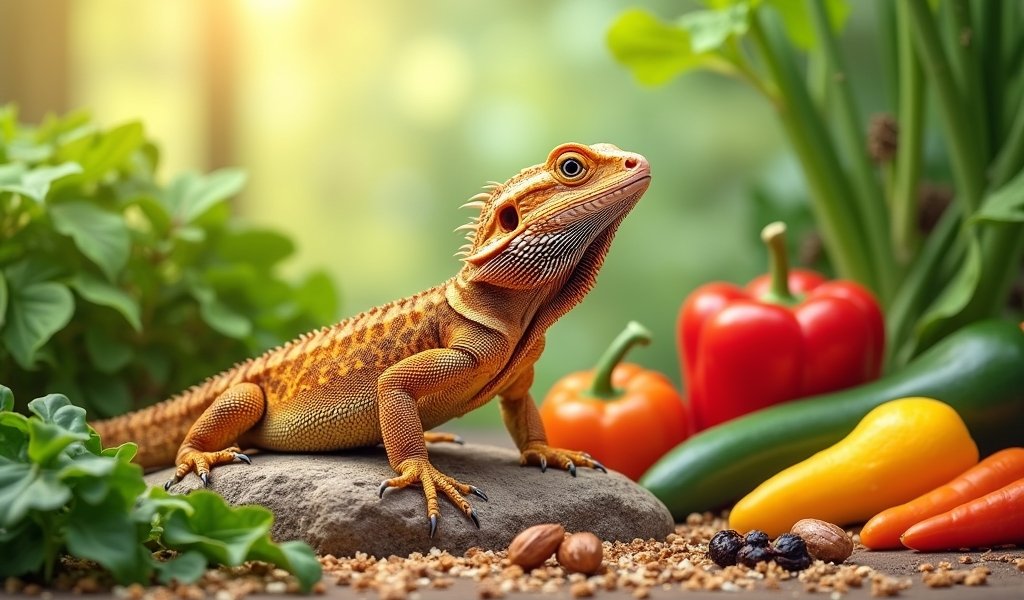
Diversifying your bearded dragon’s insect intake isn’t just about keeping mealtime interesting—it’s a powerful health strategy. Different insects offer varying nutrient profiles that collectively create a complete diet. Crickets serve as an excellent baseline protein source, while dubia roaches provide higher protein content with less chitin, making them more digestible and nutritionally dense.
Black soldier fly larvae (often sold as Calciworms or Phoenix Worms) stand out as nutritional powerhouses, naturally rich in calcium with an ideal calcium-to-phosphorus ratio that supports bone health without additional supplementation. For occasional variety, silkworms offer easily digestible protein and beneficial fatty acids that promote skin health and immune function.
Implement a strategic rotation of these insects throughout the week:
- Crickets: 2-3 times weekly as a staple protein
- Dubia roaches: 1-2 times weekly for digestible protein
- Black soldier fly larvae: 2 times weekly for natural calcium
- Silkworms or hornworms: Once weekly as nutritional treats
This varied approach prevents your beardie from developing selective feeding habits while ensuring they receive a wide spectrum of amino acids and micronutrients. According to research from the Journal of Exotic Pet Medicine, varied insect consumption significantly improves overall reptile health compared to single-source protein diets.
Health Booster 2: Perfect Vegetable Balance
Vegetables form the cornerstone of an adult bearded dragon’s diet, providing essential fiber, vitamins, and minerals with minimal calories. The key to vegetable selection lies in understanding calcium-to-phosphorus ratios and oxalate content, which can inhibit calcium absorption. Dark leafy greens should make up approximately 80% of the vegetable portion, with collard greens, mustard greens, and turnip greens serving as excellent calcium-rich staples.
Create a nutritionally complete vegetable rotation that includes:
- Calcium-rich staples: Collard greens, dandelion greens, turnip greens
- Colorful vegetables: Bell peppers, squash, carrots (for beta-carotene)
- Occasional additions: Green beans, zucchini, cucumber
Chop vegetables into bite-sized pieces appropriate for your dragon’s size to prevent choking hazards and improve digestibility. Offer fresh vegetables daily, ideally in the morning when bearded dragons are naturally more active and have their highest appetite. Remove uneaten portions after 4-6 hours to prevent spoilage and bacterial growth.
Notably, avoid vegetables high in oxalates like spinach and swiss chard as daily staples, as they can bind to calcium and contribute to deficiencies over time. Similarly, limit goitrogen-containing vegetables like raw cabbage and kale, which can affect thyroid function when fed excessively, as Dr. Susan Donoghue notes in her reptile nutrition research.
Health Booster 3: Strategic Fruit Inclusion
While fruits add valuable variety and micronutrients to a bearded dragon diet, their high sugar content necessitates a strategic approach. Think of fruits as occasional treats rather than dietary staples—offering them 1-2 times weekly in small amounts prevents obesity and potential digestive issues while still providing beneficial nutrients.
The most appropriate fruits for bearded dragons include:
- Berries: Blueberries, strawberries, and raspberries (lower in sugar, high in antioxidants)
- Melons: Watermelon and cantaloupe (excellent for hydration)
- Papaya and figs: Contain beneficial enzymes that aid digestion
Always remove seeds and pits before offering fruits, as these can contain compounds toxic to reptiles or pose choking hazards. Chop fruits into small pieces—approximately the size of the space between your dragon’s eyes—to facilitate easy consumption and digestion.
Interestingly, some fruits like papaya and figs contain natural digestive enzymes that can be particularly beneficial for older bearded dragons or those with sensitive digestive systems. These enzymes help break down proteins and improve nutrient absorption, making these fruits especially valuable when offered strategically. Just as with axolotl feeding practices, moderation is key when introducing new food items.
Health Booster 4: Proper Supplementation
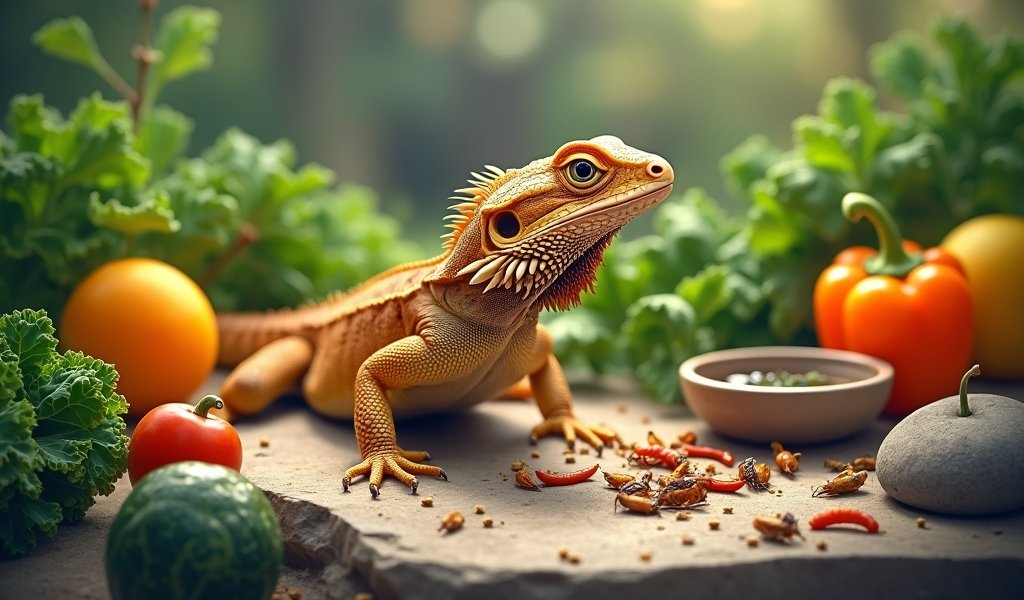
Even the most carefully crafted bearded dragon diet typically requires supplementation to meet optimal calcium and vitamin requirements. Calcium supplementation forms the cornerstone of preventative health care for bearded dragons, protecting against metabolic bone disease—a painful and potentially fatal condition resulting from calcium deficiency.
For most bearded dragons, follow this supplementation schedule:
- Calcium without D3: 3-4 times weekly for adults, 5 times weekly for juveniles
- Calcium with D3: 1-2 times weekly if not receiving adequate UVB exposure
- Multivitamin: Once weekly for adults, twice weekly for growing juveniles
The dusting technique matters significantly for effective supplementation. Rather than coating insects heavily, aim for a light dusting that covers them without creating a thick layer. This approach prevents dragons from rejecting insects while still providing necessary nutrients. For particularly finicky eaters, using a shallow dish for dusting helps ensure even coverage without excess.
Recent research from Veterinary Clinics: Exotic Animal Practice suggests that calcium supplementation is most effective when offered earlier in the day, as it synergizes with the dragon’s natural basking behavior and vitamin D synthesis.
Health Booster 5: Age-Appropriate Feeding Schedules
A bearded dragon’s nutritional needs evolve dramatically throughout its lifespan, requiring thoughtful adjustments to both diet composition and feeding frequency. Baby dragons (0-3 months) experience explosive growth requiring frequent feeding—offer insects 3-5 times daily with vegetables always available. Their high metabolism and rapid development necessitate a protein-rich diet of approximately 80% insects and 20% vegetation.
Juvenile dragons (3-12 months) continue growing but at a decreasing rate, warranting a shift to 2-3 insect feedings daily with a gradual increase in vegetable consumption. This transitional period should see the insect-to-vegetable ratio shift from approximately 70:30 to 50:50 by the one-year mark.
For adult bearded dragons (1+ years), metabolism slows significantly, requiring a major dietary adjustment to prevent obesity. Most adults thrive on a single insect feeding every 1-2 days and daily vegetable offerings, with the ratio shifting to approximately 20% insects and 80% vegetation. This lower-protein, higher-fiber approach maintains lean body composition while supporting digestive health.
Seasonal adjustments may also prove beneficial, with slightly increased protein during spring breeding seasons and reduced feeding during winter months when many dragons naturally become less active. These adjustments mirror natural behavioral patterns and help prevent metabolic issues associated with overfeeding during less active periods.
Health Booster 6: Hydration Strategies
Proper hydration plays a crucial yet often overlooked role in bearded dragon health. While these desert-adapted reptiles obtain significant moisture from their food, additional hydration strategies enhance overall health and prevent issues like kidney disease and constipation.
While some bearded dragons will drink from shallow dishes, many prefer alternative hydration methods. Regular misting of vegetables increases moisture intake naturally, as dragons consume the water droplets along with their food. For stubborn drinkers, adding movement to water through a small pet fountain sometimes triggers natural drinking responses, as moving water appears fresher to reptiles.
Brief soaking sessions (10-15 minutes in shallow, lukewarm water) provide hydration opportunities through the cloaca and skin while simultaneously supporting healthy shedding. Aim for weekly baths for adults and twice-weekly for juveniles or dragons experiencing shedding difficulty.
During periods of illness, stress, or shedding, increase hydration opportunities through more frequent misting and soaking. The water temperature should remain between 85-90°F (29-32°C) to prevent thermal shock while encouraging activity and natural drinking behavior.
Health Booster 7: Gut-Loading Techniques
Gut-loading—the practice of nutritionally enhancing feeder insects 24-48 hours before offering them to your bearded dragon—dramatically improves the nutritional value of every insect meal. This technique essentially transforms ordinary feeders into living vitamin capsules, delivering concentrated nutrition directly to your dragon.
For maximum benefit, feed insects a nutrient-dense diet including:
- Dark leafy greens (collard greens, dandelion greens)
- Orange vegetables (carrots, sweet potato)
- High-quality commercial gut-loading formulas
The timing of gut-loading significantly impacts its effectiveness. Begin the gut-loading process 24-48 hours before feeding insects to your dragon—this window provides enough time for nutrients to accumulate in the insects’ digestive tract without being fully metabolized. Keep gut-loading insects in a well-ventilated container with appropriate food but without additional water sources, as water can cause premature elimination.
Advanced keepers can customize gut-loading regimens to address specific nutritional needs. For instance, offering calcium-rich vegetables to feeder insects helps address calcium deficiencies, while beta-carotene-rich foods enhance skin health and immune function during shedding periods.
Common Dietary Mistakes to Avoid
Even well-intentioned reptile keepers commonly make dietary errors that can impact their bearded dragon’s health. Overreliance on mealworms and superworms ranks among the most prevalent mistakes—these insects have poor calcium-to-phosphorus ratios and high chitin content, making them difficult to digest and potentially contributing to impaction when fed excessively.
Neglecting vegetable variety represents another common pitfall. Offering the same greens consistently can create nutritional imbalances and encourage picky eating behaviors. Instead, rotate through at least 5-7 different vegetables weekly to provide comprehensive nutrition and maintain feeding interest.
Inappropriate supplement use—either excessive or insufficient—can lead to serious health complications. Over-supplementation of vitamins (particularly vitamin D3) can cause toxicity, while calcium deficiency leads to metabolic bone disease. Follow precise supplementation schedules and adjust based on your dragon’s specific needs and UVB exposure.
Finally, many keepers underestimate the importance of transition periods when changing diets. Abrupt dietary changes can cause stress and digestive upset. When introducing new foods or adjusting ratios, implement changes gradually over 2-3 weeks, allowing your dragon’s digestive system to adapt appropriately.
Seasonal Adjustments to Bearded Dragon Diet
Wild bearded dragons experience natural seasonal variations in food availability and activity levels—patterns we can thoughtfully incorporate into captive care. During spring months, when breeding behaviors naturally increase, slightly higher protein intake supports energy demands and reproductive health. Consider increasing insect offerings by approximately 10-15% during these periods while maintaining regular vegetable consumption.
Summer brings peak activity levels, warranting consistent feeding schedules with emphasis on proper hydration. During this season, moisture-rich vegetables like cucumber, zucchini, and melon can help maintain hydration while providing essential nutrients.
As fall approaches, many bearded dragons experience natural appetite increases in preparation for winter brumation (a hibernation-like state). Support this natural pattern by maintaining regular feeding while ensuring optimal calcium intake, which helps prepare the body for potential reduced food intake during winter months.
During winter, bearded dragons often show reduced activity and appetite, especially if they enter brumation. Rather than forcing feeding during this natural slowdown, follow your dragon’s cues and reduce feeding frequency accordingly. Once activity levels increase, gradually return to normal feeding schedules to support digestive health.
Conclusion
Creating an optimal bearded dragon diet isn’t simply about keeping your pet fed—it’s about providing the nutritional foundation for a vibrant, active life. By implementing these seven proven health boosters, you’ll transform your bearded dragon’s mealtime from basic sustenance to a cornerstone of preventative healthcare.
Remember that dietary needs evolve throughout your dragon’s lifespan, requiring thoughtful adjustments to maintain optimal health. The transition from a protein-rich juvenile diet to a vegetable-focused adult regimen represents one of the most significant shifts you’ll navigate as a responsible keeper.
Monitor your bearded dragon’s weight, activity levels, and stool quality as indicators of dietary success. A properly nourished dragon displays clear eyes, alert behavior, and a healthy body condition without fat deposits around the head and limbs. By combining these dietary guidelines with appropriate habitat conditions and regular veterinary care, you’re setting the stage for your bearded dragon to thrive for many years to come.
Frequently Asked Questions
How often should I feed my adult bearded dragon insects?
Most healthy adult bearded dragons thrive on insect feedings 2-3 times per week. The exact frequency depends on your dragon’s activity level, metabolism, and body condition.
Can bearded dragons eat citrus fruits?
Bearded dragons should avoid citrus fruits due to their high acidity, which can cause digestive upset. Stick to safe options like berries, melons, and papaya in moderation.
Is it normal for my bearded dragon to stop eating sometimes?
Temporary appetite reduction can be normal during seasonal changes, shedding, or brumation periods. However, extended food refusal (more than 1-2 weeks) warrants veterinary attention.
How do I get my bearded dragon to eat more vegetables?
Try offering vegetables before insects, when hunger is highest, and experiment with different textures and colors. Slightly warming vegetables can enhance aroma and appeal.
Can bearded dragons eat insects caught from the garden?
Never feed wild-caught insects to bearded dragons, as they may contain pesticides or parasites. Always use commercially raised feeders from reputable sources for safety.