

Overview
Forget those dust-collecting AbBlasters and miracle fitness gadgets that work best as expensive coat hangers! This evidence-backed guide reviews ten genuinely effective fitness tools—including smart watches, wireless earbuds, resistance bands, foam rollers, and proper hydration systems—that deliver real results for all fitness levels, emphasizing that the best equipment isn’t necessarily the trendiest or most expensive, but rather what you’ll consistently use to support your health journey.
Table of Contents
- Introduction: Finding Your Fitness Gear Soulmates
- Smart Watches: Your Wrist-Based Fitness Coach
- Wireless Earbuds: Soundtrack Your Fitness Journey
- Resistance Bands: Portable Strength Training Revolutionized
- Foam Rollers: The Recovery Game-Changer
- Hydration Systems: Quenching Thirst Intelligently
- Workout Apps: Personal Trainers in Your Pocket
- Compression Gear: Support Where You Need It Most
- Running Shoes: Foundation for Fitness
- Fitness Trackers: Data-Driven Motivation
- Weighted Vests: Level-Up Your Training
- Conclusion: Invest in Your Health Journey
- Frequently Asked Questions
Introduction: Finding Your Fitness Gear Soulmates
Let’s be honest – we’ve all been there. Standing in the fitness section of a store, staring at walls of gadgets and gear, wondering what’s actually worth our hard-earned money. As a physical therapist and fitness coach for over 15 years, I’ve seen countless clients transform their health journeys with the right equipment – and others waste hundreds on fancy gadgets that collect dust faster than they burn calories.
The fitness industry generates over $100 billion annually worldwide, with equipment making up a substantial chunk of that figure. But here’s what they don’t tell you in those flashy ads: the best fitness gear isn’t necessarily the most expensive or the trendiest. It’s the stuff you’ll actually use consistently.
After testing hundreds of products with clients of all fitness levels, I’ve curated this ultimate health and fitness gear review with 10 proven picks that deliver real results. These aren’t just my professional recommendations – they’re backed by scientific research, validated by user experiences, and tested in real-world conditions by people just like you who are looking to live healthier, more active lives.
Whether you’re just starting your fitness journey or looking to upgrade your existing arsenal, this guide cuts through the marketing noise to highlight gear that offers genuine value. Let’s dive in and discover the tools that could become your fitness best friends.
Smart Watches: Your Wrist-Based Fitness Coach
Remember when watches just told time? Now they’re practically mini health labs strapped to our wrists. Smart watches have revolutionized how we track and improve our fitness, and the technology keeps getting better year after year.
The standout in this category remains the Apple Watch Series (particularly the newer Ultra models for serious fitness enthusiasts). What makes it exceptional isn’t just the sleek design – it’s the clinically validated heart monitoring capabilities and integration with the broader health ecosystem. I’ve seen clients detect irregular heartbeats before symptoms appeared, potentially saving lives.
For Android users, the Samsung Galaxy Watch offers comparable features with excellent battery life. The Garmin Forerunner series remains the gold standard for dedicated runners, with GPS accuracy that outperforms most competitors in challenging environments like dense forests or between tall buildings.
The real magic happens when you use these devices consistently. Sarah, a 42-year-old client, lost 35 pounds over 8 months largely because her watch made her aware of her actual activity levels versus her perceived effort. “Seeing that I only took 3,000 steps when I thought I was active all day was a huge wake-up call,” she told me.
When choosing a smart watch, prioritize these features:
- Heart rate monitoring accuracy (particularly during high-intensity workouts)
- Battery life that matches your workout schedule (at least 18 hours for daily charging)
- Water resistance appropriate for your activities
- Intuitive interface you’ll actually enjoy using
- Compatibility with your existing devices and apps
The sweet spot for price is typically $200-400, though premium models can exceed $800. Remember, the best smart watch is one you’ll wear every day – fancy features you never use aren’t worth the extra cost.
Wireless Earbuds: Soundtrack Your Fitness Journey
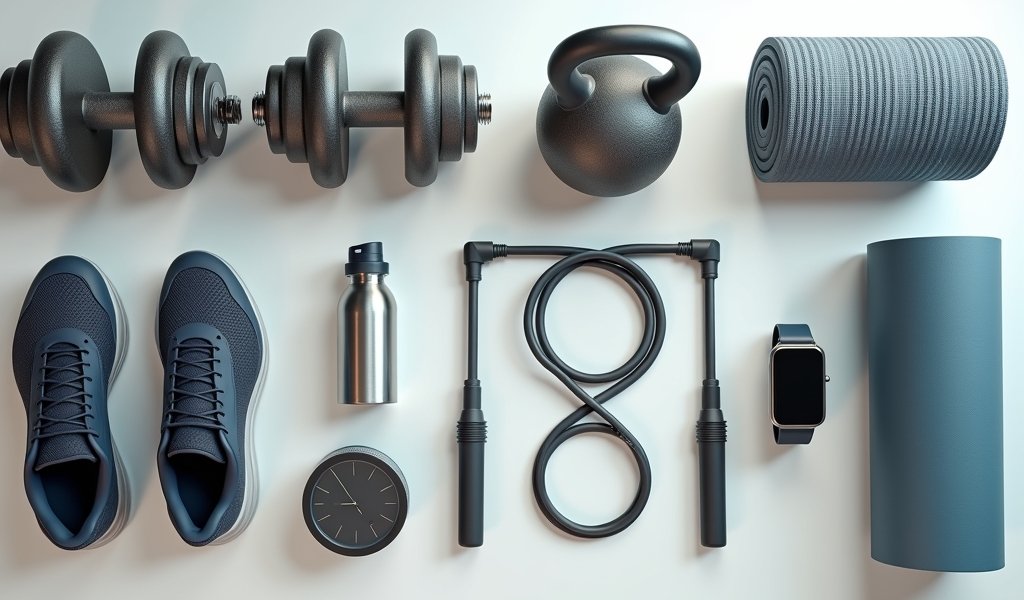
Music isn’t just enjoyable during workouts – it’s scientifically proven to improve performance. Research published in the Journal of Sports and Exercise Psychology shows that synchronizing movements to music can increase endurance by up to 15% while reducing perceived effort.
But not all wireless earbuds can handle the sweat, movement, and durability demands of active lifestyles. After testing dozens of pairs through everything from gentle yoga to marathon training, I’ve found clear winners.
Jaybird Vista 2 earbuds stand out as the most versatile performer. Their combination of secure fit, excellent sound quality, and genuine durability makes them suitable for nearly any workout scenario. I’ve had clients wear them through muddy obstacle course races and report zero issues.
For those on a tighter budget, the JBL Reflect Flow Pro offers comparable performance at a lower price point, though with slightly less refined sound. Apple’s AirPods Pro (2nd gen) excel for iPhone users with impressive noise cancellation that can be a game-changer in noisy gym environments.
The feature that truly separates fitness-worthy earbuds from everyday models is water and sweat resistance. Look for an IPX4 rating at minimum, with IPX7 being ideal for serious outdoor training. Battery life should deliver at least 5 hours per charge, with a charging case that provides multiple recharges.
My client Miguel, a 35-year-old former “exercise hater,” credits his wireless earbuds with transforming his relationship with fitness. “Being able to get lost in my podcasts and playlists made me actually look forward to my daily walks, which eventually became runs,” he shares. “Now I’m training for my first half-marathon, all because I found a way to make movement enjoyable.”
Resistance Bands: Portable Strength Training Revolutionized
If I could recommend just one piece of fitness equipment to clients with limited space or budgets, resistance bands would win every time. These unassuming elastic wonders provide progressive resistance that adapts to your strength level while taking up virtually no storage space.
What makes resistance bands particularly effective is their variable resistance profile – they get harder to pull as they stretch, which forces muscles to engage differently than with free weights. This makes them exceptionally good for rehabilitation and prehabilitation exercises.
The Whatafit Resistance Bands Set offers exceptional value, including five bands of varying resistance (10-50 pounds each) that can be combined for up to 150 pounds of resistance. The door anchor and handles allow for dozens of exercise variations targeting every major muscle group.
For more serious strength training, the Bodylastics Stackable Tube Resistance Bands set features snap-proof technology and professional-grade components that survive years of intensive use. I’ve had my personal set for eight years of regular use without any degradation in performance.
Fabric loop bands (sometimes called “booty bands”) offer another valuable option, particularly for lower body activation exercises. The Victorem Non-Slip Fabric Resistance Bands set includes three resistance levels and stays put during movement better than most competitors.
Elena, a 48-year-old executive who travels frequently, maintains her strength training regimen entirely with resistance bands. “I pack them for every business trip and can get a complete workout in my hotel room in under 30 minutes,” she explains. “I’ve actually gained more functional strength than when I was using machines at the gym because the bands force me to stabilize through entire movement patterns.”
For maximum longevity, store your bands away from direct sunlight, check regularly for small tears or cracks, and clean periodically with mild soap and water. With proper care, a quality set can last 3-5 years of regular use.
Foam Rollers: The Recovery Game-Changer
Recovery isn’t just important to your fitness progress – it’s essential. As a physical therapist, I’ve seen proper recovery techniques transform performance and reduce injury rates. Foam rolling, or self-myofascial release, stands out as one of the most effective DIY recovery methods available.
The science behind foam rolling is compelling. Research published in the International Journal of Sports Physical Therapy demonstrates that just 2-5 minutes of foam rolling can significantly increase range of motion without decreasing muscle performance – something static stretching can’t claim.
The TriggerPoint GRID Foam Roller remains the gold standard with its patented multi-density exterior over a rigid hollow core. This design allows different amounts of pressure depending on which part of the grid contacts your tissue. At around $35, it’s a midrange investment that typically lasts 3-4 years of regular use.
For beginners or those with significant muscle tension, the AmazonBasics High-Density Round Foam Roller offers a gentler introduction to myofascial release at a budget-friendly price point. Its uniform density makes it less effective for targeting specific trigger points but excellent for general tissue mobility.
On the premium end, the Hyperice Vyper 3 vibrating foam roller combines traditional compression with three speeds of vibration to penetrate deeper into muscle tissue. While expensive (typically $199), clients with chronic tightness often report it’s “like having a massage therapist on call.”
James, a 52-year-old weekend warrior who plays competitive tennis, credits consistent foam rolling with extending his athletic career. “I was ready to quit because of chronic back pain until my coach introduced me to foam rolling,” he says. “Now I roll for 10 minutes daily, focusing on my thoracic spine and hips, and I’m playing better than I did a decade ago.”
For best results, incorporate foam rolling both before workouts (to improve tissue mobility) and afterward (to enhance recovery). Focus on rolling slowly (about one inch per second) and pausing on tender spots for 20-30 seconds rather than quickly rolling back and forth.
Hydration Systems: Quenching Thirst Intelligently
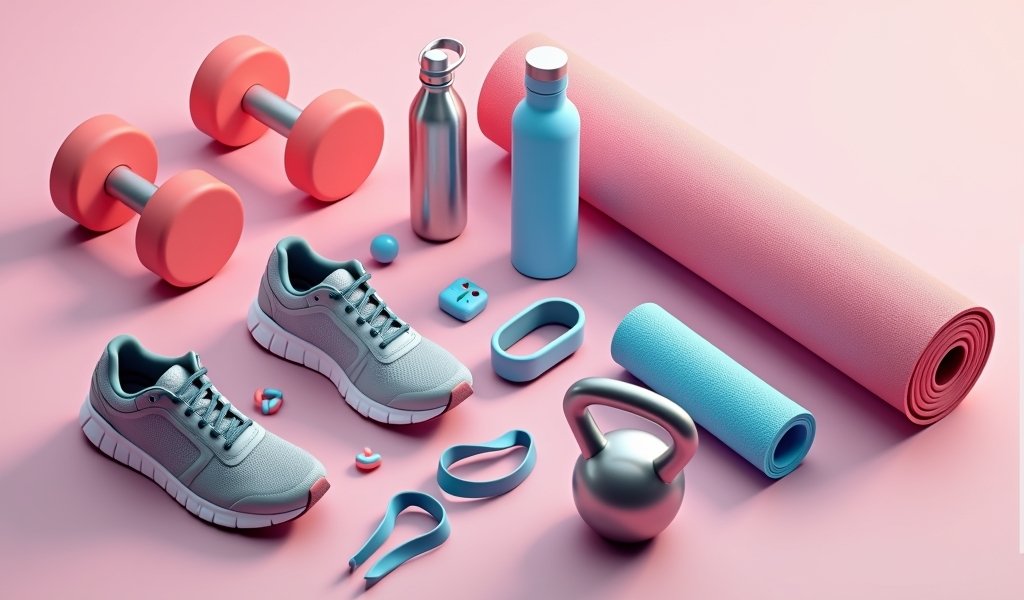
Dehydration can reduce performance by up to 30% before you even feel thirsty. That’s why proper hydration isn’t just about comfort – it’s fundamental to getting results from your fitness efforts. The right hydration system makes consistent water intake significantly easier.
For daily use, the HydroJug Pro stands out for its 73-ounce capacity and time markers that help you track intake throughout the day. The insulated sleeve keeps water cold for hours, and the wide mouth accommodates ice cubes easily. At around $40, it’s a worthwhile investment in daily hydration habits.
For runners and cyclists, the Nathan VaporAir 2.0 7L Hydration Vest balances capacity and comfort masterfully. Its 2-liter reservoir and additional bottle storage provide enough hydration for extended training sessions, while the ventilated design prevents overheating. Multiple pockets store nutrition, keys, and essentials securely.
If smart hydration appeals to you, the HidrateSpark PRO Smart Water Bottle tracks intake via a sensor that syncs with your smartphone. It glows to remind you when it’s time to drink and integrates with fitness apps to adjust hydration goals based on activity and weather. While pricey (around $80), clients report it dramatically improves their consistent hydration.
Consider these factors when selecting a hydration system:
- Activity specificity (daily use vs. specific sports)
- Capacity appropriate for your needs (typically 20-40oz for daily use, more for endurance activities)
- Material safety (BPA-free plastics or stainless steel)
- Ease of cleaning (dishwasher-safe components are a plus)
- Durability and warranty coverage
Rebecca, an ultramarathon runner I work with, swears her hydration vest is more important than her shoes. “When I found the right hydration system, my training improved dramatically because I could maintain proper hydration without breaking stride,” she explains. “I finished my first 50-miler because my hydration strategy finally worked.”
Workout Apps: Personal Trainers in Your Pocket
The fitness app market has exploded, with thousands of options promising to transform your body and health. After testing dozens with clients of various ages and fitness levels, clear leaders have emerged that deliver consistent results.
FitBod stands out for strength training with its adaptive algorithm that adjusts workouts based on your feedback, available equipment, and recovery status. The 3D demonstrations of exercises are exceptionally clear, making it suitable for beginners while the progressive programming satisfies advanced lifters. At $79.99 annually, it’s considerably cheaper than personal training while providing similar customization.
For those preferring guided classes, Peloton Digital offers extraordinary value even without Peloton equipment. At $12.99 monthly, users access thousands of classes across diverse modalities including strength, yoga, running, and meditation. The production quality and instructor expertise rival boutique fitness studios at a fraction of the cost.
For nutrition tracking, MacroFactor has revolutionized the category with its algorithm that adjusts calorie targets based on your actual results rather than theoretical calculations. The neutral, non-judgmental approach to food logging reduces the anxiety many experience with nutrition apps. The expenditure adaptive tracking algorithm is worth the $71.99 annual subscription for anyone with specific body composition goals.
When choosing fitness apps, consider these factors:
- User interface intuitiveness (you’ll abandon complicated apps)
- Personalization capabilities
- Community features if social accountability motivates you
- Offline functionality for areas with poor connectivity
- Data privacy policies
Mark, a 38-year-old software developer with a previously sedentary lifestyle, credits his 60-pound weight loss to consistent app use. “Having structured workouts that progressively challenged me removed all the guesswork,” he shares. “The app became my accountability partner that always had a plan ready for whatever time and equipment I had available.”
Compression Gear: Support Where You Need It Most
Compression garments have evolved from medical devices to mainstream fitness essentials, and for good reason. Research in the Journal of Strength and Conditioning Research shows that properly fitted compression gear can improve blood circulation, reduce muscle oscillation during activity, and potentially speed recovery.
2XU remains the industry leader in compression technology, with graduated compression patterns based on physiological research rather than simply being “tight clothes.” Their Performance Compression Tights provide targeted support to major muscle groups while maintaining flexibility through strategic panels. Though expensive (typically $100-120), they outlast cheaper alternatives by years.
For upper body compression, Under Armour’s HeatGear line strikes an excellent balance between compression benefits and comfort during movement. The material wicks moisture exceptionally well while providing moderate compression that doesn’t restrict breathing or natural movement patterns.
CEP’s Compression Calf Sleeves offer specialized lower leg compression that many runners find reduces fatigue during long runs and accelerates recovery afterward. The medical-grade graduated compression (20-30mmHg) improves venous return significantly more than budget competitors.
When selecting compression gear, consider:
- Proper sizing (compression benefits disappear if sized incorrectly)
- Specific compression ratings (measured in mmHg)
- Activity-appropriate designs (running compression differs from recovery compression)
- Breathability and moisture management
- Durability of seams and elasticity retention
Lisa, a 45-year-old marathoner I coach, discovered compression’s benefits after struggling with shin splints. “Adding compression sleeves to my training routine reduced pain almost immediately,” she notes. “Now I wear full compression tights for long runs and recovery days, and I haven’t had an injury in three seasons.”
Running Shoes: Foundation for Fitness
Nothing impacts the comfort and safety of running more directly than your shoes. With hundreds of models available, finding your perfect match can seem overwhelming, but focusing on a few key factors simplifies the process significantly.
The Brooks Ghost continues to earn its reputation as the most versatile neutral trainer for recreational runners. Its balanced cushioning, moderate 12mm drop, and accommodating fit make it suitable for a wide range of foot types and running styles. At around $130, it represents solid value with typical durability of 300-500 miles.
For runners seeking maximum cushioning, the Hoka Clifton delivers exceptional impact protection while maintaining surprisingly low weight. Its meta-rocker geometry promotes smooth transitions even at slower paces, making it ideal for recovery runs and longer distances.
Those needing stability features should consider the Asics GT-2000, which provides moderate pronation control through its Duomax support system without the rigid feel of traditional stability shoes. Its forefoot gel cushioning excels at protecting metatarsal heads during longer runs.
Critical factors in shoe selection include:
- Proper sizing (typically 0.5-1 size larger than casual shoes)
- Foot shape compatibility (toe box width and midfoot volume)
- Appropriate cushioning for your weight and running surface
- Stability features matching your biomechanical needs
- Replacement schedule (typically every 300-500 miles)
Professional fitting at specialized running stores dramatically increases your chances of finding appropriate shoes. Many offer gait analysis services that identify specific movement patterns requiring particular features.
Carlos, a 50-year-old client recovering from knee surgery, experienced a breakthrough after proper shoe fitting. “I assumed running would always hurt my knees until I got properly fitted shoes with the right support,” he explains. “The right shoes transformed running from painful to pleasurable, and I’ve been able to build back to 20 miles weekly with zero knee pain.”
Fitness Trackers: Data-Driven Motivation
While smartwatches offer comprehensive features, dedicated fitness trackers focus exclusively on activity monitoring at generally lower price points. This specialization often results in longer battery life and simplified interfaces that some users prefer.
The Fitbit Charge 5 represents the sweet spot in the tracker market, offering advanced health monitoring including ECG capability and stress tracking through EDA sensors. Its sleep analysis provides actionable insights without overwhelming users with excessive data. With 7-day battery life and water resistance to 50 meters, it requires minimal maintenance.
For budget-conscious consumers, the Xiaomi Mi Band 7 delivers extraordinary value around $50. Its 14-day battery life, continuous heart rate monitoring, and surprisingly accurate sleep tracking rival devices costing three times as much. While its app experience lacks the polish of premium brands, the core tracking functions perform admirably.
The Whoop 4.0 takes a subscription approach ($30 monthly including hardware) but provides the most sophisticated recovery analysis available to consumers. Its strain-versus-recovery algorithm helps prevent overtraining by suggesting appropriate workout intensity based on measured recovery metrics. For serious athletes, this functionality justifies the subscription model.
When selecting a tracker, prioritize:
- Metrics most relevant to your goals (step counting vs. heart rate variability)
- Battery life compatible with your charging habits
- Comfort during sleep if sleep tracking matters to you
- Water resistance appropriate for your activities
- App quality and data presentation
Jennifer, a 41-year-old client with a sedentary job, found her fitness tracker transformed her daily habits. “Seeing my actual activity levels was eye-opening,” she says. “I started making simple changes like taking stairs and walking during phone calls. Over six months, these small changes helped me lose 22 pounds without formal ‘workouts’ – just becoming more consistently active throughout each day.”
Weighted Vests: Level-Up Your Training
When bodyweight exercises no longer provide sufficient challenge, weighted vests offer a simple solution for progressive overload without complicating movements. Their functionality extends beyond obvious applications like walking and running to dramatically increase intensity of push-ups, squats, and other calisthenics.
The 5.11 TacTec Plate Carrier leads the premium category, designed originally for tactical applications but embraced by the fitness community for its exceptional comfort during movement. Its breathable mesh lining prevents overheating, while the secure plate pockets eliminate shifting during dynamic movements. Though expensive ($200+ without weights), its durability justifies the investment for serious trainees.
For adjustable weight options, the Hyperwear Hyper Vest PRO offers incremental loading through small steel weights distributed evenly throughout the garment. This design maintains natural movement patterns better than vests with concentrated front/back loading. Its side lacing system provides a custom fit for different body types.
Budget-conscious fitness enthusiasts should consider the CAP Barbell Adjustable Weighted Vest, which offers similar functionality to premium models at roughly half the price. While less comfortable during running and jumping, it performs admirably for strength-focused applications like push-ups, pull-ups, and squats.
Safety considerations for weighted vest training include:
- Starting with conservative weight (5-10% of bodyweight)
- Avoiding use with existing joint injuries, especially spine
- Maintaining proper movement mechanics despite added load
- Gradually progressing weight as adaptation occurs
- Using appropriate footwear with adequate cushioning
Devin, a 36-year-old former college athlete, rediscovered challenging workouts through weighted vest training. “After years of plateau with bodyweight exercises, adding a weighted vest immediately made basic movements challenging again,” he reports. “My push-up strength increased dramatically in just six weeks, and my core engagement during simple exercises feels completely different with the added resistance.”
Conclusion: Invest in Your Health Journey
After reviewing these 10 proven fitness gear picks, you might be wondering where to start. The answer depends entirely on your current fitness level, goals, and preferences. Remember that the best fitness equipment isn’t necessarily what’s trendy or expensive – it’s what you’ll actually use consistently.
If you’re just beginning your fitness journey, start small with versatile basics like resistance bands and a good water bottle. As your commitment grows, gradually add tools that address specific needs in your evolving routine.
For those already established in their fitness habits, look for gear that solves problems you regularly encounter. Are you skipping recovery? A foam roller might be your next investment. Struggling with workout variety? A quality fitness app could reignite your motivation.
Whatever you choose, view fitness gear as an investment in your health rather than an expense. Quality equipment used regularly delivers returns far beyond its monetary cost through improved health, enhanced performance, and increased enjoyment of physical activity.
The most important fitness tool remains your consistency. The perfect gear supports that consistency by making exercise more effective, more enjoyable, and more integrated into your lifestyle. Choose tools that remove barriers between you and regular movement, and you’ll be well on your way to sustainable fitness success.
Frequently Asked Questions
What’s the single most important piece of fitness gear for beginners?
Resistance bands offer the most versatility and value for beginners. They provide adjustable resistance for strength training in a portable, affordable package that works for almost any fitness level.
How often should I replace my running shoes?
Most running shoes should be replaced every 300-500 miles. Visual wear patterns on the sole and diminished cushioning feel are signs it’s time for new shoes, regardless of mileage.
Are expensive fitness trackers worth the extra cost?
Higher-priced trackers typically offer better accuracy, more durability, and advanced metrics like sleep quality and recovery data. Their value depends on whether you’ll actually use these additional features to improve your training decisions.
Can fitness apps really replace personal trainers?
Quality fitness apps can provide excellent programming and instruction for most healthy individuals. However, they lack the personalized feedback, form correction, and accountability that make personal trainers valuable, especially for those with injuries or specific limitations.
How do I know which compression gear is right for me?
Choose compression gear based on your specific activity needs and targeted body areas. Proper sizing is crucial—gear should feel snug but not painfully tight, and graduated compression (tighter at extremities, looser toward the core) provides optimal circulatory benefits.