

Overview
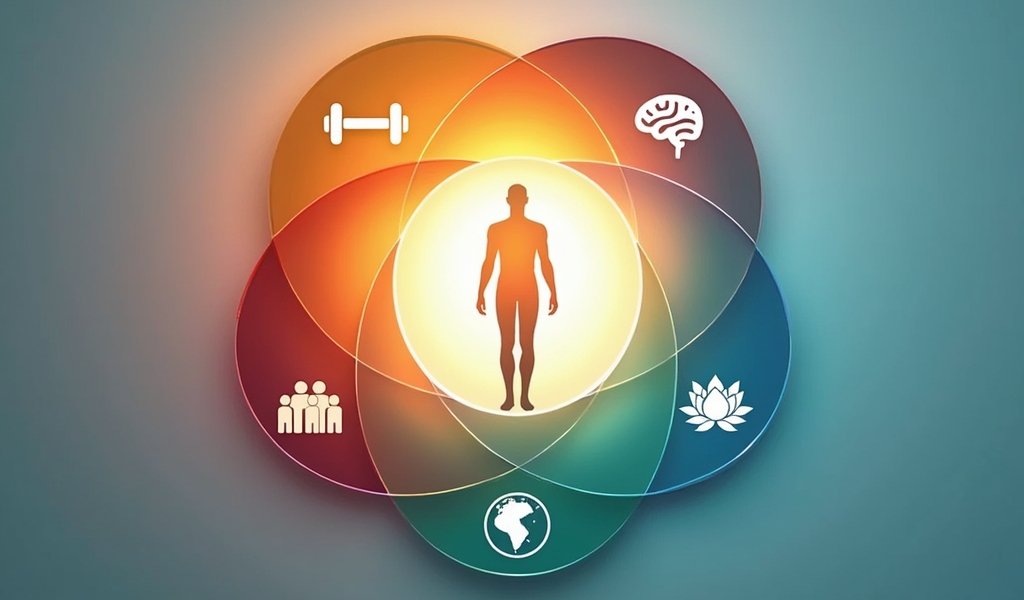
Like trying to solve a Rubik’s cube with chopsticks, achieving wellness requires understanding how physical, mental, emotional, social, spiritual, intellectual, and environmental health components intertwine rather than exist in isolation. True wellness emerges when we recognize these dimensions as an integrated ecosystem where improvements in one area create positive ripple effects throughout others, allowing for a holistic approach to health that transcends simply treating symptoms or focusing on single aspects.
Table of Contents
- Understanding Health and Wellness: The Foundation
- Physical Health: The Cornerstone of Wellness
- Mental and Emotional Health: The Inner Landscape
- Social Health: The Power of Connection
- Spiritual Health: Finding Meaning and Purpose
- Intellectual Health: Nurturing Your Mind
- Environmental Health: Your Surroundings Matter
- An Integrated Approach to Wellness
- Practical Tips for Holistic Wellness
- Conclusion
- Frequently Asked Questions
Understanding Health and Wellness: The Foundation
Health and wellness aren’t just buzzwords – they represent a profound relationship that shapes our quality of life. As a health professional who’s guided countless individuals on their wellness journeys, I’ve observed firsthand how these concepts intertwine to create the tapestry of our overall wellbeing.
Health typically refers to the physical functioning of our body systems and the absence of disease, while wellness encompasses a broader state of thriving across multiple dimensions of life. Think of health as individual musical instruments, and wellness as the harmonious symphony they create when playing together.
The World Health Organization defines health as “a state of complete physical, mental and social well-being and not merely the absence of disease or infirmity.” This definition itself hints at the multidimensional nature of wellness that we’ll explore throughout this article.
Physical Health: The Cornerstone of Wellness
Physical health forms the foundation upon which other components of wellness are built. Like the foundation of a house, if it’s compromised, everything above it becomes unstable.
Nutrition: Fueling Your Wellness Journey
The food we consume provides more than just calories – it delivers information to our cells and influences how our genes express themselves. A balanced diet rich in essential nutrients supports every aspect of wellness, from brain function to emotional regulation.
Research from Harvard Medical School has demonstrated clear links between nutrition and mental health, showing that diet quality can influence the risk of depression. This connection illustrates how physical inputs (food) can directly affect mental and emotional wellness.
Physical Activity: Movement as Medicine
Regular exercise doesn’t just build muscle and cardiovascular fitness – it’s a powerful tool that influences every dimension of wellness. When we engage in meaningful fitness activities, we’re simultaneously:
- Releasing endorphins that boost mood and reduce anxiety
- Improving sleep quality
- Enhancing cognitive function and memory
- Creating opportunities for social connection
- Building self-efficacy that transfers to other areas of life
Even a brief 20-minute walk can shift your mental state, demonstrating how physical movement creates ripple effects throughout your wellness dimensions.
Sleep: The Great Restorer
Quality sleep isn’t a luxury – it’s essential maintenance for every component of wellness. During sleep, our bodies repair tissues, consolidate memories, balance hormones, and clear metabolic waste from the brain.
Sleep deprivation doesn’t just leave you tired; it compromises your immune system, impairs decision-making, increases stress reactivity, and can make you more socially withdrawn. As the renowned sleep researcher Matthew Walker notes, “Sleep is the single most effective thing we can do to reset our brain and body health each day.”
Mental and Emotional Health: The Inner Landscape
Our thoughts, feelings, and emotional responses create the lens through which we experience everything else in life. Mental and emotional wellness doesn’t mean perpetual happiness – rather, it’s the ability to navigate life’s ups and downs with resilience and awareness.
The Mind-Body Connection
The relationship between our thoughts, emotions, and physical health is so significant that an entire field – psychoneuroimmunology – studies these interactions. Chronic stress triggers inflammation, weakens immunity, and contributes to numerous physical ailments from headaches to heart disease.
This connection works in both directions. Physical activity can alleviate depression symptoms, while poor sleep can worsen anxiety. Recognizing these pathways helps us understand why addressing one component of health often improves others.
Emotional Intelligence
The ability to recognize, understand, and manage our emotions affects every other dimension of wellness. High emotional intelligence enables healthier relationships, better stress management, and more effective communication – all of which support overall wellness.
Emotional wellness practices like mindfulness, journaling, and cognitive reframing don’t just make us feel better emotionally – they can actually change our brain structure and function, as shown by neuroplasticity research.
Social Health: The Power of Connection
Humans are inherently social creatures, and our relationships fundamentally shape our health. During the COVID-19 pandemic, we witnessed firsthand how social isolation impacts every aspect of wellness.
Relationships and Health Outcomes
Strong social connections correlate with remarkable health benefits, including:
- Lower rates of anxiety and depression
- Better immune function
- Reduced risk of heart disease
- Greater resilience during difficult times
- Longer lifespan
The impact of social relationships on health is so profound that some research suggests chronic loneliness can be as damaging to physical health as smoking 15 cigarettes daily. This finding underscores that no amount of exercise or healthy eating can fully compensate for social isolation.
Community as Medicine
Being part of a community – whether it’s a running club, volunteer organization, or spiritual group – provides more than companionship. It offers purpose, support during challenges, opportunities to contribute, and a sense of belonging that nourishes spiritual and emotional wellness.
Our social connections also influence our health behaviors. We’re more likely to exercise, eat well, and engage in preventive care when those around us do the same. This “social contagion” effect demonstrates how our social networks become powerful determinants of our health practices.
Spiritual Health: Finding Meaning and Purpose
Spiritual wellness isn’t necessarily religious (though it can be). It’s about connecting with something larger than ourselves – whether that’s nature, humanity, art, or a higher power – and finding meaning in our existence.
Purpose as a Health Promoter
People with a strong sense of purpose tend to live longer, experience less stress, and show greater resilience during difficult times. Purpose gives context to our struggles and meaning to our efforts, serving as a north star during life’s inevitable storms.
Studies from epidemiological research consistently show that having purpose in life is associated with reduced all-cause mortality and better cardiovascular outcomes. The biological mechanisms behind these effects likely involve reduced chronic stress and inflammation.
Intellectual Health: Nurturing Your Mind
Our brains thrive on stimulation, learning, and creative challenges. Intellectual wellness involves curiosity, critical thinking, and lifelong learning – all of which contribute to cognitive resilience as we age.
Cognitive Reserve
The concept of cognitive reserve suggests that intellectual stimulation throughout life helps build neural networks that provide resilience against age-related cognitive decline and dementia. This explains why education level and cognitive engagement are protective factors against Alzheimer’s disease.
Learning new skills – whether it’s a language, musical instrument, or craft – creates new neural pathways and supports brain health. These activities also frequently overlap with social engagement (classes, clubs) and emotional regulation (mastering challenging tasks), showing again how wellness components naturally integrate.
Curiosity and Growth
Maintaining a growth mindset and cultivating curiosity supports not just intellectual health but overall wellness. Curiosity drives us to explore, learn, and connect, while a growth mindset helps us navigate challenges with resilience.
The process of understanding nutrition science is an excellent example of how intellectual engagement can directly support physical health by empowering informed food choices.
Environmental Health: Your Surroundings Matter
The spaces we inhabit profoundly influence our health, often in ways we don’t consciously recognize. From air quality to lighting, noise levels to natural elements, our environment shapes our physical and mental wellness every moment.
Nature as Restoration
Spending time in natural settings reduces stress hormones, lowers blood pressure, improves mood, and enhances creativity. Even viewing nature through a window has measurable benefits for recovery and well-being.
This nature-wellness connection has led to the development of therapeutic approaches like “forest bathing” (shinrin-yoku), which has been shown to reduce stress hormones and boost immune function. These findings highlight how our relationship with our environment directly impacts our physiological processes.
Built Environments
The design of our homes, workplaces, and communities significantly impacts our health behaviors and outcomes. Environments that make physical activity convenient, provide access to healthy food options, minimize pollution, and facilitate social connection contribute to wellness across multiple dimensions.
Environmental wellness also includes being mindful of our impact on the planet, recognizing that planetary health and human health are inextricably linked.
An Integrated Approach to Wellness
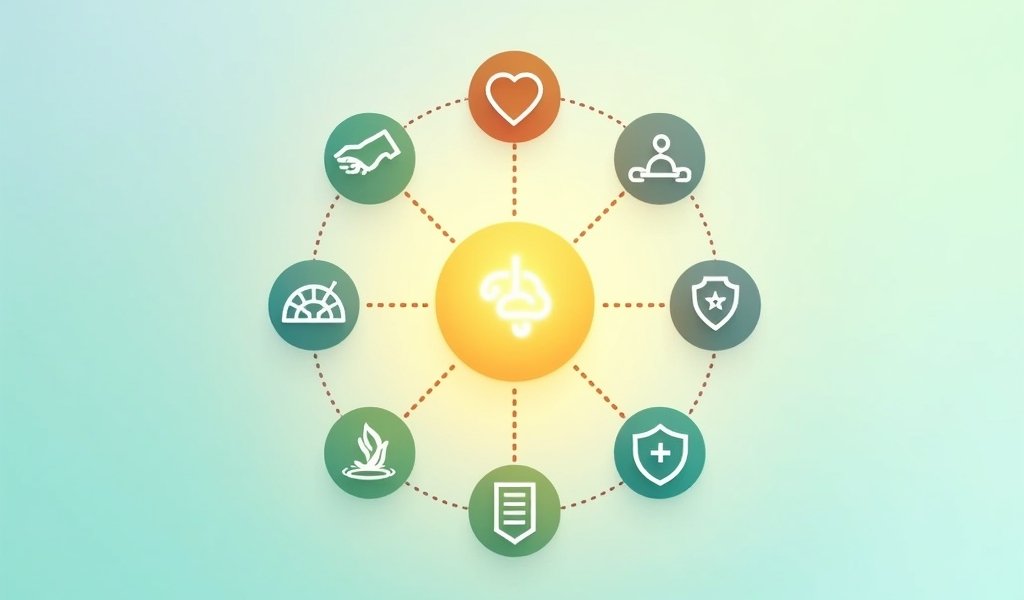
The most important insight about these wellness components is that they don’t operate independently. They form an interconnected web where change in one area inevitably affects others – sometimes creating virtuous cycles, other times triggering cascading challenges.
The Domino Effect
Consider these common scenarios that demonstrate the interconnected nature of wellness components:
- Sleep deprivation (physical) impairs emotional regulation (mental/emotional), which strains relationships (social) and reduces work performance.
- Regular exercise (physical) improves mood (emotional), creates opportunities for social connection, and enhances cognitive function (intellectual).
- Meaningful social connections (social) reduce stress (emotional), which improves sleep quality (physical) and supports better decision-making (intellectual).
- Time in nature (environmental) can reduce stress (emotional), encourage physical activity, and often enhance spiritual connection.
These examples illustrate that wellness isn’t compartmentalized but flows between dimensions, creating either positive spirals of well-being or challenging cycles that require holistic intervention.
Practical Tips for Holistic Wellness
Understanding the interconnected nature of wellness components is fascinating, but how do we translate this knowledge into practical improvements in our lives?
Conduct a Wellness Inventory
Take time to assess each wellness dimension honestly. Where are you thriving? Where are you struggling? Most importantly, can you identify how challenges in one area might be affecting others?
Identify High-Impact Interventions
Look for activities that positively influence multiple wellness dimensions simultaneously:
- Joining a hiking group (addresses physical, social, and environmental wellness)
- Learning meditation (supports spiritual, emotional, and physical dimensions)
- Taking cooking classes (enhances physical nutrition, social connections, and intellectual stimulation)
- Volunteering (benefits social, spiritual, and intellectual wellness)
Start Small, But Start Somewhere
The interconnected nature of wellness means you don’t need to overhaul everything at once. Small changes in one area can create positive ripple effects. Perhaps the most important step is simply beginning the journey with awareness and intention.
Track Progress Holistically
When monitoring your wellness journey, look beyond obvious metrics. Yes, track your step count or meditation minutes, but also notice subtler changes: Are you sleeping better? Feeling more patient with loved ones? Experiencing more moments of joy? These broader observations often reveal the interconnected benefits of your wellness practices.
Conclusion
The relationship between health components and overall wellness resembles an ecosystem rather than a checklist. Each element – physical, mental, emotional, social, spiritual, intellectual, and environmental – influences and is influenced by the others, creating a dynamic interplay that defines our overall wellbeing.
By understanding these connections, we can approach our health journey more effectively, recognizing that improvements in one area often yield benefits across multiple dimensions. This holistic perspective empowers us to make choices that support not just isolated aspects of health but our comprehensive wellness.
Remember that wellness isn’t a destination but a continuous journey – one where balance, integration, and mindful attention to all components create the foundation for a vibrant, meaningful life. Small steps taken consistently across these interconnected dimensions can transform your health in ways that focusing on any single component never could.
Frequently Asked Questions
What are the main components of health that contribute to wellness?
The main components include physical, mental/emotional, social, spiritual, intellectual, and environmental health. These dimensions work together as an integrated system rather than isolated aspects.
Why is the interconnection between health components important?
The interconnection means changes in one area affect others, creating either positive or negative cascading effects. Understanding these relationships helps us develop more effective wellness strategies.
Can focusing on just one health component improve overall wellness?
While improving one component can positively impact others, true wellness requires attention to all dimensions. The most effective approach addresses multiple components simultaneously.
How does physical health affect mental and emotional wellbeing?
Physical health influences brain chemistry, hormone regulation, and energy levels, all of which impact mood and cognitive function. Exercise, nutrition, and sleep quality directly affect our mental and emotional states.
What’s the difference between health and wellness?
Health typically refers to physical functioning and absence of disease, while wellness encompasses a broader state of thriving across multiple life dimensions. Wellness represents the integration of all health components functioning optimally together.
Pingback: Ultimate Health Triangle Review: 7 Essential Fitness Tips - achievehealthgoals.com