

Overview
This first trimester nutrition guide provides a flexible 1-3 month pregnancy diet chart featuring essential nutrients like folate, iron, calcium, omega-3s, and protein, along with practical meal plans that accommodate morning sickness. It emphasizes quality over quantity, offers strategies for staying hydrated and avoiding harmful foods, and reassures that perfect adherence isn’t necessary as long as you’re taking prenatal vitamins and making generally nutritious choices.
Table of Contents
- Understanding First Trimester Nutrition
- Key Nutrients for Early Pregnancy
- 1 to 3 Month Pregnancy Diet Chart
- Meal Planning Tips for the First Trimester
- Dealing with Morning Sickness Through Diet
- Foods to Avoid During Early Pregnancy
- Staying Hydrated During Your First Trimester
- Conclusion
- Frequently Asked Questions
Understanding First Trimester Nutrition
Creating a thoughtful 1 to 3 month pregnancy diet chart is one of the most important steps you can take toward nurturing your growing baby. Those initial weeks of pregnancy are critical for development, with your baby’s neural tube, heart, and other vital organs beginning to form. What you eat during this time provides the building blocks for these miraculous changes.
As an expectant mother, you might feel overwhelmed by all the nutrition advice floating around. The good news? You don’t need to overhaul your entire diet overnight or stress about being perfect. Instead, focus on gradually incorporating nutrient-dense foods while listening to your body’s changing needs.
During the first trimester, your calorie needs don’t increase significantly – it’s the quality of those calories that matters most. Your body needs specific key nutrients in adequate amounts to support both your health and your baby’s development. Even if morning sickness makes eating challenging, having a flexible meal plan can help you navigate these early months with confidence.
Let’s explore how to create a balanced eating approach that supports this amazing journey you’re on – one that’s practical, flexible, and designed for both you and your growing baby.
Key Nutrients for Early Pregnancy
The first trimester lays the foundation for your baby’s development, making certain nutrients absolutely essential during this period. Understanding these nutritional needs helps you prioritize the right foods in your daily meals.
Folate (or folic acid) tops the list of crucial nutrients. This B vitamin helps prevent neural tube defects, which affect the brain and spinal cord. According to research from the American College of Obstetricians and Gynecologists, women need 600 micrograms of folate daily during pregnancy. Leafy greens, citrus fruits, beans, and fortified cereals are excellent natural sources, in addition to your prenatal vitamin.
Iron deserves special attention as your blood volume increases dramatically during pregnancy. This mineral helps transport oxygen to your baby and prevents maternal anemia. Lean meats, beans, spinach, and fortified cereals can boost your iron intake. Pairing these foods with vitamin C helps your body absorb iron more efficiently.
Calcium builds your baby’s bones and teeth while protecting your own. Aim for 1,000 mg daily through dairy products, fortified plant milks, leafy greens, and calcium-set tofu. If dairy triggers nausea during early pregnancy, consider other calcium-rich alternatives that might be easier on your stomach.
Omega-3 fatty acids support your baby’s brain and eye development. Low-mercury fish like salmon and sardines, walnuts, flaxseeds, and chia seeds are wonderful sources. Even adding a tablespoon of chia seeds to your morning smoothie can provide significant benefits.
Protein becomes increasingly important as it provides the building blocks for your baby’s cells. Lean meats, poultry, fish, eggs, dairy, legumes, nuts, and seeds all offer quality protein options that can be incorporated into your meals in various ways.
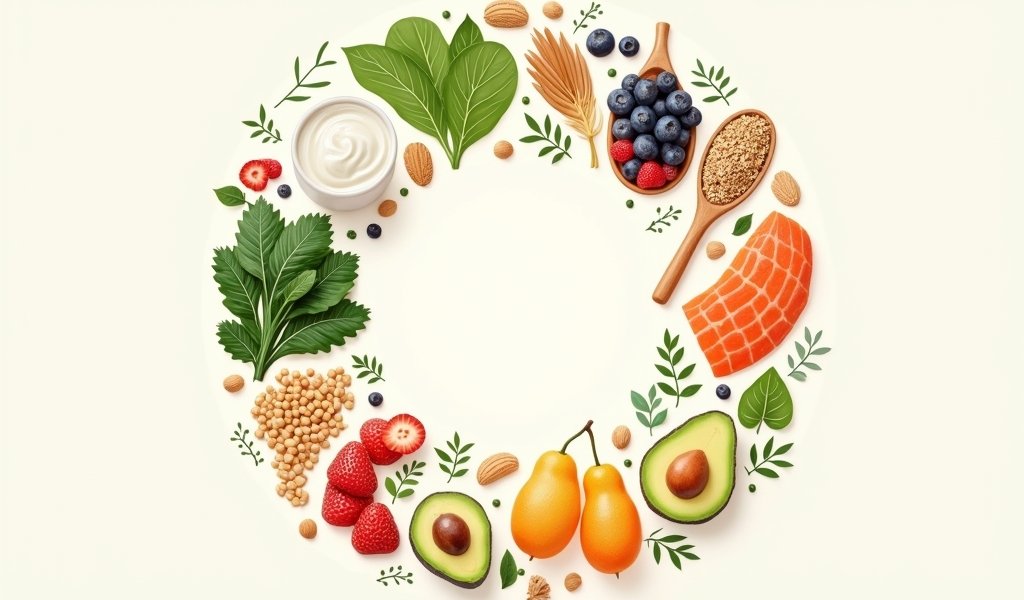
1 to 3 Month Pregnancy Diet Chart
Creating a flexible 1 to 3 month pregnancy diet chart helps ensure you’re getting proper nutrition even when dealing with first-trimester challenges. This sample meal plan incorporates essential nutrients while considering common early pregnancy symptoms.
Breakfast Options
- Oatmeal topped with berries, ground flaxseed, and a sprinkle of nuts or seeds
- Whole-grain toast with avocado and a soft-boiled egg
- Greek yogurt parfait with granola, fruit, and a drizzle of honey
- Smoothie with spinach, banana, berries, nut butter, and plant or dairy milk
- Vegetable omelet with whole grain toast and a side of fruit
Mid-Morning Snacks
- A handful of nuts and a small piece of fruit
- Whole-grain crackers with cheese
- Apple slices with almond butter
- Greek yogurt with a sprinkle of granola
- Hummus with vegetable sticks
Lunch Options
- Quinoa bowl with roasted vegetables, chickpeas, and tahini dressing
- Lentil soup with a side salad and whole-grain bread
- Sandwich on whole-grain bread with hummus, avocado, and plenty of vegetables
- Baked sweet potato topped with black beans, salsa, and a dollop of yogurt
- Grain salad with mixed greens, cherry tomatoes, cucumber, feta, and olive oil dressing
Afternoon Snacks
- Fruit and nut bar (look for minimal ingredients)
- Trail mix with dried fruit and nuts
- Cottage cheese with pineapple chunks
- Whole-grain toast with nut butter
- Roasted chickpeas or edamame
Dinner Options
- Baked salmon with quinoa and steamed broccoli
- Vegetable and bean chili with a side of cornbread
- Stir-fried tofu with vegetables and brown rice
- Whole-grain pasta with tomato sauce, vegetables, and lentils
- Roast chicken with sweet potato and steamed green beans
Evening Snacks (if needed)
- Small bowl of plain yogurt with a drizzle of honey
- Warm milk with cinnamon
- A small handful of nuts
- Banana with a teaspoon of nut butter
- Chamomile tea with a few whole-grain crackers
Remember, this 1 to 3 month pregnancy diet chart is meant to be flexible. You don’t need to follow it precisely – rather, use it as inspiration for creating meals that incorporate key nutrients while satisfying your personal preferences and managing any symptoms you might be experiencing.
If morning sickness makes certain foods unappealing, don’t force yourself to eat them. Instead, focus on getting nutrition when you can and make adjustments as needed. The whole food meal plan approach gives you plenty of room for adaptations based on how you’re feeling each day.
Meal Planning Tips for the First Trimester
Creating a functional meal plan during your first trimester requires some strategy, especially when dealing with changing appetite and possibly morning sickness. Here’s how to make your 1 to 3 month pregnancy diet chart work for your real life.
Prep when you feel good. Energy levels can fluctuate wildly during early pregnancy. On days when you feel well, consider batch cooking basics like brown rice, quinoa, or roasted vegetables that can be quickly assembled into meals later. Even washing and chopping vegetables ahead of time can make healthy eating more accessible when fatigue hits.
Keep emergency snacks everywhere. Stock your purse, car, desk drawer, and bedside table with nutritious, portable options like nuts, whole-grain crackers, and fruit. These can be lifesavers when hunger strikes suddenly or when you need something in your stomach before getting out of bed.
Embrace “good enough” nutrition. Some days, you might only tolerate bland foods like toast or crackers. That’s completely fine! According to Mayo Clinic experts, the goal is consistent nourishment, not perfection. When possible, boost nutrition by adding small amounts of protein or healthy fats to whatever you can tolerate.
Consider meal timing. Many women find that eating smaller, more frequent meals helps manage nausea and maintain energy. Try eating something every 2-3 hours rather than three large meals. Some women also discover that protein-rich bedtime snacks help minimize morning nausea.
Make smart substitutions. If certain healthy foods suddenly seem unappetizing, look for nutritional alternatives. Can’t stomach spinach? Try milder leafy greens. Dairy causing queasiness? Consider fortified non-dairy alternatives to get your calcium. The key is maintaining nutritional balance through flexibility.
Don’t overthink it. Creating a perfect 1 to 3 month pregnancy diet chart isn’t nearly as important as simply making nutritious choices most of the time. Focus on eating a variety of whole foods when you can, taking your prenatal vitamin consistently, and staying hydrated. Your body is remarkably good at extracting what it needs for your baby, even from an imperfect diet.
Dealing with Morning Sickness Through Diet
Morning sickness can make following any 1 to 3 month pregnancy diet chart challenging, to say the least. Despite its name, this nausea can strike at any time of day and varies tremendously in severity. While you can’t always eliminate it entirely, strategic eating can often help manage symptoms.
Start your day slowly. Keep simple, bland foods like plain crackers or dry toast on your nightstand and eat a few pieces before getting out of bed. This gives your stomach something to work on besides its own lining, which can reduce early morning queasiness.
Identify your triggers. Many pregnant women find that specific smells, tastes, or even textures can trigger nausea. Common culprits include coffee, fried foods, strong-smelling proteins, and heavily spiced dishes. Once you recognize your personal triggers, you can adapt your meal plan to avoid them temporarily.
Embrace what works. If you discover that only certain foods stay down reliably, it’s perfectly fine to eat those foods frequently during this challenging phase. What to Expect reassures that most cases of morning sickness improve by the second trimester, giving you plenty of time to diversify your diet later.
Consider temperature. Many women find that cold foods produce less aroma and are better tolerated than hot foods. Try fruit smoothies, chilled yogurt, or even cold sandwiches when warm meals seem overwhelming.
Separate eating and drinking. For some women, consuming liquids and solids at the same time increases nausea. Try drinking between meals instead of with them, while still ensuring you get enough fluids throughout the day.
Explore natural remedies. Ginger has research-backed anti-nausea properties and can be consumed as tea, chews, or even added to smoothies. Studies have shown that ginger can significantly reduce pregnancy-related nausea without safety concerns when used in reasonable amounts.
Remember that while maintaining good nutrition matters, the priority during severe morning sickness is simply getting through each day. If you’re struggling to keep anything down, speak with your healthcare provider about additional strategies or medication options that can help you stay nourished during this temporary but challenging phase.
Foods to Avoid During Early Pregnancy
While crafting your 1 to 3 month pregnancy diet chart, it’s equally important to know which foods to limit or avoid entirely. These restrictions help protect your developing baby from potential foodborne illnesses and other risks.
First, eliminate alcohol completely. No amount of alcohol has been proven safe during pregnancy, and exposure during the first trimester – when vital organs are forming – poses particular risks. This includes hidden alcohol in some desserts, sauces, and vinegars, so always check ingredients when dining out.
Limit caffeine to 200mg daily (roughly one 12oz cup of coffee). While complete elimination isn’t necessary for most women, excessive caffeine has been linked to increased miscarriage risk. Remember that caffeine hides in chocolate, tea, and some medications, so track your total intake.
Avoid unpasteurized dairy products, including soft cheeses like Brie, Camembert, blue cheese, and feta unless the label specifically states they’re made from pasteurized milk. These can harbor Listeria bacteria, which poses serious risks during pregnancy. Hard cheeses like cheddar and parmesan are generally safe alternatives.
Skip raw or undercooked animal products. This includes raw eggs (found in homemade mayonnaise, some dressings, and raw cookie dough), rare meat, sushi made with raw fish, and refrigerated smoked seafood. Thoroughly cook all animal products to kill potential bacteria.
Be selective about seafood. Avoid high-mercury fish including shark, swordfish, king mackerel, and tilefish completely. Instead, choose lower-mercury options like salmon, shrimp, pollock, and canned light tuna (limiting albacore tuna to 6 ounces weekly). The FDA provides comprehensive guidelines on safe fish consumption during pregnancy.
Wash all produce thoroughly to remove potential parasites and bacteria, especially on items you’ll eat raw. Consider skipping pre-prepared salads and raw sprouts entirely, as these carry higher contamination risks.
While creating your 1 to 3 month pregnancy diet chart, focus on the abundance of wonderful foods you can enjoy rather than feeling restricted. There are countless delicious and nutritious options that will nourish both you and your growing baby without compromising safety.
Staying Hydrated During Your First Trimester
Proper hydration is a crucial yet often overlooked component of any 1 to 3 month pregnancy diet chart. During pregnancy, your body needs additional fluids to support increased blood volume, amniotic fluid production, and efficient nutrient delivery to your developing baby.
Aim for approximately 8-10 cups (64-80 ounces) of fluid daily, with water being your primary source. This amount may need to increase in hot weather or if you’re physically active. Rather than trying to drink large quantities at once, sip consistently throughout the day to maintain steady hydration.
If plain water doesn’t appeal to you – which happens to many pregnant women due to changing taste preferences – try infusing it with fresh fruit, cucumber slices, or a splash of 100% juice. Sparkling water can also be a refreshing alternative if carbonation doesn’t trigger nausea.
Beyond water, milk and plant-based milk alternatives contribute to both hydration and nutrition, providing calcium and vitamin D. Fruit and vegetable juices can offer hydration along with vitamins, though it’s best to choose 100% juice varieties and limit quantities due to their natural sugar content.
Soups and broths deserve special mention in your 1 to 3 month pregnancy diet chart, as they provide both hydration and nutrients. A warming vegetable or bone broth can be particularly soothing when dealing with morning sickness while simultaneously contributing to your fluid needs.
Monitor your hydration status by checking your urine color – pale yellow indicates good hydration, while darker yellow suggests you need more fluids. Constipation, another common pregnancy complaint, often improves with adequate hydration combined with fiber-rich foods.
While focusing on what should I get to eat, don’t forget that proper hydration works hand-in-hand with nutrition to support your baby’s development and your own wellbeing during these critical first months.
Conclusion
Creating a thoughtful 1 to 3 month pregnancy diet chart isn’t about perfection – it’s about providing consistent nourishment during a critical developmental window for your baby. Throughout the first trimester, focus on incorporating nutrient-dense whole foods while making adjustments for the unique challenges this phase may bring.
Remember that your nutritional needs will evolve as your pregnancy progresses. What works during months 1-3 may need modification as you enter your second trimester. Stay flexible and continue learning about your changing nutritional requirements.
Most importantly, be gentle with yourself. Some days you’ll follow your ideal pregnancy diet perfectly, while other days might consist of whatever foods you can tolerate. Both scenarios are completely normal parts of the pregnancy journey.
Trust that your body has remarkable wisdom in nurturing your growing baby. By providing a variety of nutrients through whole foods most of the time, taking your prenatal vitamin consistently, and staying hydrated, you’re creating an excellent foundation for your baby’s growth and development.
This 1 to 3 month pregnancy diet chart offers guidelines, not rigid rules. Adapt it to suit your personal preferences, cultural traditions, and changing needs as you navigate these precious early months of pregnancy.
Frequently Asked Questions
Do I need to eat more calories during the first trimester?
No, your calorie needs don’t increase significantly during the first trimester. Focus instead on the quality of nutrients rather than quantity of food.
Can I continue my vegetarian or vegan diet during early pregnancy?
Yes, but pay special attention to getting adequate protein, iron, vitamin B12, and omega-3 fatty acids. Consult with your healthcare provider about appropriate supplementation if needed.
How can I get enough folate if I can’t tolerate leafy greens?
Your prenatal vitamin provides a base level of folic acid. Additionally, try fortified cereals, oranges, avocados, and beans which are also good sources.
Is it okay if I can only eat a limited variety of foods due to morning sickness?
Yes, during severe morning sickness, focus on what you can keep down rather than perfect nutrition. Most women find their food tolerance improves by the second trimester.
How do I know if I’m getting enough nutrients despite food aversions?
Taking your prenatal vitamin consistently helps fill nutritional gaps. If you’re concerned about severe food limitations, discuss with your healthcare provider who might recommend additional testing or supplements.