

Overview
This article provides practical guidance on balanced daily nutrition, offering specific meal ideas for breakfast, lunch, dinner, and snacks that combine proteins, healthy fats, and complex carbohydrates for optimal energy and health. Beyond food recommendations, it emphasizes the importance of proper hydration, strategic meal planning, and making sustainable nutritional choices that fit individual lifestyles rather than pursuing perfect eating patterns.
Table of Contents
- What to Eat Today: Finding Nutritional Balance
- Energizing Breakfast: Start Your Day Right
- Satisfying Lunch Options: Midday Fuel
- Nourishing Dinner Solutions: Evening Wellness
- Smart Snack Choices: Between-Meal Support
- Hydration Tips: Beyond Just Water
- Practical Meal Planning: Setting Yourself Up for Success
- Conclusion
- Frequently Asked Questions
What to Eat Today: Finding Nutritional Balance
Deciding what to eat today might seem like a simple task, but in our busy, information-saturated world, it’s become surprisingly complex. As a nutritionist with over a decade of clinical experience, I’ve seen firsthand how proper food choices transform lives. The right meals can energize your body, sharpen your mind, and even brighten your mood – all while supporting your long-term health goals.
Finding the sweet spot between nutritional science and practical everyday eating is my passion. Today, I’m sharing five evidence-based meal ideas that strike that perfect balance: they’re nutrient-dense, delicious, and – importantly – doable for real people with real lives. No obscure ingredients or complicated techniques required!
The meal combinations I’m recommending address what to eat today for optimal health while remaining flexible enough to adapt to your personal preferences and nutritional needs. According to Harvard Health, what we eat profoundly affects not just our physical health but our mental wellbeing too.
Let’s explore these meal options designed to nourish your body from morning until evening, with each selection carefully crafted to deliver maximum nutritional benefit while keeping preparation realistic. After all, the healthiest meal plan is the one you’ll actually follow!
Energizing Breakfast: Start Your Day Right
The morning rush often leads to breakfast becoming an afterthought, but this first meal sets your metabolic tone for the day. What to eat today for breakfast? Consider a protein-rich option that stabilizes blood sugar and provides lasting energy.
Greek yogurt parfait with berries and a sprinkle of nuts creates a perfect nutritional trifecta. The yogurt delivers protein (about 15-20g per serving), the berries provide antioxidants and fiber, while nuts add healthy fats and a satisfying crunch. This combination helps prevent the mid-morning energy crash that sends many of us reaching for sugar-laden snacks.
For those who prefer a warm breakfast, especially during cooler months, overnight oats offer wonderful versatility. Prepare them the night before by combining rolled oats with milk or a plant-based alternative, then add toppings in the morning. My patients often laugh when I call this “breakfast insurance” – but having it ready prevents the “I had no time” excuse!
Don’t forget that breakfast can include vegetables too. A veggie-packed omelet or scramble with a side of fitness bread provides excellent nutrition without excessive carbohydrates. Research from the International Journal of Food Sciences and Nutrition indicates that protein-rich breakfasts improve satiety and reduce unhealthy snacking throughout the day.
If traditional breakfast foods aren’t appealing, remember that rules are meant to be broken! Leftover dinner protein with vegetables makes an excellent morning meal. The goal is nutrient density and satisfaction, not adherence to arbitrary food categories.
Satisfying Lunch Options: Midday Fuel
When considering what to eat today for lunch, aim for options that provide sustained energy without causing the dreaded afternoon slump. The ideal lunch contains lean protein, complex carbohydrates, healthy fats, and plenty of vegetables – a combination that supports cognitive function during your productive hours.
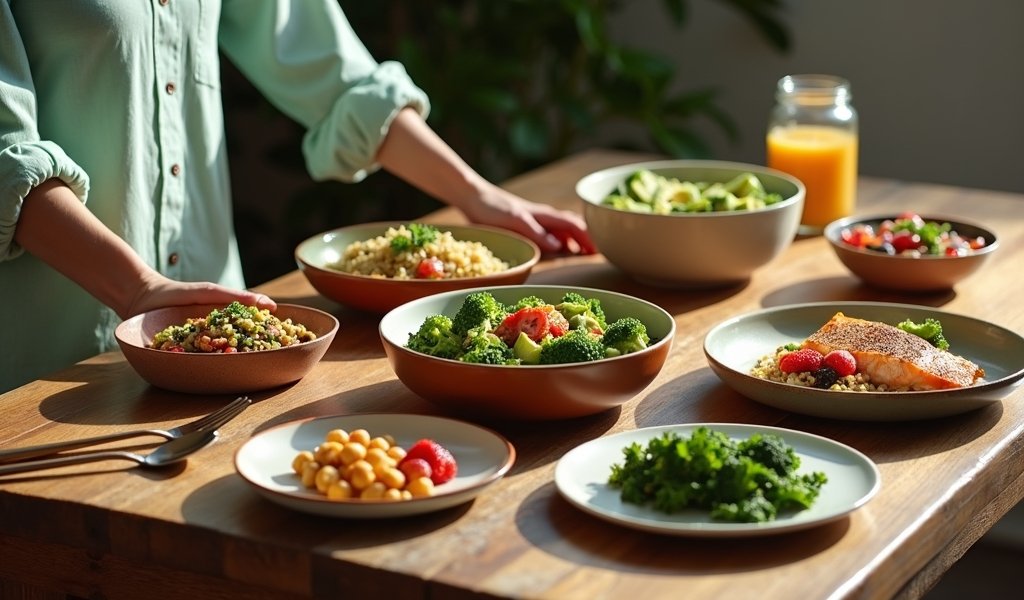
Build-your-own power bowls have revolutionized lunch for many of my clients. Start with a base of leafy greens or cooked whole grains (or a combination), add a palm-sized portion of protein, pile on colorful vegetables, incorporate a healthy fat source like avocado or olive oil, and finish with a flavorful sauce or dressing. The visual appeal of these vibrant bowls makes them as satisfying to look at as they are to eat.
For those who prefer portable options, consider upgraded sandwich alternatives. Lettuce wraps, collard green wraps, or high-quality whole grain wraps can transform a humble sandwich into a nutrient powerhouse. My favorite combination includes hummus, roasted vegetables, leafy greens, and a sprinkle of seeds – creating a plant-powered lunch that keeps me energized through afternoon meetings.
Batch-prepared soups and stews deserve special mention for their convenience and nutritional benefits. A hearty vegetable soup with beans or lentils provides fiber, protein, and complex carbohydrates while being incredibly cost-effective. As I often tell my more reluctant veggie eaters: “Soup is where vegetables go undercover” – making it perfect for those still developing their vegetable appreciation!
Research from the journal Nutrients confirms that balanced lunches containing adequate protein and fiber improve afternoon cognitive performance and mood – a compelling reason to put thought into your midday meal.
Nourishing Dinner Solutions: Evening Wellness
Evening meals offer an opportunity to refuel and repair after the day’s activities. When considering what to eat today for dinner, focus on balanced nutrition while being mindful of timing and portion size to support quality sleep.
Sheet pan dinners have become my go-to recommendation for busy professionals and parents. Simply arrange protein (like chicken, fish, tofu, or tempeh) alongside vegetables on a baking sheet, season everything with herbs and a drizzle of olive oil, then roast until done. The beauty lies in the minimal cleanup and hands-off cooking time that allows you to attend to other evening activities.
For plant-based dinner options, bean-based dishes provide exceptional nutrition. A colorful vegetable and bean chili, for instance, delivers protein, fiber, and a wealth of phytonutrients. Top with a small amount of avocado for healthy fats that enhance the absorption of fat-soluble vitamins. One client jokingly calls this her “insurance policy meal” because it covers so many nutritional bases in one pot!
Fish deserves a special mention for evening meals. Fatty fish like salmon, mackerel, or sardines provide omega-3 fatty acids that support brain health, mood regulation, and inflammatory response. Pair with roasted vegetables and a whole grain like quinoa or farro for a dinner that satisfies immediately and supports your health long-term.
While dinner traditions often center around larger portions, research suggests that lighter evening meals may improve sleep quality. According to sleep specialists at The Sleep Foundation, finishing dinner at least 2-3 hours before bedtime allows for better digestion and may improve sleep architecture.
Smart Snack Choices: Between-Meal Support
Strategic snacking can bridge nutritional gaps and prevent extreme hunger that leads to poor food choices. When deciding what to eat today between meals, look for snack combinations that pair protein or fat with complex carbohydrates for sustained energy.
Apple slices with almond butter create a perfect sweet-savory combination that satisfies cravings while delivering fiber, healthy fats, and a modest protein boost. The natural sugars in the apple provide quick energy, while the fat and protein in the nut butter slow digestion, preventing blood sugar spikes and crashes.
For those who prefer savory options, vegetable sticks with hummus offer crunch, fiber, and protein. Red bell peppers, cucumber, carrots, and celery create a colorful array that’s as visually appealing as it is nutritious. I recommend preparing these in small containers at the beginning of the week for grab-and-go convenience – what I call “snack insurance” for busy days.
Greek yogurt with a small amount of granola provides probiotics, protein, and texture contrast. This combination works equally well as a mid-morning snack or evening dessert alternative. For added nutritional benefits, top with berries or pomegranate arils for antioxidant power.
Hard-boiled eggs deserve honorable mention as portable protein packages. Pair with cherry tomatoes or a piece of fruit for a complete snack. I find many clients initially resist this option as “too simple” until they experience how satisfying it can be during a busy day!
When examining snacking patterns, researchers from the International Journal of Environmental Research and Public Health found that planned, nutrient-dense snacks support weight management and stable energy levels throughout the day.

Hydration Tips: Beyond Just Water
While focusing on what to eat today, don’t overlook the crucial role of hydration. Proper fluid intake supports every bodily function from cognitive performance to digestion and temperature regulation.
Plain water remains the gold standard for hydration, but for those who struggle to drink enough, infused waters offer a flavorful alternative without added sugars. Combinations like cucumber-mint, strawberry-basil, or citrus-rosemary transform plain water into a refreshing beverage that encourages consistent sipping throughout the day.
Herbal teas provide another excellent hydration option with additional health benefits. Peppermint tea supports digestion, chamomile promotes relaxation, and ginger tea offers anti-inflammatory properties. Hot or iced, these beverages count toward your daily fluid needs while providing gentle botanical support.
Remember that many fruits and vegetables contribute significantly to hydration status. Cucumber, watermelon, strawberries, and oranges contain over 90% water by weight, making them delicious ways to boost hydration while adding valuable nutrients. I often suggest keeping a container of watermelon chunks in the refrigerator as “hydration insurance” during summer months.
For those engaged in longer or more intense exercise, electrolyte balance becomes important. Rather than commercial sports drinks loaded with artificial ingredients, consider natural alternatives like coconut water or homemade electrolyte drinks using citrus juice, a pinch of salt, and a small amount of honey or maple syrup.
Hydration needs vary based on body size, activity level, and environmental conditions, but research from the National Institutes of Health suggests that even mild dehydration impairs cognitive function and mood – compelling reasons to prioritize fluid intake alongside food choices.
Practical Meal Planning: Setting Yourself Up for Success
Knowing what to eat today becomes significantly easier with strategic planning. Even minimal preparation can dramatically improve your nutritional choices while reducing stress around mealtime decisions.
Weekend batch cooking provides a foundation for weekday meals. Preparing versatile components like roasted vegetables, cooked whole grains, and protein options allows for quick meal assembly during busy days. I call this the “mix and match” approach – with three proteins, three vegetable preparations, and two grain options, you can create different combinations throughout the week to prevent menu fatigue.
Strategic use of convenience foods can support healthy eating without excessive preparation time. Pre-washed salad greens, frozen vegetables, canned beans (rinsed to reduce sodium), and pre-cut fruit make nutritious choices more accessible on demanding days. Remember, perfect shouldn’t be the enemy of good when it comes to nourishing your body.
Consider the “cook once, eat twice” principle. When preparing dinner, make extra portions of components that can be repurposed for lunch the following day. For example, tonight’s roasted chicken and vegetables can become tomorrow’s lunchtime wrap or salad topping. This approach saves time while ensuring consistently nutritious options.
For those truly pressed for time, remember that simple meals can be nutritionally complete. A quality whole grain bread topped with mashed avocado and a boiled egg delivers fiber, healthy fats, and protein in minutes. One client laughingly refers to this as her “emergency nutrition protocol” – but it works!
Setting up environmental cues supports consistent healthy choices. Keep fruit visible on your counter, store cut vegetables at eye level in your refrigerator, and position less nutritious options in less accessible locations. These subtle adjustments leverage behavioral psychology to make nutritious choices the path of least resistance.
Conclusion
Deciding what to eat today doesn’t need to be complicated or overwhelming. By focusing on balanced meals that combine protein, healthy fats, complex carbohydrates, and abundant vegetables, you create a framework for nutritional success that adapts to your preferences and lifestyle.
The five meal patterns we’ve explored – protein-rich breakfasts, nutrient-dense lunch bowls, simplified sheet pan dinners, strategic snack combinations, and proper hydration – provide a flexible approach to daily nutrition that supports both immediate wellbeing and long-term health goals.
Remember that consistency matters more than perfection. Small, sustainable changes to your eating patterns yield greater benefits than dramatic overhauls that prove difficult to maintain. Be kind to yourself on this nutritional journey, celebrating progress rather than demanding perfection.
As you implement these recommendations for what to eat today, pay attention to how different foods affect your energy, mood, and satisfaction. Your body provides valuable feedback that helps personalize these general guidelines to your unique needs and preferences.
Nourishing your body well is one of the most powerful forms of self-care available. By making thoughtful choices about what to eat today, you’re investing not just in your present wellbeing but in your future health and vitality.
Frequently Asked Questions
What should I eat today if I’m trying to lose weight?
Focus on protein-rich meals with abundant non-starchy vegetables and moderate healthy fats. Create a slight caloric deficit while ensuring nutrient density and satisfaction.
What are the best foods to eat today for energy?
Complex carbohydrates paired with protein provide sustained energy without crashes. Good examples include oatmeal with nuts, whole grain toast with eggs, or quinoa bowls with lean protein.
What should I eat today if I have no appetite?
Choose nutrient-dense but lighter options like smoothies, bone broth, or yogurt with fruit. Small, frequent nutrient-rich snacks can provide essential nutrition until your appetite returns.
What’s the best meal to eat today after a workout?
Consume a combination of protein and carbohydrates within 30-60 minutes post-exercise. Greek yogurt with fruit, a protein shake with banana, or eggs with toast are excellent recovery options.
What should I eat today if I’m feeling sick?
Focus on hydration and easily digestible foods like broth-based soups, bananas, toast, and rice. These gentle options provide necessary nutrients without taxing your digestive system.
Pingback: 7 Proven Health & Fitness Benefits of a Minimalist Lifestyle - achievehealthgoals.com