

Overview
Turns out those “wisdom” teeth aren’t so wise after all, causing throbbing pain for about 85% of people who eventually need them removed. This article provides seven practical relief strategies for wisdom teeth pain—including OTC medications, cold compresses, saltwater rinses, and clove oil—while emphasizing the importance of seeking professional dental care for severe symptoms like persistent pain, swelling, fever, or difficulty swallowing.
Table of Contents
- Understanding Wisdom Teeth Pain
- What Causes Wisdom Teeth Pain
- Recognizing Wisdom Teeth Pain
- When to See a Dentist
- 7 Effective Relief Tips for Wisdom Teeth Pain
- Preventing Wisdom Teeth Complications
- Conclusion
- Frequently Asked Questions
Understanding Wisdom Teeth Pain
Wisdom teeth, or third molars, typically emerge between the ages of 17 and 25 – a time when we’re supposedly gaining wisdom in life, hence their name. For many of us, these late-blooming teeth bring nothing but trouble. With modern diets requiring less chewing power than our ancestors needed, these teeth have become more of an inconvenience than a necessity.
When wisdom teeth start making their presence known, the pain can range from a mild discomfort to debilitating agony that interferes with daily activities. According to the American Dental Association, about 85% of people eventually need to have their wisdom teeth removed because there simply isn’t enough room in their mouth.
If you’re currently experiencing that familiar throbbing at the back of your jaw or anticipating the eventual arrival of these troublesome teeth, you’re not alone. Wisdom teeth pain affects millions of Americans each year, transforming simple pleasures like eating into uncomfortable experiences.
Understanding what wisdom teeth pain feels like, what causes it, and how to find relief is essential knowledge for anyone with these dental latecomers. Let’s dive into what makes this particular type of dental pain unique and how you can manage it effectively through health and wellness strategies that actually work.
What Causes Wisdom Teeth Pain
Wisdom teeth pain isn’t just your mouth being dramatic – there are real biological reasons for your discomfort. The most common causes include:
Impaction
When there isn’t enough space in your jaw for wisdom teeth to emerge properly, they become “impacted.” These teeth might grow at an angle toward the second molars, toward the back of the mouth, or even sideways. This misalignment creates pressure against other teeth and surrounding bone, resulting in significant pain.
Research from the Journal of Clinical and Diagnostic Research shows that impacted wisdom teeth are the most common reason for extraction, affecting roughly 73% of young adults.
Partial Eruption and Pericoronitis
Sometimes wisdom teeth only partially emerge through the gums, creating a flap of gum tissue (operculum) that can trap food and bacteria. This often leads to pericoronitis – a painful inflammation and infection of this gum tissue. The area becomes red, swollen, and extremely tender to touch.
Overcrowding
As wisdom teeth push to emerge in an already full mouth, they can create pressure throughout your dental arch. This pressure might cause other teeth to shift, creating misalignment issues and a domino effect of discomfort throughout your mouth.
Understanding the specific cause of your wisdom teeth pain is crucial for determining the appropriate treatment approach. While temporary relief measures can help manage symptoms, addressing the underlying cause often requires professional dental intervention.
Recognizing Wisdom Teeth Pain
Wisdom teeth pain has a distinctive character that sets it apart from other dental discomfort. If you’re experiencing any of these telltale symptoms, your third molars might be to blame:
The Unique Sensation of Wisdom Teeth Pain
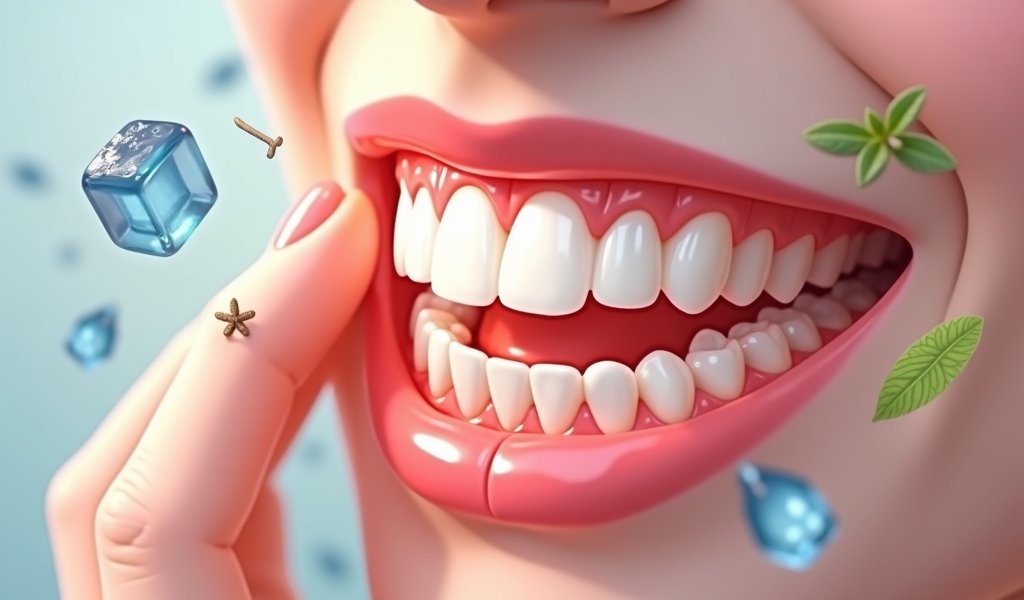
Unlike the sharp, immediate pain of a cavity, wisdom teeth pain typically manifests as a deep, persistent ache at the back of your jaw. Most people describe it as a throbbing, radiating discomfort that seems to pulsate with your heartbeat.
This pain often builds gradually over days, starting as a dull pressure before intensifying. The discomfort frequently extends beyond just the tooth itself, affecting the surrounding gums, nearby teeth, and sometimes radiating up toward your ear or along your jawline.
Common Accompanying Symptoms
- Red, swollen, or tender gums around the emerging tooth
- Visible flap of gum tissue partially covering the tooth
- Difficulty opening your mouth fully (trismus)
- Unpleasant taste or bad breath (signs of infection)
- Swelling in the cheek or jaw area
- Swollen lymph nodes in your neck
- Low-grade fever (in cases of infection)
- Headaches that seem to originate from jaw tension
One distinctive characteristic of wisdom teeth pain is its tendency to come and go in waves. You might experience several days of discomfort followed by temporary relief, only to have the pain return with renewed intensity weeks later as the tooth shifts position or inflammation flares up again.
Many patients also report that their wisdom teeth pain worsens at night. This often happens because when you’re lying down, increased blood flow to your head can intensify the throbbing sensation. Additionally, you have fewer distractions at night, making you more aware of the discomfort.
When to See a Dentist
While some mild discomfort during wisdom teeth eruption is normal, certain symptoms should prompt immediate professional attention. Understanding the difference between typical soreness and problematic pain could save you from serious complications.
Red Flags That Shouldn’t Be Ignored
Seek prompt dental care if you experience any of these warning signs:
- Severe, unrelenting pain that doesn’t respond to over-the-counter pain medications
- Facial swelling that progressively worsens over days
- Difficulty swallowing or breathing
- Fever above 100°F accompanied by wisdom tooth pain
- Pus discharge around the wisdom tooth
- Persistent bad taste even after rinsing and brushing
- Pain that persists for more than a week without improvement
These symptoms may indicate an infection called pericoronitis or an abscess, both of which require prompt treatment. According to dental experts at the Mayo Clinic, ignoring these signs can lead to more serious systemic infections that may spread to other parts of your body.
Normal Discomfort vs. Problematic Pain
How can you distinguish between expected eruption discomfort and problematic pain? Generally, normal wisdom teeth discomfort:
- Comes and goes in moderate waves
- Responds well to over-the-counter pain relief
- Gradually improves over days
- Doesn’t significantly interfere with eating or sleeping
In contrast, problematic wisdom tooth pain:
- Persists for more than a week without improvement
- Intensifies despite pain management efforts
- Disrupts daily activities, eating, or sleeping
- Is accompanied by other concerning symptoms like swelling or fever
Even if your current pain subsides, discussing your wisdom teeth with your dentist at your next regular checkup is worthwhile. Many dental professionals recommend preventive removal of problematic wisdom teeth before they cause significant issues, particularly when X-rays show they’re likely to cause problems down the road.

7 Effective Relief Tips for Wisdom Teeth Pain
While awaiting dental care, these proven strategies can provide significant relief from wisdom teeth discomfort:
1. Over-the-Counter Pain Medications
Anti-inflammatory medications like ibuprofen (Advil, Motrin) are particularly effective because they address both pain and the inflammation that often causes it.
For optimal relief:
- Take 400-600mg of ibuprofen every 6 hours (not exceeding 3200mg daily)
- Alternatively, use acetaminophen (Tylenol) according to package directions
- For enhanced relief, some dentists recommend alternating ibuprofen and acetaminophen
Remember that these medications provide temporary symptom relief but don’t address the underlying cause. If you need to take them continuously for more than a few days, consult a dental professional.
2. Cold Compress Application
Cold therapy works wonders for reducing inflammation and numbing discomfort, especially with wisdom teeth pain.
For effective relief:
- Wrap an ice pack or bag of frozen vegetables in a thin towel
- Apply to the outside of your face where pain is located
- Maintain for 20 minutes, then remove for at least 20 minutes
- Repeat this cycle several times per day
The cold constricts blood vessels, reducing swelling while temporarily numbing nerve endings. Never apply ice directly to your skin, and don’t exceed 20 minutes per application to prevent tissue damage.
3. Saltwater Rinses
Saltwater rinses provide temporary pain relief while helping reduce bacteria in the affected area, potentially preventing infection – making them a go-to recommendation from dental professionals.
Create an effective solution by:
- Dissolving ½ teaspoon of sea salt or table salt in 8 ounces of warm water
- Taking a good-sized mouthful and gently swishing for 30-60 seconds
- Focusing on directing the solution toward the painful area
- Spitting out completely (don’t swallow)
Repeat 3-4 times daily, especially after meals. Salt creates an environment where bacteria struggle to survive, while warm water increases circulation to the area, promoting healing.
4. Clove Oil Application
Clove oil contains eugenol, a natural anesthetic with impressive anti-inflammatory properties. A study published in the Journal of Dentistry found eugenol to be as effective as benzocaine for topical pain relief.
For safe application:
- Dilute 2-3 drops of clove oil with a teaspoon of olive or coconut oil
- Dip a clean cotton ball or swab into the mixture
- Gently apply directly to the painful area
- Reapply as needed, but not more than 2-3 times daily
While natural remedies can provide temporary relief, they shouldn’t replace proper dental care, especially if an infection is present.
5. Soft Food Diet
When wisdom teeth are causing discomfort, each bite can aggravate the sensitive area. Modifying your diet can significantly reduce irritation while ensuring you stay properly nourished.
Foods to embrace:
- Yogurt, smoothies, and protein shakes
- Mashed potatoes, applesauce, and pureed soups
- Scrambled eggs and soft cheeses
- Well-cooked pasta and soft bread
- Ice cream and pudding (the cold can even help reduce swelling)
Foods to avoid:
- Crunchy or hard foods (chips, nuts, raw vegetables)
- Chewy items that require significant jaw movement
- Very spicy or acidic foods that could irritate the area
- Small seeds or grains that could get trapped
- Extremely hot foods that might increase inflammation
Consider eating smaller, more frequent meals to reduce jaw fatigue and discomfort associated with longer eating sessions. Staying well-nourished supports your body’s natural healing processes and helps maintain your energy while dealing with pain.
6. Gentle Oral Hygiene
Maintaining cleanliness around erupting wisdom teeth is crucial for preventing infection, yet challenging due to their location and the associated pain. Adapting your health and wellness products and techniques is essential.
Try these gentle approaches:
- Use an ultra-soft toothbrush or single-tufted brush for better access
- Consider an antimicrobial mouth rinse (alcohol-free to avoid irritation)
- Try an irrigation device on the lowest setting to flush out food particles
- Use waxed floss to avoid shredding between tight teeth
For areas too painful to brush normally, try dipping a cotton swab in alcohol-free mouthwash and gently cleaning around the erupting tooth. While you may need to be gentler than usual, skipping cleaning altogether can lead to infection that worsens your pain.
7. Numbing Gels
Over-the-counter oral numbing gels containing benzocaine can provide quick, targeted relief for wisdom teeth pain.
For effective use:
- Dry the painful area with a clean tissue
- Apply a small amount of gel directly to the affected area
- Avoid eating or drinking for at least 30 minutes after application
- Don’t use more frequently than directed on the packaging
While these products provide fast relief, their effects are typically short-lived (30-60 minutes). They’re best used for temporary comfort while waiting for other remedies to take effect or before meals to make eating more comfortable.
Preventing Wisdom Teeth Complications
While you can’t prevent wisdom teeth from developing, you can take proactive steps to minimize complications and catch potential problems early:
Regular Dental Check-ups
Maintaining regular dental visits allows your dentist to monitor wisdom teeth development through X-rays before symptoms even begin. Early identification of potentially problematic wisdom teeth gives you more treatment options and often leads to simpler procedures.
Most dental professionals recommend panoramic X-rays around age 16-18 to assess wisdom tooth position and development. This proactive approach allows for strategic planning rather than emergency intervention.
Thorough Oral Hygiene
Even when wisdom teeth are causing discomfort, maintaining excellent oral hygiene is crucial. Bacteria build-up around partially erupted wisdom teeth is a primary cause of pain and infection.
Focus particular attention on the back areas of your mouth, using all the gentle cleaning techniques mentioned earlier. Consider adding an antimicrobial mouthwash to your routine to help control bacteria in hard-to-reach areas.
Early Intervention
Don’t wait until wisdom teeth pain becomes unbearable before seeking professional advice. Consulting with your dentist at the first sign of discomfort can prevent more serious complications and often results in easier treatment experiences.
Many dental professionals now recommend preventive removal of wisdom teeth that show signs of potential problems, even before they cause symptoms. This approach is typically based on X-ray findings that indicate the teeth are impacted or likely to cause issues as they continue developing.
Conclusion
Wisdom teeth pain is a unique discomfort that combines throbbing pressure, radiating ache, and sometimes intense sensitivity. While it’s a common dental experience, you don’t have to suffer through it without relief. The seven strategies outlined in this article can help manage your discomfort effectively while you arrange for proper dental care.
Remember that while these remedies can provide temporary relief, persistent or severe wisdom teeth pain often indicates a problem that requires professional attention. Early intervention typically leads to easier treatment and faster recovery. Listen to your body – if home remedies aren’t providing adequate relief or if symptoms are worsening, don’t hesitate to contact your dentist.
By understanding the unique nature of wisdom teeth pain and knowing how to address it appropriately, you can navigate this common dental milestone with greater comfort and confidence. Your oral health is too important to ignore – take these steps to care for your wisdom teeth properly, whether that means managing temporary discomfort or discussing removal options with your dental professional.
Frequently Asked Questions
How long does wisdom teeth pain typically last?
Typical wisdom teeth pain may last 3-7 days as the tooth erupts, then subside temporarily. Without treatment, pain often returns in cycles as the tooth continues attempting to emerge.
Can wisdom teeth pain go away on its own permanently?
Wisdom teeth pain rarely resolves permanently without intervention if the teeth are impacted or there isn’t adequate space. In rare cases where there’s sufficient room for proper eruption, the pain may eventually stop once the teeth fully emerge.
Does wisdom teeth pain feel different from regular toothache?
Yes, wisdom teeth pain typically manifests as a deep, throbbing ache at the back of the jaw that may radiate to surrounding areas. Unlike cavity pain, it often comes in waves and isn’t consistently triggered by hot, cold, or sweet stimuli.
Can I prevent wisdom teeth from becoming painful?
You can’t prevent wisdom teeth development, but regular dental check-ups allow early detection of potential problems. Maintaining excellent oral hygiene, especially around partially erupted wisdom teeth, can help prevent infection-related pain.
Is wisdom teeth removal always necessary?
No, removal isn’t always necessary if wisdom teeth fully erupt in proper alignment, have adequate space, and can be kept clean. However, about 85% of people eventually need at least one wisdom tooth removed due to pain, infection, crowding, or damage to adjacent teeth.