
Overview
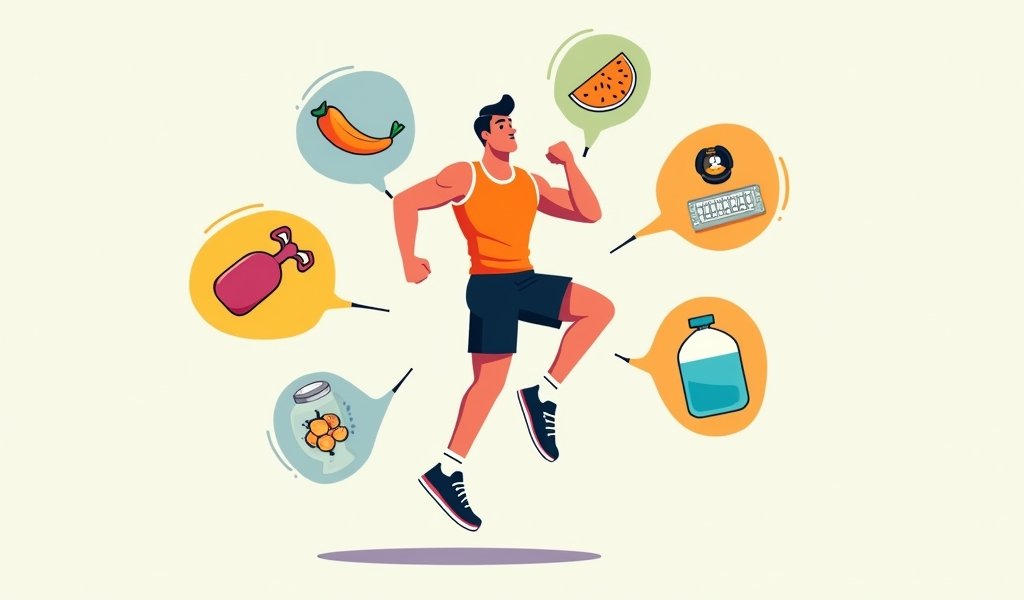
Forget miracle diets and trendy fitness fads—this article serves up seven evidence-based health strategies that actually work while your Instagram influencer is still trying to sell you detox tea. The key pillars include nutrition as your foundation, strength training for longevity, cardiovascular consistency, sleep optimization, habit building, community support, and mental fitness—all working together to create sustainable health transformation through daily habits rather than occasional heroic efforts.
Table of Contents
- Introduction
- Nutrition as Your Foundation
- Strength Training for Longevity
- Consistent Cardiovascular Health
- Recovery and Sleep Optimization
- Habit Stacking for Sustainability
- Community and Accountability
- Mindset and Mental Fitness
- Conclusion
- Frequently Asked Questions
Introduction
In today’s world of conflicting health information and endless fitness fads, finding evidence-based strategies that actually work can feel overwhelming. Between sedentary lifestyles, processed food convenience, and busy schedules, maintaining optimal health often seems like an unattainable goal.
Yet beneath the noise of miracle solutions and quick-fix promises lies a foundation of scientifically-validated approaches that deliver consistent results. As a health professional with over a decade of experience helping clients transform their wellbeing, I’ve identified seven research-backed strategies that form the cornerstone of sustainable health and fitness.
These aren’t trendy techniques that will disappear next season – they’re timeless principles supported by robust scientific evidence. Whether you’re just beginning your health journey or looking to optimize your current routine, these strategies provide a comprehensive framework for lasting success.
Nutrition as Your Foundation
The saying “you can’t outrun a bad diet” exists for good reason. Research consistently shows that nutritional habits account for approximately 70-80% of your health outcomes, while exercise contributes the remaining portion. According to a comprehensive review in the Journal of the International Society of Sports Nutrition, dietary patterns consistently outweigh exercise interventions for weight management and metabolic health.
The most effective nutritional approach? Focus on whole, minimally processed foods. A landmark study published in The Lancet demonstrated that diets rich in unprocessed foods significantly reduce risk factors for major chronic diseases including cardiovascular disease, diabetes, and certain cancers.
Practical implementation starts with these science-backed strategies:
- Prioritize protein with each meal (aim for 0.8-1g per pound of lean body weight daily)
- Fill half your plate with colorful vegetables and fruits
- Choose whole grains over refined carbohydrates
- Include healthy fats from sources like avocados, nuts, and olive oil
- Stay hydrated – research from the University of Connecticut found that even mild dehydration impacts energy levels and cognitive performance
Remember that the perfect diet is the one you’ll actually follow consistently. Research shows that adherence matters more than which particular eating pattern you choose, provided it includes adequate nutrition and works for your lifestyle. Finding high-volume, low-calorie foods can help you feel satisfied while maintaining appropriate energy intake.

Strength Training for Longevity
Strength training extends far beyond aesthetic benefits – it’s a fundamental component of healthspan and longevity. A 15-year longitudinal study from the Mayo Clinic found that individuals who maintained muscle mass through resistance training had significantly lower all-cause mortality compared to their non-training counterparts.
The physiological benefits are extensive and well-documented:
- Increased bone mineral density, reducing osteoporosis risk
- Enhanced metabolic function and improved insulin sensitivity
- Better functional capacity and reduced fall risk, particularly important as we age
- Improved body composition and metabolic rate through muscle preservation
Contrary to common belief, effective strength training doesn’t require excessive time commitments. Research published in the Journal of Strength and Conditioning Research found that training each major muscle group twice weekly for 30-45 minutes per session provides optimal results for most individuals.
The key principle that drives progress is progressive overload – gradually increasing the demand on your musculoskeletal system over time. This can be accomplished by increasing weight, repetitions, improving technique, or reducing rest intervals between sets.
Starting in our 30s, we naturally lose 3-5% of muscle mass per decade without intervention. However, research from Tufts University demonstrates that individuals of all ages – even those in their 90s – can increase strength and muscle mass with appropriate resistance training protocols.
Consistent Cardiovascular Health
Cardiovascular exercise delivers profound benefits for heart health, metabolic function, and overall longevity. The optimal approach likely involves incorporating both high-intensity interval training (HIIT) and moderate-intensity continuous training (MICT).
A meta-analysis of 33 studies published in the British Journal of Sports Medicine found that HIIT produced similar cardiovascular benefits to traditional steady-state cardio in less than half the time commitment. This time-efficiency makes HIIT particularly valuable for individuals with busy schedules.
However, steady-state cardiovascular training – like a 30-minute jog or cycling session at moderate intensity – builds aerobic capacity excellently and may be more sustainable for many people, especially beginners.
The American Heart Association and the American College of Sports Medicine recommend 150 minutes of moderate-intensity aerobic activity or 75 minutes of vigorous activity weekly, preferably spread throughout the week. But the critical factor for long-term adherence is finding activities you genuinely enjoy.
Finding your cardiovascular exercise “sweet spot” means balancing:
- Activities you look forward to rather than dread
- Appropriate intensity for your fitness level
- Sustainable frequency that fits your lifestyle
- Variety to prevent physiological adaptation and psychological boredom
Remember that all forms of movement count – walking, hiking, dancing, swimming, cycling, or even active gardening. Research from the University of Sydney found that replacing just 30 minutes of sitting with any form of physical activity reduced all-cause mortality by 35%.
Recovery and Sleep Optimization
Exercise creates the stimulus for improvement, but recovery is when adaptation actually occurs. Without adequate recovery, your fitness progress stalls and injury risk increases significantly.
Sleep quality sits firmly at the top of the recovery hierarchy. Research published in the Sleep Journal demonstrated that just one week of insufficient sleep (less than 7 hours per night) significantly impaired glucose metabolism, hormonal balance, and cognitive function.
During deep sleep stages, your body releases growth hormone, repairs tissues, consolidates memory, and regulates various metabolic processes essential for health and performance.
Evidence-based sleep optimization strategies include:
- Maintain consistent sleep and wake times (even on weekends)
- Create an optimal sleep environment: cool (65-68°F), completely dark, and quiet
- Limit blue light exposure 1-2 hours before bedtime
- Consider relaxation techniques like reading, gentle stretching, or meditation before sleep
Beyond sleep, active recovery techniques support optimal adaptation. Research from the University of Queensland found that light activity between training sessions accelerates recovery through enhanced blood flow and reduced inflammation.
Stress management also plays a crucial role in recovery. Chronic stress elevates cortisol levels, which can interfere with tissue repair, promote fat storage, and sabotage your best efforts. Harvard researchers have demonstrated clear connections between stress reduction practices and improved health outcomes.

Habit Stacking for Sustainability
Sustainable health transformation comes through systems and environments that make success almost inevitable, not through motivation alone. Behavior science offers powerful insights for creating lasting change.
Habit stacking, a concept popularized by James Clear in his book “Atomic Habits,” involves attaching new behaviors to existing habits. This approach leverages neural pathways already established in the brain, making new habit formation more efficient.
Research from the European Journal of Social Psychology indicates that habit formation typically takes anywhere from 18 to 254 days, with an average of 66 days for a behavior to become automatic. Starting with small, manageable changes reduces internal resistance and builds momentum for larger changes.
Environmental design proves more powerful than willpower for long-term success. A Cornell University study found that people who kept fruit visible in their homes weighed an average of 13 pounds less than those who stored processed snack foods visibly. Your surroundings shape your behavior more profoundly than most people realize.
When tracking progress, look beyond the scale. Consider multiple metrics:
- Energy levels throughout the day
- Sleep quality and recovery
- Strength and endurance improvements
- Clothing fit and body composition changes
- Clinical markers like blood pressure or cholesterol
- Mood, mental clarity, and stress resilience
These diverse measurements provide a more complete picture of your health journey and maintain motivation when weight fluctuates. Finding ways to make healthy eating simpler, like discovering foods that have virtually no calories, can support your overall nutrition strategy.
Community and Accountability
The power of social connection in health transformation cannot be overstated. A groundbreaking study published in the Journal of Consulting and Clinical Psychology found that participants with accountability partners were 95% more likely to complete health improvement programs compared to those attempting change alone.
This “social contagion effect” extends to numerous health behaviors – research shows we tend to adopt the dietary patterns, physical activity levels, and even weight status of those closest to us.
Finding your “fitness tribe” provides multiple evidence-based benefits:
- Shared knowledge and resources
- Emotional support during inevitable challenges
- Celebration of victories (no matter how small)
- Friendly competition that elevates performance
- Reduced attrition through group commitment
This community might take various forms: an in-person training group, online fitness communities, a dedicated workout partner, or a professional coach. The key is finding the right balance of support and autonomy for your personal preferences.
Technology has made finding community easier than ever. Fitness tracking apps with social features create virtual communities around shared experiences, while platforms like Strava combine performance tracking with social connection.
Professional coaching accelerates results through expert guidance, customized programming, and accountability. A systematic review in the International Journal of Behavioral Nutrition and Physical Activity found that professional coaching significantly improved adherence and outcomes compared to self-directed programs.
Mindset and Mental Fitness
Perhaps the most underappreciated component of health transformation is psychological readiness and mental resilience. The research of Stanford psychologist Carol Dweck on growth mindset has profound implications for fitness success.
Those with a fixed mindset view abilities as static traits (“I’m just not athletic”), while those with a growth mindset see challenges as opportunities for development (“I can improve with consistent practice”). Research shows that individuals with growth mindsets are more likely to persist through difficulties and ultimately achieve their goals.
Common psychological barriers include perfectionism, all-or-nothing thinking, and outcome fixation rather than process focus. Cognitive behavioral techniques can help reframe these thought patterns into more productive mindsets.
Visualization techniques, long used by elite athletes, have substantial scientific validation. A meta-analysis in the Journal of Applied Sport Psychology found that mental practice produced significant performance improvements across various physical tasks.
For sustained motivation, connecting health behaviors to deeper values proves more effective than external motivators. Research from the University of Rochester found that intrinsic motivators (like improving health, enjoying movement, or setting a positive example) predicted better adherence than extrinsic motivators (like appearance or external validation).
Finding the right approach that aligns with your needs and preferences is essential. Some individuals may benefit from exploring science-backed diet approaches that match their specific goals and physiology.
Conclusion
These seven evidence-based strategies – proper nutrition, strength training, cardiovascular consistency, recovery optimization, habit development, social support, and mental fitness – provide a comprehensive framework for sustainable health transformation.
Unlike trendy approaches that promise quick results but deliver disappointment, these core principles have withstood rigorous scientific scrutiny and real-world application. They may not generate flashy headlines, but they consistently produce meaningful, lasting results.
Remember that health improvement follows a non-linear path – progress rarely happens in a straight line. Expect natural variations, plateaus, and occasional setbacks as normal parts of the journey. The goal isn’t perfection but consistent progression in the right direction.
Start by selecting one or two strategies that offer the greatest potential benefit for your current situation, then gradually incorporate others as these initial changes become habitual. Small, consistent actions compound dramatically over time – the transformation you seek happens through daily choices rather than occasional heroic efforts.
Your future self is already grateful for the investment you’re making today. The evidence is clear: these strategies work if you implement them consistently. The only question remaining is which one you’ll begin with.
Frequently Asked Questions
Which of the seven strategies should I implement first?
Start with nutrition fundamentals and sleep optimization, as these provide the foundation for all other health improvements. These two areas typically offer the most significant return on investment for most individuals.
How quickly will I see results from these strategies?
Some benefits like improved energy and mood may appear within days, while physical changes typically become noticeable within 4-8 weeks of consistent implementation. Long-term health improvements continue to accumulate over months and years.
Do I need to go to a gym to implement these strategies?
No, these principles can be applied in any environment, including home workouts, bodyweight training, and outdoor activities. The key is consistency and progressive challenge, not specific equipment or locations.
How much time do I need to commit to see meaningful health improvements?
Research indicates that 150 minutes of moderate exercise weekly plus resistance training 2-3 times per week provides most health benefits. This can be broken into small segments throughout the week to fit your schedule.
Will these strategies work for everyone regardless of age or fitness level?
Yes, these principles apply universally, though specific implementation may vary based on individual circumstances and needs. The research shows benefits across all age groups, from adolescents to nonagenarians.