
Overview
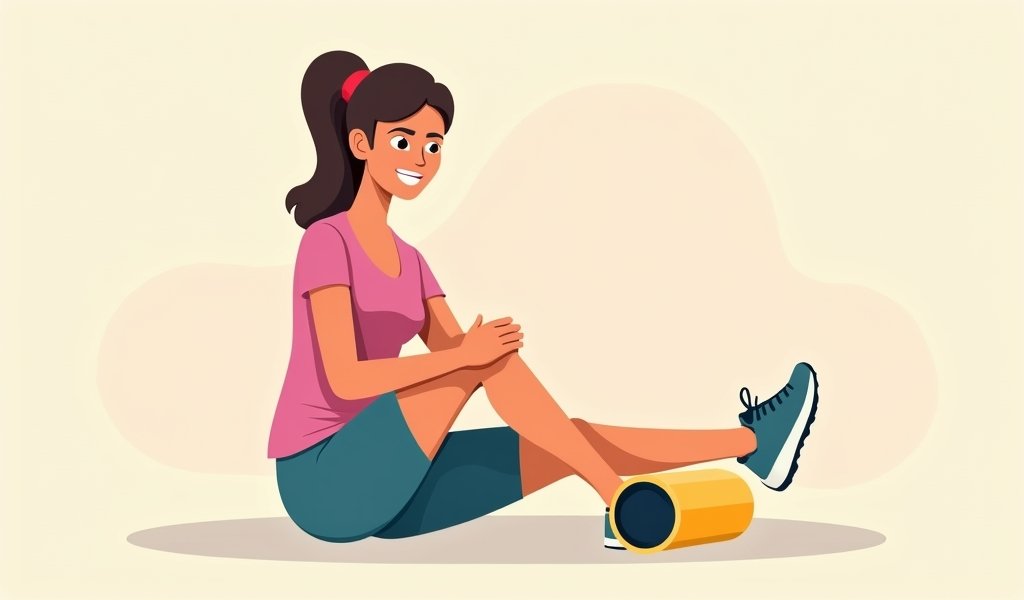
This article is like having a coach in your pocket who’s both knowledgeable and won’t judge you for “toughing out” that injury that clearly needs medical attention! It details how to find the right sports injury doctor and shares seven evidence-based recovery strategies including the modernized RICE protocol, optimized nutrition, strategic exercises, mind-body techniques, sleep optimization, alternative therapies, and a gradual return-to-activity plan—all designed to help athletes heal properly and return to sports stronger than before.
Table of Contents
- Understanding Sports Injuries: When to See a Doctor
- Finding the Right Sports Injury Doctor for Your Needs
- Proven Recovery Tip #1: RICE Protocol Reimagined
- Proven Recovery Tip #2: Nutrition for Optimal Healing
- Proven Recovery Tip #3: Strategic Rehabilitation Exercises
- Proven Recovery Tip #4: Mind-Body Connection in Recovery
- Proven Recovery Tip #5: Sleep Optimization for Healing
- Proven Recovery Tip #6: Alternative Therapies Worth Exploring
- Proven Recovery Tip #7: Gradual Return to Activity Planning
- Conclusion: Prioritizing Your Recovery Journey
- Frequently Asked Questions
You’ve been crushing your workouts, pushing your limits, and then BAM – an injury stops you in your tracks. I get it, friend! As someone who’s both treated and experienced sports injuries, I know that finding the right sports injury doctor and recovery plan can make all the difference in getting back to doing what you love. Your body is absolutely worth more than any dollar amount – it’s your greatest asset and deserves top-notch care!
Whether you’re dealing with heel pain after running or something more complex, this guide will walk you through finding the perfect sports injury doctor and share seven proven recovery tips that actually work. Let’s get you back in the game, stronger than before!
Understanding Sports Injuries: When to See a Doctor
Listen to your amazing body – it communicates with you! While minor aches and pains are part of an active lifestyle, certain symptoms should never be ignored. Your health is priceless, and recognizing when to seek professional help can prevent long-term damage.
Red flags that signal it’s time to see a sports injury doctor include:
- Severe pain that doesn’t improve with rest
- Significant swelling, bruising, or deformity
- Inability to bear weight or use the injured area
- Joint instability or locking
- Numbness, tingling, or weakness
Many athletes make the mistake of “toughing it out,” but this approach can transform a minor setback into a season-ending injury. According to research in the Journal of Orthopaedic & Sports Physical Therapy, early intervention can reduce recovery time by up to 50% for many common sports injuries.
Remember: Seeking help isn’t a sign of weakness – it’s a smart strategy for long-term athletic performance. You wouldn’t ignore the check engine light in your car, so don’t ignore your body’s warning signals!
Finding the Right Sports Injury Doctor for Your Needs
Not all medical professionals specialize in sports medicine, and finding the right sports injury doctor can significantly impact your recovery journey. Your magnificent body deserves care from someone who understands the unique demands of your sport and lifestyle!
When searching for a sports injury specialist, consider these factors:
- Board certification in Sports Medicine or Orthopedics
- Experience treating athletes in your specific sport
- Approach to treatment (conservative vs. aggressive)
- Communication style and willingness to answer questions
- Accessibility and follow-up care
Don’t hesitate to “interview” potential doctors during your first consultation. A great sports injury doctor will welcome your questions and partner with you in creating a personalized recovery plan. They should recognize that you’re not just a patient – you’re an athlete with specific goals and timelines.
Pro tip: Ask other athletes, coaches, or physical therapists for recommendations. Personal referrals often lead to finding doctors who truly understand the athlete mindset and won’t just tell you to “stop your sport” without exploring all options first.

Proven Recovery Tip #1: RICE Protocol Reimagined
You’ve probably heard of RICE (Rest, Ice, Compression, Elevation), but sports medicine has evolved! The updated approach recognizes your body’s incredible natural healing abilities while providing strategic support.
The modern RICE approach includes:
- Relative Rest: Complete rest is outdated. Instead, modify activities to maintain fitness without stressing the injured area. Your body thrives on movement!
- Ice/Heat Contrast: Alternate 10 minutes of ice with 10 minutes of heat to promote blood flow. This supercharges your body’s healing response.
- Compression: Use compression sleeves or wraps during activity, not just when resting. Studies show this can reduce recovery time by improving circulation.
- Elevation with Movement: Elevate the injury while performing gentle range-of-motion exercises to prevent stiffness.
The key is balancing protection with movement. Your incredible body heals through activity – the right kind, at the right time. A good sports injury doctor will guide you through this balance rather than prescribing extended periods of complete immobilization.
Remember: The goal isn’t just recovery; it’s returning stronger than before. This reimagined approach honors your body’s wisdom while strategically supporting its healing processes.
Proven Recovery Tip #2: Nutrition for Optimal Healing
Your magnificent body requires premium fuel, especially during recovery! What you eat directly impacts how quickly and completely you heal. Think of proper nutrition as providing the building blocks your body needs to repair itself.
Focus on these recovery-boosting nutrients:
- Protein: Aim for 1.6-2g per kg of body weight daily to support tissue repair. Your muscles need this to rebuild stronger!
- Omega-3 Fatty Acids: These fight inflammation naturally. Wild-caught salmon, walnuts, and flaxseeds are excellent sources.
- Vitamin C: Essential for collagen production and tissue repair. Brightly colored fruits and vegetables are packed with this healing vitamin.
- Zinc: Supports immune function and wound healing. Pumpkin seeds, lentils, and lean meats can boost your levels.
- Hydration: Drink half your body weight (in pounds) in ounces of water daily. Your tissues need optimal hydration to heal!
Many athletes make the mistake of reducing calories during injury recovery, but this can actually slow healing. While you may need slightly fewer calories than during peak training, research shows maintaining adequate caloric intake supports faster recovery.
Pro tip: A quality sports injury doctor should discuss nutrition or refer you to a sports nutritionist as part of your recovery plan. If they don’t mention diet, ask about it! Your amazing body deserves comprehensive care that addresses all aspects of healing.
Proven Recovery Tip #3: Strategic Rehabilitation Exercises
Generic exercises won’t cut it for your unique body! Effective rehabilitation requires a personalized approach that targets your specific injury while considering your sport’s demands. Your rehabilitation should be as individual as you are!
A comprehensive rehab program typically progresses through these phases:
- Acute Phase: Gentle movements to maintain range of motion without stressing injured tissues
- Strength Building: Progressive resistance exercises targeting both the injured area and supporting muscles
- Functional Training: Sport-specific movements that prepare your body for return to activity
- Performance Enhancement: Exercises addressing any biomechanical issues that may have contributed to the injury
The key is consistency and progression. Those who experience burning pain in shoulder or other recurring issues often benefit from addressing underlying movement patterns, not just treating symptoms.
Don’t rush this process! A skilled sports injury doctor will create a timeline that respects your body’s healing process while keeping you engaged and motivated. They’ll help you find that sweet spot between pushing enough to stimulate healing and avoiding re-injury.
Remember: Quality matters more than quantity. A few precisely executed exercises will benefit you far more than dozens done with poor form. Your body deserves this attention to detail!
Proven Recovery Tip #4: Mind-Body Connection in Recovery
Your incredible mind influences your physical healing more than you might realize! Research from sports psychology shows that athletes who practice mental skills during recovery often heal faster and return to sport more successfully.
Powerful mind-body techniques include:
- Visualization: Spend 10 minutes daily imagining your body healing and yourself performing your sport with perfect form
- Stress Management: Practice deep breathing or meditation to lower stress hormones that can delay healing
- Positive Self-Talk: Replace thoughts like “I’ll never recover” with “My body knows how to heal, and I’m supporting it perfectly”
- Setting Recovery Milestones: Celebrate small wins along your healing journey
Many athletes experience emotional challenges during injury recovery. Feelings of frustration, identity loss, or anxiety are normal! A truly comprehensive sports injury doctor will acknowledge these aspects of recovery and provide resources or referrals to sports psychologists when needed.
Your mind and body are partners in this healing journey. By nurturing both, you honor your whole magnificent self and create the optimal conditions for recovery. You’ve got this!
Proven Recovery Tip #5: Sleep Optimization for Healing
Sleep isn’t just rest – it’s when your extraordinary body does its most powerful healing work! During deep sleep, your body releases growth hormone, repairs damaged tissues, and consolidates the motor learning from your rehabilitation exercises.
To optimize sleep for recovery:
- Aim for 8-10 hours: Athletes in recovery often need more sleep than usual
- Create a consistent sleep schedule: Going to bed and waking up at the same times regulates your healing hormones
- Limit blue light exposure: Stop using screens 1-2 hours before bedtime
- Consider sleep positioning: Use pillows to support injured areas for comfortable, uninterrupted sleep
- Try a magnesium supplement: This mineral promotes muscle relaxation and deeper sleep
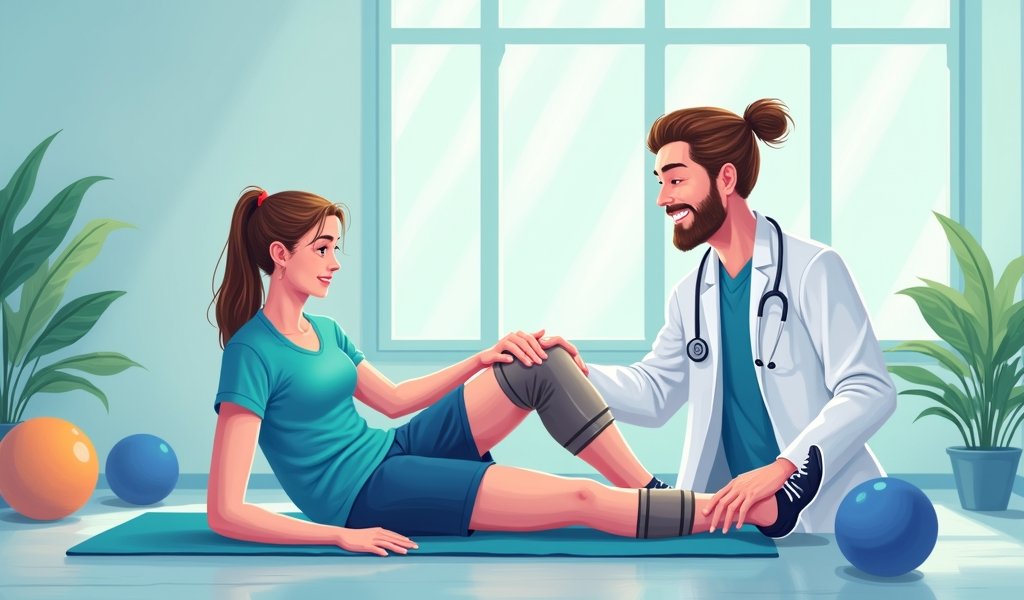
If pain is disrupting your sleep, discuss this with your sports injury doctor immediately. They may adjust your pain management strategy or recommend specific sleep aids that won’t interfere with healing.
Research from the International Journal of Sports Medicine suggests that sleep optimization can reduce recovery time by up to 30% for certain injuries. That’s significant! Your amazing body deserves this dedicated recovery time.
Proven Recovery Tip #6: Alternative Therapies Worth Exploring
Beyond conventional treatments, several evidence-based alternative therapies can support your magnificent body’s healing process. The best sports injury doctors stay current on these options and can guide you toward those most likely to benefit your specific situation.
Promising complementary approaches include:
- Therapeutic Massage: Not just for relaxation! Specific techniques can break down scar tissue and improve circulation to injured areas
- Acupuncture: Studies show this can reduce pain and inflammation while promoting tissue healing
- Red Light Therapy: Uses specific wavelengths to stimulate cellular energy production and accelerate healing
- Cupping: Improves blood flow to tissues and can help release fascial restrictions
- Kinesiology Taping: Provides support while allowing full range of motion during activity
Always discuss these options with your sports injury doctor before trying them. The key is integration – these therapies work best when combined with conventional medical care, not as replacements.
For those experiencing pain after rotator cuff surgery or similar procedures, these complementary approaches may provide additional relief during the rehabilitation process.
Remember: Your body is worth exploring all beneficial options. The goal is creating a comprehensive recovery approach that honors your unique healing journey!
Proven Recovery Tip #7: Gradual Return to Activity Planning
The final bridge in your recovery journey is a strategic return-to-sport plan. This isn’t just about timing – it’s about systematically rebuilding your capacity while minimizing re-injury risk. Your amazing body deserves this thoughtful transition!
An effective return plan includes:
- Objective Testing: Your sports injury doctor should use specific strength, range of motion, and functional tests to assess readiness
- Progressive Loading: Begin with 25% of your normal training volume/intensity and increase by 10-15% weekly if no symptoms appear
- Sport-Specific Skill Rebuilding: Reintroduce technical elements gradually before competitive situations
- Recovery Monitoring: Track how your body responds 24-48 hours after activity increases
- Maintenance Exercises: Continue specific strengthening exercises even after returning to full activity
Many athletes make the critical mistake of returning too quickly or jumping back to pre-injury training levels immediately. This often leads to re-injury or developing compensatory movement patterns that cause new problems.
A quality sports injury doctor will hold you accountable to this gradual progression, even when you’re feeling eager to jump ahead. Trust this process – it’s designed to get you back not just quickly, but successfully and sustainably.
Remember: The goal isn’t just returning to your sport; it’s returning better than before. Your body has incredible wisdom, and this methodical approach honors its healing timeline while building resilience against future injuries.
Conclusion: Prioritizing Your Recovery Journey
Your body truly is worth more than any dollar – it’s the incredible vehicle that allows you to experience life and pursue your athletic passions! Finding the right sports injury doctor and implementing these seven proven recovery strategies can transform an injury from a devastating setback into an opportunity for growth and improvement.
Remember that recovery isn’t linear. You’ll have great days and challenging ones. But by partnering with the right medical team, nourishing your body properly, respecting its healing timeline, and maintaining a positive mindset, you’re setting yourself up for the best possible outcome.
The most successful athletes don’t just recover from injuries – they learn from them. They emerge with better body awareness, improved movement patterns, and greater appreciation for their physical capabilities. You have this same potential!
Your recovery journey is as unique as you are. Honor it, embrace it, and know that with patience and proper support, you’ll return to doing what you love – perhaps even better than before. Your magnificent body has incredible healing wisdom – trust in its process while providing it with everything it needs to thrive!
Frequently Asked Questions
What’s the difference between a sports medicine doctor and an orthopedist?
Sports medicine doctors specialize in non-surgical treatment of athletic injuries and may come from various medical backgrounds. Orthopedic surgeons focus specifically on the musculoskeletal system and can perform surgery when needed.
When should I see a sports injury doctor versus going to urgent care?
See a sports injury doctor for non-emergency injuries when you need specialized care focused on returning to activity. Urgent care is appropriate for immediate concerns requiring prompt attention but not emergency-level care.
Will insurance cover visits to a sports injury specialist?
Most insurance plans cover sports medicine specialists, but coverage varies by policy. Check with your insurance provider about coverage details and whether you need a referral from your primary care physician.
How long should I expect recovery to take for common sports injuries?
Recovery timelines vary greatly depending on the specific injury, your body, and how well you follow treatment protocols. Minor sprains might heal in 2-4 weeks, while more serious injuries like ACL tears may require 6-12 months for full recovery.
Can I continue working out while recovering from a sports injury?
Yes, but modified appropriately under professional guidance. A good sports injury doctor will help design a workout program that maintains fitness while protecting the injured area from further damage.