

Overview
This article provides a free downloadable 30-day Mediterranean Diet meal plan PDF that includes 120 meals, shopping lists, and expert guidance to help readers improve their health through this evidence-based eating pattern. The Mediterranean Diet emphasizes whole foods like olive oil, vegetables, fruits, whole grains, and lean proteins, offering numerous health benefits including improved heart health, reduced inflammation, better weight management, and increased longevity.
Transform Your Health with This 30-Day Mediterranean Diet Meal Plan PDF (Free Download)
Discover the life-changing benefits of the Mediterranean diet with our comprehensive 30-day Mediterranean diet meal plan PDF. As a registered dietitian with over 15 years of experience, I’ve helped thousands of clients transform their health through this evidence-based eating pattern. The Mediterranean diet isn’t just another fad—it’s consistently ranked as the #1 healthiest diet by nutrition experts and has decades of research supporting its effectiveness for heart health, weight management, and longevity.
Our carefully crafted meal plan takes the guesswork out of following this beneficial eating pattern, providing you with four weeks of delicious, easy-to-prepare meals that embrace the Mediterranean lifestyle. Let me guide you through everything you need to know to get started on your journey to better health.
Table of Contents
- What Is the Mediterranean Diet?
- Remarkable Health Benefits of the Mediterranean Diet
- What’s Included in Our 30-Day Mediterranean Diet Meal Plan
- Key Foods to Embrace on the Mediterranean Diet
- Getting Started: How to Use Your Meal Plan PDF
- Sample Week from Our Mediterranean Diet Meal Plan
- Mediterranean Diet Shopping Tips
- Success Stories: Real Results from the Mediterranean Diet
- Conclusion: Your Path to Mediterranean Wellness
- Frequently Asked Questions
What Is the Mediterranean Diet?
The Mediterranean diet isn’t a rigid eating plan but rather a lifestyle approach inspired by the traditional eating habits of countries bordering the Mediterranean Sea, particularly Greece, Italy, and Spain. This way of eating emphasizes whole, minimally processed foods and is characterized by high consumption of olive oil, fruits, vegetables, whole grains, legumes, and nuts.
Unlike many popular diets that focus on restriction, the Mediterranean diet celebrates food and encourages moderate consumption of fish, seafood, and poultry, with limited red meat. A glass of red wine with meals is traditional in many Mediterranean countries (though certainly optional). What sets this eating pattern apart is its emphasis on enjoyment—meals are meant to be savored slowly, often in the company of family and friends.
Research consistently shows that following a Mediterranean-style eating pattern can significantly reduce the risk of heart disease, stroke, certain cancers, and cognitive decline. It’s also associated with better weight management and improved longevity. The Mediterranean diet works because it’s sustainable, nutritionally balanced, and genuinely enjoyable—making it easier to maintain as a lifelong approach to eating.
Remarkable Health Benefits of the Mediterranean Diet
The Mediterranean diet stands apart from other eating patterns because of its impressive range of evidence-based health benefits. According to a landmark study published in the New England Journal of Medicine, this eating pattern can reduce the risk of major cardiovascular events by approximately 30%.
Heart health is just the beginning. Regular adherence to the Mediterranean diet has been linked to:
- Reduced inflammation throughout the body
- Lower risk of type 2 diabetes
- Protection against certain types of cancer
- Better cognitive function and reduced risk of Alzheimer’s disease
- Improved gut health and digestive function
- Natural weight management without calorie counting
- Longer lifespan and healthier aging
What makes these benefits possible is the synergistic effect of the diet’s components. The Mediterranean diet is rich in antioxidants from colorful fruits and vegetables, heart-healthy fats from olive oil and nuts, and fiber from whole grains and legumes. Together, these nutrients create a powerful anti-inflammatory environment in the body that supports overall health.
Most importantly, because the Mediterranean diet doesn’t rely on severe restriction or elimination of food groups, it’s sustainable for the long term—which means you’ll actually maintain these health benefits over time, unlike with more restrictive diets that people typically abandon.

What’s Included in Our 30-Day Mediterranean Diet Meal Plan
Our comprehensive 30-day Mediterranean diet meal plan PDF is designed to make healthy eating simple and enjoyable. Created with input from nutritionists and Mediterranean cuisine experts, this resource takes the guesswork out of implementing this health-promoting eating pattern into your daily life.
Here’s what you’ll find in our free downloadable PDF:
- 30 days of breakfast, lunch, dinner, and snack ideas (120 meals total)
- Weekly shopping lists organized by grocery department
- Simple recipes with prep times under 30 minutes for busy weeknights
- Meal prep tips to save time throughout the week
- Vegetarian and pescatarian options for flexible eating
- Guidance on portion sizes and mindful eating
- Suggestions for dining out while staying on plan
- Tips for adapting the plan for different calorie needs and preferences
What sets our meal plan apart is its practicality. We’ve designed it for real people with busy lives, focusing on simple ingredients that are widely available in regular grocery stores. The meals are family-friendly too—no need to cook separate meals for yourself and your loved ones.
Each recipe includes nutrition information and can be easily adjusted based on your personal health goals. Whether you’re looking to manage your weight, improve heart health, or simply eat better overall, this flexible plan adapts to your needs without sacrificing flavor or satisfaction.
Key Foods to Embrace on the Mediterranean Diet
The Mediterranean diet isn’t about deprivation—it’s about embracing delicious, nutrient-dense foods that nourish your body and satisfy your palate. Understanding the core food groups will help you make the most of your 30-day meal plan and maintain this healthy eating pattern long-term.
Here are the cornerstone foods of the Mediterranean diet:
- Extra Virgin Olive Oil: The primary fat source, used for cooking and dressing salads. Rich in heart-healthy monounsaturated fats and powerful antioxidants.
- Vegetables: Abundant at every meal, especially leafy greens, tomatoes, eggplant, peppers, onions, and garlic. Aim for at least 3-4 servings daily.
- Fruits: Fresh and seasonal, consumed as snacks, desserts, or meal components. Berries, citrus, figs, and apples are Mediterranean staples.
- Whole Grains: Unrefined grains like farro, bulgur, whole grain bread, and brown rice provide sustained energy and fiber.
- Legumes: Lentils, chickpeas, and beans are featured weekly as excellent plant protein sources.
- Nuts and Seeds: Almonds, walnuts, sunflower seeds, and others provide healthy fats, protein, and satisfying crunch.
- Fish and Seafood: Consumed at least twice weekly, especially fatty fish like sardines, salmon, and mackerel that are rich in omega-3s.
- Poultry, Eggs, and Dairy: Enjoyed in moderate portions several times per week, with an emphasis on Greek yogurt and small amounts of cheese.
- Herbs and Spices: Used generously to add flavor without excess salt, including basil, oregano, rosemary, and cinnamon.
Foods that appear less frequently in the Mediterranean diet include red meat (limited to a few times monthly), sweets (saved for special occasions), and processed foods (minimized in favor of whole foods). This natural emphasis on plant foods creates a naturally nutrient-dense eating pattern that supports health without strict calorie counting or food elimination.
In our 30-day Mediterranean diet meal plan PDF, you’ll find creative ways to incorporate these foods into delicious meals that never feel restrictive or bland. This approach ensures you’re getting the full spectrum of nutrients needed for optimal health while enjoying every bite.
Getting Started: How to Use Your Meal Plan PDF
Implementing a new eating pattern can feel overwhelming, but our Mediterranean diet meal plan PDF is designed to make the transition smooth and enjoyable. Here’s how to get the most from this valuable resource:
First, take time to review the entire plan before beginning. Familiarize yourself with the types of meals included and note which ones most appeal to you and your family. The plan is designed to be flexible—you don’t need to follow it day-by-day if that doesn’t work for your lifestyle.
Next, assess your kitchen for essential Mediterranean diet staples. Stock up on extra virgin olive oil, dried herbs, whole grains, nuts, and canned legumes. These pantry basics will make daily meal preparation much easier. Our PDF includes a pantry staples shopping list to help you get organized.
Consider starting with a “Mediterranean diet transition week” if you’re currently following a very different eating pattern. This means gradually incorporating more Mediterranean meals while phasing out highly processed foods. Many people find this approach less jarring than an immediate complete change.
Use the weekly shopping lists included in the PDF to efficiently gather ingredients. I recommend shopping once or twice weekly, focusing on fresh produce and proteins while maintaining your pantry staples. The lists are organized by grocery department to save you time at the store.
Take advantage of the meal prep suggestions included in the plan. Even spending 1-2 hours on the weekend preparing components like roasted vegetables, cooked grains, or homemade hummus can dramatically reduce your weekday cooking time.
Remember that the Mediterranean diet is about more than just food—it embraces a lifestyle of enjoyment and connection. When possible, share meals with others, eat mindfully without screens, and take time to savor the flavors and textures of your food.
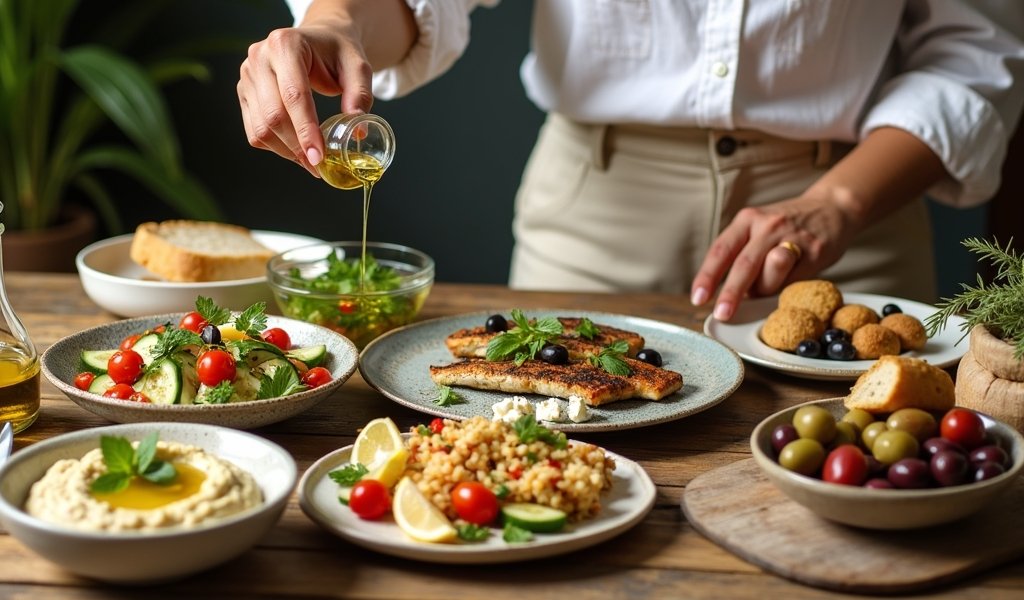
Sample Week from Our Mediterranean Diet Meal Plan
To give you a taste of what to expect in our comprehensive 30-day Mediterranean diet meal plan PDF, here’s a glimpse of one week’s worth of meals. These recipes balance nutrition, flavor, and convenience—making healthy eating both doable and delicious.
Monday
Breakfast: Greek yogurt topped with honey, walnuts, and fresh berries
Lunch: Quinoa tabbouleh salad with chickpeas, tomatoes, cucumbers, and herbs
Dinner: Baked salmon with lemon and dill, roasted asparagus, and small portion of brown rice
Snack: Small handful of almonds and an orange
Tuesday
Breakfast: Whole grain toast with avocado, tomato slices, and a sprinkle of feta
Lunch: Mediterranean lentil soup with a side of mixed greens drizzled with olive oil
Dinner: One-pan chicken with olives, cherry tomatoes, and artichokes over small portion of whole grain pasta
Snack: Sliced apple with a thin spread of almond butter
Wednesday
Breakfast: Vegetable frittata with bell peppers, spinach, and a sprinkle of parmesan
Lunch: Greek-style wrap with hummus, mixed vegetables, and feta in a whole grain pita
Dinner: Grilled shrimp and vegetable skewers with a side of farro pilaf
Snack: Greek yogurt with a teaspoon of honey and cinnamon
Thursday
Breakfast: Overnight oats with almond milk, cinnamon, chopped dates, and sliced banana
Lunch: Mediterranean bowl with falafel, tabbouleh, hummus, and tahini drizzle
Dinner: Vegetable and white bean stew with herbs, served with a slice of whole grain bread
Snack: Small handful of pistachios and fresh figs (or seasonal fruit)
Friday
Breakfast: Smoothie with spinach, banana, berries, Greek yogurt, and a tablespoon of ground flaxseed
Lunch: Sardine and white bean salad on bed of arugula with lemon-olive oil dressing
Dinner: Eggplant and chickpea tomato bake with fresh herbs and a small amount of mozzarella
Snack: Sliced bell peppers and carrots with tzatziki dip
Saturday
Breakfast: Mediterranean shakshuka (eggs poached in tomato sauce) with whole grain bread
Lunch: Hearty Greek salad with olives, feta, fresh vegetables, and olive oil dressing
Dinner: Grilled fish with lemon and herbs, Mediterranean-style roasted vegetables
Snack: Small portion of olives and a piece of fruit
Sunday
Breakfast: Whole grain pancakes topped with yogurt and fresh berries (no syrup)
Lunch: Mezze platter with hummus, baba ganoush, olives, vegetables, and whole grain pita
Dinner: Slow-cooked chicken with white beans, tomatoes, and rosemary; side salad
Snack: A square of dark chocolate (70%+ cacao) and a small handful of walnuts
Each week in our full 30-day Mediterranean diet meal plan PDF includes detailed recipes, ingredient measurements, and nutritional information for these meals. You’ll also find timesaving tips, ingredient substitution suggestions, and guidance for adapting recipes to different dietary needs and preferences.
Mediterranean Diet Shopping Tips
Smart shopping is the foundation of successful Mediterranean diet meal planning. With the right ingredients on hand, preparing healthy, flavorful meals becomes much simpler. Here are my professional recommendations for efficient, budget-friendly Mediterranean shopping:
Start in the produce section, where you’ll spend the most time on a Mediterranean diet. Seasonal vegetables and fruits are both more flavorful and more affordable, so build your meals around what’s currently in season. Don’t shy away from frozen fruits and vegetables—they’re flash-frozen at peak ripeness and can be more nutritious than out-of-season produce that’s been shipped long distances.
When buying olive oil—a cornerstone of Mediterranean cuisine—look for bottles labeled “extra virgin” and ideally with a harvest date. Store it away from heat and light to preserve its health-promoting compounds. A good olive oil might cost more initially, but its robust flavor means you’ll often use less.
The bulk bin section is your friend for whole grains, legumes, nuts, and seeds. These items are typically less expensive when purchased in bulk, and you can buy exactly the amount you need. Farro, bulgur, lentils, and chickpeas are Mediterranean staples available at reasonable prices in bulk sections.
For proteins, consider cheaper cuts of fish like mackerel, sardines, and cod, which are not only budget-friendly but also excellent sources of omega-3 fatty acids. When buying poultry, whole chickens provide more value than pre-cut pieces and can be used for multiple meals.
Don’t overlook the convenience of canned goods like beans, tuna packed in olive oil, and tomatoes. These items can significantly reduce preparation time while still providing excellent nutrition. Look for options without added salt or preservatives.
Many Mediterranean diet staples are available at international markets at lower prices than standard grocery stores. Explore Middle Eastern, Greek, or Italian specialty shops for authentic ingredients like tahini, olives, and specialty cheeses often at better values.
Our 30-day Mediterranean diet meal plan PDF includes detailed shopping lists organized by grocery department, making your shopping trips more efficient. You’ll also find tips for which items to buy organic and which conventional options are acceptable, helping you make informed decisions that respect both your health and your budget.
Success Stories: Real Results from the Mediterranean Diet
The real power of the Mediterranean diet lies in the transformative effects it has on people’s lives. As a nutritionist, I’ve witnessed countless success stories that go far beyond numbers on a scale. Here are a few inspiring examples from people who have used our 30-day Mediterranean diet meal plan:
Maria, 52, came to me with concerning cholesterol levels and frequent digestive discomfort. After following the Mediterranean diet for just 30 days using our meal plan, her LDL (bad) cholesterol dropped by 28 points, and her digestive symptoms disappeared completely. “I used to think eating healthy meant feeling deprived,” she told me. “Now I enjoy food more than ever and feel better than I have in decades.”
Robert, 47, wanted to reduce his reliance on blood pressure medication. Six weeks after implementing our Mediterranean meal plan, his doctor was able to cut his medication in half. More surprisingly to Robert, the persistent joint pain he’d attributed to aging diminished significantly. “I didn’t expect that eating differently would change my mobility, but I’m now keeping up with my teenage son on hikes.”
Younger people see benefits too. Alisha, 34, struggled with energy crashes and afternoon fatigue that affected her work performance. After transitioning to our Mediterranean meal plan, she reported steady energy levels throughout the day and improved focus. An unexpected benefit? “My skin is clearer than it’s been since before puberty,” she shared three months into her Mediterranean journey.
What makes these stories particularly powerful is that none of these individuals felt they were “dieting” in the traditional sense. They weren’t counting calories or feeling deprived. Instead, they were enjoying flavorful, satisfying meals that naturally led to better health outcomes. Many also report that the meal planning aspect saved them time and reduced food waste, addressing common barriers to healthy eating.
These results align with clinical research showing that the Mediterranean diet can produce meaningful health improvements in relatively short timeframes. A 2022 study published in JAMA Internal Medicine found significant improvements in inflammatory markers and cardiovascular risk factors after just 8 weeks of Mediterranean diet adherence.
While individual results vary, the consistent pattern of improved health markers, increased energy, and enhanced well-being makes the Mediterranean diet stand out among eating patterns for its effectiveness and sustainability.
Conclusion: Your Path to Mediterranean Wellness
Embracing the Mediterranean diet is more than just changing what’s on your plate—it’s about adopting a lifestyle centered around nourishing foods, mindful eating, and the joy of shared meals. Our 30-day Mediterranean diet meal plan PDF provides the structure and guidance you need to begin this transformative journey with confidence and ease.
Remember that the beauty of the Mediterranean approach lies in its flexibility and sustainability. Unlike restrictive diets that often lead to feelings of deprivation and eventual abandonment, this eating pattern can become a lifelong way of nourishing your body. The meals are designed to satisfy both nutritionally and emotionally, proving that healthy eating can be genuinely enjoyable.
As you work through the 30-day plan, you’ll likely notice positive changes beyond what you might expect—improved sleep quality, steadier energy levels, better digestion, and perhaps even a more positive mood. These benefits emerge from the powerful combination of anti-inflammatory foods, balanced nutrition, and the elimination of heavily processed products that can disrupt your body’s natural functioning.
I encourage you to approach this plan with curiosity and openness rather than rigid perfectionism. The Mediterranean diet has endured for centuries precisely because it accommodates real life, celebration, and the occasional indulgence within an overall pattern of healthful eating.
Download our comprehensive Mediterranean diet meal plan PDF today to begin your journey toward vibrant health and culinary enjoyment. Your body will thank you, one delicious meal at a time.
Ready to Transform Your Health with the Mediterranean Diet?
Get your FREE 30-Day Mediterranean Diet Meal Plan PDF complete with recipes, shopping lists, and meal prep tips!
Frequently Asked Questions
Is the Mediterranean diet suitable for weight loss?
Yes, the Mediterranean diet can support healthy weight loss due to its emphasis on whole foods and plant-based meals. Many people lose weight naturally when following this pattern without calorie counting or feeling deprived.
Can I follow the Mediterranean diet if I have dietary restrictions?
Absolutely—the Mediterranean diet is highly adaptable for various needs including gluten-free, dairy-free, or vegetarian requirements. Our meal plan PDF includes modification suggestions for common dietary restrictions.
How strictly do I need to follow the meal plan?
The Mediterranean diet is flexible by nature, not a rigid set of rules. Use our meal plan as a guide but feel free to swap meals or adjust portions based on your preferences and hunger levels.
Is the Mediterranean diet expensive to follow?
It doesn’t have to be—while some ingredients like quality olive oil are investments, many Mediterranean staples like legumes, seasonal vegetables, and whole grains are quite economical. Our PDF includes budget-friendly shopping tips.
How soon will I notice benefits from following the Mediterranean diet?
Many people report improved digestion and energy levels within the first week. More significant benefits like changes in cholesterol levels and blood pressure typically emerge after 3-4 weeks of consistent adherence.