
Overview
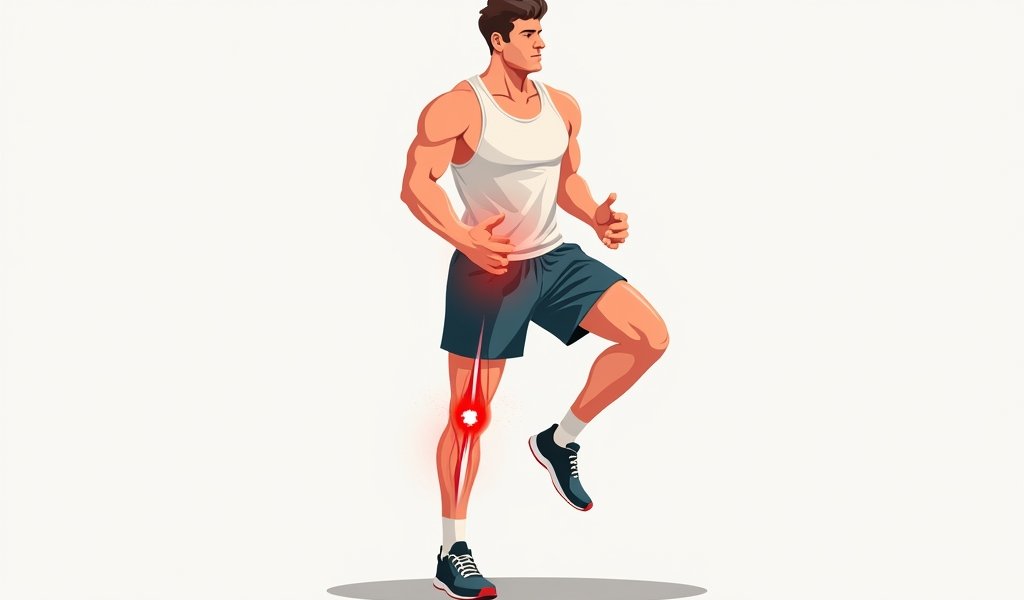
Skipping ACL surgery is like trying to dance with an unreliable partner who occasionally ghosts you mid-step, leading to a cascade of knee problems including persistent instability, early arthritis, meniscal damage, muscle changes, activity limitations, chronic pain, and issues in adjacent joints. While non-surgical management options exist through rehabilitation, activity modification, and regular monitoring, the research clearly shows that untreated ACL tears significantly increase the risk of long-term joint deterioration and functional limitations compared to surgical reconstruction.
Table of Contents
- Understanding ACL Tears: What Happens When You Skip Surgery
- 1. Persistent Joint Instability: When Your Knee Has a Mind of Its Own
- 2. Early-Onset Osteoarthritis: The Silent Progression
- 3. Secondary Meniscal Damage: The Domino Effect
- 4. Muscle Atrophy and Compensation Patterns
- 5. Activity Limitations and Lifestyle Adjustments
- 6. Development of Chronic Pain Syndromes
- 7. Problems in Adjacent Joints: The Chain Reaction
- Non-Surgical Management Options: Making the Best of Your Situation
- Conclusion: Finding Your Path Forward
- Frequently Asked Questions
Understanding ACL Tears: What Happens When You Skip Surgery
That dreaded “pop” followed by knee swelling and instability can signal one of the most common sports injuries: an ACL tear. While many athletes immediately think of surgery, not everyone chooses this route – whether due to medical concerns, financial constraints, or personal preference. But what happens to your knee long-term when you forgo surgical reconstruction of a torn ACL?
As an orthopedic specialist who’s worked with hundreds of ACL injuries, I can tell you that this question deserves serious consideration. Your anterior cruciate ligament is crucial for knee stability during pivoting, cutting, and rotational movements. Without it, your knee joint faces a future with several predictable challenges.
The research is clear: untreated ACL tears lead to specific long-term consequences that develop gradually over months and years. Understanding these effects can help you make informed decisions about your treatment options and future knee health.
Let’s explore the seven evidence-based long-term effects of living with an ACL tear without surgical intervention – the things I wish every patient understood before deciding against surgery.
1. Persistent Joint Instability: When Your Knee Has a Mind of Its Own
The most immediate and noticeable effect of an untreated ACL tear is episodic instability – what patients often describe as their knee “giving way.” This isn’t just annoying; it’s potentially dangerous.
Research shows that approximately 60-90% of patients with ACL deficiency experience these unpredictable episodes of instability, particularly during pivoting movements or unexpected directional changes. Each “giving way” event can cause further damage to your knee’s structures.
Lisa, a 38-year-old patient who chose non-surgical management, describes it perfectly: “It’s like having an unreliable partner in a dance. Most steps are fine, but occasionally, without warning, my knee simply doesn’t show up to do its job – usually when I’m carrying groceries or chasing after my dog.”
This functional instability transforms routine movements into potential hazards. Simple activities like walking on uneven surfaces, descending stairs, or making unexpected turns become moments of anxiety and risk. Over time, this instability can dramatically affect your confidence in your own body.
According to a study in the Journal of Orthopaedic & Sports Physical Therapy, patients with untreated ACL tears develop compensatory movement patterns to avoid these giving way episodes – patterns that can lead to additional problems down the road.
2. Early-Onset Osteoarthritis: The Silent Progression
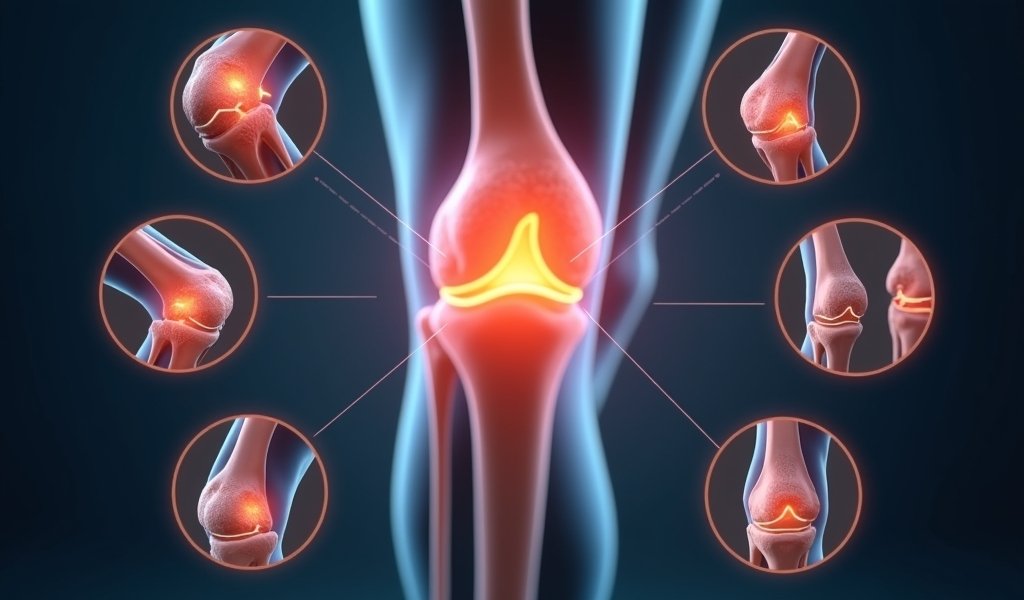
Perhaps the most concerning long-term consequence of an untreated ACL tear is the accelerated development of osteoarthritis – the gradual wearing away of your knee’s protective cartilage.
The statistics are sobering. A landmark study published in the American Journal of Sports Medicine found that approximately 75% of patients with untreated ACL injuries developed radiographic signs of osteoarthritis within 10-15 years of injury, compared to 30-40% of those who underwent surgical reconstruction.
Why does this happen? Without a functioning ACL, your knee’s biomechanics change dramatically. The femur (thigh bone) and tibia (shin bone) no longer track properly against each other, creating abnormal wear patterns on cartilage surfaces never designed to handle such stresses.
Think of it like driving a car with poor wheel alignment – the tires wear unevenly and much faster than they should. Similarly, your knee joint develops premature wear and tear that can’t be reversed once it begins.
Several factors can accelerate this arthritic progression:
- Previous or concurrent meniscal damage
- Higher body weight placing more stress on the joint
- Continued participation in pivoting sports or high-impact activities
- Delayed or inadequate initial rehabilitation
- Female gender (due to anatomical and hormonal differences)
What makes osteoarthritis particularly troubling is its progressive nature. The joint degeneration typically begins subtly but accelerates over time, often becoming symptomatic just as you enter your most productive middle-age years.
3. Secondary Meniscal Damage: The Domino Effect
Your menisci – those c-shaped cushions that absorb shock in your knee – become particularly vulnerable in an ACL-deficient knee. Think of them as the unsung heroes trying to provide stability when the ACL is missing in action.
Research indicates that 40-60% of patients with chronic ACL deficiency develop secondary meniscal tears within 5 years of the initial injury. This happens because the unstable knee subjects these cartilage structures to forces they weren’t designed to handle.
“The relationship between ACL deficiency and meniscal tears is like a slow-motion car crash,” explains Dr. James Andrews, renowned orthopedic surgeon. “Without the ACL’s stabilizing influence, the knee experiences micro-instability with each step, gradually fraying the meniscus until it tears.”
What makes this particularly problematic is that each subsequent meniscal injury:
- Further accelerates arthritic changes
- Increases pain and swelling
- Reduces function
- Decreases the knee’s shock absorption capacity
This cascade effect means that an initially manageable ACL tear can evolve into a much more complex knee problem over time. The meniscus damage often occurs during those “giving way” episodes mentioned earlier, creating a vicious cycle of instability leading to further damage.
A study in Arthroscopy Journal found that patients with both ACL and meniscal injuries had significantly worse outcomes than those with isolated ACL tears, highlighting how these secondary injuries compound the long-term effects.
4. Muscle Atrophy and Compensation Patterns
Your body is remarkably adaptive – sometimes to its own detriment. In response to ACL deficiency, distinct patterns of muscle weakness develop, primarily affecting the quadriceps (front thigh muscles) and, to a lesser extent, the hamstrings.
Studies show that even with diligent rehabilitation, patients with untreated ACL tears typically demonstrate 10-20% reduced quadriceps strength compared to their uninjured leg, even years after the initial injury. This isn’t merely a cosmetic issue – it profoundly impacts function and joint protection.
Mark, a 45-year-old former soccer player, noticed these changes two years after his ACL tear: “My thigh muscle just seemed to shrink, no matter how many exercises I did. What’s worse, I realized I was walking differently to protect my knee – and that started causing hip pain I never had before.”
The body, clever but not always wise, develops compensatory movement patterns to avoid instability. These might include:
- Reduced knee flexion during walking and running
- External rotation of the foot when stepping
- Decreased loading on the affected leg
- Hip and ankle strategies that bypass knee function
Like rerouting traffic around a damaged bridge, these compensations may temporarily solve the instability problem but create traffic jams and wear patterns elsewhere in your musculoskeletal system.
Research published in the Clinical Orthopaedics and Related Research journal demonstrates how these altered movement patterns can persist for years after the initial injury, affecting not just the knee but the entire kinetic chain from foot to spine.
5. Activity Limitations and Lifestyle Adjustments
“I never realized how much of my identity was wrapped up in being active until I couldn’t be active in the same ways anymore,” reflects Sarah, a 35-year-old who tore her ACL skiing and chose non-surgical management.
The reality of living with an ACL-deficient knee often necessitates significant lifestyle modifications. Activities typically limited or abandoned include:
- Sports requiring cutting, pivoting, or jumping (basketball, soccer, tennis)
- Downhill skiing without specialized bracing
- High-impact exercise like running on uneven terrain
- Occupational tasks requiring squatting, kneeling, or climbing
Beyond the physical limitations, these changes often extract a psychological toll. Research shows higher rates of activity-related anxiety, decreased confidence in the affected limb, and reduced participation in previously enjoyed recreational activities among those with untreated ACL tears.
This forced lifestyle modification can be particularly challenging for younger, athletic individuals whose social connections and self-identity may be closely tied to sports participation. For many, the gradual realization that certain activities are permanently off the table represents one of the most difficult aspects of living with an ACL-deficient knee.
6. Development of Chronic Pain Syndromes
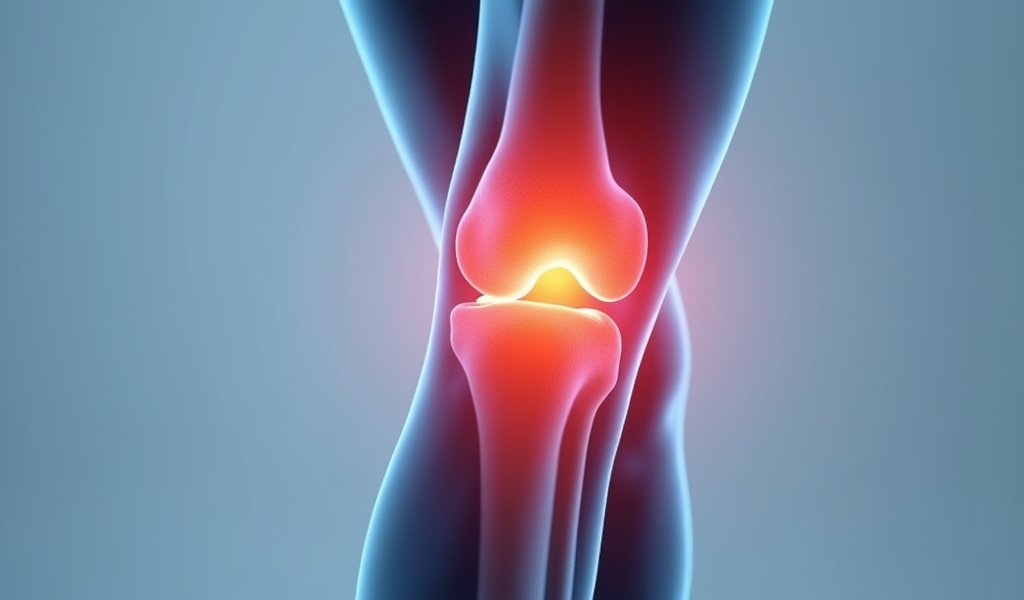
While acute pain typically subsides within weeks of the initial injury, chronic pain often develops as a long-term consequence of an untreated ACL tear. This isn’t simply the original injury pain persisting—it’s a new symphony of discomfort conducted by the knee’s changing architecture.
Approximately 40% of patients with chronic ACL deficiency report persistent pain, particularly after activity or during weather changes. This pain typically stems from:
- Developing osteoarthritis
- Inflammation from repeated minor injuries
- Muscle fatigue from compensatory movements
- Referred pain from overloaded surrounding structures
Managing this pain often becomes increasingly challenging as it responds less predictably to standard interventions over time. What works initially may become less effective as the underlying pathology progresses.
“It’s not usually a screaming pain that sends people to the emergency room,” notes physical therapist Rachel Miller. “Instead, it’s the constant companion type of pain—always there, sometimes whispering, sometimes shouting, but never completely silent.”
This chronic pain can have ripple effects beyond physical discomfort, affecting sleep quality, mood, and even cognitive function. A study in the Journal of Pain Research found that chronic knee pain was associated with increased rates of anxiety and depression, highlighting the comprehensive impact of ongoing joint pain.
7. Problems in Adjacent Joints: The Chain Reaction
Perhaps the most overlooked consequence of an untreated ACL tear is its impact beyond the knee itself. The human body functions as an interconnected chain, and disruption in one link inevitably affects others.
Research demonstrates that patients with chronic ACL deficiency commonly develop:
- Increased hip joint forces and potential labral issues
- Altered ankle mechanics and midfoot stress
- Lower back pain from changed gait patterns
- Contralateral (opposite) knee problems from overcompensation
These secondary issues often emerge stealthily, years after the initial injury, as the body’s compensatory mechanisms gradually break down under cumulative stress. Like borrowing from Peter to pay Paul, the body’s short-term solutions often create long-term debts in other joints.
Biomechanical studies show that even subtle gait alterations, maintained over thousands of steps daily for years, can significantly increase stress on previously uninvolved joints. This is why comprehensive rehabilitation approaches focus on whole-body movement patterns, not just knee-specific exercises.
“Many of my patients are surprised when they develop hip pain five years after their ACL tear,” says sports medicine specialist Dr. Michelle Rodriguez. “They don’t realize that their subtle limp and shifted weight-bearing patterns have been silently overloading their hip joint for years.”
Non-Surgical Management Options: Making the Best of Your Situation
If you’ve decided against ACL surgery – or if surgery isn’t an option for you – all is not lost. While you can’t eliminate the risks discussed above, you can take proactive steps to minimize their impact.
Effective non-surgical management typically includes:
1. Comprehensive Rehabilitation
Working with a physical therapist who specializes in knee injuries is crucial. Your program should focus on:
- Quadriceps and hamstring strengthening
- Proprioception and balance training
- Core and hip stabilization
- Functional movement pattern correction
2. Activity Modification
Intelligently adjusting your activities can help you stay active while protecting your knee:
- Transitioning from high-risk sports (basketball, soccer) to lower-risk activities (cycling, swimming)
- Using protective bracing during higher-demand activities
- Avoiding unpredictable terrain when possible
- Implementing a graduated return to activities with careful monitoring
3. Weight Management
Maintaining a healthy weight is particularly important with an ACL-deficient knee. Each extra pound places additional stress on your already compromised joint. Research shows that even modest weight loss can significantly reduce knee pain and slow arthritic progression.
4. Regular Monitoring
Schedule periodic check-ins with your healthcare provider to assess:
- Joint stability and function
- Early signs of osteoarthritis
- Development of meniscal symptoms
- Effectiveness of your current management strategy
Be particularly vigilant about new symptoms like catching, locking, or increased swelling, which may indicate a new meniscal tear that requires attention.
5. Know When to Reconsider Surgery
For some patients, the initial decision to avoid surgery may need reassessment as circumstances change. Warning signs that might trigger reconsideration include:
- Frequent giving way despite rehabilitation
- Development of new mechanical symptoms
- Progressive activity limitation
- Significant functional decline
Remember that surgical options remain available even years after the initial injury, though the outcomes may differ from early reconstruction.
Conclusion: Finding Your Path Forward
Living with an untreated ACL tear presents significant long-term challenges – from persistent instability and early-onset arthritis to secondary injuries and chronic pain. However, understanding these risks allows you to make informed decisions and take proactive steps to protect your knee health.
While surgery isn’t right for everyone, the research clearly shows that ACL reconstruction provides better long-term joint protection than non-surgical management for most patients, particularly those who wish to maintain an active lifestyle. If you’ve chosen the non-surgical path, commit fully to comprehensive rehabilitation, activity modification, and regular monitoring.
Remember that knee health exists on a spectrum, not as a binary choice between perfect function and disability. With appropriate expectations, consistent management, and smart lifestyle adjustments, many people with ACL-deficient knees can maintain satisfying activity levels while minimizing long-term complications.
Your knee’s future remains partially within your control, even without surgical reconstruction. The choices you make today about rehabilitation, activity, and overall health will significantly impact your joint function and quality of life for decades to come.
Frequently Asked Questions
Can you live a normal life without ACL surgery?
Many people can maintain a reasonably normal life without ACL surgery, but typically with some activity modifications. The success depends heavily on your activity goals, willingness to adapt your lifestyle, and commitment to strengthening exercises.
How long can you go without ACL surgery?
There’s no absolute time limit for ACL surgery, as some people manage their entire lives without it. However, earlier reconstruction (within 3-6 months of injury) generally produces better outcomes and reduces the risk of secondary meniscal damage.
Does an untreated ACL tear always lead to arthritis?
Not always, but research shows approximately 75% of untreated ACL tears develop osteoarthritis within 10-15 years. Your risk increases with higher activity levels, additional injuries like meniscal tears, and higher body weight.
Can physical therapy alone fix an ACL tear?
Physical therapy cannot heal or reconnect a torn ACL. However, comprehensive rehabilitation can strengthen surrounding muscles to provide better joint stability and function, potentially allowing some individuals to compensate effectively for the missing ligament.
What activities should I avoid with an untreated ACL tear?
You should avoid activities involving pivoting, cutting, jumping, and unpredictable directional changes. Sports like basketball, soccer, football, and downhill skiing present the highest risk for additional injury in an ACL-deficient knee.