

Overview
Dogs require varying amounts of exercise based on their breed, age, health, and temperament, with high-energy breeds needing 1.5-2 hours daily while lower-energy breeds may need only 30-45 minutes. A balanced exercise routine should include aerobic activity, strength exercises, mental stimulation, and social interaction, with consistent daily activity being more beneficial than occasional intense sessions.
Table of Contents
- Understanding Canine Exercise Needs
- Why Exercise Matters for Dogs
- Factors Affecting Exercise Requirements
- Exercise Guidelines by Breed Type
- Age-Appropriate Exercise
- Types of Exercise for Dogs
- Signs Your Dog Needs More Exercise
- Creating a Balanced Exercise Routine
- Exercise in Different Weather Conditions
- Conclusion
- Frequently Asked Questions
Understanding Canine Exercise Needs
If you’ve ever come home to find your couch cushions redesigned or your favorite shoes transformed into chew toys, you’re not alone. As a veterinarian with over 15 years of experience, I’ve heard countless stories from dog owners wondering if their energetic pups simply need more exercise. The question “how much exercise does a dog need?” seems straightforward, but the answer is delightfully nuanced.
Dogs, like people, have individual needs that can vary dramatically. While that viral video of a Border Collie running a half-marathon might make you question your Bulldog’s three-block stroll, both dogs might be getting exactly what they need. Understanding your specific dog’s exercise requirements is essential for their physical health, mental well-being, and behavioral balance.
Research from the University of California’s School of Veterinary Medicine suggests that appropriate exercise can extend a dog’s lifespan by up to 2 years. Yet many pet owners struggle to determine exactly how much activity their furry friends truly need. Let’s break down this complex question into manageable insights that will help your canine companion thrive.
Why Exercise Matters for Dogs
Exercise isn’t just a nice addition to your dog’s day—it’s essential for their overall health and happiness. According to the Association for Pet Obesity Prevention, nearly 56% of dogs in the United States are overweight or obese, leading to increased risk of arthritis, diabetes, heart disease, and shorter lifespans. Regular physical activity helps maintain a healthy weight while strengthening muscles and supporting cardiovascular health.
But the benefits extend far beyond physical fitness. Dogs who receive adequate exercise show significantly fewer behavioral problems. A study published in the Journal of Veterinary Behavior found that dogs receiving at least 60 minutes of daily activity showed 30% fewer problematic behaviors like excessive barking, digging, and destructive chewing.
Mental stimulation is another crucial benefit of proper exercise. Dogs evolved as working animals with specific jobs—herding, hunting, guarding—and today’s pets still carry those genetic drives. Without appropriate outlets, this mental energy can manifest as anxiety, depression, or frustration. The right exercise regimen engages both body and mind, creating a balanced, content companion.

Factors Affecting Exercise Requirements
Several key factors influence how much exercise your individual dog needs:
Breed and genetics play perhaps the most significant role. Working breeds like Border Collies, Australian Shepherds, and German Shepherds were developed to work tirelessly all day and typically need substantial physical activity. Conversely, brachycephalic (flat-faced) breeds such as Bulldogs and Pugs have respiratory limitations that necessitate more moderate exercise plans.
Age dramatically impacts exercise needs throughout a dog’s life. Puppies have abundant energy but developing bodies that need protection from excessive high-impact activity. Adult dogs generally require the most consistent exercise, while seniors need modified routines that accommodate aging joints and reduced stamina.
Health status must always be considered when developing an exercise plan. Dogs with arthritis, heart conditions, or respiratory issues need carefully tailored activities that provide benefits without exacerbating their conditions. Always consult your veterinarian before beginning a new exercise regimen, especially if your dog has existing health concerns.
Individual temperament varies considerably, even within breeds. I’ve treated two Labrador Retrievers from the same litter with dramatically different energy levels—one content with moderate walks while the other required intense daily activity to remain balanced. Observing your dog’s behavior provides valuable insights into their unique needs.
Exercise Guidelines by Breed Type
While individual needs vary, breed characteristics offer helpful starting points for exercise planning:
High-energy breeds generally need 1.5-2+ hours of vigorous daily exercise. This category includes herding dogs (Border Collies, Australian Shepherds), working breeds (Huskies, German Shepherds), sporting dogs (Vizslas, Weimaraners), and terriers (Jack Russells, Airedales). These dogs thrive with running, swimming, fetch, agility, or other intense activities that challenge both body and mind.
Medium-energy breeds typically require 1 hour of good exercise daily. This includes many retrievers (Labradors, Goldens), spaniels (Springers, Cockers), pointers, and some mixed-breed dogs. These breeds generally enjoy a mix of walking, playing, training, and interactive games that engage their natural abilities.
Lower-energy breeds often do well with 30-45 minutes of moderate daily activity. Bulldogs, Basset Hounds, Mastiffs, Great Danes, and many toy breeds fall into this category. These dogs usually prefer several shorter walks to one long excursion and may enjoy gentle play sessions rather than intense exercise.
Dr. James Serpell, professor of animal ethics at the University of Pennsylvania’s School of Veterinary Medicine, notes that “Many behavioral problems in dogs stem from a mismatch between the dog’s natural drive for activity and the exercise provided by their owners.” Understanding your dog’s breed background helps prevent this mismatch.
Age-Appropriate Exercise
Your dog’s exercise needs evolve throughout their lifetime, requiring thoughtful adjustments at each stage:
For puppies, the standard guideline is five minutes of exercise per month of age, twice daily. This means a four-month-old puppy should get about 20 minutes of structured exercise twice per day. This controlled approach protects developing joints while still allowing for appropriate energy release. Puppies also need plenty of free play and exploration time, which counts as additional exercise.
Adult dogs in their prime (generally 1-7 years depending on breed and size) typically require the full exercise recommendations for their breed type. This is when consistent routines become especially important, as regular activity helps prevent both physical health issues and behavioral problems.
Senior dogs still need regular activity but with appropriate modifications. For most aging dogs, more frequent but shorter periods of exercise are ideal, with emphasis on low-impact activities that don’t stress arthritic joints. Swimming is particularly beneficial for senior dogs, as it provides resistance without jarring sensitive joints. The American Animal Hospital Association recommends maintaining activity in senior pets while adjusting intensity and duration to accommodate their changing bodies.
Types of Exercise for Dogs
A balanced exercise regimen includes various activities that engage different physical and mental capacities:
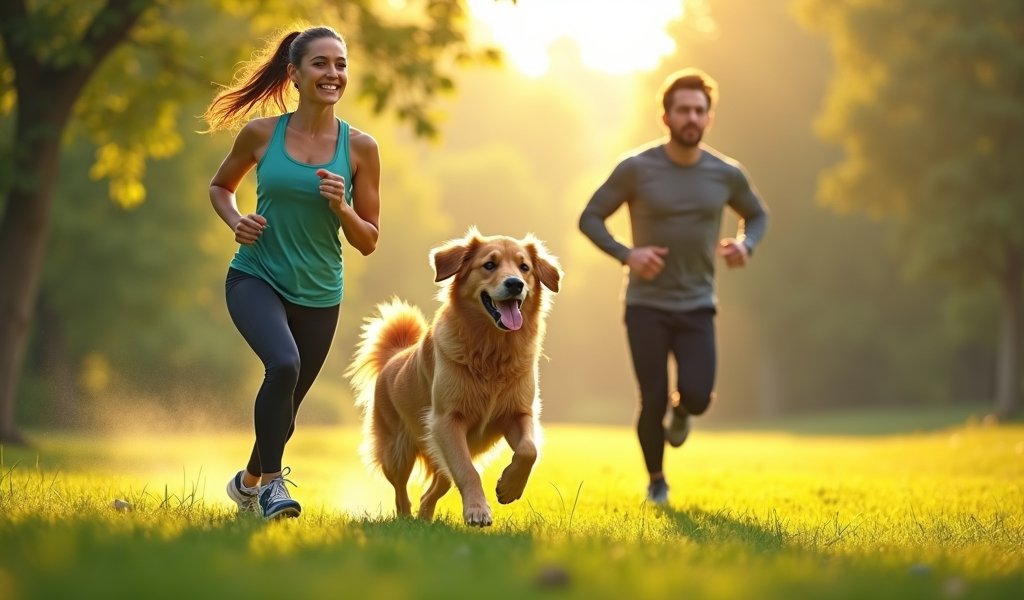
- Aerobic exercise gets the heart pumping and builds stamina. Walking, running, swimming, and playing fetch all provide valuable cardiovascular benefits. For high-energy breeds, aim for at least 30 minutes of aerobic activity daily.
- Strength and flexibility exercises help maintain muscle tone and joint health. Activities like climbing stairs, navigating obstacle courses, or playing tug (with proper technique) build strength while controlled movement helps maintain flexibility.
- Mental exercise is often overlooked but incredibly important. Training sessions, puzzle toys, scent work, and new experiences all provide crucial mental stimulation. Just 15 minutes of focused mental work can be as tiring as a much longer physical exercise session for many dogs.
- Social exercise through appropriate dog-to-dog play or human interaction satisfies your dog’s need for connection while burning energy. Supervised play dates with compatible dogs provide intense physical exercise while building important social skills.
Dr. Karen Overall, veterinary behaviorist and researcher at the University of Pennsylvania, emphasizes that “Physical exercise alone is rarely sufficient for high-energy or working breeds. These dogs need mental challenges that engage their problem-solving abilities and natural drives.”
I’ve seen remarkable transformations in “problem dogs” when owners implement both physical and mental exercise. One family’s hyperactive Australian Shepherd stopped destroying furniture once they added 20 minutes of training games and a weekly herding class to his exercise routine.
Signs Your Dog Needs More Exercise
How can you tell if your current exercise routine is hitting the mark? Your dog’s behavior provides valuable clues:
Destructive behaviors like excessive chewing, digging, or scratching often indicate insufficient physical and mental stimulation. If your dog systematically dismantles your home while you’re gone, they likely need more appropriate outlets for their energy.
Attention-seeking behaviors such as barking, whining, pawing, or jumping may develop when dogs don’t receive enough activity. They’re essentially saying, “I’m bored and have excess energy—please engage with me!”
Weight gain beyond your dog’s ideal body condition suggests their caloric intake exceeds their energy expenditure. While nutrition plays a crucial role, inadequate exercise is often a contributing factor to canine obesity.
Hyperactivity, restlessness, or difficulty settling down, especially in the evening, typically indicates unmet exercise needs. A properly exercised dog should be able to relax contentedly at appropriate times.
Conversely, signs of overexertion include excessive panting that doesn’t resolve with rest, reluctance to continue activity, lagging behind on walks, or limping. Some breeds, particularly brachycephalic dogs, are prone to overheating and require careful monitoring during exercise.
Creating a Balanced Exercise Routine
Developing an effective exercise plan requires considering both your dog’s needs and your lifestyle constraints. The good news is that with some creativity, most owners can meet their dog’s requirements without dramatic life changes.
Start by assessing your current routine. Track your dog’s activity for a week, noting all walks, play sessions, training, and other activities. Compare this baseline with the recommendations for your dog’s breed, age, and individual temperament.
Next, look for opportunities to increase quality rather than just quantity. A 20-minute interactive game that engages your dog’s natural abilities might provide more benefit than a 40-minute walk where they’re merely plodding alongside you. Similarly, varying your walking routes engages your dog’s mind through new sights, sounds, and smells.
Consider breaking exercise into manageable segments throughout the day. Most dogs prefer multiple shorter sessions to one marathon activity. A brief morning walk, midday training game, and evening play session might better suit both your schedule and your dog’s natural energy patterns.
Enlist help when needed. Dog walkers, pet sitters, doggy daycare, or even activity-minded neighbors can provide valuable exercise opportunities when your schedule gets hectic. Interactive toys and puzzle feeders offer mental stimulation during alone time.
Remember that consistency matters more than occasional intense activity. A recent study in Scientific Reports found that dogs with regular daily exercise showed better physical health markers than those who received sporadic but intense weekend activity.
Exercise in Different Weather Conditions
Weather inevitably impacts your exercise routine, requiring seasonal adjustments and creative alternatives:
During hot weather, exercise during cooler morning or evening hours, stay in shaded areas, and always carry water. Be especially cautious with brachycephalic breeds, dark-colored dogs, overweight pets, and seniors, all of whom are more susceptible to heat stress. Remember that pavement can burn paws when air temperatures exceed 85°F.
Cold weather brings different challenges. Short-haired breeds may need protective clothing, while all dogs can benefit from paw protection against ice, salt, and chemicals. Snow can conceal hazards, so stick to familiar areas and watch for signs of discomfort like limping or lifting paws.
Rainy days call for indoor alternatives. Set up obstacle courses using household items, play hide-and-seek with treats or toys, practice training skills, or use the stairs for controlled exercise. Tug games (with proper technique) provide excellent indoor physical activity, while puzzle toys offer mental stimulation.
Safety always comes first, regardless of weather. If conditions are dangerous for you, they’re likely unsafe for your dog as well. Having an arsenal of indoor activities ensures your pet still receives stimulation during weather extremes.
Conclusion
Determining how much exercise your dog needs isn’t about following rigid rules but understanding the unique individual sharing your home. By considering breed tendencies, age, health status, and individual temperament, you can create a tailored approach that supports optimal wellbeing.
Remember that physical activity is just one component of a balanced life for your dog. Mental stimulation, social interaction, appropriate nutrition, and regular veterinary care work together to create a foundation for health and happiness.
The effort you invest in meeting your dog’s exercise needs pays tremendous dividends—reducing behavioral problems, preventing health issues, and strengthening the bond you share. Most importantly, appropriate exercise helps your canine companion experience the joy, curiosity, and contentment that define a truly good dog life.
Start where you are, make incremental improvements, and observe how your dog responds. The perfect exercise routine isn’t about reaching some theoretical ideal but finding what works for your unique dog and lifestyle. Your four-legged friend doesn’t need perfection—just your attention, understanding, and commitment to their wellbeing.
Frequently Asked Questions
How can I tell if my dog is getting enough exercise?
A well-exercised dog should be able to settle down calmly at appropriate times and maintain a healthy weight. Look for the absence of destructive behaviors, excessive barking, or hyperactivity as positive indicators.
Can I over-exercise my dog?
Yes, especially with puppies, senior dogs, brachycephalic breeds, or dogs with health conditions. Signs of overexertion include excessive panting that doesn’t resolve with rest, reluctance to continue, lagging behind, or limping.
Do small dogs need less exercise than big dogs?
Not necessarily – many small breeds like Jack Russell Terriers have high exercise requirements while some large breeds like Great Danes need relatively moderate activity. Breed purpose and individual temperament matter more than size.
What’s the best exercise for a senior dog?
Low-impact activities like swimming, gentle walking on soft surfaces, and controlled play are ideal for seniors. Multiple shorter sessions throughout the day are typically better than one longer period of exercise.
How do I exercise my dog when I work full-time?
Consider morning walks, midday dog walkers, interactive toys while you’re gone, and evening activities. Even 15 minutes of focused, high-quality exercise before and after work can significantly impact your dog’s wellbeing.
Pingback: 5 Essential pet wellness exams for Optimal Pet Health - achievehealthgoals.com