

Overview
When your period goes MIA during a bout of sniffles, it’s not ghosting you—it’s science! The article explains how illness can delay menstruation through five key mechanisms: stress and elevated cortisol, fever disrupting hormone production, medication side effects, rapid weight changes, and immune system responses that temporarily prioritize healing over reproduction.
Table of Contents
- Understanding Your Menstrual Cycle
- Can Illness Affect Your Period?
- Five Proven Reasons Illness Can Delay Your Period
- Stress and Your Menstrual Cycle
- Fever and Hormonal Imbalance
- Medication Side Effects
- Weight Changes During Illness
- Immune System Response
- When to See a Doctor
- How to Track Your Cycle During Illness
- Conclusion
- Frequently Asked Questions
Understanding Your Menstrual Cycle
Your menstrual cycle is like a finely tuned orchestra, with hormones playing different instruments at precise moments. When everything works harmoniously, your period arrives on schedule. But what happens when illness enters the concert hall? Does being sick delay your period? The short answer is yes—illness can absolutely affect your menstrual timing.
The average menstrual cycle spans 28 days, though anywhere from 21 to 35 days is considered normal. This biological process is regulated by a complex interplay of hormones including estrogen, progesterone, luteinizing hormone (LH), and follicle-stimulating hormone (FSH). These chemical messengers work together, signaling your body to release an egg and prepare your uterine lining for potential pregnancy.
When your body experiences illness, this delicate hormonal balance can be disrupted. Think of it as throwing a wrench into a precision machine—suddenly, the timing gets off, the signals get crossed, and your period might arrive fashionably late (or sometimes early).
Can Illness Affect Your Period?
The relationship between illness and menstrual irregularities isn’t just anecdotal—it’s backed by science. Research published in the Journal of Women’s Health confirms that various illnesses can temporarily disrupt menstrual patterns. Your body prioritizes healing when you’re sick, sometimes putting reproductive functions on the back burner.
It’s important to remember that not everyone experiences period delays when ill. Some people might notice no change at all, while others might experience significant disruptions. Factors like the severity of your illness, its duration, and your overall health all play roles in determining how your cycle responds.
Women with certain conditions like polycystic ovary syndrome (PCOS) may experience even more pronounced menstrual irregularities during illness, as their hormonal balance is already somewhat compromised.
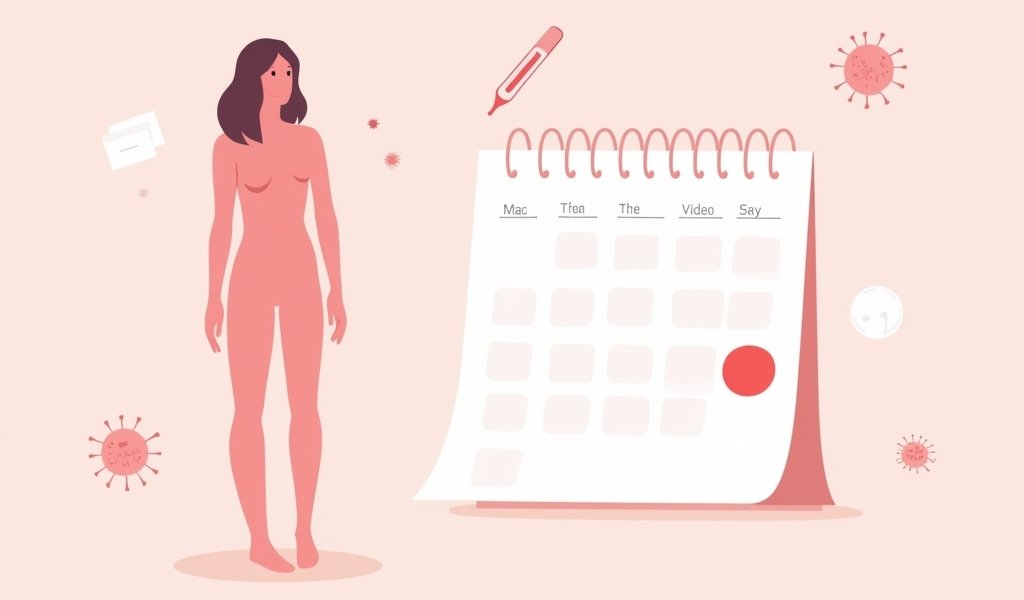
Five Proven Reasons Illness Can Delay Your Period
When you’re battling illness, your body undergoes numerous physiological changes that can affect your menstrual timing. Let’s explore the five scientifically-backed mechanisms that explain why being sick might delay your period.
Understanding these connections can help you make sense of menstrual irregularities during or after illness, providing reassurance that in most cases, your cycle will return to normal once your health improves.
Stress and Your Menstrual Cycle
When illness strikes, your body faces significant physical stress. This triggers the release of cortisol—often called the “stress hormone”—which can interfere with the hypothalamic-pituitary-ovarian axis, the control center for your reproductive hormones.
During illness, your cortisol levels may remain elevated for days or even weeks. Studies have demonstrated that this hormonal imbalance can delay ovulation, subsequently postponing your period. This evolutionary response makes perfect sense—when your body is fighting illness, it’s not an ideal time for reproduction.
The physical discomfort, disrupted sleep patterns, and general malaise that accompany being sick add layers of stress that can further influence your cycle. Even milder illnesses like the common cold can trigger enough stress response to affect menstruation in some women.
Fever and Hormonal Imbalance
Running a fever isn’t just uncomfortable—it can directly impact your menstrual cycle. Your body’s hormones are temperature-sensitive, and the elevated body temperature during fever can temporarily disrupt the production and regulation of reproductive hormones.
When your body temperature rises above 98.6°F (37°C), enzyme activity changes throughout your system. The enzymes involved in hormone production may work less efficiently, leading to fluctuations in estrogen and progesterone levels. Since these hormones are crucial for timing your menstrual cycle, fever can lead to delayed or irregular periods.
For women managing autoimmune conditions, fever episodes can be particularly disruptive to menstrual regularity, as their immune and endocrine systems already face ongoing challenges.

Medication Side Effects
Many medications used to treat illnesses can impact your menstrual cycle. Antibiotics, while not directly affecting hormones, can disrupt gut bacteria that play a role in hormone metabolism. Antiviral medications, corticosteroids, and even some over-the-counter pain relievers may temporarily influence your hormonal balance.
Of particular note are medications like prednisone and other corticosteroids, which mimic cortisol in your body. Research indicates that these medications can suppress ovulation and lead to menstrual irregularities. Similarly, some antihistamines have mild hormonal effects that might impact your cycle when taken in large doses or for extended periods.
If you notice consistent menstrual changes while on medication, it’s worth discussing with your healthcare provider. Sometimes, alternative medications with fewer reproductive side effects might be available.
Weight Changes During Illness
Significant illness often comes with rapid weight changes—whether from loss of appetite, dehydration, or inflammation. Even losing 5-10% of your body weight quickly can disrupt your period, as fat tissue plays a crucial role in estrogen production.
When you rapidly lose weight during illness, your body may perceive this as a sign of scarcity or danger. In response, it might temporarily shut down non-essential functions, including ovulation. This protective mechanism, while frustrating, helps conserve energy for recovery.
Conversely, some illnesses or treatments cause temporary weight gain through fluid retention or medication side effects. This too can affect hormonal balance, though period delays are more commonly associated with weight loss than gain during illness.
Immune System Response
Your immune and reproductive systems share intricate connections that scientists are still uncovering. When you’re sick, your body releases inflammatory cytokines—chemical messengers that coordinate immune responses. These same cytokines can interfere with reproductive hormone signaling.
Conditions with heightened inflammation, like lupus or even severe cases of influenza, may cause more significant menstrual disruptions. The immune system essentially signals your body to postpone reproduction until the threat has passed and resources can be redirected back to reproductive functions.
This temporary reprioritization explains why women with chronic inflammatory conditions often experience more frequent menstrual irregularities compared to the general population.
When to See a Doctor
While temporary menstrual changes during illness are typically nothing to worry about, certain situations warrant medical attention. Contact your healthcare provider if:
- Your period is more than 7-10 days late and you’re sexually active (to rule out pregnancy)
- You experience severe menstrual pain that wasn’t present before your illness
- Your period remains irregular for more than two cycles after recovering from illness
- You experience unusually heavy bleeding or concerning symptoms like fever during your period
- You have a history of reproductive disorders and notice significant changes in your cycle
Your doctor can help determine whether your menstrual changes are simply a normal response to illness or if they indicate an underlying condition that needs attention. According to the Office on Women’s Health, most illness-related menstrual changes resolve within 1-2 cycles as your body recovers.
How to Track Your Cycle During Illness
Knowledge is power when it comes to understanding your body. Tracking your cycle during and after illness can provide valuable insights and help you identify patterns. Here are some effective tracking strategies:
- Use a period tracking app that allows you to log symptoms and health events
- Record the date your illness began and ended
- Note any medications you took, including over-the-counter remedies
- Track your basal body temperature if you’re trying to identify ovulation
- Document any unusual symptoms like spotting, cramping, or mood changes
This information can be invaluable if you need to consult with a healthcare provider. It also helps you recognize what’s normal for your body during illness, reducing anxiety about menstrual changes.
Remember that a single disrupted cycle rarely indicates a serious problem. Your body has remarkable adaptive capabilities and will typically return to its normal rhythm once you’ve recovered.
Conclusion
So, does being sick delay your period? The evidence clearly shows that yes, illness can temporarily disrupt your menstrual timing through multiple mechanisms—from stress responses and fever to medication effects and immune system interactions. These disruptions are your body’s way of prioritizing recovery when resources are limited.
The good news is that for most women, these changes are temporary. Once your body recovers from illness, your hormonal balance typically restores itself, bringing your cycle back to its regular pattern. Understanding this connection can help reduce anxiety when you notice menstrual changes during or after being sick.
If you’re concerned about persistent irregularities, tracking your symptoms and consulting with a healthcare provider can provide reassurance and ensure any underlying conditions are properly addressed. Your menstrual health is an important window into your overall wellbeing—worth paying attention to, but rarely a cause for immediate alarm during temporary illness.
Remember that every body responds differently to illness, and what’s “normal” varies widely from person to person. By staying informed and attuned to your unique patterns, you can navigate menstrual changes with confidence and know when to seek additional support.
Frequently Asked Questions
Can a cold or flu delay my period?
Yes, even minor illnesses like colds or flu can potentially delay your period due to the stress response and inflammation they trigger. These effects are usually temporary and resolve once you recover.
How long can illness delay a period?
Most illness-related period delays last between a few days to two weeks. Your cycle typically returns to normal within 1-2 menstrual cycles after you’ve recovered.
Can COVID-19 affect menstrual cycles?
Research suggests COVID-19 can temporarily affect menstrual cycles through its inflammatory effects and stress on the body. Many women have reported cycle changes following COVID infection or vaccination.
Should I be worried if my period is late after being sick?
A delayed period after illness is usually normal and resolves on its own. However, if you’re sexually active, consider a pregnancy test, or if delays persist beyond 2-3 cycles, consult a healthcare provider.
Can stomach bugs or food poisoning delay periods?
Yes, gastrointestinal illnesses can delay periods through dehydration, stress response, and rapid weight loss. The disruption is typically short-lived and resolves as you recover and regain normal eating patterns.