

Overview
Cherries are nutritional powerhouses for fitness enthusiasts, containing anthocyanins that reduce exercise-induced inflammation, improve recovery time, and enhance sleep quality through natural melatonin content. Beyond recovery benefits, cherries support cardiovascular health, aid weight management, and can be strategically incorporated into nutrition plans through various forms including fresh fruit, juice, or concentrates for optimal athletic performance.
Table of Contents
- Cherries: The Nutritional Powerhouse for Fitness Enthusiasts
- The Antioxidant Benefits of Cherries for Recovery and Performance
- How Cherry Consumption Reduces Inflammation and Speeds Recovery
- Cherries and Sleep Quality: The Melatonin Connection
- Cherry Consumption for Cardiovascular Health and Endurance
- Cherries for Weight Management and Metabolic Health
- Practical Tips for Incorporating Cherries into Your Fitness Nutrition Plan
- Conclusion
- Frequently Asked Questions
Cherries: The Nutritional Powerhouse for Fitness Enthusiasts
When it comes to optimizing athletic performance and recovery, cherries might not be the first food that comes to mind. Yet these small, ruby-red fruits pack a remarkable nutritional punch that can significantly enhance your fitness journey. The cherries nutrition profile is impressive—containing vitamins, minerals, and bioactive compounds that work synergistically to support your body’s performance and recovery mechanisms.
As a clinical dietitian specializing in sports nutrition, I’ve observed firsthand how incorporating cherries into an athlete’s dietary regimen can yield impressive results. The polyphenolic compounds in cherries, particularly anthocyanins, provide potent antioxidant effects that combat exercise-induced oxidative stress—a key factor in muscle fatigue and prolonged recovery periods.
Cherries contain a unique matrix of essential nutrients including vitamin C, potassium, and fiber. A single cup of cherries (approximately 154g) provides about 90 calories while delivering nearly 20% of your daily vitamin C requirements. This nutrient density makes cherries an excellent choice for athletes looking to maximize nutritional intake without excess caloric consumption.
What makes cherries particularly valuable is their exceptional concentration of anthocyanins—the compounds responsible for their deep red color. Recent research indicates that these anthocyanins may stimulate inflammatory resolution pathways, potentially accelerating recovery between intensive training sessions. A groundbreaking study published in the Journal of the International Society of Sports Nutrition demonstrated that cherry consumption before and after intensive exercise significantly reduced muscle pain and strength loss compared to placebo.
The Antioxidant Benefits of Cherries for Recovery and Performance
The antioxidant capacity of cherries is truly remarkable. With an ORAC (Oxygen Radical Absorbance Capacity) value substantially higher than many other fruits, cherries effectively neutralize free radicals generated during high-intensity exercise. This biochemical benefit translates to tangible performance advantages for athletes across disciplines.
During intensive training, your body experiences a significant increase in oxidative stress. This physiological response, while normal, can impair cellular function and delay recovery if not adequately addressed. The anthocyanins in cherries act as molecular scavengers, neutralizing reactive oxygen species before they can damage cellular components.
What’s particularly fascinating is the timing effect of cherry consumption. Research from Oregon Health & Science University indicates that consuming cherries or cherry juice for at least seven days prior to a major athletic event provides optimal antioxidant protection. This strategic nutritional approach has been adopted by numerous Olympic athletes and professional sports teams seeking a legal performance edge.
The cherries nutrition advantage extends beyond just anthocyanins. These fruits also contain quercetin, a flavonoid with established anti-inflammatory and antioxidant properties. Quercetin has demonstrated the ability to enhance mitochondrial biogenesis—essentially helping your cells produce more energy during physical activity. This metabolic benefit can translate to improved endurance and reduced time to exhaustion during prolonged exercise.
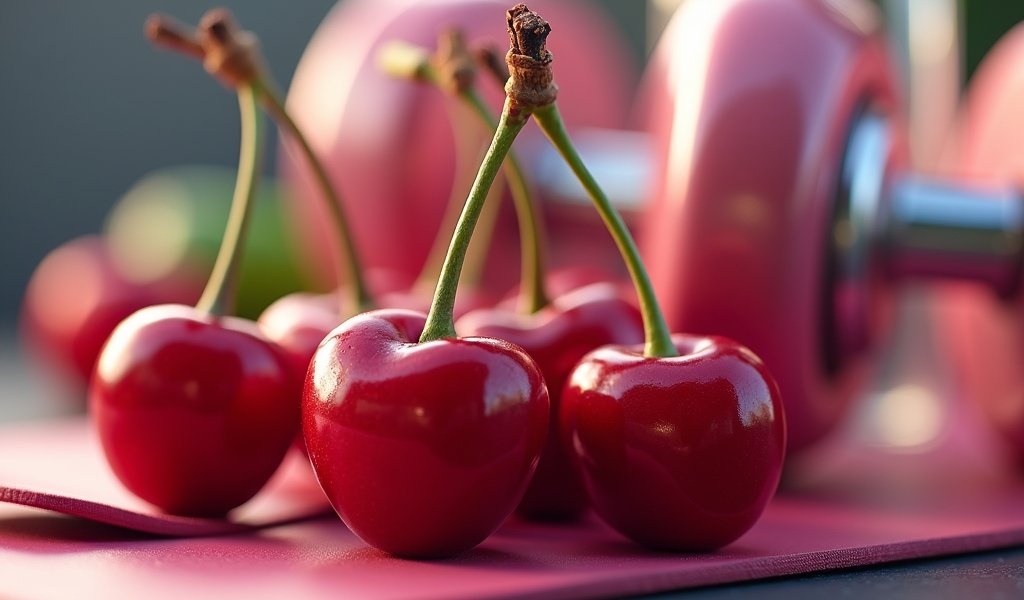
How Cherry Consumption Reduces Inflammation and Speeds Recovery
Inflammation is a double-edged sword in athletic performance. While acute inflammatory responses are essential for adaptation and growth, chronic inflammation can derail training progress and increase injury risk. Cherries offer a natural solution to this physiological conundrum.
The anti-inflammatory effects of cherries are primarily attributed to their anthocyanin content, which inhibits cyclooxygenase enzymes (COX-1 and COX-2)—the same enzymes targeted by non-steroidal anti-inflammatory drugs (NSAIDs). However, unlike pharmaceutical interventions, cherry consumption doesn’t appear to interfere with the adaptive response to training.
In my clinical practice, I’ve regularly recommended tart cherry juice to endurance athletes, particularly during peak training periods. A landmark study involving marathon runners demonstrated that consuming tart cherry juice twice daily for five days before, the day of, and for 48 hours following a marathon resulted in significantly faster recovery of isometric strength and reduced inflammatory markers compared to placebo. The magnitude of this effect is comparable to some pharmaceutical interventions, yet without the potential side effects.
The bioactive compounds in cherries appear to modulate multiple inflammatory pathways simultaneously. Beyond COX inhibition, cherries downregulate nuclear factor-κB (NF-κB) signaling—a master regulator of inflammatory gene expression. This multifaceted approach to inflammation management makes cherries uniquely valuable in a comprehensive recovery strategy.
For those engaging in eccentric exercise (which causes microscopic muscle damage), cherry supplementation has shown particularly promising results. Research published in the Scandinavian Journal of Medicine and Science in Sports found that pre-loading with tart cherry concentrate reduced muscle soreness by up to 49% compared to placebo following eccentric bicep curls. This reduction in delayed onset muscle soreness (DOMS) can allow for more consistent training without compromised intensity.
Cherries and Sleep Quality: The Melatonin Connection
Recovery doesn’t just happen in the gym—it occurs predominantly during sleep. This is where cherries offer another significant advantage for athletes. Tart cherries are one of the few natural food sources of melatonin, the hormone responsible for regulating our sleep-wake cycles.
The melatonin content in cherries, particularly tart varieties, can help optimize sleep architecture—the pattern and quality of different sleep stages throughout the night. Enhanced sleep quality translates directly to improved recovery, hormone production, and subsequent performance. A study published in the European Journal of Nutrition demonstrated that participants who consumed tart cherry juice for seven days experienced significant improvements in sleep duration and quality.
As a sports nutritionist, I often emphasize that the timing of cherry consumption can enhance this sleep-promoting effect. Consuming tart cherry juice approximately 90 minutes before bedtime provides optimal melatonin delivery. This strategic approach has been particularly beneficial for athletes dealing with travel-related sleep disturbances or pre-competition anxiety.
Beyond melatonin, cherries contain tryptophan—an essential amino acid that serves as a precursor to serotonin and, subsequently, melatonin. This nutritional synergy creates a cascade effect that can help regulate circadian rhythms, especially when disrupted by irregular training schedules or travel across time zones.
The sleep enhancement benefits of cherries extend beyond just falling asleep faster. Research indicates that cherry consumption improves sleep efficiency (the percentage of time in bed actually spent sleeping) and reduces nighttime awakenings. For athletes, these improvements in sleep quality directly impact training adaptations through enhanced hormone production, particularly growth hormone and testosterone, which reach peak secretion during deep sleep phases.
Cherry Consumption for Cardiovascular Health and Endurance
Cardiovascular fitness underpins performance across virtually all sports disciplines. The complex nutritional profile of cherries offers multiple mechanisms to enhance cardiovascular health and, by extension, endurance capacity.
One of the most significant cardiovascular benefits of cherries comes from their potassium content. With approximately 330mg of potassium per cup, cherries help maintain proper electrolyte balance—essential for cardiac function and muscle contractions during prolonged exercise. This electrolyte support is particularly valuable during hot weather training when sweat losses are significant.
Perhaps more impressive is the emerging research on cherry consumption and nitric oxide production. Cherries contain significant amounts of polyphenols that have been shown to enhance nitric oxide bioavailability. Nitric oxide serves as a vasodilator, improving blood flow to working muscles and potentially enhancing oxygen delivery during exercise.
A fascinating study published in the Journal of Nutrition demonstrated that regular cherry consumption lowered systolic blood pressure by an average of 7 mmHg in participants with hypertension. This reduction, while valuable for general health, also has specific performance implications. Lower resting blood pressure reduces cardiac work during submaximal exercise, potentially extending time to exhaustion in endurance events.
The anthocyanins in cherries also appear to have cardioprotective effects through multiple mechanisms. They improve endothelial function, reduce platelet aggregation, and modulate lipid metabolism. For endurance athletes, these benefits translate to more efficient oxygen delivery to working muscles and potentially enhanced mitochondrial function.

Cherries for Weight Management and Metabolic Health
Maintaining optimal body composition represents a significant challenge for many athletes. Cherries offer several metabolic benefits that can assist in weight management without compromising training quality or recovery.
The fiber content in cherries—approximately 3 grams per cup—promotes satiety and regulates appetite. This natural appetite regulation can be particularly valuable during caloric restriction phases while maintaining adequate micronutrient intake. The glycemic index of cherries is relatively low (approximately 22), resulting in minimal insulin fluctuations that could otherwise promote fat storage.
Emerging research suggests that the anthocyanins in cherries may directly influence adipocyte (fat cell) metabolism. A study in the Journal of Agricultural and Food Chemistry demonstrated that cherry extract inhibited adipogenesis (fat cell formation) and influenced genes related to fat metabolism. While this research is preliminary, it suggests that cherries may offer benefits beyond their basic nutritional profile.
For athletes in weight-class sports or those monitoring body composition, cherries provide substantial nutrient density with relatively low caloric content. This characteristic makes them an excellent choice during both performance and body composition phases of training.
The metabolic benefits of cherries extend to insulin sensitivity as well. Regular consumption of cherries has been shown to improve insulin response—a key factor in both performance and body composition management. Improved insulin sensitivity enhances glucose uptake in skeletal muscle during and after exercise, potentially improving glycogen resynthesis rates following intensive training.
It’s worth noting that the nutritious profile of cherries extends to their impact on uric acid metabolism. Elevated uric acid levels have been associated with metabolic syndrome and impaired athletic performance. Research from Boston University has shown that cherry consumption reduces serum uric acid levels, potentially improving metabolic health and reducing inflammation.
Practical Tips for Incorporating Cherries into Your Fitness Nutrition Plan
Understanding the theoretical benefits of cherries is one thing—successfully incorporating them into your nutrition strategy is another. Here are evidence-based, practical approaches to maximize the fitness benefits of cherries:
- For post-workout recovery, consume 8-12 ounces of tart cherry juice within 30 minutes of completing high-intensity exercise
- Pre-load with cherries or cherry juice for 5-7 days before major competitions or particularly intense training blocks
- Combine fresh cherries with a protein source post-workout to capitalize on the anti-inflammatory benefits while supporting muscle protein synthesis
- For sleep enhancement, consume tart cherry juice approximately 90 minutes before bedtime
- Add frozen cherries to post-workout smoothies—the frozen state preserves anthocyanin content while providing convenient year-round access
- Consider concentrated cherry powder when traveling or when fresh cherries aren’t accessible
The timing of cherry consumption significantly influences its ergogenic effects. For general training support, consistency is key—regular daily intake appears to provide cumulative benefits. However, for specific performance benefits, strategic timing becomes more critical.
When selecting cherry products, understand that not all varieties offer identical benefits. Tart cherries (Montmorency) typically contain higher concentrations of anthocyanins and melatonin compared to sweet varieties. However, both types provide valuable nutritional benefits.
For those concerned about sugar intake, whole cherries contain approximately 18g of carbohydrates per cup—a consideration for low-carbohydrate dietary approaches. However, this natural sugar comes packaged with fiber and micronutrients that mitigate glycemic impact. For athletes on carbohydrate-restricted diets, concentrated cherry capsules or targeted cherry concentrate may provide anthocyanin benefits with minimal carbohydrate content.
Conclusion
The science behind cherries nutrition reveals these fruits as true nutritional powerhouses for fitness enthusiasts. From enhancing recovery through anti-inflammatory action to improving sleep quality via natural melatonin, cherries offer a comprehensive package of benefits that support athletic performance and overall health.
What makes cherries particularly valuable is their ability to address multiple aspects of the performance-recovery cycle simultaneously. While many supplements target isolated pathways, cherry consumption provides broad-spectrum support across inflammatory, oxidative, metabolic, and recovery processes.
As with any nutritional intervention, individual response may vary. Some athletes may experience more pronounced benefits in recovery, while others may notice greater improvements in sleep quality or metabolic function. The key is consistent implementation and attention to your body’s specific responses.
Consider cherries not as a magic bullet, but as a valuable component of a comprehensive, evidence-based nutrition strategy. When combined with appropriate training, recovery practices, and overall dietary quality, cherries can help you unlock new levels of performance and well-being.
Frequently Asked Questions
What makes cherries so beneficial for athletes?
Cherries contain high levels of anthocyanins that reduce inflammation and oxidative stress caused by intense exercise. They also provide natural melatonin for improved sleep quality and recovery.
How many cherries should I eat daily for fitness benefits?
Most research shows benefits from consuming approximately 45-60 cherries (1-1.5 cups) or 8-12 ounces of tart cherry juice daily. Consistency is more important than occasional high intake.
Are tart cherries better than sweet cherries for recovery?
Tart cherries typically contain higher concentrations of anthocyanins and anti-inflammatory compounds compared to sweet varieties. For recovery specifically, tart cherries or tart cherry juice may provide enhanced benefits.
When is the best time to consume cherries for performance?
For recovery, consume cherries or cherry juice within 30 minutes post-workout. For sleep benefits, consume approximately 90 minutes before bedtime.
Can dried cherries provide the same benefits as fresh ones?
Dried cherries retain many beneficial compounds but may have higher sugar concentration and slightly reduced antioxidant content. They still provide valuable nutrition but fresh or frozen cherries or tart cherry juice may offer optimal benefits.
Pingback: Watermelon Diet Review: 7 Proven Benefits for Fast Fat Loss - achievehealthgoals.com