

Overview
Mother Nature’s tiny blue dynamos pack an impressive nutritional punch that would make other superfoods turn green with envy! Blueberries support fitness and overall health through their exceptional antioxidant content, brain-boosting properties, cardiovascular benefits, exercise recovery enhancement, and gut health promotion, making them an ideal addition to any serious fitness nutrition plan.
Table of Contents
- Introduction to Blueberries: Nature’s Nutritional Powerhouse
- Blueberries Nutrition Facts: Incredible Nutrient Density
- The Remarkable Antioxidant Power of Blueberries
- Blueberries and Brain Function: A Natural Cognitive Booster
- Heart Health Benefits: How Blueberries Support Your Cardiovascular System
- Blueberries for Exercise Recovery and Athletic Performance
- The Gut Health Connection: Blueberries as a Prebiotic Powerhouse
- Practical Ways to Incorporate Blueberries Into Your Fitness Routine
- Conclusion: Making Blueberries Part of Your Peak Fitness Journey
- Frequently Asked Questions
Introduction to Blueberries: Nature’s Nutritional Powerhouse
If Mother Nature decided to design the perfect fitness food in her laboratory, she might very well have created blueberries. These small, unassuming berries pack a nutritional punch that belies their tiny size. As a dietitian who’s spent over a decade studying how nutrition impacts athletic performance, I’ve yet to find a more impressive natural package of blueberries nutrition facts that support overall health and fitness goals.
Blueberries aren’t just another pretty face in the produce aisle. These little blue dynamos have earned their “superfood” status through a remarkable nutritional profile that supports everything from recovery after intense workouts to optimizing brain function during training. The science behind their benefits is as robust as their flavor, with hundreds of studies confirming what traditional healers have known for centuries.
What makes blueberries especially valuable for fitness enthusiasts is their unique combination of key nutrients and bioactive compounds that work synergistically to support your body’s systems. From casual gym-goers to elite athletes, understanding the comprehensive blueberries nutrition facts can help you leverage these berries as part of a strategic approach to peak physical performance.
Blueberries Nutrition Facts: Incredible Nutrient Density
Let’s get down to the nitty-gritty of blueberries nutrition facts. One cup (148 grams) of fresh blueberries delivers an impressive nutritional package while containing just 84 calories—making them perfect for fitness enthusiasts watching their caloric intake. Here’s what you’re getting in that colorful cup:
- Fiber: 3.6 grams (14% of your daily needs)
- Vitamin C: 24% of the Reference Daily Intake (RDI)
- Vitamin K: 36% of the RDI
- Manganese: 25% of the RDI
- Water: 84% (making them excellent for hydration)
Beyond these basics, blueberries contain smaller amounts of vitamin E, vitamin B6, and copper. Their natural sugar content comes packaged with fiber, slowing absorption and providing sustained energy without the crashes associated with processed sugars—something I always emphasize to my athletic clients.
What’s particularly remarkable about blueberries is their extraordinary antioxidant content, which is where much of their fitness-enhancing power comes from. While many fruits offer antioxidants, blueberries consistently rank among the highest in antioxidant activity per serving, according to research published in the Journal of Agricultural and Food Chemistry.
The relatively low calorie count combined with high nutrient density makes blueberries an efficient food choice for anyone serious about optimizing their nutrition for performance. Think of them as nature’s multivitamin with a delicious coating—except unlike that supplement bottle in your cabinet, every component in blueberries exists in forms your body recognizes and can readily use.
The Remarkable Antioxidant Power of Blueberries
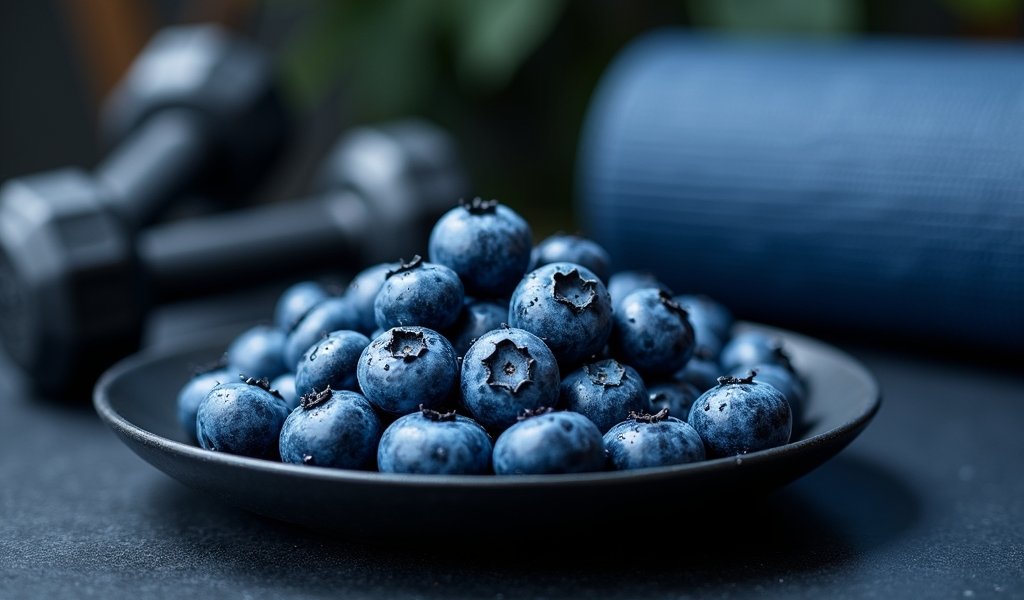
If blueberries were a superhero, their superpower would undoubtedly be their antioxidant capacity. These berries aren’t just high in antioxidants; they’re practically bursting with them. The primary warriors in this antioxidant army are anthocyanins—the compounds responsible for giving blueberries their distinctive blue-purple color. But these compounds do far more than make berries pretty.
During intense exercise, your body naturally produces more free radicals—unstable molecules that can damage cells through oxidative stress. This is where the antioxidant content of blueberries becomes particularly valuable for fitness enthusiasts. By neutralizing these free radicals, the anthocyanins in blueberries help protect your cells from damage and may reduce exercise-induced inflammation.
In a fascinating study published in Applied Physiology, Nutrition, and Metabolism, researchers found that blueberry consumption before and after exercise significantly reduced oxidative stress markers and inflammation in athletes. This isn’t just theoretical benefit—it translates to real-world advantages like potentially reduced muscle soreness and faster recovery times.
What makes blueberries unique in the antioxidant department is the variety and concentration of these compounds. A single serving contains diverse antioxidants including quercetin, myricetin, and kaempferol alongside those powerful anthocyanins. This variety matters because different antioxidants target different types of free radicals and protect different cellular components.
The antioxidant story of blueberries becomes even more interesting when you consider that nutrition science has shown wild blueberries often contain even higher antioxidant levels than cultivated varieties. If you have access to wild blueberries, you’re essentially getting an antioxidant upgrade—though all blueberries, regardless of origin, offer exceptional benefits.
Blueberries and Brain Function: A Natural Cognitive Booster
If you’ve ever hit that mental wall during training or competition, you know that peak fitness isn’t just about muscle power—it’s about brain power too. This is where blueberries truly shine in the nutrition arena. The connection between blueberries and brain function is so strong that researchers have dubbed these berries “neuro-protective powerhouses.”
The flavonoids in blueberries, particularly anthocyanins, have been shown to accumulate in areas of the brain responsible for learning and memory. According to research from the University of Exeter, consuming blueberries can lead to improvements in cognitive function just hours after consumption—what scientists call “acute effects.” Imagine having that mental edge during your next training session or competition.
But the cognitive benefits get even more interesting for long-term fitness enthusiasts. A landmark study published in the Annals of Neurology found that higher intake of flavonoid-rich foods like blueberries was associated with slower cognitive decline—potentially delaying cognitive aging by up to 2.5 years. For athletes looking at longevity in their sport, this presents compelling evidence for making blueberries a dietary staple.
The mechanism behind these brain benefits appears multi-faceted. Blueberries help increase blood flow to the brain, reduce inflammation that can impair cognitive function, and stimulate the growth of new neurons—a process called neurogenesis. They also appear to enhance communication between brain cells, potentially improving reaction time and decision-making speed—crucial advantages in many sports.
As someone who works with athletes across various disciplines, I’ve observed that those who regularly consume blueberries often report better mental clarity and focus during training. While individual responses vary, the scientific evidence strongly suggests that the cognitive benefits of blueberries make them a valuable addition to any peak fitness nutrition plan.
Heart Health Benefits: How Blueberries Support Your Cardiovascular System
Your heart is the engine that drives your fitness performance, and blueberries might just be the premium fuel it’s been waiting for. As an exercise physiologist who closely monitors cardiovascular metrics in athletes, I’ve been particularly impressed by the growing body of research showing how these berries benefit heart health.
Let’s start with blood pressure—a critical metric for both health and performance. A notable study published in the Journal of the American Heart Association found that consuming about a cup of blueberries daily for a month reduced systolic blood pressure by an average of 5.1 mmHg. That’s comparable to the effect of some blood pressure medications, but from a delicious natural source.
Blueberries also appear to improve arterial function and flexibility—a key factor in both heart health and exercise performance. The anthocyanins in blueberries help relax blood vessel walls, improving blood flow and oxygen delivery to working muscles. For endurance athletes especially, this improved circulatory efficiency can translate to better performance and reduced cardiovascular strain.
Another impressive heart benefit comes from blueberries’ effect on cholesterol profiles. Research indicates they may increase HDL (the “good” cholesterol) while reducing oxidized LDL (the particularly harmful form of “bad” cholesterol). This dual action supports long-term cardiovascular health, which is essential for maintaining your fitness capacity as you age.
The cardiovascular benefits of blueberries appear to be dose-dependent, meaning more consistent consumption yields better results. This doesn’t mean you need to eat blueberries by the bucket—even adding them to your diet several times a week can contribute to improved heart health metrics over time. As with any nutritional strategy, consistency often trumps quantity when it comes to cardiovascular benefits.
Blueberries for Exercise Recovery and Athletic Performance
As any serious athlete knows, your gains happen not during the workout but during recovery. This recovery phase is where blueberries’ unique nutritional profile really flexes its muscles. The combination of antioxidants, anti-inflammatory compounds, and key micronutrients creates a recovery-enhancing cocktail that’s hard to match.
Exercise, particularly high-intensity training, creates microscopic damage to muscle fibers—this is actually a good thing, as it triggers adaptation and growth. However, excessive inflammation can delay recovery and impair performance. The polyphenols in blueberries have been shown to reduce inflammation markers like IL-6 and TNF-alpha, potentially accelerating the repair process.
In a study that turned heads in sports nutrition circles, researchers at Appalachian State University found that athletes who consumed blueberries before and after intense exercise experienced significantly less muscle soreness and faster strength recovery compared to a placebo group. The study’s author noted that “the blueberry group seemed to recover their muscle strength faster,” a finding with obvious implications for training frequency and intensity.
Beyond reducing inflammation, blueberries may also help address exercise-induced glycogen depletion. Their natural sugars, combined with micronutrients like manganese that support carbohydrate metabolism, make them an excellent component of post-workout nutrition. I often recommend clients incorporate blueberries into their recovery meals or smoothies, particularly after glycogen-depleting endurance sessions.
The timing of blueberry consumption appears to matter as well. While beneficial at any time, research suggests that consuming blueberries within the 30-60 minute “recovery window” after exercise may maximize their impact on muscle recovery and glycogen replenishment. Pairing them with a protein source creates a comprehensive recovery meal that addresses multiple aspects of the post-exercise physiological state.
For athletes dealing with chronic nutritious recovery challenges, incorporating blueberries consistently may provide cumulative benefits. Their ability to reduce overall inflammatory load and oxidative stress can create a more favorable internal environment for adaptation and growth—potentially allowing for more productive training sessions over time.
The Gut Health Connection: Blueberries as a Prebiotic Powerhouse
The gut-fitness connection is one of the most exciting frontiers in sports nutrition, and blueberries are star players in this emerging field. As a sports nutritionist who’s witnessed firsthand how gut health impacts performance, I can attest that the prebiotic properties of blueberries deserve far more attention than they typically receive.
Blueberries contain both soluble and insoluble fiber, with about 3.6 grams per cup. This fiber isn’t just about keeping your digestive system running smoothly (though that’s certainly important for athletes). It’s also prebiotic, meaning it feeds the beneficial bacteria in your gut microbiome. These bacteria then produce short-chain fatty acids like butyrate, which reduce inflammation and support intestinal barrier function.
Why does this matter for fitness? Emerging research from the Journal of Endocrinology & Metabolism suggests that gut microbiome composition significantly influences exercise capacity, energy harvest from food, and even muscle fiber type distribution. In essence, a healthier gut microbiome might actually help you perform better and recover more efficiently.
The polyphenols in blueberries add another dimension to their gut health benefits. These compounds aren’t just antioxidants—they’re also metabolized by gut bacteria into bioactive derivatives with potentially greater physiological effects than the parent compounds. This creates a fascinating feedback loop where blueberries improve your gut microbiome, and an improved microbiome then enhances the benefits you receive from blueberries.
For athletes with gut issues (which are surprisingly common in endurance sports), blueberries offer a gentle approach to improving gut health. Unlike some prebiotic supplements that can cause discomfort, blueberries typically don’t trigger digestive distress and can be gradually incorporated even into sensitive digestive systems.
The gut health benefits of blueberries extend beyond performance to overall immunity—another crucial factor for maintaining consistent training. Since approximately 70% of your immune system resides in your gut, supporting your microbiome with blueberries may help reduce training interruptions due to illness, especially during high-volume training blocks when immune function is often compromised.
Practical Ways to Incorporate Blueberries Into Your Fitness Routine
Understanding the impressive blueberries nutrition facts is one thing—actually integrating them into your fitness nutrition plan is another. As someone who’s helped hundreds of clients optimize their diets, I’ve developed some practical strategies for making blueberries a consistent part of your nutrition approach:
Pre-Workout Blueberry Strategies
- Add 1/2 cup of blueberries to your oatmeal or yogurt 1-2 hours before training for a carbohydrate boost with antioxidant protection
- Blend fresh or frozen blueberries into a pre-workout smoothie with banana and a protein source for balanced energy
- Try a small handful of dried blueberries (watch the added sugar) with a few nuts for sustained energy before longer sessions
Post-Workout Recovery Options
- Create a recovery smoothie with 1 cup blueberries, protein powder, and tart cherry juice to double-down on anti-inflammatory compounds
- Mix blueberries into Greek yogurt with a touch of honey for a balanced protein-carb recovery meal
- Prepare overnight oats with blueberries for a ready-to-eat recovery meal after morning workouts
Daily Maintenance Approaches
- Keep frozen blueberries on hand (they’re just as nutritious as fresh and often more economical)
- Add blueberries to salads for an unexpected flavor boost and nutrition kick
- Prepare blueberry chia pudding as a nutrient-dense snack that supports gut health
- Create blueberry ice cubes by freezing berries in water for refreshing hydration
For competition days, I often recommend blueberries as part of pre-event nutrition, particularly for morning competitions. Their natural sugars provide energy while their antioxidant content helps mitigate the oxidative stress of competition. Many of my endurance athlete clients keep dried blueberries in their race nutrition kits for longer events.
Remember that consistency trumps quantity when it comes to blueberries. Aim for regular consumption of modest amounts rather than occasional massive portions. Your body will better absorb and utilize the nutrients with this approach, and you’ll be more likely to maintain the habit long-term.
Conclusion: Making Blueberries Part of Your Peak Fitness Journey
The impressive array of blueberries nutrition facts we’ve explored reveals why these small fruits deserve a prominent place in any serious fitness nutrition plan. From their remarkable antioxidant content to their cognitive-enhancing properties, cardiovascular benefits, recovery support, and gut health promotion, blueberries offer a comprehensive package that aligns perfectly with the needs of active individuals.
What makes blueberries particularly valuable is how they address multiple aspects of performance and recovery simultaneously. While many supplements target isolated pathways, blueberries work holistically, supporting your body’s systems from multiple angles. This synergistic approach mirrors how our bodies actually function—as integrated systems rather than isolated components.
Perhaps the most compelling aspect of incorporating blueberries into your fitness nutrition strategy is the combination of immediate and long-term benefits they offer. You may notice acute effects like improved recovery and reduced soreness in the short term, while gradually building enhanced cardiovascular function, cognitive protection, and metabolic health over time.
As with any nutritional approach, individual responses will vary. Pay attention to how your body responds to increased blueberry consumption, and adjust accordingly. Some athletes may benefit from timing their blueberry intake around workouts, while others may find daily consumption at any time works best for their lifestyle and goals.
In a fitness world often dominated by engineered supplements and complicated nutrition protocols, there’s something refreshingly simple about the humble blueberry. These natural nutritional powerhouses remind us that sometimes the most effective performance enhancers come in the most unassuming packages—created by nature, validated by science, and ready to support your journey to peak fitness.
Frequently Asked Questions
How many blueberries should I eat daily for fitness benefits?
Research suggests that consuming 1/2 to 1 cup (75-150g) daily provides significant benefits. This amount delivers a substantial dose of antioxidants and micronutrients without excessive sugar intake.
Are frozen blueberries as nutritious as fresh ones?
Absolutely! Frozen blueberries are typically flash-frozen at peak ripeness, preserving their nutritional content. They often have equal or even higher antioxidant levels than fresh berries that have been shipped and stored.
When is the best time to eat blueberries for workout performance?
For pre-workout energy, consume blueberries 30-60 minutes before exercise. For recovery benefits, eating them within 30 minutes post-workout may maximize their anti-inflammatory and glycogen-replenishing effects.
Do wild blueberries have different nutrition than cultivated ones?
Wild blueberries typically contain up to twice the antioxidant content of cultivated varieties. They’re smaller but more nutritionally dense, with greater diversity of anthocyanins and phenolic compounds.
Can blueberries help reduce muscle soreness after intense workouts?
Research indicates that the anti-inflammatory compounds in blueberries can significantly reduce exercise-induced muscle damage and soreness. Studies show particularly good results when consumed both before and after high-intensity exercise.