

Overview
The article outlines seven evidence-based dietary strategies for managing autoimmune conditions: eliminating trigger foods, consuming anti-inflammatory foods, prioritizing gut health, focusing on nutrient-dense foods, balancing blood sugar, optimizing hydration and detoxification, and practicing mindful eating. These approaches aim to reduce inflammation, support healing processes, and improve energy levels for people with autoimmune disorders, emphasizing that sustainable improvements come from consistent dietary choices rather than perfect adherence.
Table of Contents
- Understanding Autoimmune Conditions and Diet
- 1. Eliminate Common Trigger Foods
- 2. Embrace Anti-Inflammatory Foods
- 3. Prioritize Gut Health
- 4. Focus on Nutrient-Dense Foods
- 5. Balance Blood Sugar Levels
- 6. Optimize Hydration and Detoxification
- 7. Practice Mindful Eating
- Conclusion
- Frequently Asked Questions
Understanding Autoimmune Conditions and Diet
Living with an autoimmune condition can feel like your body is fighting against itself—because it literally is. When you have an autoimmune disorder, your immune system mistakenly attacks healthy cells, creating a cascade of inflammation that can leave you feeling exhausted, achy, and frustrated.
What many don’t realize is how powerfully diet influences autoimmune symptoms. Research increasingly shows that certain foods can either fuel inflammation or help calm it. As a functional nutritionist specializing in autoimmune conditions, I’ve seen remarkable transformations when patients adopt an autoimmune diet tailored to their needs.
The good news? You don’t need to overhaul your entire life overnight. Small, strategic dietary shifts can lead to significant improvements in energy, pain levels, and overall quality of life. Let’s explore seven evidence-based strategies that can help you reclaim your vitality.
1. Eliminate Common Trigger Foods
Certain foods can trigger inflammatory responses in those with autoimmune conditions, essentially throwing gasoline on an already smoldering fire. The top culprits? Gluten, dairy, and ultra-processed foods.
Gluten, the protein found in wheat and related grains, has been extensively studied for its potential to increase intestinal permeability—often called “leaky gut.” According to research published in the journal Nutrients, this increased permeability may allow partially digested food particles to enter the bloodstream, triggering immune reactions.
Dairy contains proteins like casein that some immune systems misidentify as threats, leading to inflammatory responses. Similarly, processed foods with artificial additives, refined sugars, and industrial seed oils can promote systemic inflammation.
To identify your personal triggers, try these approaches:
- Keep a detailed food and symptom journal for 2-3 weeks
- Consider a 30-day elimination diet removing common triggers
- Systematically reintroduce foods one at a time, noting any reactions
- Work with a healthcare provider to test for food sensitivities if needed
Remember, food sensitivities are highly individual—what triggers one person might be perfectly fine for another. The goal isn’t to restrict foods unnecessarily but to identify your personal inflammatory triggers.
2. Embrace Anti-Inflammatory Foods
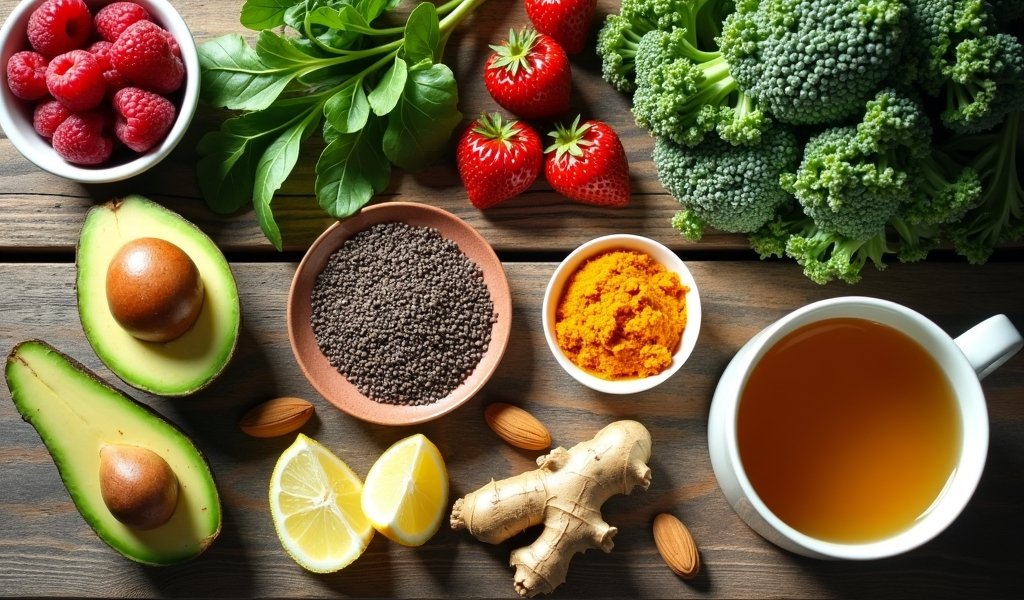
While eliminating trigger foods is crucial, equally important is filling your plate with foods that actively calm inflammation. Think of these as nature’s fire extinguishers for your overactive immune system.
Fatty fish like salmon, mackerel, and sardines deliver omega-3 fatty acids that help resolve inflammation at the cellular level. Colorful fruits and vegetables contain antioxidants that neutralize the free radicals driving inflammation. Specific compounds deserve special attention:
- Curcumin in turmeric modulates inflammatory pathways
- Allicin in garlic exhibits powerful immune-regulating properties
- Gingerols in ginger block inflammatory messaging in the body
- Anthocyanins in berries neutralize free radicals
- Sulforaphane in cruciferous vegetables activates detox pathways
Simple ways to incorporate these foods include adding a handful of berries to breakfast, sautéing leafy greens with garlic, sprinkling turmeric and black pepper into soups, enjoying fatty fish twice weekly, and snacking on omega-3-rich nuts if tolerated.
These small additions can yield significant benefits. Many of my clients report noticeable improvements within just 2-3 weeks of emphasizing these anti-inflammatory foods in their autoimmune diet food plan.
3. Prioritize Gut Health
Your gut isn’t just for digestion—it’s command central for your immune system. Approximately 70% of immune cells reside in the gut-associated lymphoid tissue, making gut health non-negotiable for managing autoimmune conditions.
Research consistently shows that autoimmune conditions feature an imbalanced gut microbiome—too many inflammatory species and too few beneficial ones. This imbalance perpetuates immune dysfunction and inflammation.
Fermented foods offer a delicious solution by delivering beneficial bacteria directly to your digestive system. Consider incorporating:
- Sauerkraut or kimchi (unpasteurized varieties)
- Kombucha (low-sugar versions)
- Coconut yogurt (if dairy isn’t tolerated)
- Water kefir
- Fermented vegetables
Equally important are prebiotic foods—fibers that feed your beneficial bacteria. Rich sources include garlic, onions, leeks, asparagus, Jerusalem artichokes, and slightly underripe bananas.
Beyond food, stress management and adequate sleep are crucial for gut health. Chronic stress alters gut bacteria composition and increases intestinal permeability—exactly what we’re trying to avoid.
4. Focus on Nutrient-Dense Foods
Autoimmune conditions create perfect storms for nutritional deficiencies: inflammation increases nutrient needs, digestive symptoms may reduce absorption, and certain medications can deplete specific nutrients.
Several nutrients deserve special attention. Vitamin D functions more like a hormone than a vitamin, directly regulating immune responses. Studies consistently find that individuals with autoimmune conditions tend to have lower vitamin D levels. While sun exposure helps, food sources like fatty fish and egg yolks are important, especially during winter months.
Magnesium, zinc, selenium, and B vitamins also play crucial roles in immune regulation and energy production—and deficiencies in these nutrients are common among those with autoimmune conditions.
Rather than focusing solely on supplements (though these may be necessary in some cases), aim to maximize the nutritional value of every bite. Prioritize nutrient-dense foods like:
- Organ meats (nature’s multivitamin)
- Eggs from pasture-raised chickens (if tolerated)
- Deeply colored vegetables
- Bone broth
- Sustainably raised animal products
- Sea vegetables
Remember: quality trumps quantity. A smaller portion of nutrient-rich food delivers more healing potential than larger amounts of nutritionally empty options. This approach aligns perfectly with principles of the pegan diet, which emphasizes nutrient density and food quality.
5. Balance Blood Sugar Levels
The rollercoaster of blood sugar spikes and crashes doesn’t just affect energy—it directly impacts inflammation levels and immune function. When blood sugar rises rapidly, it triggers an inflammatory response that can exacerbate autoimmune symptoms.
Creating balanced meals is your first defense. Every meal and snack should include:
- Quality protein (such as fish, poultry, meat, eggs, or legumes if tolerated)
- Healthy fats (avocado, olives, nuts, seeds, coconut)
- Fiber-rich vegetables and fruits
- Complex carbohydrates in appropriate amounts for your activity level
This winning combination slows digestion and prevents the sharp blood sugar spikes that can trigger inflammation. Timing matters too—rather than three large meals that can overwhelm your digestive system and cause larger blood sugar fluctuations, consider eating smaller meals more frequently.
Particularly powerful for blood sugar management is consuming protein and fiber before carbohydrates within a meal. This simple sequencing trick can reduce post-meal blood sugar spikes by up to 30%, according to research published in Diabetes Research and Clinical Practice.

6. Optimize Hydration and Detoxification
Water is the unsung hero of autoimmune management. Proper hydration ensures that immune cells can move efficiently, waste products can be removed, and chemical reactions necessary for energy production can occur optimally.
Many with autoimmune conditions have overtaxed detoxification systems due to increased inflammatory by-products and environmental toxins. Supporting these pathways isn’t about fancy cleanses but rather providing consistent hydration and nutrient support.
Aim to drink half your body weight in ounces of filtered water daily. Herbal teas like dandelion root, milk thistle, and ginger can provide additional support for liver function—your primary detoxification organ.
Foods that support detoxification pathways include:
- Cruciferous vegetables (broccoli, cauliflower, Brussels sprouts, kale)
- Sulfur-rich foods (garlic, onions)
- Leafy greens (provide folate and chlorophyll)
- Beets (support bile flow)
- Citrus (stimulates liver enzymes)
A simple morning ritual of warm water with lemon can gently stimulate detoxification pathways and hydrate your body after the night’s fast. This small habit often makes a noticeable difference in energy levels for many of my clients with autoimmune conditions.
7. Practice Mindful Eating
The mind-body connection isn’t just philosophy—it’s biology. When you eat in a stressed state, your body diverts resources away from proper digestion, potentially leading to reduced nutrient absorption and increased food sensitivities.
Chronic stress also directly increases inflammation, potentially worsening autoimmune symptoms. This creates a compelling case for mindful eating practices.
Before meals, take three deep breaths to activate your parasympathetic nervous system—the “rest and digest” mode that optimizes digestive function. Express gratitude for your food, which research suggests can actually improve digestion and satisfaction.
Chew thoroughly—aim for 20-30 chews per bite—which not only improves digestion but helps you tune into fullness cues. Avoid distractions like television, smartphones, or intense conversations during meals, as these can lead to unconscious overeating and impaired digestion.
Creating sustainable eating habits means finding the balance between structure and flexibility. While consistency supports healing, perfection is neither necessary nor sustainable. The 80/20 approach—focusing on optimal choices 80% of the time while allowing more flexibility 20% of the time—creates psychological space for the occasional deviation without derailing your progress.
Conclusion
Managing autoimmune conditions through diet isn’t about following a perfect plan—it’s about making consistent choices that support your body’s healing processes. The seven strategies we’ve explored represent powerful tools for reducing inflammation, supporting healing, and reclaiming energy that autoimmune conditions often steal away.
Remember that these changes don’t need to happen overnight. In fact, implementing them gradually often leads to more sustainable results. Begin with the tip that resonates most strongly with you, master it, and then add another.
While diet plays a crucial role in autoimmune management, it’s just one piece of the puzzle. Quality sleep, stress management, appropriate movement, and working with healthcare providers on medical management all contribute to the bigger picture of autoimmune health.
Your body has an remarkable capacity for healing when given the right tools. By consciously choosing foods that support rather than hinder your immune function, you’re taking a powerful step toward reclaiming control over your health and energy levels. The journey may have challenges, but the destination—improved quality of life and reduced symptoms—makes every mindful bite worthwhile.
Frequently Asked Questions
How long does it take to see improvements on an autoimmune diet?
Most people notice initial improvements within 2-4 weeks of consistent dietary changes. However, deeper healing can take 3-6 months as the body repairs damage and inflammation subsides.
Is the autoimmune diet meant to be followed forever?
The strictest elimination phase is temporary, typically lasting 30-90 days. After this period, most people can systematically reintroduce foods to identify their personal tolerance level.
Can I take supplements instead of changing my diet?
Supplements can support an autoimmune protocol but cannot replace dietary changes. Food provides thousands of compounds that work synergistically in ways supplements cannot replicate.
Do I need to be 100% perfect with the autoimmune diet?
Perfection isn’t necessary for improvement. Most people find the 80/20 rule works well after the initial elimination phase—following the protocol strictly 80% of the time while allowing some flexibility for the remaining 20%.
Will I need to avoid trigger foods forever?
Not necessarily. As gut health improves and inflammation reduces, many people regain tolerance to some previously problematic foods, though certain strong triggers may need permanent limitation.