

Overview
This article presents ten gut-healing foods for the Autoimmune Protocol (AIP) diet, including bone broth, fermented vegetables, coconut products, organ meats, and turmeric, which work together to reduce inflammation, support gut flora, and repair intestinal lining. These foods, when properly incorporated into a consistent meal plan, can help calm autoimmune symptoms by addressing root causes in the gut while avoiding common trigger foods that might worsen inflammation.
Table of Contents
- What is the AIP Diet?
- What Makes a Food “Gut-Healing”?
- Bone Broth: Your Gut’s Liquid Gold
- Fermented Vegetables: Probiotic Powerhouses
- Coconut Products: Tropical Healing Allies
- Organ Meats: Nature’s Multivitamin
- Leafy Greens: Foundation for Gut Flora
- Root Vegetables: Prebiotic Champions
- Wild-Caught Fish: Omega-3 Inflammation Fighters
- Turmeric: Nature’s Golden Healer
- Ginger: The Digestive Harmonizer
- Berries: Antioxidant Guardians
- Creating Your Gut-Healing Meal Plan
- Common Pitfalls to Avoid
- Tracking Your Healing Journey
- Your Personal Path to Healing
- Frequently Asked Questions
What is the AIP Diet?
Navigating life with an autoimmune condition can feel like trying to sail through a storm without a compass. If you’ve been weathering the unpredictable seas of inflammation and persistent symptoms, the Autoimmune Protocol diet might just be the North Star you’ve been searching for. At its heart, AIP isn’t just another diet—it’s a comprehensive healing strategy designed to calm inflammation, ease autoimmune symptoms, and repair your gut, which serves as the command center for your immune system.
Your gut health isn’t merely about smooth digestion—it’s the bedrock of your entire immune function. When this foundation cracks (as it commonly does with autoimmune conditions), everything built upon it becomes shaky. The silver lining? Mother Nature has packed her pantry with potent remedies to patch these cracks, and I’ve curated the top 10 most effective gut-healing foods that play by AIP rules.
Whether you’re dipping your toes into the AIP waters or looking to supercharge your existing protocol, these powerhouse foods can revolutionize your healing journey from the inside out. Let’s dive into the world of gut-healing nutrition that could rewrite your autoimmune story.
What Makes a Food “Gut-Healing”?
Before we explore our healing heroes, let’s understand what earns a food its “gut-healing” badge of honor. Picture your gut lining as a carefully woven mesh—tight enough to keep unwelcome particles out while allowing nutrients to pass through. In autoimmune conditions, this mesh develops holes (what we call leaky gut or intestinal permeability), allowing undigested food particles and toxins to escape into your bloodstream, triggering immune responses and inflammation.
True gut-healing foods share several key qualities:
- Anti-inflammatory properties that calm your immune system’s overreactions
- Rich nutrient density providing building blocks for repair
- Easy digestibility that doesn’t tax your healing system
- Support for healthy gut bacteria to restore microbial balance
- Freedom from common triggers that might fuel the inflammatory fire
These foods work like skilled craftspeople, mending holes in your gut lining, reinforcing the tight junctions between cells, and creating a thriving environment where beneficial bacteria flourish. The result? A stronger barrier against unwanted invaders and a calmer immune system less likely to attack your own tissues.
According to research published in the Journal of Autoimmunity, the connection between gut health and autoimmune disease is stronger than we once thought. The foods we’ll explore work specifically to heal this connection.
Bone Broth: Your Gut’s Liquid Gold
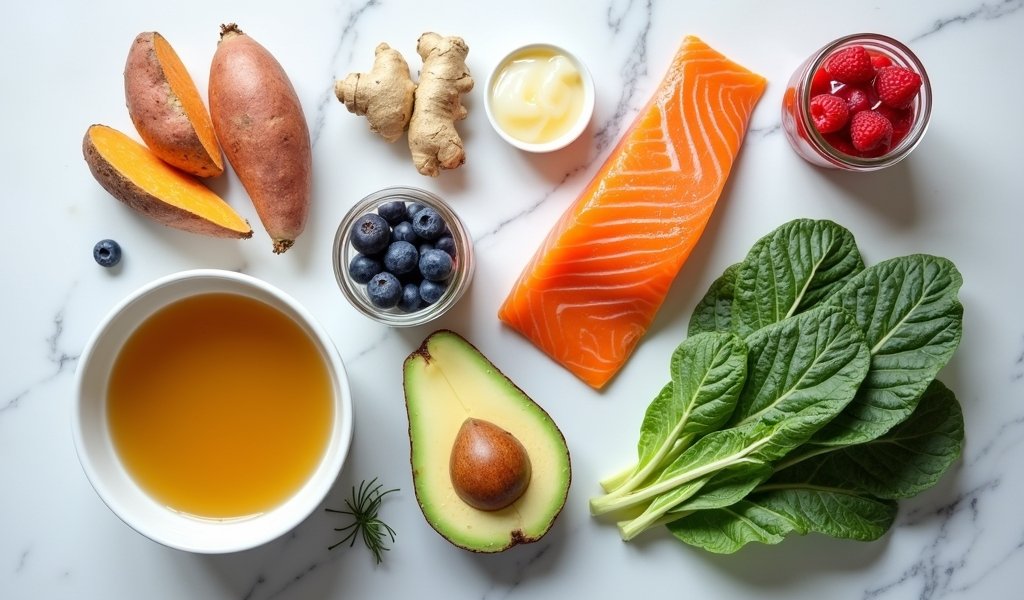
If the AIP diet had a mascot, bone broth would wear the crown. This ancient remedy isn’t just comfort in a cup—it’s a therapeutic elixir packed with gut-healing compounds that work like medicine.
The magic lies in its abundant collagen and gelatin content, which act as spackle for the tiny gaps in your intestinal lining. These proteins deliver amino acids like glycine, proline, and glutamine that nourish your gut cells and help them regenerate. Glutamine, in particular, serves as the primary fuel for intestinal cells, supporting their rapid turnover and strengthening your gut barrier.
Bone broth also delivers easy-to-absorb minerals like calcium, magnesium, phosphorus, and potassium—essential players in cellular repair. The best part? These nutrients come in a form that requires minimal digestive effort, giving your gut a chance to heal while still receiving nourishment.
Try these simple ways to make bone broth a daily habit:
- Swap your morning coffee for a warm mug of broth
- Use it as the foundation for AIP-friendly soups and stews
- Simmer vegetables in broth instead of water for added flavor and nutrition
- Freeze in ice cube trays to add instant nutrition to any cooked dish
For maximum gut-healing benefits, aim for homemade broth from high-quality bones simmered for at least 24 hours to extract all that nutritional goodness. Your gut will thank you for this liquid gold treatment!
Fermented Vegetables: Probiotic Powerhouses
Long before probiotic supplements lined health store shelves, cultures worldwide were fermenting vegetables—unknowingly creating gut-healing superfoods in the process.
Fermented vegetables like sauerkraut and kimchi (made without nightshades for AIP compliance) are teeming with live beneficial bacteria that help reestablish a healthy microbial ecosystem in your gut. These friendly microbes fight off pathogenic invaders, produce vitamins, help digest food particles, and even create short-chain fatty acids that feed your intestinal cells.
Beyond their probiotic content, the fermentation process actually pre-digests plant fibers, making nutrients more bioavailable and easier on your digestive system. This is particularly valuable when your gut is in repair mode and not producing optimal digestive enzymes.
Here’s how to ease fermented foods into your routine:
- Start with just 1 teaspoon daily to avoid potential die-off reactions
- Gradually increase to 1-2 tablespoons per meal
- Choose unpasteurized versions with live cultures (refrigerated, not shelf-stable)
- Make your own using simple ingredients: cabbage, salt, and time
Remember that variety is key—different fermented vegetables contain different bacterial strains, so rotate your choices for broader microbial diversity. Think of it as growing a diverse garden in your gut!
Coconut Products: Tropical Healing Allies
Mother Nature packaged a pharmacy of gut-healing compounds in the humble coconut, making it a versatile ally on your AIP journey.
Coconut oil stands out for its medium-chain triglycerides (MCTs), particularly lauric acid, which possess impressive antimicrobial properties. These MCTs help rebalance gut flora by selectively targeting harmful bacteria and yeasts while sparing beneficial ones. Unlike longer-chain fatty acids, MCTs don’t require bile salts for digestion, making them gentle on a healing digestive system.
Coconut milk provides creamy texture and satisfying fats to AIP meals, while coconut kefir (fermented coconut water) combines the benefits of MCTs with probiotic power—a double win for gut health.
The fiber in coconut meat and flour feeds beneficial bacteria in your large intestine, producing butyrate—a short-chain fatty acid that nourishes colon cells and dampens inflammation. This prebiotic effect complements the antimicrobial benefits, creating balanced gut flora support.
Here are some versatile ways to bring coconut’s healing power into your kitchen:
- Use coconut oil for cooking at high temperatures
- Blend coconut milk into smoothies or soups for creaminess
- Try coconut yogurt or kefir for probiotic benefits (check for non-AIP additives)
- Use coconut flour for AIP baking (combined with other compliant flours)
Studies have shown that the MCTs in coconut oil can help modulate the immune response, making it particularly valuable for autoimmune conditions.
Organ Meats: Nature’s Multivitamin
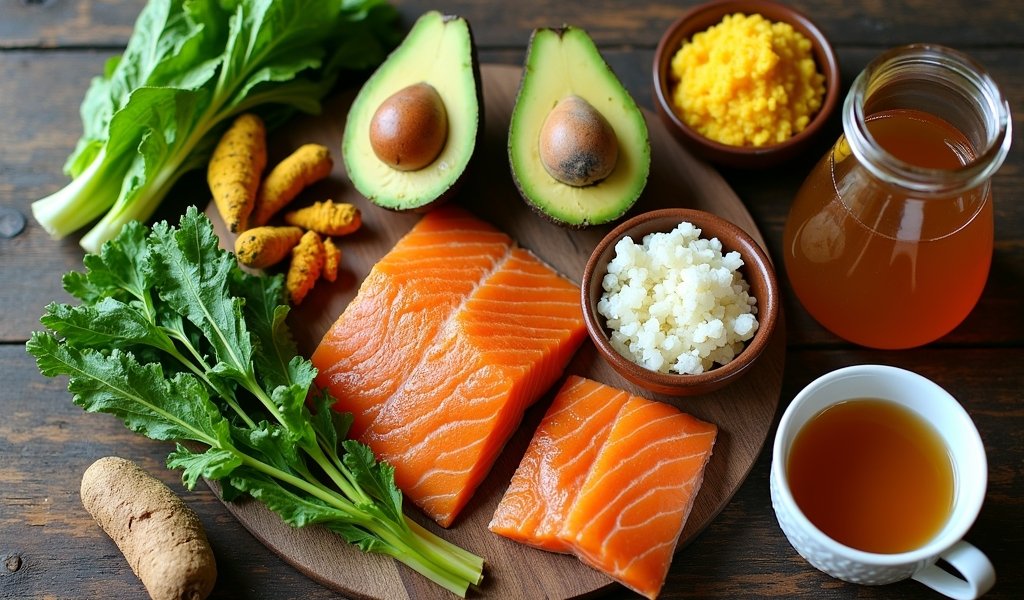
They might not win the popularity contest on most dinner tables, but organ meats are nutritional rock stars that deserve a starring role in your gut-healing protocol.
Liver, heart, kidneys, and other organ meats contain up to 10-100 times the nutrients of muscle meats. They’re bursting with fat-soluble vitamins (A, D, E, K) that regulate immune function and support cell membrane integrity in your gut lining. Vitamin A is especially crucial, as it helps maintain the protective mucosal layer covering your intestinal walls and regulates immune cell activity.
The B vitamin content of organ meats—particularly B12, folate, and choline—supports cellular energy production, detoxification, and nervous system function. These nutrients are essential for the rapid turnover of intestinal cells, which replace themselves every 4-5 days.
If you’re organ-meat shy, try these beginner-friendly approaches:
- Hide small amounts of ground liver in ground beef dishes
- Make pâté with herbs and coconut oil for a nutrient-dense spread
- Try heart, which has a texture similar to muscle meat
- Use frozen, grated liver as “sprinkles” added to soups right before serving
Even a small serving once or twice weekly can dramatically boost your nutrient status and support gut healing. Think of organ meats as nature’s multivitamin—in delicious food form!
Leafy Greens: Foundation for Gut Flora
Think of leafy greens as the fertile soil in which your gut microbiome thrives. These fiber-rich plants provide perfect nourishment for beneficial bacteria while delivering vitamins and minerals essential for intestinal repair.
The fiber in greens like kale, spinach, collards, and arugula feeds beneficial bacteria, which then produce short-chain fatty acids that heal and seal your gut lining. These same fibers help regulate bowel movements, preventing both constipation and diarrhea—common challenges during gut healing.
Leafy greens are also mineral powerhouses, providing magnesium, calcium, and potassium that support proper cell function and electrolyte balance. Their vitamin K content promotes proper blood clotting and helps regulate immune responses.
The best AIP-compliant leafy greens include:
- Collard greens
- Kale (all varieties)
- Spinach
- Arugula
- Lettuce varieties
- Bok choy
- Swiss chard
If raw greens challenge your digestion, start with well-cooked versions. Sauté them with coconut oil and a pinch of salt, or add them to bone broth soups where they’ll become tender and easier to digest. Your gut bacteria will still thank you for the fiber feast!
Root Vegetables: Prebiotic Champions
Root vegetables are the unsung heroes of gut healing, providing essential prebiotics—non-digestible fibers that feed your beneficial gut bacteria.
When you eat root vegetables like sweet potatoes, carrots, turnips, and beets, their resistant starch and soluble fiber travel through your small intestine undigested. Once they reach your colon, beneficial bacteria feast on these fibers, producing butyrate and other short-chain fatty acids that heal your gut lining and cool inflammation.
Beyond their prebiotic perks, root vegetables provide steady, gentle energy without blood sugar roller coasters (especially when eaten with healthy fats). Their vibrant colors signal different antioxidants that fight oxidative stress—a key player in autoimmune flares.
AIP-friendly root vegetables include:
- Sweet potatoes
- Carrots
- Turnips
- Parsnips
- Rutabaga
- Beets
- Cassava/yuca
To maximize their prebiotic potential, try cooking and then cooling root vegetables before eating. This process increases their resistant starch content. A cold sweet potato salad with coconut yogurt delivers more gut-healing benefits than a hot baked sweet potato. It’s like serving your gut bacteria a gourmet meal!
Wild-Caught Fish: Omega-3 Inflammation Fighters
The right balance of fats can make or break your gut healing journey. Wild-caught fish deliver omega-3 fatty acids—particularly EPA and DHA—that help resolve inflammation and support the integrity of every cell membrane in your body, including those lining your digestive tract.
These essential fats work like natural anti-inflammatory medicines without the side effects. They integrate into cell membranes, influencing how cells respond to inflammatory signals. With adequate omega-3s, your intestinal cells become more resilient against inflammation and better at maintaining tight junctions—those crucial seals between cells that prevent leaky gut.
Small, fatty fish also provide vitamin D—a critical immune regulator often lacking in people with autoimmune conditions—and selenium, which supports thyroid function and antioxidant systems.
The best choices for AIP include:
- Wild salmon
- Sardines
- Anchovies
- Mackerel
- Herring
Aim for 3-4 servings weekly, focusing on smaller fish to minimize mercury exposure. Simple preparation methods like poaching in bone broth or baking with herbs and coconut oil make these nutrition powerhouses accessible even to novice cooks.
Turmeric: Nature’s Golden Healer
If inflammation were a fire raging in your gut, turmeric would be the fire extinguisher. This golden root has been used medicinally for thousands of years, and modern research backs up its impressive anti-inflammatory prowess.
Curcumin, turmeric’s active compound, works through multiple pathways to dampen inflammatory processes, particularly those driven by NF-κB—a protein complex that regulates immune responses and often runs amok in autoimmune conditions. By reining in this master switch of inflammation, turmeric helps create a calmer environment where gut healing can flourish.
Beyond inflammation control, turmeric supports digestion by stimulating bile production, shields the gut lining from oxidative damage, and may even nurture the growth of beneficial gut bacteria.
The catch with turmeric is its poor bioavailability—your body struggles to absorb curcumin efficiently. To enhance absorption:
- Always pair turmeric with black pepper (if tolerated after AIP reintroductions)
- Combine with fat (like coconut oil)
- Consider using fermented turmeric preparations
- Use fresh turmeric root when possible (it contains natural oils that aid absorption)
Even a quarter teaspoon daily can support your gut-healing efforts, though therapeutic doses in studies are often higher. Think of turmeric as your golden ticket to a calmer gut!
Ginger: The Digestive Harmonizer
Ginger does more than add spicy warmth to your meals—it’s a multifaceted digestive ally that can significantly boost your gut healing process.
This rhizome contains compounds called gingerols and shogaols that stimulate digestive enzyme production, increase bile flow, and enhance the movement of food through your digestive tract. These actions reduce the burden on a healing gut while ensuring nutrients are properly extracted from your food.
Ginger’s anti-inflammatory effects complement its digestive benefits, helping to soothe intestinal inflammation and ease discomfort. Research suggests it may also help restore balanced gut bacteria and protect against intestinal damage from toxins and stress.
Try these simple ways to bring ginger into your AIP routine:
- Steep fresh ginger slices in hot water for a soothing tea
- Add grated ginger to bone broth or soups
- Blend into smoothies with coconut milk and berries
- Make a marinade with grated ginger, coconut aminos, and olive oil
Fresh ginger typically offers more potent benefits than dried, though both forms contribute to gut healing. Consider ginger your digestive system’s personal orchestra conductor, helping everything work in harmony!
Berries: Antioxidant Guardians
Berries earn their spot on our gut-healing lineup by providing powerful antioxidant protection with minimal sugar impact. Their deep colors signal the presence of polyphenols—plant compounds that both feed beneficial gut bacteria and shield your intestinal cells from oxidative damage.
The fiber in berries, especially soluble fiber, supports healthy bowel movements and nourishes beneficial bacteria. When these bacteria ferment berry fibers, they produce short-chain fatty acids that feed colon cells and reduce inflammation.
Berries also have a relatively low glycemic impact compared to other fruits, making them less likely to feed problematic yeasts or trigger blood sugar swings that can worsen autoimmune symptoms.
AIP-compliant berries include:
- Blueberries
- Strawberries
- Raspberries
- Blackberries
- Cranberries
Fresh berries offer the highest nutrient value, but frozen berries are a convenient and economical alternative with similar benefits. Aim for variety to get a broader spectrum of antioxidants, and enjoy them in moderation—about 1/2 cup daily is enough to reap their gut-healing benefits.
Creating Your Gut-Healing Meal Plan
Transforming these individual healing foods into a cohesive eating plan is your recipe for success. Here’s what a day of gut-focused AIP eating might look like:
Breakfast: Bone broth with poached wild salmon, sautéed kale, and a small piece of ginger
Lunch: Sweet potato “toast” topped with sardines, arugula, and fermented vegetables
Dinner: Slow-cooked grass-fed beef heart with roasted root vegetables and turmeric-coconut sauce
Snack: Blueberries with coconut yogurt
Notice how each meal contains multiple gut-healing elements working in concert. This approach maximizes your healing potential while keeping meals interesting and satisfying.
For successful implementation:
- Batch cook bone broth and organ meat dishes weekly
- Prepare fermented vegetables in rotation so they’re always available
- Keep frozen berries and vegetables on hand for convenience
- Focus on simple preparations rather than complex AIP recreations of standard dishes
Remember that healing power comes from consistency over time, not perfection at every meal. The 21-day anti-inflammatory diet approach can be a great way to kickstart your healing journey with structured guidance.
Common Pitfalls to Avoid
Even with the best intentions, there are potholes that can slow your progress. Keep an eye out for these common missteps:
Overemphasis on certain foods: While bone broth is amazing, it shouldn’t replace solid food entirely. Likewise, don’t rely exclusively on coconut products—diversity is key for both nutrition and microbial health.
Neglecting diversity: Rotating foods is crucial for preventing new sensitivities and feeding different beneficial bacterial strains. Aim for at least 25 different plant foods weekly, even within AIP restrictions.
Improper food preparation: Undercooked root vegetables can be hard on a healing gut, while overcooked greens lose nutrients. Learn proper preparation methods for maximum bioavailability and digestibility.
Ignoring your body’s signals: Your individual response is your best guide. If a theoretically “healing” food consistently causes symptoms, respect that signal regardless of what any food list says.
Perfectionism: Stress is a gut killer. Aiming for 80-90% compliance while maintaining quality of life often proves more successful long-term than exhausting yourself with 100% perfection.
Tracking Your Healing Journey
Healing isn’t always linear, but certain signs indicate you’re moving in the right direction:
- Improved bowel movements (more regular, better formed)
- Reduced gas and bloating
- Increased energy levels
- Better tolerance of foods over time
- Improved skin appearance
- Reduced joint pain or other inflammatory symptoms
- More stable mood
Keep a simple journal tracking these markers alongside your food intake. Look for patterns rather than day-to-day fluctuations.
When you notice consistent improvement for at least 30-60 days, you might be ready to strategically reintroduce foods following AIP protocols. Work with a healthcare provider familiar with AIP to guide this process, as it’s a critical opportunity to identify your specific triggers and expand your diet safely.
Remember that gut healing timelines vary greatly depending on your condition’s severity, your compliance with the protocol, stress levels, sleep quality, and individual factors. Most people need at least 3-6 months of dedicated effort, while some may require longer.
Your Personal Path to Healing
The journey to healing through the AIP diet isn’t a sprint—it’s more like tending a garden. These ten powerful foods are your seeds, and with consistent care, they can transform the landscape of your gut health and, by extension, your autoimmune condition.
Some days you’ll feel the progress blooming visibly; other days may feel dormant. Trust that beneath the surface, healing continues with every nourishing meal you provide.
The most powerful approach combines these gut-healing foods with other fundamental health practices: quality sleep, stress management, appropriate movement, and connection with supportive people. Together, these elements create an environment where your body can remember its innate wisdom for healing.
Understanding which foods support your gut healing most effectively is your first step toward reclaiming your health. The path ahead may have twists and turns, but you now have a map to navigate them—one healing meal at a time.
What gut-healing food will you add to your next meal? Your healing journey begins with your very next bite.
Frequently Asked Questions
How long should I follow the AIP diet before reintroducing foods?
Most health professionals recommend following the elimination phase for at least 30-90 days, until you see significant symptom improvement. Your individual healing timeline may vary based on your condition’s severity and how strictly you follow the protocol.
Can I eat eggs on the AIP diet?
No, eggs are eliminated during the initial phase of AIP as they can be inflammatory for many people with autoimmune conditions. They’re often one of the first foods carefully reintroduced during the reintroduction phase if well tolerated.
Are nightshade vegetables allowed on AIP?
Nightshades (tomatoes, peppers, eggplant, potatoes, etc.) are eliminated on the AIP diet as they contain compounds that may increase intestinal permeability in sensitive individuals. They can be tested during the reintroduction phase to determine your personal tolerance.
Can I drink coffee on the AIP diet?
Coffee is eliminated during the AIP protocol since it’s a seed-based drink that can be inflammatory for some people. Herbal teas (non-seed based) and bone broth make excellent alternatives during the elimination phase.
Is the AIP diet safe for pregnant women?
The AIP diet can be safe during pregnancy when properly implemented to ensure adequate nutrition, but should always be supervised by healthcare providers. Pregnancy isn’t typically the ideal time to start an elimination diet unless medically necessary.
Pingback: 7 Essential Autoimmune Diet Tips to Heal & Boost Energy - achievehealthgoals.com