
Overview
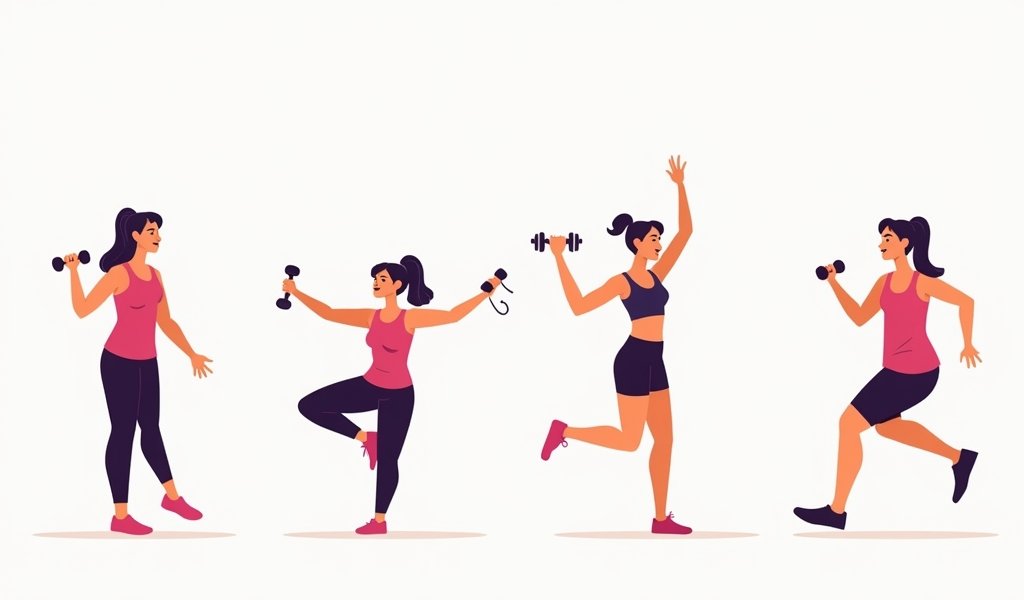
Who knew that sweating could be therapeutic beyond just making your gym clothes smell funny? This article explores seven evidence-based workout approaches specifically designed for women’s mental health—including mindful yoga, rhythmic cardio, strength training, dance therapy, outdoor activities, modified HIIT, and movement meditation—highlighting how intentional physical activity can significantly reduce anxiety, depression, and stress while promoting emotional wellbeing and psychological resilience.
Table of Contents
- Introduction to Women’s Mental Health Workouts
- The Science-Backed Benefits of Exercise for Mental Health
- 1. Mindful Yoga: Connecting Body and Mind
- 2. Rhythmic Cardio: Running and Walking for Anxiety Relief
- 3. Strength Training: Building Physical and Mental Resilience
- 4. Dance Therapy: Express Emotions Through Movement
- 5. Outdoor Activities: Harnessing Nature’s Therapeutic Power
- 6. Modified HIIT: Stress Release Through Intensity
- 7. Movement Meditation: Finding Stillness in Action
- Creating a Sustainable Mental Wellness Routine
- Conclusion
- Frequently Asked Questions
Introduction to Women’s Mental Health Workouts
May marks Women’s Mental Health Month, a time dedicated to raising awareness about the unique mental health challenges women face. As a clinical psychologist specializing in women’s mental wellness, I’ve witnessed firsthand how holistic wellness approaches can transform lives. Among these approaches, purposeful physical activity stands out as a powerful, accessible tool for mental wellbeing.
The connection between movement and mental health isn’t just anecdotal—it’s backed by robust scientific evidence. Women’s mental health workouts offer more than physical benefits; they provide critical emotional regulation, stress reduction, and mood enhancement. With anxiety and depression affecting women at nearly twice the rate of men, finding effective, sustainable strategies becomes essential.
Exercise for anxiety relief has gained significant clinical attention, with research consistently demonstrating its effectiveness as both a preventative measure and intervention. Whether you’re navigating hormonal shifts, work-life balance challenges, or recovery from trauma, tailored physical activity offers mental benefits that often rival pharmaceutical interventions—without the side effects.
In this comprehensive guide, we’ll explore seven evidence-based workouts specifically designed to support women’s mental health. These accessible practices combine the physiological advantages of exercise with mindfulness techniques to create powerful tools for emotional regulation and psychological resilience.
The Science-Backed Benefits of Exercise for Mental Health
Before diving into specific workouts, let’s understand why exercise is so transformative for mental wellbeing. The physical activity mental benefits extend far beyond weight management or cardiovascular health—they fundamentally alter brain chemistry and structure in ways that enhance psychological functioning.
When you engage in exercise for anxiety relief, your body releases endorphins—natural mood elevators that create what’s often called the “runner’s high.” Simultaneously, physical activity reduces levels of cortisol and adrenaline, your body’s primary stress hormones. This biochemical shift creates an immediate calming effect that can persist for hours following a workout.
Research published in Journal of Affective Disorders found that regular exercise can be as effective as medication for treating mild to moderate depression in women. The study demonstrated that consistent physical activity increases levels of brain-derived neurotrophic factor (BDNF), which promotes neural growth and connections in regions of the brain regulating mood.
Beyond the immediate biochemical effects, women’s mental health workouts provide structured opportunities for:
- Interrupting negative thought patterns through focused physical tasks
- Developing body awareness and appreciation beyond appearance
- Creating dedicated self-care time in busy schedules
- Building confidence through progressive skill development
- Accessing supportive social connections in group settings
The mind-body connection cultivated through intentional movement creates a foundation for emotional resilience. Each of the following seven workout approaches offers unique psychological benefits while accommodating different preferences, physical abilities, and lifestyle constraints.
1. Mindful Yoga: Connecting Body and Mind
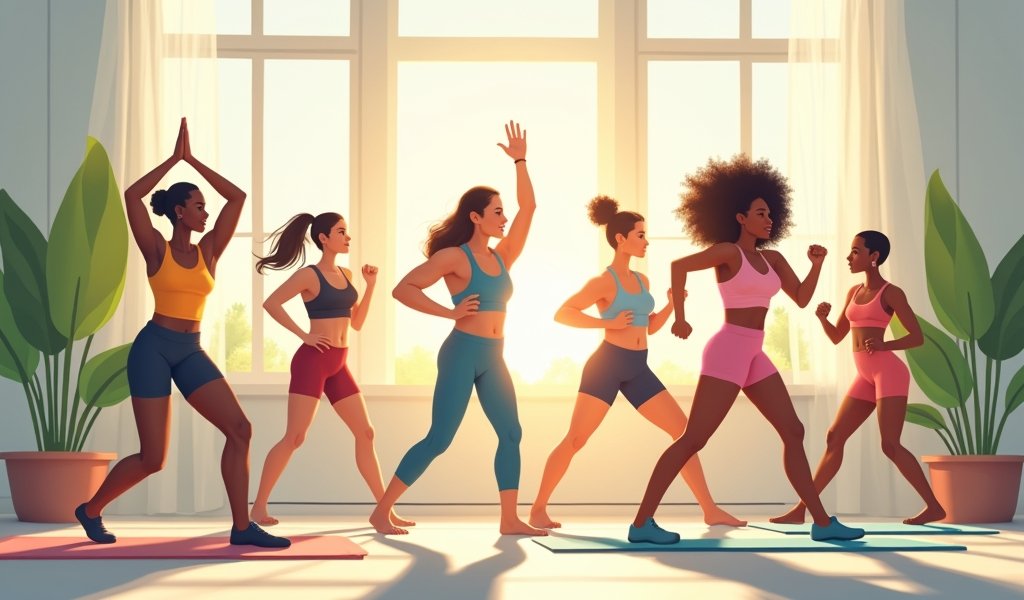
Yoga stands as perhaps the most researched movement practice for mental wellbeing, with compelling evidence supporting its effectiveness for anxiety, depression, and trauma recovery. As a women’s mental health workout, yoga uniquely combines physical postures, breathwork, and meditation—addressing psychological wellbeing from multiple angles simultaneously.
The beauty of yoga for mental health lies in its adaptability. From gentle restorative practices that activate the parasympathetic nervous system to more vigorous vinyasa flows that release tension through movement, there’s a yoga style for every emotional need and physical ability.
For anxiety relief, specific yoga sequences focusing on forward folds, gentle inversions, and extended exhalations can trigger the body’s relaxation response. A study in the International Journal of Yoga found that women practicing yoga twice weekly for three months showed significant reductions in perceived stress and anxiety compared to control groups.
To incorporate yoga into your mental wellness routine, consider these approaches:
- Begin with a 10-minute morning practice focusing on breath-synchronized movement
- Explore Yoga Nidra (yogic sleep) recordings for deep relaxation during high-stress periods
- Join a women’s-specific yoga class that creates space for shared experiences
- Practice single postures (like child’s pose or legs up the wall) as “mental health moments” throughout your day
The mindfulness cultivated through yoga extends beyond the mat, creating greater awareness of thought patterns and emotional responses in daily life. This heightened awareness becomes a foundation for proactive mental health management.
2. Rhythmic Cardio: Running and Walking for Anxiety Relief
Rhythmic cardiovascular activities—like walking, running, swimming, or cycling—offer powerful exercise for anxiety relief through their meditative qualities and biochemical effects. The repetitive nature of these movements creates a natural mindfulness practice, anchoring attention to breath, footfalls, or stroke patterns rather than ruminating thoughts.
Walking deserves special attention as perhaps the most accessible mental health intervention available. A 2018 review in Journal of Psychiatric Research found that just 30 minutes of moderate-intensity walking can significantly reduce symptoms of anxiety, with effects lasting several hours post-exercise.
Running, while requiring greater physical capacity, offers intensified mental health benefits through what psychologists call “directed attention restoration.” The focused attention required, combined with endorphin release, creates a powerful reset for an overwhelmed nervous system. Many women report that running provides a sense of empowerment and accomplishment that extends beyond the activity itself.
To maximize the mental health benefits of cardio workouts:
- Practice “mindful running” by focusing on physical sensations rather than pace or distance
- Try “green exercise” by walking or running in natural environments when possible
- Use “tempo walking” (alternating fast and relaxed paces) to release physical tension
- Consider “social cardio” through walking groups for women, combining movement with connection
Remember that consistency matters more than intensity when it comes to cardio for mental wellbeing. A daily 20-minute walk delivers greater psychological benefits than an occasional intensive session.
3. Strength Training: Building Physical and Mental Resilience
Strength training has been historically underutilized in women’s mental health workouts, but research increasingly highlights its unique psychological benefits. Beyond the physical empowerment of developing strength, resistance training creates profound shifts in self-perception and emotional resilience.
A groundbreaking study in JAMA Psychiatry found that resistance training significantly reduced depressive symptoms in adults regardless of health status, total prescribed volume, or improvements in strength. This suggests the mental benefits extend beyond physical adaptations.
For women specifically, strength training offers an opportunity to challenge limiting beliefs about capability and redefine relationships with their bodies based on function rather than appearance. The progressive nature of strength development—moving from simpler to more complex movements with increasing resistance—provides tangible evidence of growth that can translate to other life domains.
Effective approaches to strength training for mental wellbeing include:
- Starting with body weight exercises that build fundamental movement confidence
- Using “mindful resistance” techniques that focus on muscle sensations rather than counting
- Implementing “emotional release” sets that pair challenging movements with intentional expression
- Creating sustainable programming that prioritizes consistency over intensity
While many women initially hesitate to engage with strength training due to misconceptions about bulking up, the psychological rewards—including improved body image, reduced anxiety, and enhanced self-efficacy—make it an essential component of comprehensive mental wellness programming.
4. Dance Therapy: Express Emotions Through Movement
Dance offers a uniquely powerful approach to women’s mental health workouts by combining physical exertion with emotional expression and creativity. Unlike more structured forms of exercise, dance creates space for processing complex emotions through movement, accessing psychological material that might remain untouched through verbal therapies alone.
Clinical dance/movement therapy has established efficacy for anxiety, depression, and trauma recovery, but even informal dance practice delivers significant mental health benefits. The combination of music, movement, and expressivity creates what neuroscientists call a “state of flow”—complete absorption in an activity that temporarily suspends self-criticism and worry.
For women navigating significant life transitions—whether career changes, relationship shifts, or reproductive experiences—dance provides a physical vocabulary for expressing complex emotional states. The freedom of movement creates permission for emotional release that many find difficult to access in everyday life.
Approaches to incorporating dance for mental wellness include:
- Free-form movement to carefully curated playlists addressing specific emotional states
- Structured dance classes that build confidence through skill progression
- Cultural dance forms that connect to heritage and community
- Virtual dance experiences that reduce barriers to participation for those with social anxiety
Dance as exercise for anxiety relief works through multiple pathways: the physical release of tension, the emotional catharsis of expression, and the cognitive shift created by music-movement integration. Even five minutes of spontaneous dancing can create meaningful shifts in mood and perspective during challenging days.
5. Outdoor Activities: Harnessing Nature’s Therapeutic Power
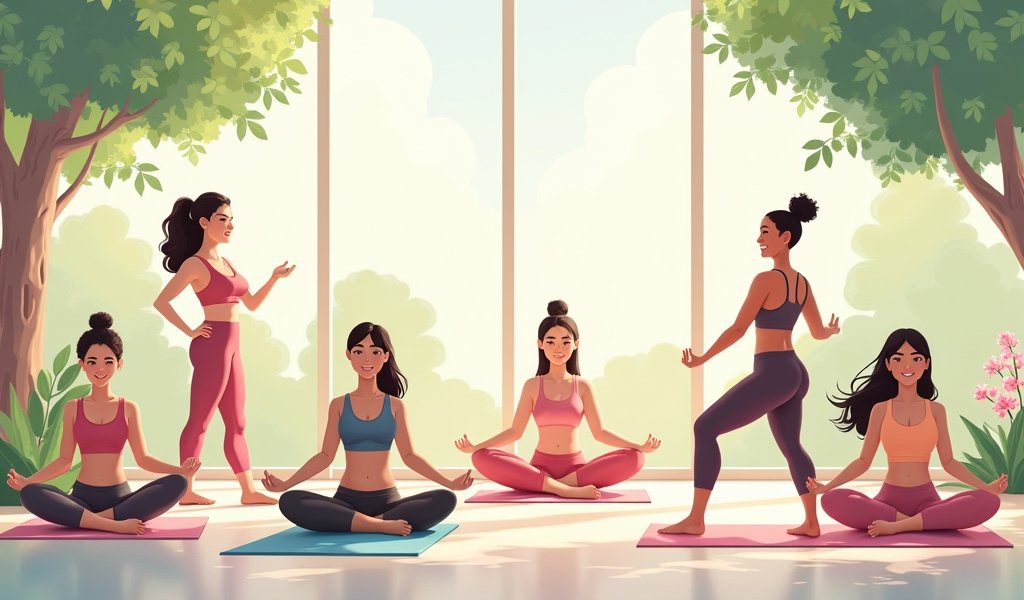
Combining physical activity with nature exposure creates a synergistic effect on mental wellbeing that exceeds the benefits of indoor exercise. This approach, sometimes called “green exercise,” has gained significant scientific validation as a powerful intervention for women’s mental health workouts.
Research published in the Journal of Environmental Psychology demonstrates that just five minutes of exercise in natural environments produces improvements in mood and self-esteem. When extended to 30+ minutes, these activities significantly reduce cortisol levels and rumination—a thinking pattern strongly associated with depression in women.
The therapeutic combination works through multiple channels: exposure to natural light regulates circadian rhythms and vitamin D production; diverse sensory input from nature creates mindful awareness; and the absence of artificial stimuli provides cognitive rest. For women juggling multiple responsibilities and screen-heavy work environments, this restorative effect is particularly valuable.
Effective outdoor activities for mental wellbeing include:
- Forest bathing (shinrin-yoku)—slow, mindful walking in wooded areas
- Trail running or hiking that combines cardiovascular benefits with nature immersion
- Outdoor yoga or tai chi practices that integrate natural elements
- Garden-based movement that combines purposeful activity with natural connection
The healing potential of nature-based wellness is so significant that many mental health professionals now “prescribe” specific outdoor activities as part of treatment protocols for anxiety and depression. Even in urban environments, seeking green spaces for movement practice amplifies the physical activity mental benefits substantially.
6. Modified HIIT: Stress Release Through Intensity
High-Intensity Interval Training (HIIT) might seem counterintuitive for anxiety management, but when appropriately modified for mental health purposes, these workouts offer unique psychological benefits. The controlled intensity creates a powerful physiological outlet for stress hormones while producing significant endorphin release.
Traditional HIIT focuses on maximizing physical adaptation through extreme effort, but mental health-oriented HIIT emphasizes the emotional release of brief, manageable intensity followed by complete recovery. This approach provides a controlled environment for processing the physical sensations of anxiety (elevated heart rate, rapid breathing) while demonstrating the body’s natural return to baseline.
For women experiencing high stress or trauma responses, modified HIIT can help recalibrate the autonomic nervous system through deliberate cycles of activation and recovery. This creates greater resilience to stress triggers in daily life by reinforcing the body’s natural regulatory capacity.
Effective approaches to mental health HIIT include:
- Emotion-based intervals (using movement to express specific feelings)
- Breath-centered work periods focused on powerful exhalation
- Nature-based sprint sessions with mindful recovery phases
- Adaptable intensity scales that honor daily energy fluctuations
The key distinction in modified HIIT for women’s mental health workouts is the emphasis on subjective experience rather than objective metrics. The goal isn’t maximizing calories or heart rate—it’s creating a contained space for emotional processing through physical challenge, followed by complete recovery.
7. Movement Meditation: Finding Stillness in Action
Movement meditation bridges traditional mindfulness practices with gentle physical activity, creating accessible entry points for women who find seated meditation challenging. These practices use rhythmic, repetitive movements as anchors for attention, similar to how breath serves in conventional meditation.
Research from Harvard Medical School indicates that movement-based meditative practices like tai chi and qigong produce comparable reductions in anxiety to pharmaceutical interventions, with effects lasting significantly longer than medication. These approaches work by inducing what neuroscientists call “active rest”—alert awareness combined with physiological relaxation.
For women with anxiety disorders, trauma histories, or high stress levels, movement meditation often proves more accessible than seated practices, which can sometimes increase discomfort or activation. The gentle physical engagement provides a natural outlet for nervous energy while still cultivating present-moment awareness.
Effective movement meditation practices include:
- Walking meditation with attention focused on foot sensations and rhythmic breathing
- Tai chi or qigong sequences emphasizing fluid transitions and breath coordination
- Gentle flowing yoga with extended holds and breath awareness
- Repetitive movements synchronized with affirmations or intentions
As exercise for anxiety relief, movement meditation offers immediate calming effects while building long-term attentional control. Even five minutes daily creates measurable improvements in emotional regulation, making this approach particularly valuable for women navigating demanding schedules.
Creating a Sustainable Mental Wellness Routine
The most effective women’s mental health workout program combines multiple modalities tailored to individual preferences, needs, and life circumstances. Rather than prescribing a one-size-fits-all approach, consider creating a personalized “movement menu” that addresses various emotional states and energy levels.
Begin by categorizing activities based on their primary effects: some workouts excel at anxiety reduction (like walking meditation or yoga), while others better address low mood or energy (such as dance or modified HIIT). Having options for different mental states creates flexibility that supports long-term adherence.
Consider implementing a “mental health first” approach to exercise planning. Rather than focusing primarily on physical outcomes (weight, strength, endurance), prioritize emotional wellbeing as your core metric. Ask yourself: “What kind of movement would best support my mental health today?” and honor the answer without judgment.
Practical suggestions for creating sustainable routines include:
- Scheduling shorter, more frequent sessions (10-20 minutes) rather than occasional longer workouts
- Pairing movement with existing habits (like morning coffee or evening wind-down) to build consistency
- Creating environmental triggers that reduce barriers to practice (like keeping yoga props visible)
- Establishing supportive accountability through movement partners or community
Remember that consistency trumps intensity for mental health benefits. Even five minutes of intentional movement daily creates more significant psychological improvements than occasional intense sessions. Start with what feels manageable and build gradually, focusing on how the practice makes you feel rather than how it looks.
Conclusion
Women’s Mental Health Month offers a perfect opportunity to recognize the powerful relationship between physical movement and psychological wellbeing. The seven evidence-based approaches outlined here—mindful yoga, rhythmic cardio, strength training, dance therapy, outdoor activities, modified HIIT, and movement meditation—provide versatile tools for navigating life’s emotional landscapes.
The physical activity mental benefits extend far beyond temporary mood enhancement. Regular, intentional movement creates neurological, hormonal, and psychological changes that build resilience against stress, anxiety, and depression. For women navigating unique biological transitions, social pressures, and multifaceted responsibilities, these practices offer accessible support that complements other wellness strategies.
Exercise for anxiety relief doesn’t require expensive equipment, special locations, or hours of time—it simply requires attention to the relationship between movement and emotion. By approaching physical activity as a form of self-care rather than self-improvement, women can transform exercise from another obligation into a genuine resource for mental wellbeing.
As we honor Women’s Mental Health Month, consider which of these movement practices resonates most with your current needs and circumstances. Begin with small, consistent steps, focusing on the emotional experience rather than external metrics. Your mental health deserves this investment—not just during a dedicated awareness month, but as an ongoing commitment to your wellbeing.
Frequently Asked Questions
What makes women’s mental health workouts different from regular exercise?
Women’s mental health workouts prioritize emotional wellbeing over physical performance, with intentional focus on anxiety relief, mood enhancement, and stress reduction. They’re designed to address women’s specific psychological needs while accommodating hormonal fluctuations and life responsibilities.
How quickly can exercise help with anxiety symptoms?
A single session of moderate exercise can reduce anxiety symptoms within minutes, with effects lasting up to 24 hours. Regular practice creates cumulative benefits, with significant clinical improvements typically observed after 4-6 weeks of consistent activity.
Do I need special equipment for mental health-focused workouts?
No, the most effective exercises for mental wellbeing require minimal or no equipment. Walking, bodyweight movements, dance, and breathwork can all be practiced anywhere without special gear.
How long should I exercise to get mental health benefits?
Research shows just 10-20 minutes of movement provides significant mental health benefits. Consistency matters more than duration, with daily short sessions proving more effective than occasional lengthy workouts.
Can exercise replace therapy or medication for mental health conditions?
Exercise works best as a complementary approach alongside professional treatment for diagnosed mental health conditions. For mild to moderate symptoms, research shows physical activity can be as effective as medication, but severe conditions typically require comprehensive treatment approaches.