

Overview
Who knew that eating cucumber could be almost like a workout for your digestive system? This article details ten virtually calorie-free foods like celery, leafy greens, and mushrooms that require more energy to digest than they provide, explaining how to incorporate these foods into meals to create satisfying volume without adding significant calories while still maintaining proper nutrition.
Table of Contents
- Understanding Zero-Calorie Foods
- How Zero-Calorie Foods Work
- Top 10 Zero-Calorie Foods
- Incorporating Zero-Calorie Foods Into Your Diet
- Beyond Calories: What Really Matters
- Conclusion
- Frequently Asked Questions
If you’re watching your weight or simply trying to eat healthier, you’ve probably wondered: what food has no calories? While virtually all foods contain some calories, certain foods have so few that your body expends more energy digesting them than they provide. These nutritional gems are often referred to as “zero-calorie” or “negative-calorie” foods.
As a nutritionist, I often recommend these foods to clients who want to feel satisfied while maintaining a calorie deficit. They’re nature’s gift to anyone trying to manage their weight without feeling deprived.
Let’s explore these dietary wonders and how they can support your health goals without adding to your daily calorie count.
Understanding Zero-Calorie Foods
The term “zero-calorie food” is somewhat misleading. Almost everything edible contains at least some calories. What makes these foods special is their incredibly low caloric density combined with high nutritional value.
Zero-calorie foods typically share certain characteristics:
- High water content (90% or more)
- Rich in fiber
- Low in starches and sugars
- Minimal fat content
- Abundant in micronutrients
When we talk about foods having “no calories,” we’re really talking about foods that have a negligible caloric impact. Your body uses energy to digest, absorb, and metabolize nutrients—a process called the thermic effect of food (TEF). For most foods, TEF accounts for about 10% of the calories consumed.
However, with certain foods, particularly those high in water and fiber but low in calories to begin with, the energy expended during digestion can nearly equal or potentially exceed the calories they provide. This creates what some nutritionists call a “neutral” or even “negative” calorie effect.
Harvard Health researchers note that while the negative-calorie effect is often exaggerated, these foods do offer an excellent way to add volume and nutrients to your diet with minimal caloric impact.
How Zero-Calorie Foods Work
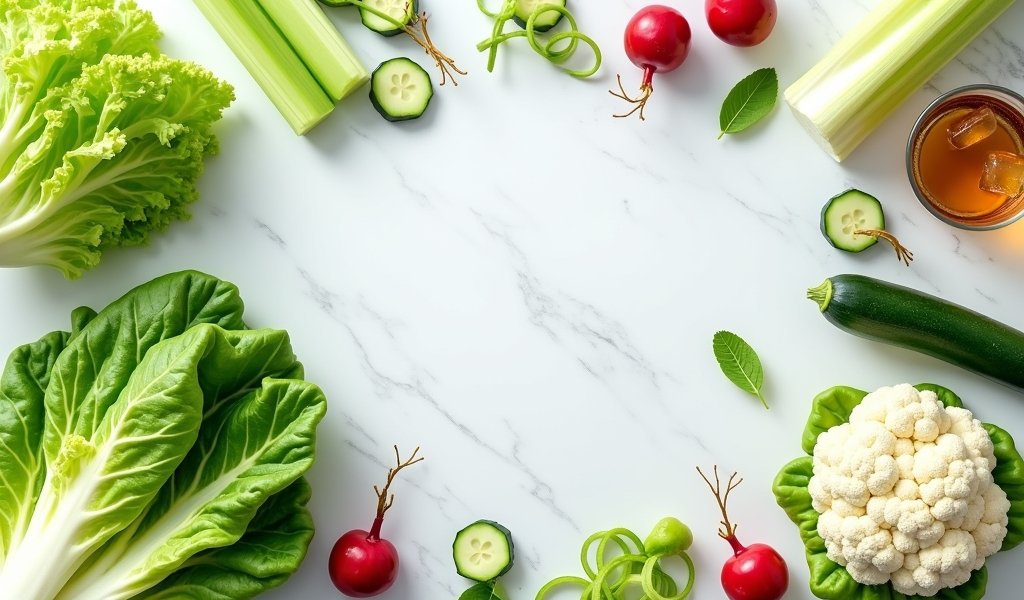
Zero-calorie foods offer numerous benefits beyond their minimal caloric impact. They help you feel full while consuming fewer calories—a concept nutritionists call volumetrics.
These foods work in several ways:
- They take up space in your stomach, triggering stretch receptors that signal fullness
- The fiber they contain slows digestion, helping you feel satisfied longer
- Chewing these crunchy, water-rich foods may help satisfy the need to eat
- They provide essential vitamins and minerals your body needs to function optimally
The science behind this is fascinating. A study published in the Journal of the Academy of Nutrition and Dietetics found that people who began meals with a low-calorie, high-volume food like a vegetable salad consumed 12% fewer calories during the entire meal.
Even better, these foods often contain phytonutrients that support overall health, boost immunity, and may help prevent chronic disease—giving you tremendous nutritional bang for almost no caloric buck.
Top 10 Zero-Calorie Foods
Ready to fill your plate with satisfying foods that won’t tip the calorie scales? Here are the top 10 foods that have virtually no caloric impact while offering impressive nutritional benefits:
1. Water
While technically not a food, water deserves the top spot on this list. With zero calories, it’s essential for every bodily function and helps control hunger. Research shows that drinking a glass of water before meals can reduce calorie intake by creating a sense of fullness.
Make water more exciting by infusing it with slices of cucumber, berries, or herbs. A quality wellness water bottle can make staying hydrated throughout the day easier and more enjoyable.
2. Cucumber
At just 16 calories per cup, cucumbers are 96% water and packed with vitamins K, C, and potassium. Their refreshing crunch makes them perfect for salads, sandwiches, or as a standalone snack.
Try cucumber slices with a sprinkle of sea salt and a squeeze of lime, or blend them into a refreshing summer soup.
3. Celery
Perhaps the most famous “negative-calorie” food, celery contains approximately 10 calories per stalk. Its high fiber content and satisfying crunch make it an excellent choice for snacking.
Celery is rich in antioxidants and contains compounds that may help reduce inflammation. Try it with a measured teaspoon of nut butter or alongside hummus for a satisfying snack.
4. Leafy Greens
Spinach, kale, arugula, and lettuce varieties are nutritional powerhouses with minimal calories. A cup of raw spinach contains just 7 calories but delivers iron, calcium, and vitamins A and C.
Use these greens as the base for salads, blend them into smoothies, or sauté them lightly as a side dish. Their versatility makes them easy to incorporate into virtually any meal.
5. Zucchini
With approximately 20 calories per cup, zucchini offers vitamins A and C, potassium, and fiber. Its mild flavor makes it incredibly versatile in cooking.
Try spiralizing zucchini into “zoodles” as a pasta alternative, grating it into oatmeal or baked goods for added nutrition, or grilling it with herbs for a satisfying side dish.
6. Mushrooms
These fungi are low in calories (about 15-20 calories per cup) but rich in B vitamins, selenium, and copper. Their meaty texture makes them excellent substitutes in dishes where you might otherwise use higher-calorie ingredients.
Sauté mushrooms with garlic and herbs, use portobello caps as burger buns, or add them to stir-fries and soups for umami flavor without the calories.
7. Broth
Clear vegetable or chicken broth contains roughly 10-15 calories per cup but creates a satisfying base for soups and stews. The warm liquid helps create a feeling of fullness that may prevent overeating.
Sip on broth between meals when hunger strikes, or use it as a base for vegetable-rich soups. Look for low-sodium varieties or make your own to control the ingredients.
8. Herbs and Spices
Fresh herbs like basil, cilantro, and mint add tremendous flavor for negligible calories. Similarly, spices like cinnamon, turmeric, and cayenne can transform bland dishes while potentially offering metabolic benefits.
Experiment with herb-forward sauces like chimichurri or create your own spice blends to keep meals interesting without adding calories.
9. Tea
Plain wellness tea contains virtually no calories while offering antioxidants and potential metabolism-boosting compounds. Both green and black teas have been associated with weight management benefits.
Enjoy hot or iced tea without sweeteners, or try herbal varieties for caffeine-free hydration. The ritual of preparing and sipping tea can also help curb mindless eating.
10. Coffee
Plain black coffee for wellness contains just 2-5 calories per cup and may temporarily boost metabolism and suppress appetite. The caffeine content can also enhance exercise performance, potentially helping you burn more calories during workouts.
Just be careful with additions like cream, sugar, and flavored syrups, which quickly transform this nearly zero-calorie beverage into a high-calorie indulgence.
Incorporating Zero-Calorie Foods Into Your Diet
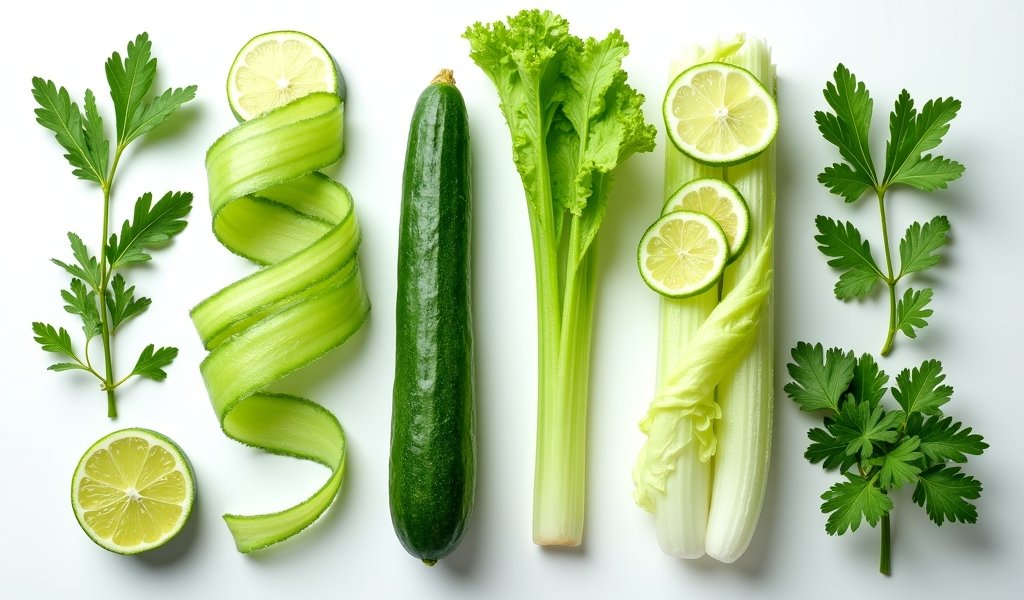
Adding more zero-calorie foods to your diet doesn’t mean subsisting on cucumber slices and celery sticks. Here are practical ways to incorporate these foods into satisfying meals:
Start Meals with Volume
Begin lunch and dinner with a broth-based soup or vegetable-rich salad. Research from Penn State University shows this simple strategy can reduce overall calorie intake by up to 20% while increasing vegetable consumption.
Bulk Up Your Favorites
Add volume to familiar dishes with zero-calorie foods:
- Mix riced cauliflower with regular rice (gradually increasing the ratio)
- Add extra vegetables to pasta sauce, soups, and stews
- Use lettuce wraps instead of tortillas for tacos
- Bulk up smoothies with spinach, cucumber, or celery
- Replace half the meat in dishes with mushrooms
Rethink Your Snacking
Keep prepped zero-calorie foods at the ready for hunger emergencies:
- Cut vegetables stored in water in the refrigerator
- Flavor-infused water in your refrigerator
- Herbal tea bags in your desk drawer or purse
- Pre-portioned broth for sipping
Remember that these foods work best as part of a balanced diet that includes adequate protein, healthy fats, and complex carbohydrates. They’re support players, not the entire cast.
Beyond Calories: What Really Matters
While zero-calorie foods can help you create satisfying meals with fewer calories, it’s important to maintain perspective. Calories are just one piece of the nutrition puzzle.
Our bodies need calories—they’re our energy source. The goal isn’t to eliminate calories but to choose foods that deliver maximum nutrition for the calories they contain. This concept, often called nutrient density, matters more than simply counting calories.
A diet composed entirely of zero-calorie foods would be severely lacking in protein, essential fats, and many micronutrients. These nutritional gaps could lead to muscle loss, hormonal imbalances, and even metabolic damage.
The most sustainable approach is to use zero-calorie foods to:
- Create volume and satisfaction in meals
- Increase overall vegetable intake
- Allow for reasonable portions of more calorie-dense, nutrient-rich foods
- Add flavor without adding significant calories
As nutrition scientist Dr. Barbara Rolls explains in her research on volumetrics and satiety, the goal is to feel satisfied while consuming appropriate calorie levels—not to eliminate calories entirely.
Conclusion
Zero-calorie foods offer a practical way to create satisfying, nutritious meals while managing your calorie intake. By understanding what food has no calories (or very few), you can make informed choices that support your health and weight management goals.
These nutritional champions—from water-rich vegetables to flavorful herbs and spices—provide volume, nutrients, and eating satisfaction without significantly impacting your calorie budget. When used strategically alongside appropriate portions of proteins, healthy fats, and complex carbohydrates, they create balanced meals that nourish your body and please your palate.
Remember that sustainable healthy eating isn’t about eliminating calories but choosing the right calories. Zero-calorie foods simply give you more flexibility in creating a diet that works for your unique needs and preferences.
The next time hunger strikes, reach for cucumber slices, brew a cup of tea, or prepare a vegetable-rich broth. Your body will thank you for the nutrients, and your waistline will appreciate the caloric break.
Frequently Asked Questions
Is water truly zero calories?
Yes, pure water contains absolutely zero calories. It’s essential for all bodily functions and can help control hunger.
Do negative-calorie foods really exist?
While some foods may require more energy to digest than they provide, the effect is typically modest. The concept is helpful for focusing on low-calorie, nutrient-dense choices.
Can I lose weight eating only zero-calorie foods?
No, a diet of only zero-calorie foods would be dangerously deficient in essential nutrients. These foods should complement, not replace, a balanced diet with adequate protein, fats, and carbohydrates.
How many zero-calorie foods should I eat daily?
Aim to fill half your plate with vegetables, many of which are very low in calories. The exact amount varies based on your overall caloric needs and health goals.
Will adding spices to my food increase calories?
Herbs and spices add minimal calories when used in typical quantities. A teaspoon of most dried herbs contains just 2-5 calories, making them essentially calorie-free flavor enhancers.