
Overview
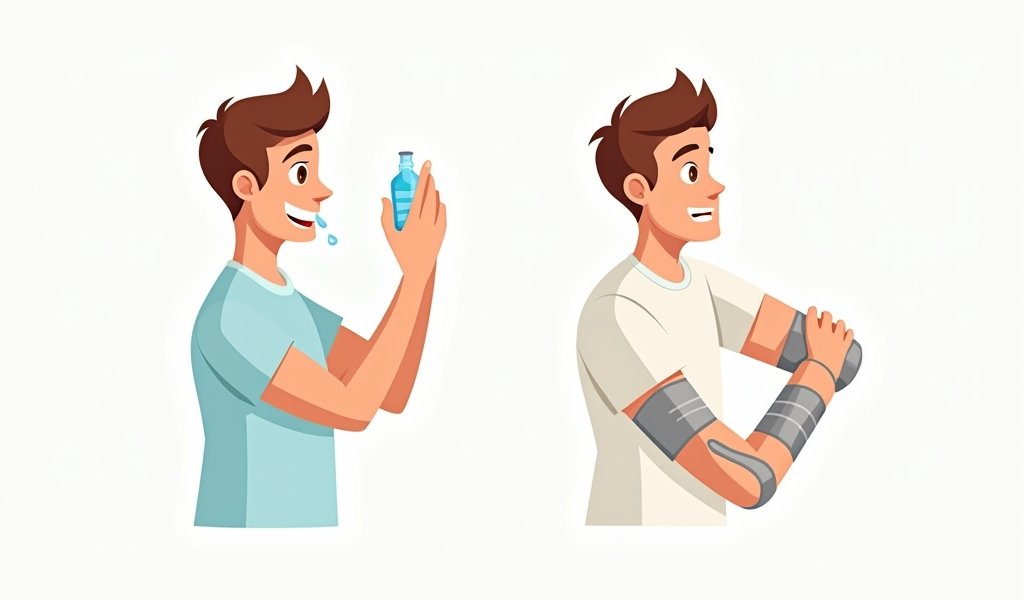
Flexor strain elbow (aka golfer’s elbow) isn’t just for golf enthusiasts—it’s more like your forearm’s way of filing a formal complaint after repetitive gripping motions, improper lifting, or suddenly deciding to become Martha Stewart for a weekend. Treatment involves immediate relief strategies like RICE protocol, anti-inflammatory medications, and gentle stretching, followed by long-term approaches including progressive strengthening exercises and technique modifications, with medical attention advised for severe or persistent symptoms.
Table of Contents
- Understanding Flexor Strain Elbow
- Causes and Risk Factors
- Symptoms to Watch For
- 7 Immediate Relief Strategies
- When to Seek Medical Attention
- Long-Term Recovery Approaches
- Prevention Tips for Flexor Strain Elbow
- Conclusion
- Frequently Asked Questions
Understanding Flexor Strain Elbow
If you’ve ever felt a sharp pain on the inside of your elbow after a day of gardening or an intense workout, you might be dealing with a flexor strain elbow. This common condition affects the muscles that help you grip, rotate your forearm, and bend your wrist. Think of these muscles as the workhorses of your arm – they’re constantly in action whenever you use your hands.
A flexor strain occurs when these muscles are overloaded or stretched beyond their capacity. The technical name for this condition is medial epicondylitis (sometimes called golfer’s elbow), but I prefer the term “flexor strain” because it clearly describes what’s happening – your flexor muscles are strained!
As a physical therapist, I’ve seen countless patients with this condition. The good news? Most flexor strains respond exceptionally well to proper home treatment and a few targeted exercises. Let’s dive into what causes this pesky pain and how to get you feeling better fast.
Causes and Risk Factors
Flexor strain elbow doesn’t play favorites – it can affect anyone from elite athletes to weekend warriors to office workers. Understanding what puts you at risk is the first step toward prevention and treatment.
The most common culprits include:
- Repetitive gripping motions (think tennis, golf, or even scrolling on your phone)
- Improper lifting technique (especially with the palm facing up)
- Sudden increases in activity level (hello, spring cleaning marathon!)
- Poor forearm muscle conditioning
- Using tools or sports equipment that’s the wrong size
Interestingly, research from the American Academy of Orthopedic Surgeons shows that most flexor strain cases aren’t actually from golf! Despite the “golfer’s elbow” nickname, this condition frequently strikes people who work with their hands repeatedly – carpenters, painters, plumbers, and yes, even enthusiastic gardeners.
Age also plays a role here. As we hit our 40s and beyond, our tendons become less elastic and more vulnerable to strain. That’s why many people experience their first bout of flexor strain in middle age, even if they’ve been doing the same activities for years without issues.
Symptoms to Watch For
How do you know if that annoying elbow pain is actually a flexor strain? Here are the telltale signs:
- Pain on the inner side of your elbow that might radiate into your forearm
- Tenderness when you touch the affected area
- Increased pain when you grip objects
- Discomfort when flexing your wrist against resistance
- Stiffness in the elbow, especially in the morning
- Weakness in your grip strength
The pain typically develops gradually rather than suddenly (unless there was a specific injury). You might notice it first after a particularly demanding activity, then find it becomes more persistent over time. Many of my patients report that simple tasks like turning a doorknob or picking up a cup of coffee become surprisingly painful.
According to research published in the Journal of Clinical and Diagnostic Research, most people with flexor strain experience pain that’s worse with activity and improves with rest. If your symptoms differ significantly from this pattern, it’s worth checking with a healthcare provider to rule out other conditions.
7 Immediate Relief Strategies
When your elbow is throbbing, you want relief NOW. Here are seven proven techniques to calm the pain quickly:
1. RICE Protocol
The RICE method remains a gold standard for initial treatment:
- Rest: Take a break from the activities that aggravate your symptoms
- Ice: Apply cold packs for 15-20 minutes several times daily
- Compression: Use an elastic bandage to reduce swelling
- Elevation: Keep your elbow raised above heart level when possible
This approach helps reduce inflammation and pain in those crucial first 48-72 hours. Remember, ice is your friend here – use it consistently!
2. Anti-inflammatory Medications
Over-the-counter NSAIDs like ibuprofen (Advil, Motrin) or naproxen (Aleve) can provide significant relief. These medications reduce both pain and the underlying inflammation. Always follow package directions and check with your doctor if you have any medical conditions that might make these medications unsafe for you.
3. Counterforce Bracing
A simple elbow strap worn just below the elbow can work wonders. These specialized bands (available at most pharmacies) distribute pressure across the irritated tendon, giving it a chance to rest while you continue with daily activities. The Journal of Orthopaedic & Sports Physical Therapy notes that properly fitted braces can reduce pain by up to 45% during activity.
4. Gentle Stretching
Try this simple stretch: Extend your arm in front of you with your palm facing down. Gently use your other hand to bend your wrist downward until you feel a mild stretch in your forearm. Hold for 30 seconds, repeat 3 times, and do this several times daily.
5. Massage
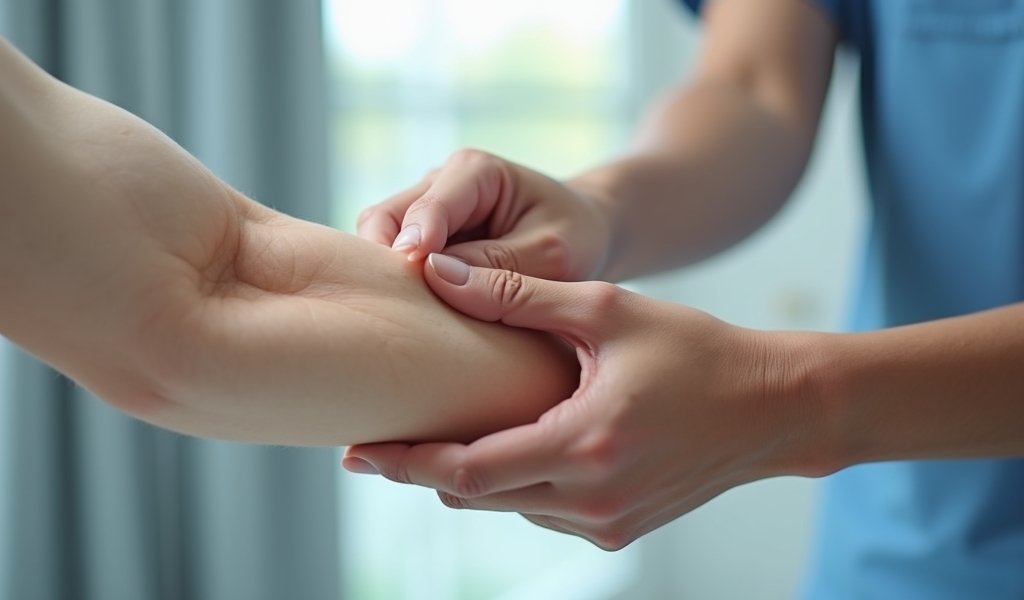
Gentle self-massage of the forearm muscles can provide immediate relief. Use your opposite thumb to apply moderate pressure and small circular motions along the painful muscles. Start gently – this shouldn’t increase your pain!
6. Heat Therapy
After the initial acute phase (48-72 hours), switching to heat can promote healing by increasing blood flow. Try a warm towel or heating pad for 15-20 minutes before gentle stretching for optimal results.
7. Activity Modification
Look for ways to perform necessary tasks without stressing your elbow. This might mean using your other arm when possible, taking more frequent breaks, or adjusting your technique. For example, lift objects with your palm facing your body rather than upward.
The beauty of these strategies is that you can combine them for even better results. My patients typically find that a comprehensive approach – perhaps icing after activity, wearing a brace during the day, taking an anti-inflammatory, and doing gentle stretches – provides the fastest relief.
When to Seek Medical Attention
While most flexor strains improve with home care, some situations warrant professional help. Contact your healthcare provider if:
- Your pain is severe or worsening despite a week of home treatment
- You notice significant swelling, redness, or warmth around the elbow
- You can’t bend or straighten your elbow completely
- You experience numbness or tingling in your hand or fingers
- Your elbow pain followed a fall or direct injury
- The pain interferes significantly with sleep or daily activities
Your doctor might recommend physical therapy, which can be remarkably effective for this condition. A physical therapist can provide targeted exercises, hands-on techniques, and possibly treatments like ultrasound or electrical stimulation to speed healing.
For persistent cases, your doctor might discuss other options like corticosteroid injections, which can provide temporary relief for stubborn inflammation. However, these are typically considered only after more conservative approaches have been tried.

Long-Term Recovery Approaches
Once the acute pain subsides, it’s time to focus on complete healing and preventing recurrence. Here’s how to approach long-term recovery:
Progressive Strengthening
Gradually rebuilding forearm strength is crucial for full recovery. Start with isometric exercises (contracting muscles without movement) before progressing to exercises with light resistance:
- Wrist curls: With your forearm resting on a table and palm up, lift and lower a light weight (or even just a soup can) by bending only at the wrist
- Reverse wrist curls: Same position but with palm facing down
- Ball squeezes: Gently squeeze a soft stress ball, hold for 5 seconds, and release
Start with 10 repetitions of each exercise, once daily, and gradually increase as tolerated. The key is consistency – these exercises are most effective when done regularly over several weeks.
Cross-Training
If your flexor strain resulted from a specific sport or activity, consider cross-training to maintain fitness while allowing complete healing. Swimmers might try walking, golfers could benefit from stationary cycling, and tennis players might enjoy hiking. The goal is to stay active while giving those specific forearm flexors time to fully recover.
Technique Evaluation
For athletes, having a coach or trainer evaluate your technique can be invaluable. Small adjustments to your golf swing, tennis serve, or weightlifting form might prevent recurrence. Similarly, if your strain developed from workplace activities, an ergonomic assessment could identify helpful modifications.
A study published in The Journal of Shoulder and Elbow Surgery found that technique correction combined with appropriate strengthening reduced recurrence rates of medial epicondylitis by over 60% in recreational athletes.
Prevention Tips for Flexor Strain Elbow
An ounce of prevention is worth a pound of cure, especially when it comes to flexor strain elbow. Here’s how to protect yourself:
Warm Up Properly
Before activities that involve gripping or repetitive arm movements, spend 5-10 minutes warming up. Simple exercises like arm circles, gentle wrist stretches, and light aerobic activity increase blood flow and prepare your muscles and tendons for work.
Strengthen Your Forearms
Regular forearm strengthening (even when you’re not injured) creates resilience against strain. The exercises mentioned in the recovery section work perfectly as preventive measures too – just use slightly heavier resistance when you’re not recovering from an injury.
Use Proper Equipment
Ensure your tools, sporting equipment, and workstations are properly sized and adjusted for you. This might mean:
- Using tools with larger, padded grips
- Getting properly fitted golf clubs or tennis racquets
- Adjusting your computer setup to minimize wrist strain
Practice Smart Training
Whether in sports or daily activities, follow these principles:
- Increase intensity and duration gradually (the 10% rule is helpful – don’t increase activity by more than 10% per week)
- Take regular breaks during repetitive tasks
- Mix up your activities to avoid overusing the same muscles
- Pay attention to early warning signs like mild discomfort and address them before they become full-blown problems
Implementing even a few of these preventive strategies can dramatically reduce your risk of developing or re-experiencing flexor strain elbow. As I tell my patients, the best treatment is the one you never need because you prevented the problem in the first place!
Conclusion
Flexor strain elbow might be painful and frustrating, but with the right approach, most people make a complete recovery. The key is acting quickly with appropriate home care, gradually rebuilding strength, and making smart modifications to prevent future issues.
Remember that healing takes time – tendons have relatively poor blood supply compared to muscles, so recovery isn’t always as quick as we’d like. Be patient with yourself, follow the strategies outlined above, and don’t hesitate to seek professional guidance if your symptoms aren’t improving.
By combining immediate relief techniques, progressive strengthening, and preventive measures, you’ll be well on your way to pain-free movements and activities you enjoy. Your elbows do a lot for you every day – taking good care of them pays dividends in comfort and function for years to come!
Frequently Asked Questions
How long does it take for flexor strain elbow to heal?
Most mild to moderate cases improve within 4-6 weeks with appropriate rest and treatment. Severe cases may take 3-6 months for complete healing.
Can I still exercise with flexor strain elbow?
Yes, but modify activities to avoid stressing the injured area. Focus on lower body workouts and exercises that don’t require gripping or wrist flexion.
Is surgery ever needed for flexor strain elbow?
Surgery is rarely needed and only considered when conservative treatments have failed after 6-12 months. Less than 10% of cases require surgical intervention.
What’s the difference between flexor strain elbow and tennis elbow?
Flexor strain (golfer’s elbow) affects the inner elbow where flexor tendons attach. Tennis elbow affects the outer elbow where extensor tendons attach.
Can I use a regular elastic bandage instead of a specialized elbow brace?
A regular elastic bandage provides compression but not the targeted pressure of a counterforce brace. For best results, invest in a proper elbow strap designed specifically for flexor strain.