
Overview
Ever had your ear throw a painful party and rudely invite your jaw along for the festivities? This article explains how ear infections can cause jaw pain due to their anatomical proximity and shared nerve pathways, offering seven effective treatments including antibiotics, warm compresses, and jaw exercises, while providing guidance on prevention strategies and when to seek medical attention.
Table of Contents
- Understanding Jaw Pain and Ear Infections
- The Connection Between Jaw Pain and Ear Infections
- Common Symptoms: When Ear Infections Cause Jaw Pain
- Diagnosing the Source of Your Pain
- 7 Proven Fixes for Jaw Pain Related to Ear Infections
- Prevention Strategies for Ear Infections and Related Jaw Pain
- When to Seek Medical Help
- Conclusion
- Frequently Asked Questions
Understanding Jaw Pain and Ear Infections
Yes, can jaw pain be caused by an ear infection? Absolutely. As a healthcare professional who’s worked with countless patients struggling with this uncomfortable combination, I can confirm that the connection between ear infections and jaw discomfort is both real and common. When infection develops in your ear, particularly in the middle ear (otitis media), the inflammation and pressure can radiate to surrounding areas—including your jaw.
Your ears and jaw exist in an intricate neighborhood of nerves, muscles, and connective tissues. This anatomical closeness means that problems in one area can quickly become problems in another. Think of it as living in a townhouse—when your neighbor has a loud party, you’re definitely going to hear it!
Ear infections occur when bacteria or viruses invade the ear canal or middle ear, causing inflammation, fluid buildup, and often intense pain. While children experience these infections more frequently, adults aren’t immune. In fact, when adults develop ear infections, they often report more diverse symptoms—including that nagging jaw pain we’re discussing today.
Understanding this connection is the first step toward finding relief. Throughout this article, we’ll explore the relationship between ear infections and jaw pain in depth, offering practical health solutions that address both the infection and the resulting discomfort.
The Connection Between Jaw Pain and Ear Infections
The relationship between your ears and jaw is more intimate than you might realize. They share several anatomical connections that explain why an infection in one can cause pain in the other.
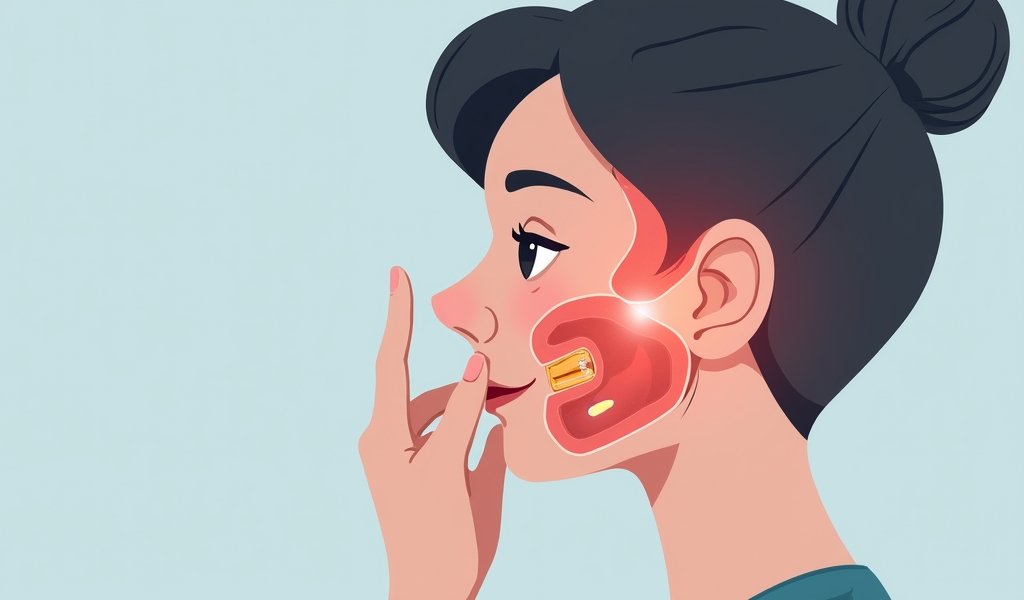
Your temporomandibular joint (TMJ)—the hinge that connects your jawbone to your skull—sits directly in front of your ears. When you open your mouth to speak or chew, you can actually feel this joint working by placing your fingers just in front of your ear canal. This proximity means that inflammation from an ear infection can easily spread to affect the TMJ.
Beyond physical proximity, these areas share neural pathways. The trigeminal nerve (responsible for facial sensations) and the facial nerve both innervate regions around the ear and jaw. When infection stimulates these nerves, your brain can sometimes have difficulty pinpointing the exact source of the pain—a phenomenon known as “referred pain.”
Additionally, the muscles that control jaw movement wrap around the ear area. The inflammation from an ear infection can cause these muscles to become tense or irritated, resulting in jaw pain or restricted movement when you try to open your mouth, chew, or speak.
According to research published in the Journal of Clinical Medicine, approximately 30% of patients with middle ear infections report some degree of jaw discomfort. This statistic underscores that if you’re experiencing both ear pain and jaw pain simultaneously, there’s a good chance they’re related.
Common Symptoms: When Ear Infections Cause Jaw Pain
How can you tell if your jaw pain is stemming from an ear infection? While every person’s experience may differ slightly, there are several telltale symptoms that often occur together. Recognizing these patterns can help you seek the right treatment.
The most obvious sign is concurrent ear and jaw pain. If you notice ear pain that preceded your jaw discomfort, an ear infection is likely the culprit. This pain often worsens when you chew, yawn, or open your mouth widely.
Many patients also report a feeling of fullness or pressure in the ear, accompanied by muffled hearing. This pressure can extend to the jaw area, creating a sensation of tightness or aching along the jawline or up toward the temple.
Fever is another common symptom of ear infections, especially in acute cases. If you’re experiencing jaw pain alongside a low-grade fever (between 99°F and 101°F), your body may be fighting an infection.
Dizziness or problems with balance can occur with certain types of ear infections, particularly those affecting the inner ear. When combined with jaw pain, these symptoms strongly suggest an ear-related issue rather than a primary jaw problem.
Some patients also notice changes in their bite alignment. The inflammation around the ear can affect how your jaw moves, temporarily altering how your teeth come together when you close your mouth.
As a comprehensive wellness assessment would reveal, these symptoms often develop over several days, with the ear pain typically appearing first, followed by radiating discomfort to the jaw area. If this progression matches your experience, it’s worth discussing with a healthcare provider.
Diagnosing the Source of Your Pain
Determining whether your jaw pain stems from an ear infection or another cause requires careful assessment. As a healthcare professional, I recommend starting with a simple self-examination before seeking medical help.
Try gently pulling on your earlobe or pressing the area just in front of your ear. If this significantly increases your pain, an ear infection is more likely. Similarly, if jaw movements like opening wide or chewing make both your ear and jaw hurt more, the conditions are probably connected.
When you do visit a healthcare provider, they’ll likely perform an otoscopic examination—looking into your ear with a special magnifying tool. Infected ears often show redness, swelling, or fluid behind the eardrum that confirms the diagnosis.
Your doctor may also palpate (touch and press) the muscles around your jaw and ear to pinpoint exactly where the pain originates and how far it spreads. This helps distinguish between primary TMJ disorders and ear-related jaw pain.
In some cases, additional tests may be necessary. Tympanometry measures how well your eardrum responds to pressure changes and can detect fluid buildup characteristic of ear infections. For persistent or severe cases, imaging studies like CT scans might be ordered to rule out more complex issues.
It’s worth noting that jaw pain can also stem from dental problems, sinus infections, or primary TMJ disorders that aren’t related to ear infections. The Mayo Clinic’s diagnostic guidelines emphasize the importance of considering these alternative explanations, especially if antibiotic treatment for a suspected ear infection doesn’t improve your jaw pain.
Being specific about your symptoms and their timeline when speaking with healthcare providers can significantly improve diagnostic accuracy. Mention when the pain started, which came first (ear or jaw pain), and any other symptoms you’ve noticed—even if they seem unrelated.
7 Proven Fixes for Jaw Pain Related to Ear Infections
When jaw pain stems from an ear infection, addressing both issues simultaneously brings the fastest relief. Here are seven evidence-based approaches that my patients have found most effective:
1. Antibiotics (when appropriate)
For bacterial ear infections, antibiotics remain the gold standard treatment. These medications target the root cause—the infection itself—which in turn reduces inflammation and alleviates jaw pain. It’s important to complete the full course of antibiotics, even if symptoms improve before you finish. Common options include amoxicillin or azithromycin.
2. Pain relievers and anti-inflammatories
Over-the-counter medications like ibuprofen (Advil, Motrin) or naproxen (Aleve) pull double duty by reducing both pain and inflammation. These NSAIDs can help manage jaw discomfort while the infection heals. For children or those who can’t take NSAIDs, acetaminophen (Tylenol) provides pain relief without the anti-inflammatory effects.
3. Warm compresses
Applying gentle heat to both the affected ear and jaw area can work wonders. The warmth improves blood circulation, relaxes tense muscles, and provides significant comfort. Try a warm (not hot) washcloth or a purpose-made heat pack for 15-20 minutes several times daily. This simple remedy is especially effective for relieving the muscle tension that often accompanies ear-related jaw pain.
4. Ear drops
Prescription ear drops containing antibiotics or anti-inflammatory agents can deliver medication directly to the infection site. Some drops also contain pain relievers that provide immediate comfort. For outer ear infections (otitis externa), these drops are often the primary treatment. Research from the American Academy of Family Physicians shows that these drops can reduce ear and referred jaw pain significantly within 48-72 hours.
5. Gentle jaw exercises and stretches
Simple exercises can prevent stiffness in the jaw while the ear infection heals. Try this: Open your mouth slowly as wide as comfortable, hold for 5 seconds, then close. Repeat 5-10 times, several times daily. Another effective stretch involves moving your jaw gently from side to side. These exercises maintain range of motion without exacerbating pain.
6. Soft diet modifications
Temporarily switching to softer foods reduces strain on inflamed jaw muscles. Focus on nutritious options like yogurt, smoothies, soups, well-cooked vegetables, and soft fruits. Avoid chewy, crunchy, or hard foods until both your ear infection and jaw pain resolve. This dietary adjustment gives the temporomandibular joint time to recover while still maintaining proper nutrition during your annual wellness regimen.
7. Decongestants and antihistamines
These medications can help drain fluid from the middle ear, especially when ear infections coincide with allergies or colds. By reducing pressure in the ear, they often alleviate referred jaw pain as well. Options include pseudoephedrine (Sudafed) or combination products, though these should be used cautiously in people with high blood pressure or heart conditions.
Prevention Strategies for Ear Infections and Related Jaw Pain
While treating existing ear infections is important, preventing future episodes is even better. These preventive approaches can significantly reduce your risk of experiencing ear-related jaw pain again:
Practice good ear hygiene, but avoid inserting anything into your ear canal—including cotton swabs. The old saying “never put anything smaller than your elbow in your ear” has genuine medical merit. Instead, clean the outer ear with a warm washcloth, allowing your ear’s natural cleaning mechanisms to handle the rest.
Manage allergies proactively if you’re prone to them. Allergic reactions can cause eustachian tube swelling, creating the perfect environment for ear infections to develop. Working with an allergist to identify and manage your triggers can dramatically reduce ear infection frequency.
Consider swimmer’s ear prevention if you spend time in the water. A simple preventive solution of equal parts white vinegar and rubbing alcohol, applied as drops after swimming, can help maintain the proper pH in your ear canal and prevent bacterial growth.
Keep your immune system strong through regular exercise, adequate sleep, stress management, and a balanced diet rich in fruits and vegetables. A robust immune response can often stop ear infections before they take hold, as confirmed by research published in Nutrients journal.
If you’re prone to recurrent ear infections, avoid smoking and limit alcohol consumption. Both habits can impair immune function and increase inflammation throughout the body, making infections more likely and potentially more severe.
During air travel, chew gum or yawn frequently during ascent and descent to keep your eustachian tubes open. This simple habit helps equalize pressure and prevents the painful blockage that can sometimes lead to infection.
For those who experience seasonal ear infections, consider using a humidifier during dry months. Maintaining optimal humidity levels (between 40-60%) in your home can prevent the drying of mucous membranes that often precedes infections.
When to Seek Medical Help
While many ear infections and their associated jaw pain resolve with the treatments discussed above, certain situations warrant prompt medical attention. Being able to recognize these red flags could prevent complications and ensure proper treatment.
Seek immediate care if you experience severe pain that doesn’t respond to over-the-counter pain relievers, or if pain is accompanied by high fever (over 102°F). These symptoms may indicate a more serious infection requiring urgent intervention.
Any ear pain accompanied by facial weakness or asymmetry needs emergency evaluation. This combination could signal a condition affecting the facial nerve, which requires immediate medical attention to prevent permanent damage.
For children, watch for increased irritability, difficulty sleeping, fluid draining from the ear, or tugging at the ears along with jaw discomfort. Young children may not be able to articulate their symptoms clearly, so these behavioral signs are important indicators.
Adults should seek medical help if symptoms persist longer than 2-3 days despite home treatment, or if ear/jaw pain is accompanied by dizziness, hearing loss, or ringing in the ears (tinnitus). These additional symptoms may indicate a more complex issue.
Anyone with recurrent ear infections (three or more within six months) should consult with an otolaryngologist (ear, nose, and throat specialist). Repeated infections may suggest an underlying issue that needs specialized evaluation and treatment.
Remember that early intervention often leads to quicker resolution and fewer complications. Don’t hesitate to contact your healthcare provider if you’re concerned about the severity or duration of your symptoms.
Conclusion
Can jaw pain be caused by an ear infection? As we’ve thoroughly explored, the answer is a resounding yes. The intricate connections between your ear and jaw create a perfect pathway for infection-related inflammation to translate into jaw discomfort that can sometimes be as troublesome as the ear pain itself.
By understanding this relationship and recognizing the telltale signs of ear-related jaw pain, you’re now empowered to take appropriate action when symptoms arise. Whether it’s seeking medical attention for proper diagnosis, implementing the seven proven fixes we’ve discussed, or taking preventive measures to avoid future episodes, you have a comprehensive toolkit at your disposal.
Remember that while this connection between ear infections and jaw pain is common, each person’s experience is unique. What works best for one individual may not be as effective for another, so don’t hesitate to work with healthcare professionals to tailor these approaches to your specific needs.
Most importantly, listen to your body. The discomfort you feel is a signal that something needs attention. With prompt and appropriate care, both your ear infection and the accompanying jaw pain can resolve, returning you to comfort and normal function.
Frequently Asked Questions
How long does jaw pain from an ear infection typically last?
Jaw pain typically improves within 3-5 days after starting treatment for the underlying ear infection. Complete resolution usually occurs within 7-10 days, assuming the infection responds well to treatment.
Can children experience jaw pain from ear infections?
Yes, children can experience jaw pain from ear infections, though they may not articulate it clearly. Look for signs like refusing to eat, crying during chewing, or touching their jaw and ear simultaneously.
Are there any home remedies that can help with ear infection-related jaw pain?
Warm compresses, over-the-counter pain relievers, gentle jaw stretches, and staying hydrated can all help manage jaw pain at home. Sleeping with your head slightly elevated may also reduce pressure and provide relief.
Can seasonal allergies contribute to ear infections and jaw pain?
Absolutely—seasonal allergies can cause eustachian tube dysfunction and increase mucus production, creating ideal conditions for ear infections to develop. Managing allergies proactively can reduce your risk of this painful combination.
Is jaw pain from an ear infection different from TMJ disorder pain?
Yes, there are typically distinguishing features. Ear infection-related jaw pain usually appears alongside ear symptoms and improves as the infection resolves, while TMJ disorder pain tends to be more persistent and often involves clicking or locking of the jaw.