
Overview
Before you blame that chest pain on your dramatic reaction to the latest reality TV elimination, consider checking your water bottle—dehydration can actually cause chest discomfort by making your heart work harder and disrupting electrolyte balance. The article explains how dehydration affects cardiovascular function, outlines symptoms from mild to severe, provides hydration strategies for different groups, and emphasizes when chest pain warrants immediate medical attention rather than just another glass of water.
Table of Contents
- Understanding Dehydration: More Than Just Thirst
- The Connection Between Dehydration and Chest Pain
- Recognizing the Symptoms of Dehydration
- When to Seek Medical Help
- Effective Hydration Strategies
- Special Considerations for Different Groups
- Common Hydration Myths Debunked
- Conclusion: Staying Hydrated for Heart Health
- Frequently Asked Questions
Understanding Dehydration: More Than Just Thirst
Can dehydration cause chest pain? The short answer is yes, but the relationship is more complex than many realize. Dehydration occurs when your body loses more fluids than it takes in, disrupting the delicate balance of minerals that keep your systems functioning properly. This imbalance can manifest in surprising ways, including discomfort in your chest.
Our bodies are roughly 60% water, with this essential fluid playing crucial roles in nearly every bodily function. From regulating temperature and delivering nutrients to removing waste and cushioning joints, proper hydration is fundamental to overall health and wellness.
When dehydration sets in, even mildly, your body begins compensating in ways that can affect your cardiovascular system. Your blood volume decreases, becoming more concentrated, while your heart works harder to maintain adequate circulation. This increased cardiac workload can sometimes manifest as chest discomfort or pain.
According to research from the Mayo Clinic, even mild dehydration—as little as 1-2% of body weight—can impair physical performance and cognitive function. Severe dehydration, losing 10% or more of body weight, can be life-threatening and requires immediate medical attention.
The Connection Between Dehydration and Chest Pain
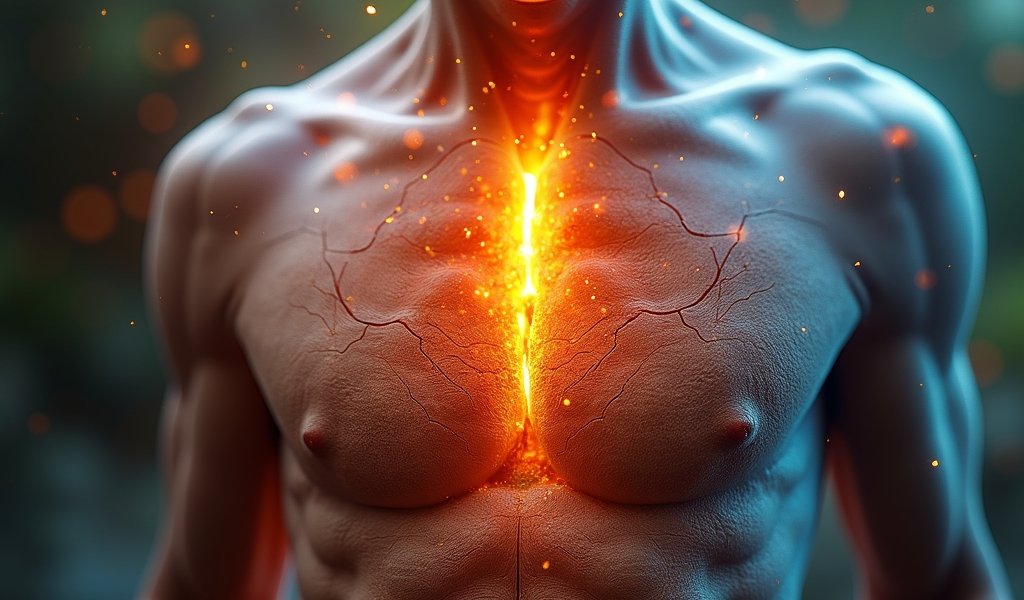
The link between dehydration and chest pain stems from several physiological responses. When your fluid levels drop, your blood becomes more concentrated and difficult to pump. Your heart must work harder, potentially causing sensations ranging from mild discomfort to sharp pain in the chest area.
Dehydration also affects the pericardium—the protective sac surrounding your heart. Without adequate hydration, this membrane can become irritated, leading to a condition called pericarditis that manifests as chest pain, particularly pain that worsens when lying down and improves when sitting up or leaning forward.
Electrolyte imbalances resulting from dehydration can further complicate matters. Potassium, sodium, and magnesium play crucial roles in heart function, and their disruption can cause irregular heartbeats (arrhythmias) that sometimes feel like chest pain or discomfort.
A study published in the Circulation Journal found that even mild dehydration increases strain on the heart by making it work up to 3-5% harder for each liter of fluid lost. This increased workload can manifest as chest tightness or pain, especially during physical activity.
Recognizing the Symptoms of Dehydration
Identifying dehydration early can help prevent its progression to more serious stages where chest pain might occur. While thirst is an obvious sign, your body often sends other signals first—signals many people overlook.
Common early warning signs include:
- Dark yellow urine or decreased urination
- Dry mouth, lips, and tongue
- Fatigue or unusual tiredness
- Headache or lightheadedness
- Muscle cramps, particularly in the legs
- Decreased skin elasticity (skin that doesn’t bounce back quickly when pinched)
As dehydration progresses to moderate levels, you might experience:
- Extreme thirst
- Dry, cool skin
- Decreased sweating
- Heart palpitations
- Irritability and confusion
- Chest discomfort or pain
Severe dehydration, which requires immediate medical attention, presents with:
- Little or no urination, with deeply colored urine
- Extreme dizziness or lightheadedness
- Rapid heartbeat and breathing
- Sunken eyes
- Confusion or disorientation
- Loss of consciousness
- Sharp or severe chest pain
The progression from mild to severe dehydration can happen quickly, especially during intense exercise, hot weather, or illness. Paying attention to early symptoms can help you address the issue before chest pain or other serious complications develop.
The American College of Sports Medicine notes that by the time you feel thirsty, you may already be 1-2% dehydrated, highlighting the importance of proactive physical wellness through regular fluid intake rather than waiting for symptoms to appear.
When to Seek Medical Help
While mild dehydration can typically be addressed at home by increasing fluid intake, certain symptoms—especially chest pain—warrant immediate medical attention. Distinguishing between dehydration-related chest discomfort and more serious cardiovascular issues is not always straightforward.
Seek emergency medical care if chest pain:
- Is severe or crushing
- Lasts more than a few minutes
- Radiates to your jaw, left arm, or back
- Comes with shortness of breath, nausea, or sweating
- Occurs with dizziness or loss of consciousness
These could indicate a heart attack or other serious cardiac condition rather than simple dehydration. Remember, it’s always better to err on the side of caution when dealing with chest pain.
Additionally, seek prompt medical attention for dehydration if you experience:
- Confusion or disorientation
- No urination for 8 hours or more
- Dizziness that prevents standing or walking
- Rapid heart rate that doesn’t slow with rest
- Seizures
- Heat stroke symptoms (body temperature above 103°F, hot, red skin)
Certain individuals face higher risks from dehydration and should be particularly vigilant. According to CDC research, infants, elderly adults, people with chronic illnesses, and athletes require special attention as they either have lower fluid reserves or increased fluid needs.
When in doubt about the cause of chest pain, seeking prompt medical evaluation is the safest approach. Healthcare providers have the tools and expertise to determine whether your symptoms stem from dehydration or indicate a more serious condition requiring specific treatment.
Effective Hydration Strategies
Preventing dehydration-related chest pain starts with maintaining proper fluid balance throughout the day. While the traditional “eight glasses of water daily” guideline provides a reasonable starting point, individual hydration needs vary based on factors including body weight, activity level, climate, and overall health.
For most adults, following these guidelines can help ensure adequate hydration:
- Drink water consistently throughout the day rather than large amounts at once
- Consume about half your body weight in ounces daily (e.g., 75 oz for a 150-pound person)
- Increase intake during exercise (about 7-10 oz every 10-20 minutes during activity)
- Adjust consumption upward in hot weather, high altitudes, or when ill
- Monitor urine color – pale yellow indicates good hydration
- Incorporate hydrating foods like cucumber, watermelon, and oranges
Beyond water, several beverages and foods contribute to hydration. Electrolyte-enhanced drinks can be particularly beneficial when sweating extensively or recovering from illness. Coconut water offers a natural alternative, providing essential electrolytes without added sugars.
Creating a daily hydration routine helps make proper fluid intake habitual. Consider these practical tips:
- Begin each morning with a full glass of water
- Carry a reusable water bottle and set refill goals
- Use smartphone apps that track water consumption and send reminders
- Flavor water naturally with fruit, cucumber, or herbs if you find plain water unpalatable
- Schedule “hydration breaks” throughout your day
- Drink a full glass of water before each meal (which may also help with portion control)
Proper hydration forms one of the essential pillars of wellness, supporting not just cardiovascular health but virtually every system in your body. Making conscious hydration choices daily can prevent the discomfort of dehydration-related chest pain and contribute to overall well-being.
Special Considerations for Different Groups
Hydration needs vary significantly across different populations. Understanding these variations can help prevent dehydration-related chest pain and other complications in vulnerable groups.
Athletes and Active Individuals
People engaged in regular intense exercise require more fluids to compensate for sweat losses. For these individuals, dehydration can quickly progress from performance impairment to dangerous heat-related illness and chest discomfort.
According to the American College of Sports Medicine, athletes should:
- Drink 16-20 oz of fluid 4 hours before exercise
- Consume 8-12 oz 10-15 minutes before activity
- Drink 3-8 oz every 15-20 minutes during exercise
- Replenish with 16-24 oz of fluid for every pound lost during activity
For activities lasting over an hour, sports drinks containing electrolytes and carbohydrates help maintain proper fluid balance and energy levels.
Older Adults
Seniors face increased dehydration risks due to age-related changes. Their thirst perception often decreases while their kidneys become less efficient at conserving water. Many older adults also take medications that increase fluid loss.
For elderly individuals, these strategies can help maintain hydration:
- Schedule regular beverage breaks independent of thirst
- Keep water easily accessible, especially for those with mobility limitations
- Monitor medications for dehydrating side effects
- Incorporate more hydrating foods into meals
- Use adaptive cups or bottles if grip strength is limited
Children
Children have higher water content by percentage than adults and may not recognize thirst cues effectively. They lose proportionately more water through their larger skin surface area relative to body volume.
Parents and caregivers should:
- Offer fluids regularly, especially during play and hot weather
- Pack water bottles for school, sports, and outings
- Recognize that irritability and fatigue may indicate dehydration
- Make hydration fun with fruit-infused water or frozen fruit pops
People with Chronic Conditions
Individuals with heart failure, kidney disease, diabetes, or cystic fibrosis often have specialized hydration needs that should be managed under medical guidance. These conditions can alter the body’s fluid balance and sometimes require precise fluid intake monitoring.
Research from the National Institute of Diabetes and Digestive and Kidney Diseases indicates that patients with these conditions should work closely with healthcare providers to develop personalized hydration plans that support their specific health requirements while preventing complications like chest pain.
Common Hydration Myths Debunked
Misconceptions about hydration abound, potentially leading to practices that either increase dehydration risk or create unnecessary anxiety. Let’s clarify some common myths:
Myth: Coffee and tea always dehydrate you
While caffeine has mild diuretic properties, research shows that moderate consumption of caffeinated beverages contributes positively to daily fluid intake. The hydrating benefits outweigh the minor diuretic effect. However, very high caffeine intake may still promote fluid loss.
Myth: If you’re not thirsty, you’re hydrated
Thirst is actually a lagging indicator of hydration status. By the time you feel thirsty, you may already be experiencing mild dehydration. Regular fluid consumption throughout the day remains important regardless of thirst sensation.
Myth: Clear urine means optimal hydration
While dark yellow urine indicates dehydration, completely clear urine might suggest overhydration. The ideal is a pale straw color, indicating proper hydration without excessive water intake.
Myth: You need sports drinks for any physical activity
For most moderate activities lasting less than an hour, water provides adequate hydration. Sports drinks offer benefits primarily during prolonged, intense exercise where electrolyte replacement becomes necessary.
Myth: Drinking excessive water is always better
Overhydration can cause hyponatremia, a potentially dangerous condition where sodium levels become diluted. This can lead to confusion, seizures, and in extreme cases, death. Balance is key—drink according to your needs rather than forcing excessive fluid intake.
Understanding these realities helps establish healthy hydration habits that effectively prevent dehydration-related complications including chest pain. Scientific research from institutions like the Harvard School of Public Health continues to refine our understanding of optimal hydration practices for various populations and conditions.
Conclusion: Staying Hydrated for Heart Health
Can dehydration cause chest pain? As we’ve explored throughout this guide, the answer is definitively yes. The relationship between fluid status and cardiovascular function creates a clear pathway where insufficient hydration can manifest as chest discomfort or pain.
The good news is that dehydration-related chest pain is largely preventable through consistent, mindful hydration practices. By recognizing early warning signs, understanding your individual fluid needs, and implementing practical hydration strategies, you can significantly reduce your risk of experiencing this uncomfortable symptom.
Remember that hydration isn’t merely about avoiding discomfort—it’s a fundamental aspect of overall health that affects everything from cognitive function to immune response. Water truly is the essence of life, and maintaining proper fluid balance represents one of the simplest yet most effective ways to support your body’s complex systems.
While dehydration can cause chest pain, it’s crucial to treat unexplained or severe chest discomfort as a potential medical emergency until proven otherwise. Your heart deserves this cautious approach, even as you work to maintain optimal hydration.
By incorporating the knowledge and strategies outlined in this guide, you’re taking a significant step toward better health. Stay hydrated, stay aware of your body’s signals, and enjoy the numerous benefits that proper fluid balance brings to your cardiovascular system and beyond.
Frequently Asked Questions
How quickly can dehydration cause chest pain?
Moderate dehydration can cause chest pain within hours of inadequate fluid intake, especially during physical exertion or hot weather. The timeline varies based on individual factors like age, fitness level, and pre-existing conditions.
Can drinking too much water too quickly relieve dehydration-related chest pain?
Rapid water consumption may not immediately relieve chest pain as your body needs time to absorb and distribute fluids. Sip water slowly and consistently, and seek medical attention if chest pain persists or is severe.
Does dehydration-related chest pain feel different from heart attack pain?
Dehydration chest pain typically feels like tightness or pressure that may improve with rest and hydration. Heart attack pain often radiates to other areas, feels crushing, and comes with additional symptoms like nausea or shortness of breath.
Can chronic mild dehydration cause long-term heart problems?
Chronic dehydration can contribute to cardiovascular strain that may increase risk for heart issues over time. Research suggests maintaining proper hydration supports long-term heart health and function.
Are some people more prone to experiencing chest pain from dehydration?
Yes, individuals with pre-existing heart conditions, older adults, athletes, and those taking certain medications face higher risks. These groups should be particularly vigilant about maintaining adequate hydration.
About the Author:
Dr. Emma Richards holds a Ph.D. in Exercise Physiology and is a certified clinical nutritionist specializing in hydration science and cardiovascular health. With over 15 years of experience working with athletes and cardiac patients, she combines clinical expertise with practical wellness strategies that readers can implement in their daily lives. When not researching or writing, Emma enjoys trail running, teaching community wellness workshops, and experimenting with hydrating recipes in her kitchen. Her mission is to translate complex health science into accessible information that empowers readers to make simple yet meaningful lifestyle changes.