
Overview
Forget those intense 30-day challenges that leave you sobbing into a protein shake—this article outlines seven practical lifestyle hacks for sustainable wellness, covering movement, nutrition, sleep, stress management, mindfulness, social connection, and environmental design. The core message emphasizes that true lifestyle improvement comes through consistent small changes tailored to your unique circumstances rather than dramatic overhauls, with the integration of these seven dimensions creating a comprehensive framework for long-term health and happiness.
Table of Contents
- What is Lifestyle Definition?
- The Pillars of a Balanced Lifestyle
- Hack 1: Strategic Movement Integration
- Hack 2: Nutrition Optimization Without Deprivation
- Hack 3: Quality Sleep Prioritization
- Hack 4: Effective Stress Management Techniques
- Hack 5: Daily Mindfulness Practice
- Hack 6: Meaningful Social Connection
- Hack 7: Environmental Wellness Design
- Putting It All Together: Your Personalized Lifestyle Plan
- Conclusion
- Frequently Asked Questions
What is Lifestyle Definition?
Your lifestyle definition encompasses the complete pattern of daily choices and habits that shape your health, happiness, and longevity. Unlike temporary diets or fitness challenges, your lifestyle reflects sustainable patterns of behavior that you maintain day after day, year after year. As a health professional who’s worked with hundreds of clients, I’ve observed that those who consciously define their lifestyle—rather than letting it develop haphazardly—experience greater wellness and satisfaction. The beauty of intentionally crafting your lifestyle definition lies in its customization; there’s no one-size-fits-all approach, but rather principles that can be adapted to your unique circumstances, preferences, and goals.
The concept of lifestyle goes far beyond just exercise and eating habits. It integrates how you move, nourish, rest, connect, think, and engage with your environment. Research from the Harvard T.H. Chan School of Public Health demonstrates that a well-defined healthy lifestyle can add over a decade to your life expectancy. That’s extraordinary! By understanding the fundamental components of a lifestyle definition and implementing proven hacks to optimize each area, you can transform your day-to-day experience and long-term health trajectory.
Let’s explore how you can craft a lifestyle definition that energizes you, supports your health goals, and brings sustainable joy to your daily routine. This isn’t about perfection or restriction—it’s about creating a framework for thriving that works with your real life, not against it.
The Pillars of a Balanced Lifestyle
Before diving into specific hacks, let’s understand the core pillars that form a comprehensive lifestyle definition. These fundamental elements work synergistically to create a foundation for wellness that’s greater than the sum of its parts.
Physical wellness forms the first pillar, encompassing how you move your body, what you eat, and how you rest. This isn’t merely about aesthetics or performance but about creating a physical environment in which your body can function optimally. Many people mistakenly focus on just one aspect (like exercise) while neglecting equally important components (like recovery).
Mental and emotional wellness constitutes the second pillar, involving stress management, emotional regulation, and cognitive health. Your psychological state profoundly influences your physical health through complex neuroendocrine pathways. A study published in the National Library of Medicine found that chronic stress can accelerate cellular aging and increase inflammation throughout the body.
Social wellness represents the third pillar, reflecting your connections with others and sense of community. Humans are inherently social creatures, and meaningful relationships provide both emotional support and practical assistance during life’s challenges. The quality of your social connections can be as significant for your health as avoiding tobacco, according to research from the American Psychological Association.
Environmental wellness forms the fourth pillar, encompassing your physical surroundings, both natural and built. This includes everything from your home organization to your exposure to nature and environmental toxins. While often overlooked in traditional health discussions, your environment silently shapes your behaviors, stress levels, and physiological health.
What makes the lifestyle synonym for wellbeing so powerful is that these pillars don’t exist in isolation. They constantly interact and influence one another in what health professionals call the “wellness ecosystem.” Now, let’s explore seven evidence-based hacks to optimize each component of your lifestyle definition.

Hack 1: Strategic Movement Integration
Forget the outdated “no pain, no gain” mentality. Modern lifestyle definition emphasizes strategic movement that fits naturally into your daily routine rather than isolated, grueling workouts. This approach makes fitness sustainable and enjoyable rather than another obligation.
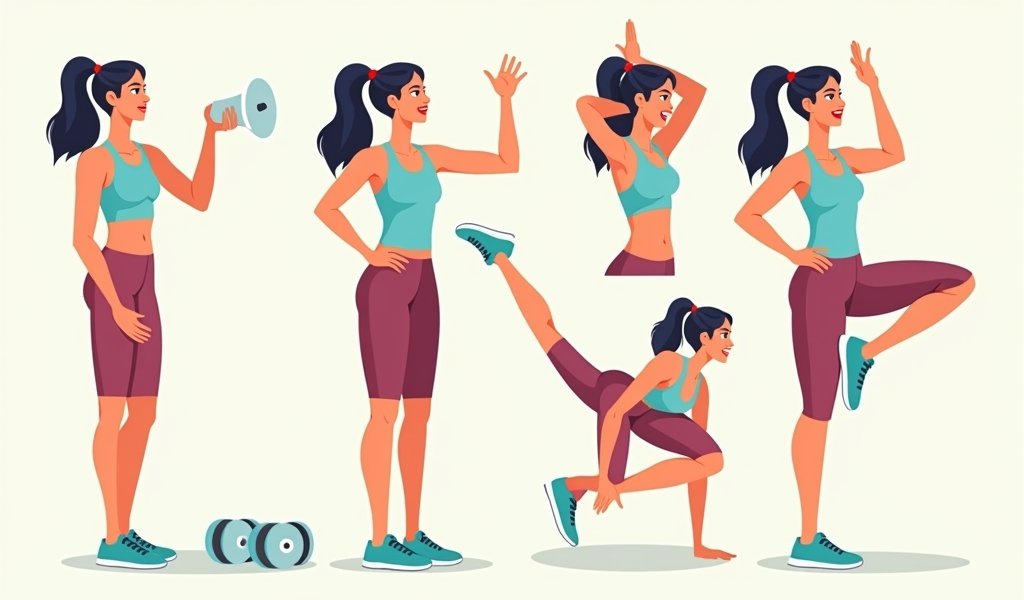
Movement snacking—short bursts of physical activity throughout the day—offers remarkable benefits even for those with packed schedules. Try incorporating these micro-workouts into your existing routine:
- Five minutes of bodyweight exercises (squats, push-ups, lunges) before your morning shower
- Walking meetings instead of sitting in conference rooms
- Kitchen counter push-ups while waiting for water to boil
- Calf raises while brushing your teeth
The science is clear: these movement snippets add up significantly. Research from the American Heart Association demonstrates that multiple short bouts of exercise provide comparable cardiovascular benefits to single longer sessions.
Another strategic approach involves exercise “stacking”—pairing movement with activities you already enjoy. For example, listening to your favorite podcast exclusively during walks creates a powerful motivation loop where you actually look forward to exercise. Similarly, scheduling active social outings like hiking with friends or taking dance classes with your partner transforms exercise from a chore into a meaningful experience.
Remember that the most effective movement practice is one that’s sustainable for your unique lifestyle definition. As someone working with a busy schedule, you’ll find more success with three 10-minute sessions consistently than occasionally pushing through a grueling hour-long workout. Consistency trumps intensity every time when it comes to long-term health benefits.
Hack 2: Nutrition Optimization Without Deprivation
Your lifestyle definition should include a nourishment philosophy that’s both scientifically sound and practically sustainable. Rather than following restrictive diets that inevitably lead to rebound eating, focus on gradual nutrition upgrades that feel natural and satisfying.
The plate composition method simplifies healthy eating without counting calories or measuring portions. Fill half your plate with colorful vegetables and fruits, one-quarter with lean proteins, and one-quarter with quality carbohydrates, preferably whole grains. This visual approach ensures nutritional balance without mathematical gymnastics during meals.
Strategic meal sequencing represents another powerful hack. Begin meals by eating vegetables first, followed by protein, and finally carbohydrates. This simple order naturally regulates your blood sugar response and increases consumption of nutrient-dense foods. A study in the Journal of Diabetes Care found that this sequence significantly improved post-meal glucose levels compared to eating the same foods in a different order.
Consider implementing a flexible eating window as part of your lifestyle definition. Condensing your eating period to 10-12 hours per day provides many of the metabolic benefits of intermittent fasting without extreme restriction. For instance, finishing dinner by 7 PM and waiting until 7 AM for breakfast gives your digestive system valuable recovery time while remaining practical for most schedules.
Remember that nutrition optimization isn’t about perfection. The 80/20 approach—eating nutritiously 80% of the time while allowing flexibility for celebrations and special occasions—creates sustainable patterns that support your health without sacrificing quality of life. This balanced perspective represents a cornerstone of a thoughtful lifestyle definition that avoids the common cycle of restriction and rebellion.
Hack 3: Quality Sleep Prioritization
Sleep optimization may be the most underrated component of a healthy lifestyle definition. Far from being “dead time,” sleep actively restores your body and brain through complex physiological processes that cannot occur during wakefulness. Prioritizing sleep quality pays dividends across every aspect of wellness.
Creating a sleep sanctuary transforms your bedroom environment to support deep rest. This includes:
- Maintaining a cool temperature (65-68°F/18-20°C) for optimal sleep architecture
- Eliminating blue light exposure at least 60 minutes before bedtime
- Using blackout curtains to eliminate disruptive ambient light
- Removing electronic devices or placing them in “do not disturb” mode
- Considering white noise machines if environmental sounds disturb your sleep
Your pre-sleep routine signals your brain that it’s time to transition from alertness to rest. Developing a consistent 15-30 minute wind-down sequence dramatically improves sleep onset and quality. This might include gentle stretching, reading physical books (not screens), journaling, or meditation practice.
Sleep timing consistency may be even more important than duration. Maintaining regular sleep and wake times—even on weekends—helps regulate your circadian rhythm, the internal clock that governs countless physiological processes. Those embracing a minimalist lifestyle often find that simplifying evening routines naturally improves sleep quality by reducing mental clutter and pre-bed stimulation.
If you struggle with racing thoughts at bedtime, try the “worry dump” technique: spend five minutes before your wind-down routine writing down any concerns, incomplete tasks, or ideas circling in your mind. This simple practice prevents mental cycling during the critical sleep onset period. For persistent sleep challenges, consider consulting a sleep specialist, as quality rest forms a non-negotiable pillar of a healthy lifestyle definition.

Hack 4: Effective Stress Management Techniques
Your lifestyle definition must include proactive stress management strategies, not merely coping mechanisms for overwhelming moments. The goal isn’t eliminating stress entirely—which is both impossible and potentially counterproductive—but developing resilience and recovery capacities.
Tactical breathing represents perhaps the most accessible and effective stress management tool available. The physiological basis is simple: controlling your breath pattern directly influences your autonomic nervous system, shifting from sympathetic (fight-or-flight) to parasympathetic (rest-and-digest) dominance. Try the 4-7-8 technique: inhale for 4 counts, hold for 7, exhale for 8. Just three cycles can measurably reduce cortisol levels and blood pressure.
Nature immersion provides another powerful stress reduction strategy. Research in the emerging field of ecotherapy demonstrates that as little as 20 minutes in natural settings significantly lowers stress hormones and improves mood. Even in urban environments, seeking green spaces, watching nature documentaries, or keeping plants in your workspace offers partial benefits.
Cognitive reframing—the practice of intentionally shifting perspective on stressful situations—builds psychological flexibility. Rather than viewing challenges as threats, train yourself to see them as growth opportunities or meaningful tests. This doesn’t mean toxic positivity or denying difficulties, but rather developing a resilient interpretive style that serves your wellbeing.
Adopting a nomadic lifestyle approach to mental flexibility—being willing to adapt and move between different mental perspectives—can significantly reduce your stress response to life’s inevitable challenges. Remember that stress management isn’t separate from other lifestyle components but integrates with them: regular movement, proper nutrition, and quality sleep all directly enhance stress resilience.
Hack 5: Daily Mindfulness Practice
Mindfulness—the practice of present-moment awareness without judgment—forms a cornerstone of a robust lifestyle definition. Unlike common misconceptions, mindfulness doesn’t require hours of lotus-position meditation. Practical, accessible approaches can be integrated into even the busiest schedule.
Micro-meditations of just 1-3 minutes can yield significant benefits when practiced consistently. Try setting three daily triggers for brief mindfulness moments: perhaps during your morning coffee, before starting your car, and while washing your hands. During these micro-pauses, simply bring full attention to your sensory experience and breath, gently returning focus when your mind wanders.
Task-based mindfulness transforms ordinary activities into opportunities for presence. Select one routine daily activity—like showering, walking between meetings, or doing dishes—and commit to performing it with complete attention to sensory details. This practice builds the “mindfulness muscle” while requiring no additional time commitment.
The body scan technique offers a powerful method for releasing physical tension and reconnecting with your physical experience. Starting at either your head or feet, mentally move through your entire body, noticing sensations without trying to change them. This practice takes just 5-10 minutes and can be done anywhere, even while lying in bed.
Mindfulness extends beyond formal practice into how you approach daily experiences. Cultivating curiosity about your thoughts, emotions, and reactions—observing them like passing weather patterns rather than absolute truths—creates psychological space that prevents automatic reactivity. This fundamental shift in perspective may be the most valuable aspect of mindfulness for your lifestyle definition.
Hack 6: Meaningful Social Connection
Human connection constitutes an essential but often overlooked component of a healthy lifestyle definition. The quality of your relationships directly influences physical health markers, including immune function, cardiovascular health, and longevity. Strategic approaches to social wellness can amplify these benefits.
Connection auditing involves honestly assessing which relationships energize you versus those that consistently deplete your resources. While not all difficult relationships can be avoided, intentionally investing more time in nurturing connections creates a positive social ecosystem. Consider scheduling regular check-ins with those who uplift you, even brief video calls or voice messages if distance separates you.
Vulnerability practice strengthens relationship depth. Sharing authentic thoughts, feelings, and experiences—rather than maintaining surface-level interactions—activates neurobiological systems that reduce stress and increase bonding. Start with small disclosures and gradually build trust through mutual openness.
Active listening techniques transform ordinary conversations into meaningful exchanges. Try the 2:1 ratio: aim to listen twice as much as you speak, asking thoughtful follow-up questions and avoiding the common habit of formulating responses while others are still talking. This simple shift demonstrates genuine interest while providing valuable insight into others’ experiences.
Purpose-driven social activities combine connection with other wellness dimensions. Walking meetings with colleagues, cooking healthy meals with friends, or volunteering for causes you value all nourish social wellness while simultaneously supporting physical health and meaning-making. These multi-dimensional activities represent an efficient approach to lifestyle optimization.
Hack 7: Environmental Wellness Design
Your physical environment silently shapes your behaviors and physiological state, making environmental wellness a crucial element of a comprehensive lifestyle definition. Simple, strategic modifications to your surroundings can nudge you toward healthier choices without relying solely on willpower.
Friction reduction involves designing your environment to make healthy behaviors the path of least resistance. Place resistance bands near your desk for movement breaks, prepare cut vegetables at eye level in your refrigerator, and keep a filled water bottle within arm’s reach throughout your day. Conversely, create friction for less desirable behaviors by storing temptation foods in opaque containers or keeping digital devices outside your bedroom.
Natural element integration brings elements of nature into your daily spaces, reducing stress and improving cognitive function. Position workspaces near windows when possible, incorporate houseplants into your living areas, and consider using nature sounds or images during high-stress periods. Even simulated nature exposure provides measurable physiological benefits.
Light optimization significantly impacts your circadian rhythm and energy levels. Maximize morning exposure to bright, natural light to regulate your sleep-wake cycle and support vitamin D production. In the evening, transition to warmer, dimmer lighting to signal your brain that sleep approaches. Consider using amber glasses or screen filters to reduce blue light exposure after sunset.
Clutter management extends beyond aesthetics to directly impact your mental state. Research demonstrates that visual clutter competes for neural resources and increases stress hormone production. Implementing simple organizational systems and regularly decluttering your most-used spaces creates a physical environment that supports mental clarity and reduced anxiety—key components of a sustainable lifestyle definition.
Putting It All Together: Your Personalized Lifestyle Plan
A sustainable lifestyle definition isn’t implemented overnight but develops through consistent small improvements. Start by assessing your current patterns in each dimension of wellness, identifying both strengths to leverage and opportunities for growth.
Rather than attempting wholesale life renovation, select just two high-impact changes to implement first—ideally one that builds on existing strengths and one that addresses a priority gap. For instance, if you already enjoy walking but struggle with evening stress, you might extend your morning walks by ten minutes and add a five-minute breathing practice before dinner.
Environmental triggers help establish new habits without relying on motivation. Link new behaviors to existing routines: perhaps stretching while your morning coffee brews or practicing gratitude while brushing your teeth. These “habit stacks” leverage your brain’s natural tendency to automate sequential behaviors.
Regularly reassess and adjust your approach based on real-world results rather than theoretical ideals. A lifestyle definition that looks perfect on paper but creates constant strain in practice will inevitably fail. True lifestyle optimization involves finding the sweet spot between evidence-based principles and your unique preferences, constraints, and natural tendencies.
Remember that lifestyle evolution follows a nonlinear path. Periods of substantial progress alternate with plateaus and occasional setbacks. This pattern represents normal human adaptation rather than failure. By anticipating variability and building in flexibility, you create a lifestyle definition capable of weathering life’s inevitable changes and challenges.
Conclusion
Your lifestyle definition represents the most powerful determinant of both your daily experience and long-term health outcomes. By thoughtfully integrating strategic movement, nutrition optimization, quality sleep, stress management, mindfulness practice, social connection, and environmental design, you create a comprehensive system for wellbeing that far exceeds the impact of any single intervention.
The seven hacks outlined above provide evidence-based starting points for refining your personal lifestyle definition. Remember that sustainable change happens through consistent small improvements rather than dramatic overhauls. Begin where you are, focus on progress rather than perfection, and trust the compound effect of daily choices to transform your health trajectory over time.
Your ideal lifestyle isn’t a rigid prescription but a flexible framework that evolves with your changing needs, circumstances, and insights. By approaching lifestyle design as an ongoing conversation rather than a fixed destination, you maintain both scientific validity and personal relevance. This balanced perspective—honoring both evidence-based principles and individual experience—forms the foundation of a truly sustainable lifestyle definition.
Frequently Asked Questions
What exactly does lifestyle definition mean?
Lifestyle definition encompasses the complete pattern of daily choices and habits that shape your health, happiness, and longevity. It includes how you move, eat, sleep, manage stress, connect with others, and interact with your environment.
How long does it take to change your lifestyle?
Research suggests that habit formation typically takes between 18-254 days, with an average of 66 days to reach automaticity. Small, consistent changes prove more effective than dramatic short-term overhauls.
Can I improve my lifestyle if I have a busy schedule?
Absolutely! Strategic “habit stacking” and brief wellness practices integrated into existing routines can create significant improvements without requiring additional time. Focus on efficiency and integration rather than duration.
Which lifestyle change provides the biggest health benefits?
While all dimensions matter, improving sleep quality often yields the most immediate and wide-ranging benefits. Quality sleep enhances metabolism, immune function, cognitive performance, and emotional regulation simultaneously.
Is it better to focus on one lifestyle area at a time?
For most people, addressing 1-2 areas at once provides the optimal balance between meaningful change and sustainable implementation. Choose complementary areas that naturally support each other for maximum impact.