
Overview
Like juggling flaming torches while riding a unicycle through different life stages, women’s wellness requires a multidimensional approach that addresses unique female physiology beyond just reproductive health. This guide explores ten interconnected areas—nutrition, exercise, stress management, sleep, hormonal balance, preventive screenings, mental wellbeing, social connections, and authentic self-care practices—providing evidence-based strategies for women to optimize their physical, emotional, and social health throughout their lives.
Table of Contents
- Understanding Women’s Wellness: A Holistic Approach
- Nutrition Foundations for Women’s Health
- Movement Matters: Exercise for Female Physiology
- Stress Management Techniques for Modern Women
- Sleep Optimization: The Unsung Hero of Women’s Health
- Hormonal Harmony Throughout Life’s Phases
- Preventive Health Screenings Every Woman Needs
- Mental Wellbeing: Beyond the Physical
- Building Connections: The Social Aspect of Wellness
- Self-Care Practices That Actually Work
- Conclusion
- Frequently Asked Questions
Understanding Women’s Wellness: A Holistic Approach
Women’s wellness isn’t simply about avoiding illness—it’s a dynamic, multidimensional journey toward optimal physical, emotional, and social wellbeing. As a health professional who has guided thousands of women through their wellness journeys, I’ve observed firsthand how an integrated approach yields the most sustainable results. This comprehensive exploration of women’s wellness addresses the unique physiological, hormonal, and lifestyle factors that influence female health throughout different life stages.
The concept of women’s wellness has evolved significantly over the past decade. No longer confined to reproductive health alone, today’s health and wellness practices recognize that women’s bodies respond differently to nutrition, exercise, stress, and environmental factors compared to men. Research from the National Institutes of Health confirms these sex-based biological differences affect everything from metabolism to immune function.
What makes a holistic approach to women’s wellness so powerful is its recognition that no single health component exists in isolation. Your nutrition affects your hormones, which influence your sleep quality, which impacts your stress levels, which circles back to affect your nutritional choices. Breaking this cycle at any point can create positive ripple effects throughout your entire wellbeing ecosystem.
Nutrition Foundations for Women’s Health
Proper nutrition forms the cornerstone of women’s wellness, providing the essential building blocks for hormonal balance, energy production, and cellular repair. Women have unique nutritional needs that evolve through different life phases—from adolescence through the reproductive years, perimenopause, and beyond.
Iron requirements stand out as particularly crucial for women. Due to menstrual blood loss, premenopausal women need significantly more iron than men—approximately 18mg daily compared to 8mg for men. Plant-based eaters should be especially mindful of combining iron-rich foods like lentils and spinach with vitamin C sources to enhance absorption.
Calcium and vitamin D deserve special attention in women’s nutrition. These nutrients work synergistically to build and maintain bone density, helping prevent osteoporosis—a condition that affects women at four times the rate of men. Aim for 1,000-1,200mg of calcium daily from sources like dairy products, fortified plant milks, leafy greens, and small-boned fish.
Hormonal health depends heavily on adequate fat consumption, particularly omega-3 fatty acids. These essential fats serve as precursors for hormone production and help regulate inflammatory processes. Cold-water fatty fish, walnuts, flaxseeds, and chia seeds are excellent sources to incorporate weekly.
For women managing conditions like PCOS, nutrition becomes even more specialized. Anti-inflammatory eating patterns that balance blood sugar through complex carbohydrates, quality proteins, and healthy fats can significantly improve symptoms and overall quality of life.
Movement Matters: Exercise for Female Physiology
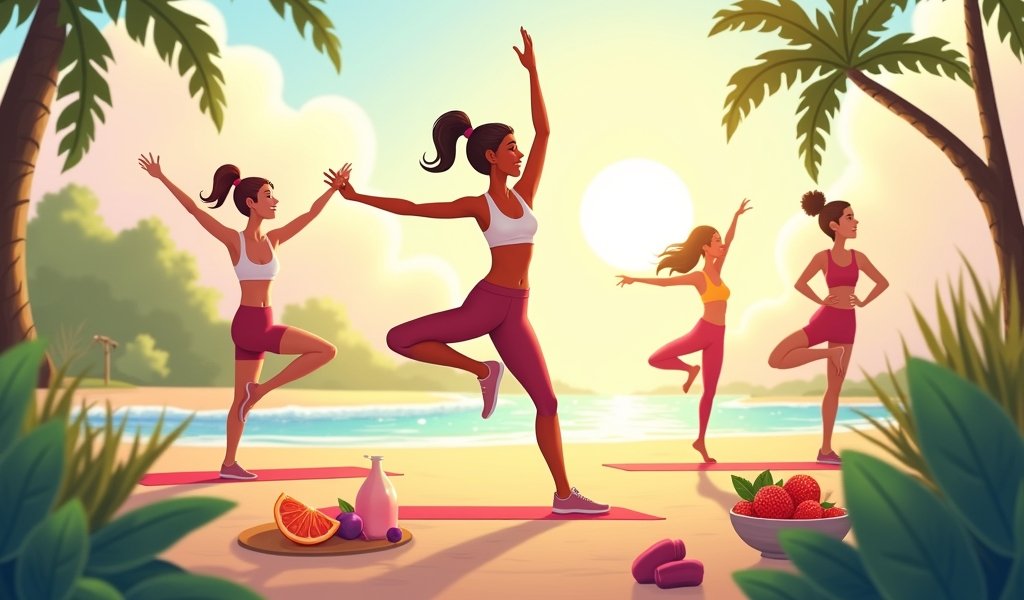
Exercise is a powerful tool in women’s wellness, but the most effective approach aligns with female physiology rather than fighting against it. Women typically carry more essential fat than men (necessary for reproductive health), have different muscle fiber compositions, and experience fluctuating energy levels throughout their menstrual cycles.
Strength training stands out as particularly beneficial for women. Contrary to outdated myths about “bulking up,” resistance exercise helps women build lean muscle mass, increase bone density, and improve metabolic health. According to fitness experts at ACE, women can expect to gain strength without significant size increases due to lower testosterone levels.
Cycle syncing offers a revolutionary approach to exercise programming. This method involves adjusting workout intensity and type to align with different phases of your menstrual cycle:
- Menstrual phase (days 1-5): Gentle movement like walking, restorative yoga, or light swimming
- Follicular phase (days 6-14): Progressive intensity with HIIT, dance cardio, or challenging strength workouts
- Ovulatory phase (days 15-17): Peak energy for high-intensity activities or personal records
- Luteal phase (days 18-28): Gradual tapering with steady-state cardio, Pilates, or moderate strength work
Pelvic floor health represents another crucial but often overlooked aspect of women’s fitness. Pregnancy, childbirth, hormonal changes, and aging can all impact pelvic floor function. Regular pelvic floor exercises help prevent or address incontinence issues while supporting reproductive and digestive health.
The most sustainable exercise approach embraces variety and adaptability. Rather than adhering to rigid programs, successful women’s wellness routines incorporate diverse movement patterns that build all components of fitness: cardiovascular endurance, muscular strength, flexibility, balance, and functional capacity.
Stress Management Techniques for Modern Women
Chronic stress poses a particular threat to women’s wellness, manifesting in hormonal imbalances, disrupted sleep patterns, compromised immune function, and increased risk of autoimmune conditions. Women today frequently juggle multiple roles and responsibilities, making effective stress management not merely helpful but essential.
Mindfulness practices offer accessible entry points for stress reduction. The simple act of bringing full attention to your breathing for just 5-10 minutes daily activates your parasympathetic nervous system—your body’s natural relaxation response. Studies from researchers at Harvard Medical School confirm that regular mindfulness practice physically alters brain structures associated with stress processing.
Adaptogenic herbs represent a natural approach to stress management that works with female physiology. Herbs like ashwagandha, rhodiola, and holy basil help modulate cortisol levels and support adrenal function. Unlike stimulants or sedatives that force physiological changes, adaptogens help the body respond more appropriately to stressors.
Boundary-setting, while not typically considered a wellness practice, directly impacts hormonal health. Chronic people-pleasing and difficulty saying “no” keep cortisol levels elevated and deplete vital energy reserves. Learning to establish and maintain healthy boundaries constitutes a fundamental self-care practice.
Regular nature exposure provides another evidence-based stress management tool. The practice of “forest bathing” (spending mindful time among trees) has been shown to lower cortisol, reduce blood pressure, and improve immune function. Even brief, daily connections with natural environments can yield significant benefits.
Sleep Optimization: The Unsung Hero of Women’s Health
Quality sleep serves as a master regulator of women’s wellness, influencing everything from hormone production and stress resilience to cognitive function and emotional regulation. Unfortunately, women are 40% more likely to experience insomnia than men, with hormonal fluctuations, pregnancy, parenting, and perimenopause all contributing to disrupted sleep patterns.
Sleep needs evolve throughout a woman’s life stages. During menstruation, the drop in progesterone can make falling asleep more difficult. Pregnancy brings its own challenges with physical discomfort and frequent bathroom trips. Perimenopause and menopause often introduce night sweats and increased sleep disruptions. Recognizing these patterns helps in developing targeted solutions.
Creating a sleep sanctuary transforms your bedroom into a space that signals rest to your nervous system. This involves more than comfort—consider temperature (ideally 65-68°F for most women), complete darkness, and minimal electromagnetic exposure. Removing digital devices from the bedroom not only eliminates blue light but also reduces subconscious stress triggers.
A consistent sleep-wake schedule works with your body’s natural circadian rhythms. Going to bed and rising at approximately the same times—even on weekends—helps regulate your internal clock. This consistency supports optimal hormone production, particularly melatonin and cortisol, which influence countless other bodily processes.
For women struggling with persistent sleep issues, cognitive behavioral therapy for insomnia (CBT-I) offers a research-backed, non-pharmaceutical approach. This structured program addresses the thoughts, behaviors, and environmental factors disrupting sleep. The National Sleep Foundation recognizes CBT-I as the first-line treatment for chronic insomnia.

Hormonal Harmony Throughout Life’s Phases
Hormonal balance represents a dynamic aspect of women’s wellness that shifts naturally throughout different life phases. Rather than viewing these changes as problems to fix, a wellness-oriented approach focuses on supporting your body’s natural hormonal rhythms while addressing imbalances that cause distress.
Understanding your unique cycle patterns provides valuable health insights. Tracking variables like energy levels, mood, digestion, and sleep quality throughout your menstrual cycle can reveal patterns that guide personalized wellness practices. Several research-based apps now make this tracking more accessible than ever.
Perimenopause and menopause mark significant hormonal transitions that typically begin in a woman’s 40s. These natural phases often bring challenges like hot flashes, mood fluctuations, and changes in body composition. Menopause-specific nutrition approaches that emphasize phytoestrogen-rich foods, blood sugar stability, and anti-inflammatory compounds can significantly ease this transition.
Endocrine disruptors in everyday products pose a growing concern for hormonal health. These compounds in plastics, personal care products, and household items can mimic or interfere with hormonal activity. Choosing clean, non-toxic alternatives represents a proactive step toward hormonal wellness.
For women experiencing significant hormonal distress, bioidentical hormone therapy offers an option worth discussing with a knowledgeable healthcare provider. These hormones, which are molecularly identical to those your body produces, may help alleviate symptoms while potentially reducing long-term health risks compared to synthetic alternatives. As research in the International Journal of Pharmaceutical Compounding notes, individualized approaches yield the best outcomes.
Preventive Health Screenings Every Woman Needs
Preventive screenings form a crucial component of women’s wellness, allowing for early detection and intervention when health challenges arise. Rather than viewing these as anxiety-inducing obligations, reframe screenings as empowering acts of self-care that provide valuable information about your body.
Breast health screenings vary by age and risk factors. While breast self-awareness (knowing what’s normal for your breasts) remains important at any age, clinical recommendations typically suggest mammograms beginning at age 40 for average-risk women. Those with genetic predispositions or family history may benefit from earlier or additional screening methods.
Cervical health screenings have evolved with our understanding of HPV’s role in cervical cancer. Current guidelines from the American College of Obstetricians and Gynecologists recommend Pap tests every 3 years for women 21-29, and Pap with HPV co-testing every 5 years for women 30-65.
Cardiovascular screening deserves greater attention in women’s health conversations. Heart disease remains the leading cause of death for women, yet its symptoms often present differently than in men. Regular blood pressure checks, cholesterol panels, and discussions about heart health risk factors should begin in early adulthood.
Bone density screening becomes particularly relevant during perimenopause and beyond. The rapid decline in estrogen during this transition accelerates bone loss, making osteoporosis screening vital for preventive care. Most guidelines suggest baseline screening around age 65, though earlier testing benefits those with risk factors.
Mental health screening represents an equally important but often overlooked aspect of women’s wellness. Regular assessment for depression, anxiety, and other mental health concerns should be integrated into routine healthcare visits, especially during major life transitions like postpartum and perimenopause when hormonal fluctuations increase vulnerability.
Mental Wellbeing: Beyond the Physical
Mental wellbeing forms an inseparable component of women’s wellness, influencing and being influenced by physical health. Women experience certain mental health conditions like depression and anxiety at significantly higher rates than men—a reality influenced by both biological factors (hormonal fluctuations) and sociocultural pressures.
The mind-body connection takes center stage in women’s mental wellness. Practices like yoga, tai chi, and qigong integrate physical movement with breath awareness and mental focus, creating powerful tools for reducing anxiety and improving mood. These modalities work by simultaneously addressing multiple dimensions of wellness.
Cognitive reframing offers a practical approach to shifting thought patterns that undermine wellbeing. Many women contend with internalized perfectionism, comparison thinking, or excessive self-criticism. Learning to recognize and consciously redirect these thought patterns creates space for more self-compassion and realistic perspectives.
Creative expression provides a powerful outlet for processing emotions and reducing stress. Activities like journaling, painting, dance, or music engage different brain regions than verbal processing alone, often accessing emotions and insights that remain inaccessible through traditional talk therapy.
Professional support through therapy, counseling, or coaching offers valuable guidance for navigating complex emotional terrain. Different modalities serve different needs—cognitive-behavioral therapy excels at addressing specific thought patterns, while approaches like EMDR may better serve those processing trauma. Finding the right fit involves some experimentation and open communication.
Building Connections: The Social Aspect of Wellness
Social connections constitute a fundamental but frequently overlooked dimension of women’s wellness. Research consistently demonstrates that strong social ties correlate with lower mortality rates, reduced disease risk, and better recovery outcomes when illness does occur.
Quality surpasses quantity when it comes to relationship benefits. A few deep, meaningful connections provide greater wellness support than numerous surface-level interactions. Prioritizing relationships where you feel truly seen, heard, and valued creates a foundation for authentic social wellbeing.
Community involvement offers a powerful avenue for expanding social connections while contributing to collective wellbeing. Volunteer work, community gardens, neighborhood initiatives, or faith-based groups provide structured opportunities to connect with others around shared values and meaningful activities.
Digital boundaries become increasingly important for social wellness in our hyperconnected world. While online platforms can facilitate meaningful connections, they also present risks of comparison, FOMO (fear of missing out), and passive consumption of others’ curated lives. Establishing intentional practices around social media use protects mental wellbeing.
Intergenerational relationships offer unique benefits for women’s wellness. Connections with both older and younger women provide perspective, wisdom transfer, and opportunities to both mentor and be mentored. These relationships often carry less competition or comparison than peer relationships, creating space for more authentic exchange.
Self-Care Practices That Actually Work
Authentic self-care transcends bubble baths and scented candles (though these have their place!). True self-care involves honoring your fundamental needs and boundaries in ways that replenish rather than deplete your resources. For women juggling multiple responsibilities, effective self-care often requires intentional planning.
Energy management offers a more sustainable approach than traditional time management. Rather than squeezing more activities into limited hours, this approach involves aligning tasks with your natural energy rhythms. Schedule demanding activities during your peak energy periods and reserve lower-energy times for less intensive tasks.
Pleasure as a wellness practice deserves greater recognition. Activities that genuinely bring joy—whether reading, gardening, cooking, or simply sitting in silence—activate your parasympathetic nervous system and counterbalance stress hormones. Small, daily doses of authentic pleasure yield significant wellness benefits.
Digital detoxes provide necessary respite for your nervous system and attention capacity. Even brief periods of disconnection from screens and notifications allow your brain to process information differently, often yielding greater creativity and mental clarity. Consider device-free mealtimes, screen curfews, or weekly tech sabbaticals.
Seasonal self-care acknowledges that wellness needs evolve with natural cycles. Winter might call for more rest, contemplation, and warming practices, while summer might invite more movement, social connection, and outdoor activities. Aligning self-care with seasonal rhythms creates greater harmony with your environment and internal needs.
Conclusion
Women’s wellness represents a dynamic journey rather than a fixed destination. The ten evidence-based approaches outlined in this guide provide a comprehensive framework for nurturing physical, mental, and social wellbeing across different life stages. Remember that wellness isn’t about perfection but rather about making conscious choices that honor your unique body, mind, and spirit.
The most sustainable approach to women’s wellness embraces flexibility and self-compassion. Different seasons of life will naturally emphasize different aspects of these practices. During particularly demanding periods, even small wellness actions create meaningful benefits and maintain your connection to self-care.
Your women’s wellness journey becomes most powerful when it extends beyond personal practices to create positive ripples in your community. As you discover approaches that truly serve your wellbeing, sharing these insights with other women creates collective empowerment. Together, we can transform women’s wellness from an individual pursuit to a cultural priority.
Frequently Asked Questions
What are the most important vitamins for women’s wellness?
Iron, vitamin D, calcium, folate, and B12 are particularly crucial for women’s health. These nutrients support energy production, bone health, reproductive function, and neurological wellbeing.
How does stress specifically affect women’s hormones?
Chronic stress elevates cortisol, which can disrupt estrogen and progesterone balance, potentially leading to irregular periods, fertility challenges, and exacerbated PMS. This “cortisol steal” effect prioritizes stress hormone production over reproductive hormones.
Can women benefit from intermittent fasting?
Women may respond differently to intermittent fasting than men due to greater sensitivity to caloric restriction. Gentler approaches like 12:12 or 14:10 fasting windows often work better for female physiology than extended fasting periods.
What exercise is best during perimenopause?
Strength training, moderate-intensity cardio, and weight-bearing exercises provide the most benefits during perimenopause. These activities help maintain muscle mass, support bone density, and regulate hormonal shifts.
How can I balance hormones naturally?
Support hormone balance through regular sleep patterns, stress management, anti-inflammatory nutrition, and minimizing endocrine disruptors in personal products. Specific adaptogenic herbs like maca, ashwagandha, and chasteberry may also offer benefits for different hormonal needs.