

Overview
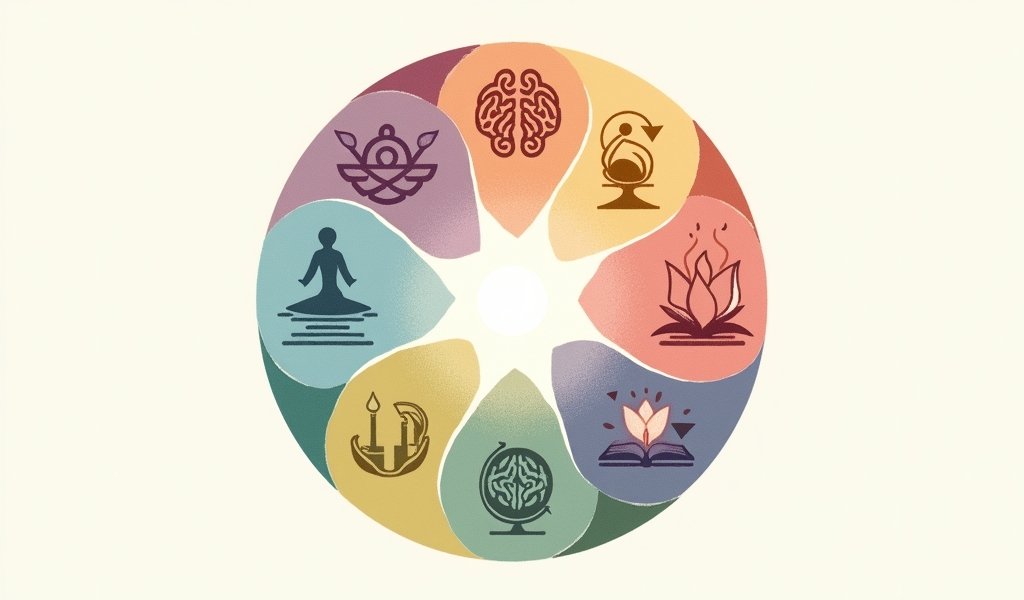
Who knew there were eight whole dimensions to wellness when most of us can barely remember to drink water and go to bed at a reasonable hour? This article explores the interconnected aspects of wellness—physical, emotional, intellectual, social, spiritual, environmental, occupational, and financial—providing practical strategies for incorporating each dimension into daily life through small, sustainable habits rather than overwhelming changes.
Table of Contents
- Understanding Wellness: A Holistic Approach
- Physical Wellness: The Foundation of Health
- Emotional Wellness: Nurturing Your Inner Self
- Intellectual Wellness: Keeping Your Mind Sharp
- Social Wellness: Cultivating Meaningful Connections
- Spiritual Wellness: Finding Purpose and Meaning
- Environmental Wellness: Creating Harmony With Your Surroundings
- Occupational Wellness: Finding Fulfillment in Work
- Financial Wellness: Creating Stability and Peace of Mind
- Incorporating All Eight Areas of Wellness Into Daily Life
- Conclusion: Your Journey to Complete Wellness
- Frequently Asked Questions
Understanding Wellness: A Holistic Approach
When we talk about what are the eight areas of wellness and how can they be incorporated into one’s daily life, we’re exploring a comprehensive framework that goes far beyond simply being free from illness. Wellness is a dynamic, ever-evolving journey toward optimal health and well-being that encompasses multiple dimensions of our lives.
As a health professional, I’ve observed that many people tend to focus on just one or two aspects of wellness—typically physical health through exercise and nutrition. While these are certainly important, true wellness requires attention to all eight interconnected dimensions: physical, emotional, intellectual, social, spiritual, environmental, occupational, and financial wellness.
These dimensions don’t exist in isolation. They constantly interact, influence, and balance each other. For instance, your emotional wellness can significantly impact your physical health, while your occupational satisfaction might affect your financial and social wellness. Understanding this interconnectedness is the first step toward creating a balanced, fulfilling life.
According to the National Institutes of Health, this multidimensional approach to wellness is linked to improved health outcomes, greater longevity, and higher quality of life. By addressing all eight areas, you’re not just preventing illness; you’re actively creating a state of complete well-being.
Let’s explore each dimension in detail and discover practical, sustainable ways to incorporate them into your everyday routine—no matter how busy your life might be.
Physical Wellness: The Foundation of Health
Physical wellness forms the cornerstone of our overall health. It involves maintaining a healthy body through regular physical activity, proper nutrition, adequate sleep, and avoiding harmful habits. When we prioritize physical wellness, we build the energy and vitality needed to engage fully with other wellness dimensions.
Regular movement doesn’t necessarily mean intense gym sessions. Finding meaningful fitness activities that you genuinely enjoy is key to sustainability. This could be dancing, gardening, walking with friends, swimming, or yoga. Aim for at least 150 minutes of moderate activity weekly, broken into manageable chunks that fit your schedule.
Nutrition plays an equally crucial role in physical wellness. Rather than following restrictive diets, focus on building a balanced eating pattern rich in whole foods. Include colorful vegetables, fruits, lean proteins, whole grains, and healthy fats in your meals. Small, consistent improvements in your diet will yield greater benefits than dramatic short-term changes.
Quality sleep is perhaps the most underappreciated aspect of physical wellness. Adults typically need 7-9 hours of restorative sleep each night. Establish a calming bedtime routine, limit screen time before bed, create a comfortable sleep environment, and maintain consistent sleep-wake times—even on weekends.
Daily integration strategies for physical wellness include:
- Take movement breaks during long periods of sitting
- Keep a water bottle within reach to stay hydrated
- Prep simple, healthy meals in advance for busy days
- Schedule physical activity on your calendar like any important appointment
- Practice mindful eating by slowing down and savoring your food
Remember that physical wellness isn’t about achieving perfection or adhering to rigid standards. It’s about making consistent choices that honor your body’s needs and capabilities. The goal is progress, not perfection.

Emotional Wellness: Nurturing Your Inner Self
Emotional wellness involves understanding, accepting, and effectively expressing our feelings while building resilience to life’s challenges. It’s about developing awareness of your emotional landscape and healthy coping mechanisms to navigate both positive and negative emotions.
Self-awareness forms the foundation of emotional wellness. Take time each day to check in with yourself. How are you feeling? What might be contributing to these emotions? Simple mindfulness practices like meditation, journaling, or even mindful breathing can significantly enhance your emotional awareness and regulation.
Developing healthy coping strategies is essential for emotional resilience. This might include physical activity, creative expression, connecting with supportive people, or seeking professional guidance when needed. Remember that asking for help is a sign of strength, not weakness.
According to Harvard Health, emotional intelligence—our ability to recognize, understand, and manage emotions—plays a crucial role in both personal and professional success. By investing in your emotional wellness, you’re enhancing your overall quality of life.
Practical ways to incorporate emotional wellness into daily life include:
- Start your morning with a brief gratitude practice
- Schedule regular “worry time” to address concerns constructively
- Practice setting healthy boundaries in relationships
- Develop a “feelings vocabulary” to better articulate emotions
- Create an end-of-day ritual to process and release the day’s stress
Remember that emotional wellness doesn’t mean always feeling happy. It means acknowledging all emotions as valid while developing the tools to respond to them in healthy ways. This dimension of wellness often intertwines deeply with social and spiritual wellness, creating a foundation for meaningful connections and purpose.
Intellectual Wellness: Keeping Your Mind Sharp
Intellectual wellness involves maintaining an open mind, engaging in creative pursuits, and continually expanding your knowledge. It’s about nurturing curiosity, critical thinking skills, and finding joy in learning throughout your lifetime. This dimension of wellness helps keep your mind sharp as you age while providing fulfillment through personal growth.
Continuous learning doesn’t require formal education. It can take countless forms—reading books, listening to podcasts, taking online courses, engaging in stimulating conversations, or learning new skills. The key is to regularly challenge your mind by stepping outside your intellectual comfort zone.
Creative expression represents another vital aspect of intellectual wellness. Whether through writing, painting, cooking, music, gardening, or problem-solving at work, creativity stimulates different brain pathways and provides a sense of accomplishment. Make time for activities that allow you to think differently and express your unique perspective.
Research from the National Institute on Aging suggests that lifelong learning and intellectual engagement may help protect against cognitive decline and dementia. By prioritizing intellectual wellness, you’re potentially investing in your future brain health.
Simple ways to incorporate intellectual wellness daily include:
- Read, listen to, or watch something informative for 15 minutes daily
- Have meaningful conversations that challenge your thinking
- Solve puzzles, play strategy games, or try brain teasers
- Learn a new skill or hobby that interests you
- Explore perspectives different from your own through books or conversations
Remember that intellectual wellness isn’t about academic achievement or intelligence. It’s about maintaining curiosity, openness to new ideas, and finding joy in the process of learning and growing. This dimension can be particularly energizing when it overlaps with occupational and social wellness, creating opportunities for meaningful engagement with others.
Social Wellness: Cultivating Meaningful Connections
Social wellness centers on building and maintaining positive relationships with others. It involves developing strong communication skills, creating a supportive network, contributing to your community, and balancing social activities with personal time. These connections provide emotional support, practical assistance, and a sense of belonging essential to human thriving.
Quality matters more than quantity when it comes to relationships. Focus on nurturing a few meaningful connections rather than maintaining numerous superficial ones. Invest time in people who support your growth, share your values, and bring positive energy to your life. These relationships create a foundation of support during both challenges and celebrations.
Effective communication forms the cornerstone of healthy relationships. Practice active listening, express your needs clearly, and address conflicts constructively. Remember that vulnerability—sharing your authentic self—often strengthens rather than weakens connections, creating space for deeper understanding and empathy.
Community involvement represents another important aspect of social wellness. Whether through volunteering, participating in local events, joining clubs, or supporting causes you believe in, community engagement expands your sense of connection and purpose. According to Mayo Clinic researchers, strong social connections may even boost immune function and increase longevity.
Ways to incorporate social wellness into daily life include:
- Schedule regular check-ins with friends and family
- Join groups related to your interests or values
- Practice being fully present during conversations
- Express gratitude to people who positively impact your life
- Set healthy boundaries to maintain balanced relationships
Remember that social wellness looks different for everyone based on personality and preferences. Introverts may thrive with fewer, deeper connections, while extroverts might energize through broader social networks. Honor your authentic social needs while ensuring you maintain meaningful human connection, a fundamental requirement for wellness.
Spiritual Wellness: Finding Purpose and Meaning
Spiritual wellness involves seeking meaning and purpose in human existence, developing a set of guiding values, and establishing peace and harmony in our lives. Regardless of religious beliefs, this dimension helps us understand our place in the larger context of life and guides our actions through a coherent value system.
For some, spiritual wellness is expressed through religious practices and beliefs. For others, it manifests through connection with nature, ethical principles, philosophical inquiry, or humanitarian service. The common thread is developing a perspective that transcends daily concerns and connects you to something larger than yourself.
Clarifying your core values forms an essential aspect of spiritual wellness. When you identify what truly matters to you—whether compassion, integrity, creativity, justice, or family—these values can guide your decisions and help you live with greater authenticity and purpose. Regular reflection on whether your actions align with these values helps maintain spiritual coherence.
Spiritual practices vary widely but often involve creating moments of stillness and reflection. Meditation, prayer, time in nature, journaling, yoga, or mindful walking can all create space for spiritual connection. These practices don’t require extensive time—even five minutes of intentional reflection can nurture spiritual wellness.
Ways to incorporate spiritual wellness daily include:
- Begin or end each day with a moment of gratitude or reflection
- Spend time in natural settings that inspire awe and perspective
- Engage in activities that align with your deepest values
- Read inspiring literature that explores life’s bigger questions
- Practice acts of kindness and service to others
Remember that spiritual wellness is highly personal. What brings meaning to one person may differ entirely from what resonates with another. The key is to regularly connect with whatever brings you a sense of purpose, peace, and alignment with your authentic self.
Environmental Wellness: Creating Harmony With Your Surroundings
Environmental wellness involves understanding how our environments affect our health and taking steps to create surroundings that support our well-being. This includes both our immediate personal spaces and our relationship with the broader natural world. Our environments significantly impact our mental, physical, and emotional health, making this dimension crucial to overall wellness.
Creating a supportive home environment represents one aspect of environmental wellness. This involves organizing spaces to reduce stress, incorporating elements that bring joy and calm, minimizing toxins, and optimizing for comfort and functionality. Simple homemaking improvements like reducing clutter, adding plants, or creating a dedicated relaxation space can significantly enhance your daily well-being.
Our relationship with nature forms another critical component of environmental wellness. Research increasingly shows that regular connection with natural environments reduces stress, improves mood, enhances cognitive function, and supports physical health. Even brief interactions with nature—like a short walk in a park or simply sitting under a tree—can provide measurable benefits.
Environmental stewardship extends this dimension beyond personal benefit. Making sustainable choices helps protect the health of our planet while often enhancing our individual wellness. According to environmental health research, even small eco-friendly practices can create a sense of purpose while contributing to larger environmental solutions.
Ways to incorporate environmental wellness daily include:
- Designate 10 minutes daily for tidying your most-used spaces
- Bring elements of nature indoors through plants or natural materials
- Spend time outdoors, even briefly, each day
- Gradually replace household products with non-toxic alternatives
- Adopt one new sustainable habit each month
Remember that environmental wellness doesn’t require dramatic lifestyle changes or perfect spaces. It’s about progressively creating surroundings that energize rather than drain you, while developing a mutually beneficial relationship with the natural world that sustains us all.
Occupational Wellness: Finding Fulfillment in Work
Occupational wellness involves finding satisfaction, enrichment, and alignment with your values through your work activities. Whether in paid employment, volunteer roles, caregiving, or creative pursuits, this dimension focuses on engaging in work that provides personal meaning while maintaining balance with other life areas.
Finding purpose in work represents a cornerstone of occupational wellness. This doesn’t necessarily mean having your dream job, but rather identifying aspects of your work that connect to your values and strengths. Even in challenging positions, you can often find elements that provide meaning—whether helping others, solving problems, creating something valuable, or supporting colleagues.
Skill development contributes significantly to occupational wellness by providing a sense of growth and competence. Regularly learning new abilities, refining existing skills, or taking on fresh challenges helps prevent stagnation while increasing your sense of capability and confidence. This continuous development also enhances your adaptability in an ever-changing work landscape.
Work-life balance forms an essential component of occupational wellness. This involves setting appropriate boundaries around work time, taking breaks, using vacation days, and ensuring that work doesn’t consistently interfere with other wellness dimensions. True occupational wellness means that work enhances rather than depletes your overall quality of life.
Ways to incorporate occupational wellness daily include:
- Start your workday by identifying one meaningful task to focus on
- Take short breaks to reset your mind and body throughout the day
- Learn something new related to your work each week
- Practice saying no to tasks that don’t align with your priorities
- End your workday with a clear boundary ritual
Remember that occupational wellness looks different depending on your life stage, circumstances, and personal aspirations. The ultimate goal is finding work—paid or unpaid—that provides a sense of purpose and accomplishment while allowing space for other important dimensions of your life.
Financial Wellness: Creating Stability and Peace of Mind
Financial wellness involves developing a healthy relationship with money, creating stability, and making informed financial decisions that align with your values and goals. This dimension significantly impacts other wellness areas, as financial stress can affect everything from physical health to relationships and mental well-being.
Building financial awareness forms the foundation of this wellness dimension. This includes understanding your current financial situation, tracking income and expenses, recognizing spending patterns, and becoming educated about basic financial concepts. Knowledge provides power and reduces anxiety around money matters.
Creating a sustainable spending plan helps align your financial resources with what truly matters to you. Rather than viewing budgeting as restrictive, consider it a tool that helps direct your money toward priorities—whether that’s experiences, security, helping others, or pursuing dreams. A thoughtful approach to spending can actually increase satisfaction while reducing financial stress.
Planning for both short and long-term financial needs represents another key aspect of financial wellness. This includes building emergency savings, planning for major life transitions, and taking appropriate steps toward retirement or other future goals. According to Consumer Financial Protection Bureau research, having financial buffers significantly increases overall sense of well-being and security.
Ways to incorporate financial wellness daily include:
- Take a few minutes to review spending and stay aware of your financial position
- Make one mindful spending decision each day
- Learn about one financial concept weekly through articles or podcasts
- Practice gratitude for what you already have
- Consider values alignment before making significant purchases
Remember that financial wellness doesn’t necessarily mean wealth or freedom from all money concerns. It means having a thoughtful, informed relationship with money that supports rather than detracts from your overall well-being. Like other wellness dimensions, it’s about progress over time rather than perfection.
Incorporating All Eight Areas of Wellness Into Daily Life
Integrating all eight wellness dimensions into daily life may initially seem overwhelming. The key is to start small, focus on connections between dimensions, and create sustainable habits rather than dramatic overhauls. With thoughtful planning, these wellness areas can complement rather than compete with each other.
Begin by assessing your current wellness profile. Which dimensions feel strongest? Where might you benefit from additional attention? This awareness helps you prioritize areas for initial focus while appreciating existing strengths. Remember that balance doesn’t mean equal attention to all dimensions simultaneously—it means ensuring that each receives appropriate care over time.
Look for opportunities to address multiple wellness dimensions through single activities. For instance, walking with a friend in a park addresses physical, social, and environmental wellness simultaneously. Volunteering for a cause you believe in can nurture spiritual, social, and intellectual wellness. Cooking nutritious meals with science-backed ingredients supports both physical and intellectual wellness.
Build small wellness habits into existing routines rather than creating entirely new schedules. Add a brief meditation to your morning coffee time, substitute a phone call with a friend during your commute, or incorporate stretching while watching television. These “habit stacks” make wellness practices more sustainable by anchoring them to established patterns.
Create a simple wellness plan that includes:
- Daily practices (like brief movement, mindfulness moments, or connection check-ins)
- Weekly activities (such as meal preparation, deeper social connections, or financial reviews)
- Monthly priorities (including environmental improvements, skill development, or spiritual practices)
- Seasonal reassessments to adjust your approach based on changing needs
Remember that wellness isn’t a destination but an ongoing journey. There will be periods when certain dimensions require more attention than others based on life circumstances. The goal isn’t perfect balance but rather mindful attention to all eight areas over time, creating a life that feels whole, meaningful, and vibrant.
Conclusion: Your Journey to Complete Wellness
Understanding what are the eight areas of wellness and how can they be incorporated into one’s daily life provides a comprehensive framework for creating a fulfilling, balanced existence. By recognizing the interconnectedness of physical, emotional, intellectual, social, spiritual, environmental, occupational, and financial wellness, you gain a holistic perspective that transcends simplistic approaches to health and happiness.
This multidimensional wellness approach acknowledges the beautiful complexity of human experience. Rather than compartmentalizing our lives, it invites us to see how each area influences and enhances others. A small improvement in one dimension often creates positive ripple effects throughout our entire wellness ecosystem.
As you embark on or continue your wellness journey, remember that perfection isn’t the goal—progress is. Small, consistent steps in each dimension will yield greater benefits than dramatic but unsustainable changes. Be patient with yourself, celebrate improvements, and adjust your approach as needed based on life’s changing circumstances.
Most importantly, make your wellness journey personal. While these eight dimensions provide a valuable framework, how you express and prioritize each will be uniquely yours. Let your values, preferences, strengths, and current life stage guide how you incorporate these elements into your daily existence.
Complete wellness isn’t about checking boxes or achieving specific metrics. It’s about creating a life that feels meaningful, connected, and vibrant across all dimensions. It’s about waking up each day with a sense of purpose, engaging with the world from a place of wholeness, and continually growing into your fullest potential. That journey—with all its challenges and triumphs—is the essence of true wellness.
Frequently Asked Questions
What is the most important area of wellness to focus on first?
While all eight areas are interconnected, physical wellness often provides the foundation that supports other dimensions. Starting with basics like adequate sleep, hydration, and movement creates energy for addressing other wellness areas.
How can I fit wellness practices into an already busy schedule?
Look for opportunities to combine dimensions (like walking with friends) and attach small wellness habits to existing routines. Even brief 5-minute practices can yield significant benefits when done consistently.
Is it necessary to work on all eight wellness areas simultaneously?
No, it’s more effective to focus on a few areas at a time based on your current needs and capacity. The goal is balanced attention over time, not perfect balance every day.
How do I know if I’m making progress in my wellness journey?
Regular self-assessment across all dimensions helps track changes over time. Look for subtle improvements in energy, mood, relationships, and sense of purpose rather than dramatic transformations.
Can wellness practices be customized for different life stages?
Absolutely—wellness needs and expressions change throughout life. Adapt your approach based on current circumstances while maintaining attention to all eight dimensions in ways that make sense for your life stage.