
Overview
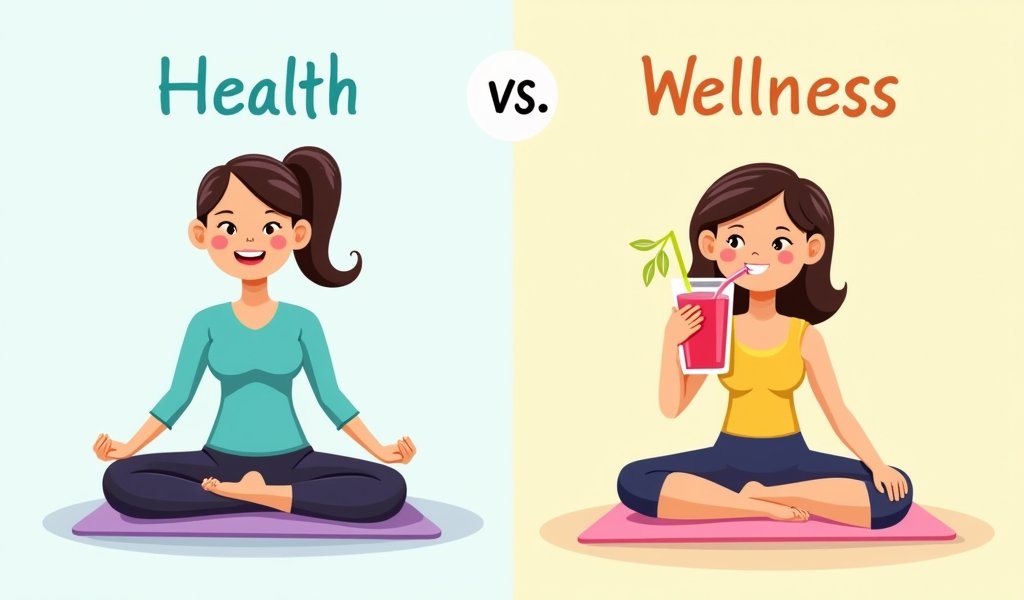
While most people mix them up like kale in a smoothie they don’t actually want to drink, health and wellness are distinctly different concepts—health refers to the measurable physical state of your body, while wellness encompasses a broader, more holistic approach including mental, emotional, spiritual, and social dimensions. The article explains how these concepts interact and provides practical tips for improving both simultaneously, emphasizing that true wellbeing requires attention to both the objective metrics of physical health and the subjective experience of thriving across all life dimensions.
Table of Contents
- Understanding Health and Wellness: The Fundamental Differences
- Health Defined: The Physical Foundation
- Wellness: The Holistic Approach to Living Well
- The Key Dimensions of Health and Wellness
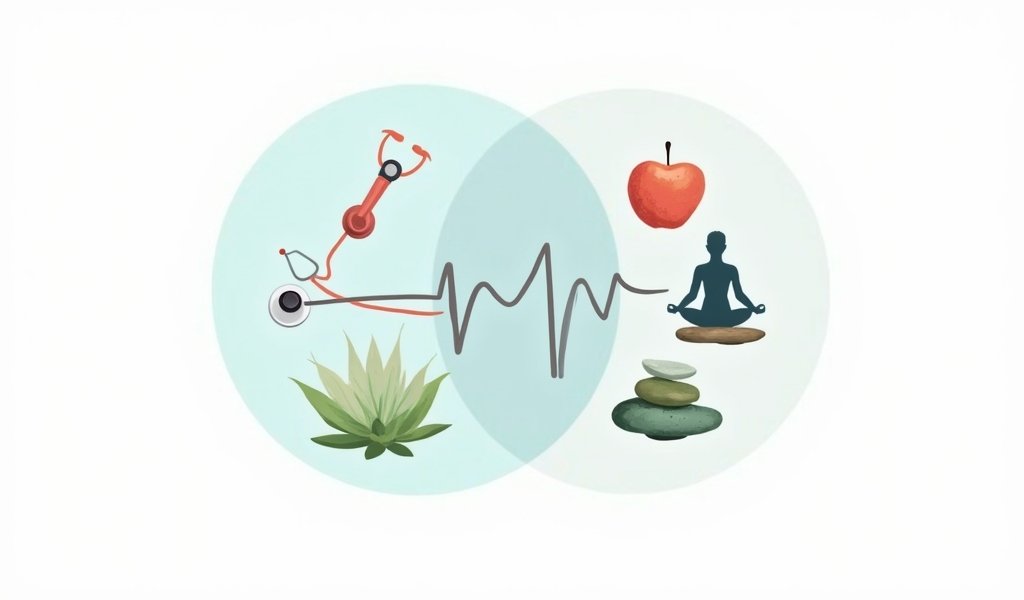
- The Interplay Between Health and Wellness
- 5 Practical Tips to Enhance Both Your Health and Wellness
- Conclusion
- Frequently Asked Questions
Understanding Health and Wellness: The Fundamental Differences
When discussing what is the difference between health and wellness, many people use these terms interchangeably, but they represent distinct yet complementary concepts in our overall well-being. As a health professional who has worked with hundreds of clients on their personal journeys, I’ve observed that understanding this distinction can transform how people approach their well-being goals.
Health typically refers to the physical state of your body—the absence of disease and proper functioning of bodily systems. It’s measurable through various medical assessments and tests. Wellness, on the other hand, encompasses a broader spectrum that includes your mental, emotional, spiritual, and social well-being alongside the physical aspects.
Think of health as the foundation and wellness as the complete structure built upon that foundation. You might be physically healthy according to medical standards but still struggle with aspects of wellness like work-life balance or emotional fulfillment. Conversely, someone might feel a strong sense of purpose and social connection (elements of wellness) while managing a chronic health condition.
Throughout this article, we’ll explore these concepts in depth and provide actionable ways to improve both your health and wellness for a more balanced life.
Health Defined: The Physical Foundation
Health, in its traditional sense, focuses primarily on the physical body and its biological functioning. The World Health Organization initially defined health as “a state of complete physical, mental and social well-being and not merely the absence of disease or infirmity,” though in practical application, health assessments often emphasize physiological markers.
When healthcare providers evaluate your health, they typically examine:
- Vital signs (blood pressure, heart rate, respiration)
- Laboratory values (cholesterol levels, blood glucose, etc.)
- Body composition and weight
- Organ function
- Presence or absence of disease
Health is largely objective and can be measured through scientific means. When you visit your doctor for an annual check-up, most of what they’re assessing relates to your health status. Your understanding of nutrition science plays a crucial role in maintaining good physical health, as proper nutrition directly impacts bodily functions.
According to a comprehensive study published in the National Library of Medicine, our health status is influenced by multiple factors, including genetics (20%), environmental factors (20%), healthcare access (10%), and personal behaviors and lifestyle choices (50%). This research underscores that while some health aspects are beyond our control, many are significantly influenced by our daily decisions.
Health can be seen as a state that fluctuates along a spectrum from optimal functioning to illness. It’s dynamic rather than static, changing throughout our lives based on numerous internal and external factors.

Wellness: The Holistic Approach to Living Well
Wellness extends far beyond the absence of illness to encompass how you thrive in all aspects of life. It’s a conscious, self-directed process of making choices toward a healthy and fulfilling life. While health might focus on what’s happening within your body, wellness considers how you interact with your environment and experience your life as a whole.
The National Wellness Institute describes wellness as “an active process through which people become aware of, and make choices toward, a more successful existence.” This definition highlights that wellness is not a passive state but an ongoing journey requiring awareness and intentional actions.
Wellness is inherently subjective—it’s about how you feel and experience life, not just objective measurements. Two people with identical health markers might experience vastly different levels of wellness based on their mental outlook, social connections, and sense of purpose.
Dr. Michael Arloski, a leading wellness coach, explains in his research on wellness models that “wellness represents a lifestyle approach to the highest states of health possible for an individual.” This perspective emphasizes that wellness is both aspirational and deeply personal.
The concept of fitness in its broader meaning aligns closely with wellness, as true fitness encompasses not just physical strength and endurance, but also mental resilience and overall vitality.
Unlike health, which can sometimes feel like something that happens to you (especially when illness strikes), wellness emphasizes your agency and ability to make choices that support a fulfilling life, regardless of your current health status.
The Key Dimensions of Health and Wellness
Understanding what is the difference between health and wellness becomes clearer when we examine the various dimensions that comprise each concept. While health primarily focuses on physical and sometimes mental aspects, wellness embraces a multidimensional approach to human existence.
Most wellness models identify six to eight dimensions, with variations depending on the framework. The most commonly recognized dimensions include:
- Physical wellness: This dimension overlaps significantly with health, covering exercise, nutrition, sleep, and avoiding harmful behaviors.
- Emotional wellness: The ability to understand and manage your feelings, cope with life’s challenges, and maintain a positive attitude.
- Intellectual wellness: Engaging in creative and mentally stimulating activities, expanding knowledge, and sharing skills with others.
- Social wellness: Developing and maintaining meaningful relationships, contributing to community, and creating a support network.
- Spiritual wellness: Finding purpose and meaning in life, developing a set of values, and experiencing peace and harmony with oneself and others.
- Occupational wellness: Deriving satisfaction and enrichment from one’s work while maintaining balance between work and leisure.
- Environmental wellness: Understanding how your environment affects wellbeing and taking action to protect the world around you.
Dr. Bill Hettler, co-founder of the National Wellness Institute, developed the Six Dimensions of Wellness model which has become foundational in wellness education. His model emphasizes that these dimensions are interconnected—improvement in one area positively affects the others.
Health assessments typically focus on biomarkers like blood pressure, cholesterol levels, and body mass index. Wellness assessments, by contrast, might include questions about your satisfaction with relationships, sense of purpose, stress management techniques, and work-life balance.
Integrating nutritious whole foods into your diet supports both health (through providing essential nutrients) and wellness (by fostering a positive relationship with food and boosting energy for other life dimensions).
When all dimensions of wellness are balanced, you’re more likely to feel fulfilled and resilient in the face of challenges. This holistic approach recognizes that true wellbeing extends far beyond just physical health metrics.
The Interplay Between Health and Wellness
While we’ve established what is the difference between health and wellness, it’s equally important to understand how these concepts interact and influence each other. They’re not separate silos but rather interconnected aspects of your overall wellbeing that continuously affect one another.
Your physical health creates the foundation upon which wellness can flourish. It’s difficult (though not impossible) to experience high levels of wellness when dealing with significant health challenges. For instance, chronic pain can impact your emotional wellness, while persistent fatigue might limit your social connections or occupational performance.
Conversely, your wellness practices profoundly influence your health outcomes. Strong social connections have been linked to lower rates of heart disease and longer lifespans, according to research published in the Harvard Health Blog. Similarly, stress management techniques like meditation can lower blood pressure and improve immune function.
Consider this practical example: A person who develops a sense of purpose (spiritual wellness) might be more motivated to exercise regularly (physical health), which in turn reduces their risk of chronic disease. Their improved physical health may then enable them to engage more fully in social activities (social wellness), creating a positive feedback loop between health and various wellness dimensions.
This interplay explains why integrative medicine and holistic health approaches have gained significant traction in recent years. These approaches recognize that treating only physical symptoms without addressing the broader aspects of a person’s life often results in incomplete healing or temporary improvements.
As you work to improve your wellbeing, remember that progress in one area often catalyzes improvements in others. Small steps toward better physical health can boost your emotional wellness, while finding greater meaning and purpose can motivate healthier physical choices.
5 Practical Tips to Enhance Both Your Health and Wellness
Now that we understand what is the difference between health and wellness and how they interact, let’s explore actionable strategies to improve both areas simultaneously. These tips are designed to create positive ripple effects across multiple dimensions of your wellbeing.
- Practice mindful movement
Rather than exercising solely for physical benefits like weight management or muscle tone, choose activities you genuinely enjoy. Pay attention to how different movements make your body feel. This approach improves physical health markers while enhancing emotional wellness through the joy of movement and body awareness. Try incorporating activities like nature walks, dance classes, or recreational sports that combine social connection with physical activity.
- Cultivate meaningful connections
Prioritize quality relationships over quantity. Research consistently shows that strong social bonds improve health outcomes, including cardiovascular function and immune response. Schedule regular time with loved ones, join community groups aligned with your interests, or volunteer for causes you care about. These activities strengthen your social wellness while providing measurable health benefits like reduced inflammation and lower stress hormones.
- Develop a personalized nutrition philosophy
Instead of following rigid diets, create sustainable eating patterns that nourish both your body and soul. Focus on nutrient-dense whole foods that support physical health while maintaining flexibility for social occasions and foods that bring you pleasure. This balanced approach supports digestive health and optimal nutrient absorption (physical health) while fostering a healthy relationship with food (emotional wellness). Remember that cultural foods and shared meals also contribute to your social and spiritual wellness.
- Establish restorative sleep rituals
Quality sleep is foundational to both health and wellness, affecting everything from immune function to emotional regulation. Create a calming bedtime routine that signals to your body it’s time to wind down. This might include dimming lights, disconnecting from screens, gentle stretching, or reading. Aim for consistency in sleep and wake times, even on weekends. Prioritizing sleep improves cognitive function, mood stability, and physical recovery while reducing risk factors for numerous chronic conditions.
- Practice regular reflection and intention-setting
Take time daily or weekly to check in with yourself across all wellness dimensions. Ask questions like: How does my body feel? What emotions am I experiencing? Am I intellectually stimulated? Do my actions align with my values? This practice enhances self-awareness and helps you make conscious choices that support both health and wellness. Consider journaling, meditation, or speaking with a trusted friend or therapist as methods for this reflection work.
Implementing even one of these strategies can create positive momentum. The key is consistency rather than perfection. Small, sustainable changes often lead to more significant long-term improvements than dramatic overhauls that prove difficult to maintain.
Remember that your journey toward optimal health and wellness is personal. What works beautifully for someone else might not fit your unique circumstances, preferences, or needs. Be willing to experiment, adapt, and create an approach that feels authentic and sustainable for you.
Conclusion
Understanding what is the difference between health and wellness offers us a more comprehensive framework for approaching our overall wellbeing. Health provides the physical foundation—the objective, measurable aspects of our bodily functioning that enable us to move through the world. Wellness expands this view to include how we experience and engage with life across multiple dimensions, creating a rich, purposeful existence beyond mere absence of illness.
Rather than viewing these as separate pursuits, recognize that they form an integrated system where improvements in one area naturally enhance others. Your physical health supports your capacity for wellness activities, while your wellness practices—from nurturing relationships to finding purpose—create motivation and resilience that protect your health.
The most effective approach combines attention to health metrics (regular check-ups, proper nutrition, adequate exercise) with conscious cultivation of wellness dimensions (emotional regulation, meaningful connections, intellectual stimulation, and spiritual growth). This balanced strategy creates upward spirals of wellbeing that make the journey not just healthier but also more fulfilling and joyful.
As you move forward, remember that perfect balance across all dimensions is rarely possible at every moment. Life naturally creates fluctuations that require adaptability. The goal isn’t perfection but progress—continuing to make choices that honor both your physical needs and your deeper human experience.
By embracing both health and wellness as essential, interconnected aspects of your life, you create the conditions for truly thriving in a way that feels authentic, sustainable, and deeply satisfying.
Frequently Asked Questions
Is it possible to have good wellness without good health?
Yes, many people with chronic health conditions maintain excellent wellness by focusing on aspects they can control like relationships, purpose, and emotional wellbeing. Wellness is more about how you respond to your circumstances than the circumstances themselves.
How often should I assess my health versus my wellness?
Health metrics typically follow recommended schedules (annual physicals, bi-annual dental visits, etc.). Wellness can benefit from more frequent check-ins—perhaps weekly reflections on different dimensions to catch imbalances early.
Can improving wellness dimensions help manage chronic health conditions?
Absolutely. Research shows that strong social connections, stress management, and finding meaning can all positively impact chronic condition management and outcomes. These wellness practices often complement medical treatments effectively.
Which is more important to focus on first—health or wellness?
Neither is inherently more important, but addressing immediate health concerns that impact daily functioning often creates capacity to work on wellness dimensions. Ideally, you’ll attend to both simultaneously in an integrated approach.
How do cultural differences impact definitions of health and wellness?
Cultural backgrounds significantly influence what constitutes wellness, particularly in spiritual and social dimensions. Different cultures may emphasize community connection, harmony with nature, or specific spiritual practices as central to wellness while having similar views on physical health markers.