

Overview
These little ocean discs aren’t just fancy restaurant fare—they’re secretly gym buddies in disguise! Scallops are a fitness superfood packed with high-quality protein (17g per 3oz serving), essential nutrients like B12 and selenium, and offer impressive muscle-building benefits while containing just 90 calories per serving, making them an ideal addition to any fitness-focused diet.
Scallops have long been cherished as a culinary delicacy, but their nutritional profile makes them equally impressive in the fitness world. As both a seafood lover and nutrition specialist, I’ve seen how these tender mollusks can transform a healthy eating plan. They’re packed with high-quality protein, essential minerals, and offer impressive nutritional benefits while remaining remarkably low in calories.
Table of Contents
- What Are Scallops?
- Scallops Nutrition Profile: A Comprehensive Breakdown
- Protein Power: How Scallops Support Muscle Growth
- Essential Micronutrients in Scallops
- 5 Proven Fitness Benefits of Including Scallops in Your Diet
- Best Preparation Methods for Maximum Nutritional Value
- Incorporating Scallops into Your Weekly Meal Planning
- Conclusion
- Frequently Asked Questions
What Are Scallops?
Scallops are bivalve mollusks recognized by their fan-shaped shells and sweet, delicate flesh that has been enjoyed for centuries across numerous culinary traditions. What most people consume is actually the adductor muscle, which is the part that allows the scallop to open and close its shell in its natural habitat. They’re typically classified as either bay scallops (smaller and sweeter) or sea scallops (larger with a slightly chewier texture), each offering slightly different culinary experiences but similar nutritional benefits.
These oceanic delicacies are harvested from cold, clean waters around the world, with major fishing regions including the Atlantic Ocean, Pacific Ocean, and various coastal areas. Their popularity has grown considerably in recent years as more people discover not only their delicious taste but also their impressive key nutrients and health benefits. For fitness enthusiasts and health-conscious individuals, scallops represent an excellent addition to a balanced diet.
Scallops Nutrition Profile: A Comprehensive Breakdown
The scallops nutrition profile is truly impressive, offering substantial benefits in a relatively small package. A standard 3-ounce (85g) serving of scallops contains approximately 90 calories, making them one of the leanest protein sources available. This same serving provides about 17 grams of high-quality protein, less than 1 gram of fat, and virtually no carbohydrates, creating an ideal macronutrient profile for those focused on lean muscle development or weight management.
Beyond the macronutrients, scallops are rich in essential vitamins and minerals that support overall health. They contain significant amounts of vitamin B12 (important for nerve function and blood cell production), selenium (a powerful antioxidant), phosphorus (crucial for bone health), and zinc (supports immune function). According to research published in the Journal of Nutrients, seafood like scallops provides these nutrients in highly bioavailable forms that the body can efficiently utilize.
What makes scallops particularly valuable from a scallops nutrition perspective is their impressive profile of omega-3 fatty acids, though in lower amounts than fattier fish. These essential fats have been extensively studied for their anti-inflammatory properties and cardiovascular benefits. While they don’t contain as much omega-3 as salmon or mackerel, they still contribute to your overall intake of these beneficial compounds while keeping fat content extremely low.

Protein Power: How Scallops Support Muscle Growth
The protein content in scallops makes them a standout choice for anyone focused on muscle development and recovery. At approximately 17 grams per 3-ounce serving, scallops deliver a substantial protein punch while keeping calories remarkably low. This high protein-to-calorie ratio is ideal for those looking to maximize muscle protein synthesis without consuming excess calories.
What truly sets scallop protein apart is its complete amino acid profile, containing all nine essential amino acids the body cannot produce on its own. This includes significant amounts of leucine, which nutrition scientists have identified as a critical trigger for muscle protein synthesis. The biological value of scallop protein is exceptional, meaning your body can efficiently utilize a high percentage of the protein consumed for tissue growth and repair.
For athletes and fitness enthusiasts engaged in regular strength training, the rapid digestibility of scallop protein offers additional benefits. Unlike some other protein sources that may cause digestive discomfort, scallops are typically well-tolerated and quickly absorbed, making them an excellent option for post-workout recovery meals when your body is primed to utilize protein for muscle repair. Including scallops in your nutrition science-backed diet plan can significantly enhance your training results.
Essential Micronutrients in Scallops
While protein often steals the spotlight in fitness nutrition, the micronutrient content of scallops deserves equal attention. Scallops are particularly rich in vitamin B12, with a single serving providing over 100% of your daily requirement. This essential vitamin plays a crucial role in energy metabolism, helping your body convert the food you eat into usable fuel for workouts and recovery.
The mineral content of scallops further enhances their value in a fitness-focused diet. They contain substantial amounts of selenium, an antioxidant mineral that helps protect cells from oxidative damage caused by intense exercise. A standard serving provides approximately 35-40% of your daily selenium needs, supporting both immune function and recovery processes.
Other notable micronutrients in scallops include phosphorus for bone health, zinc for immune function and hormone production, and magnesium for muscle function and energy production. According to Harvard Health, these micronutrients have a “major impact on health” despite being required in relatively small amounts. The combination of these minerals supports overall wellness and enhances athletic performance, making scallops a truly functional food for fitness enthusiasts.
5 Proven Fitness Benefits of Including Scallops in Your Diet
The scallops nutrition profile translates directly into measurable fitness benefits that can enhance your training results and overall physical performance. Here are five evidence-backed ways scallops can support your fitness journey:
- Enhanced Muscle Recovery: The complete protein profile in scallops provides the building blocks needed for muscle repair after intense workouts. Their rapid digestibility means these nutrients reach damaged muscle tissues quickly, potentially reducing recovery time.
- Improved Energy Production: The B-vitamins and iron content in scallops support efficient energy metabolism, potentially improving endurance and reducing fatigue during prolonged exercise sessions.
- Better Body Composition: With their high protein content and minimal fat and carbohydrates, scallops support lean muscle maintenance while promoting fat loss when incorporated into a calorie-controlled diet.
- Enhanced Thyroid Function: The selenium and iodine content in scallops supports healthy thyroid function, which regulates metabolism and energy production – crucial factors for both performance and body composition.
- Reduced Inflammation: The omega-3 fatty acids in scallops, though present in moderate amounts, contribute to reduced inflammation throughout the body, potentially improving joint health and accelerating recovery from training-induced inflammation.
These benefits make scallops an excellent choice for athletes across various disciplines, from strength training to endurance sports. Research published in the Critical Reviews in Food Science and Nutrition journal confirms that seafood protein sources like scallops offer unique advantages for athletic performance due to their nutrient density and bioavailability.
Best Preparation Methods for Maximum Nutritional Value
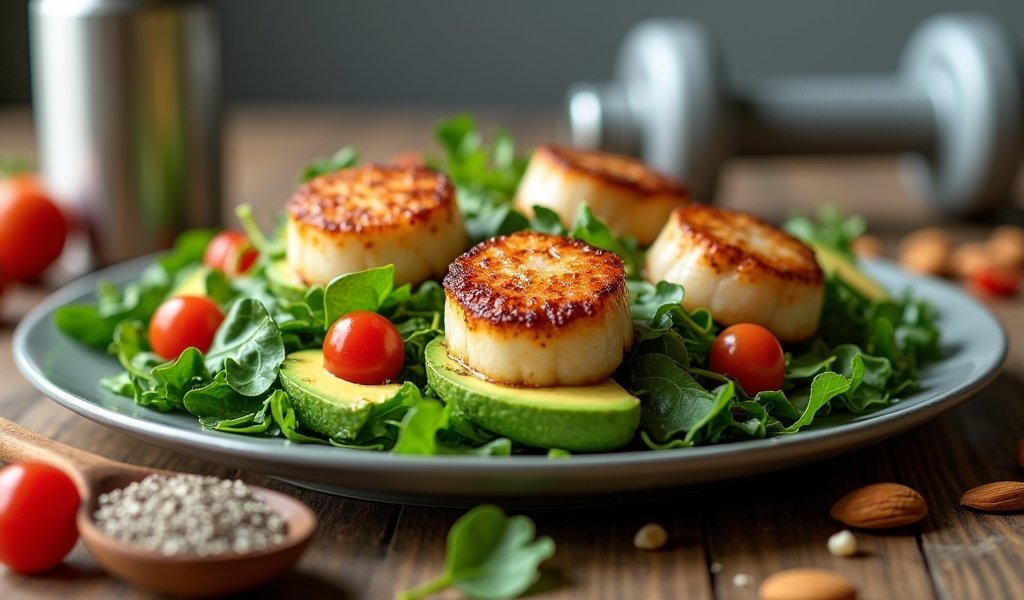
The way you prepare scallops can significantly impact their nutritional value and fitness benefits. To maximize the scallops nutrition profile, gentle cooking methods that preserve protein quality and retain natural nutrients are ideal. Quick searing is perhaps the most nutritionally sound cooking method, as it minimizes nutrient loss while creating a delicious caramelized exterior without adding excessive fat.
When preparing scallops, minimize added fats and opt for heart-healthy options like olive oil or avocado oil when necessary. A simple preparation might involve patting the scallops dry, seasoning lightly with sea salt and pepper, and searing for approximately 2 minutes per side in a hot pan with just a teaspoon of oil. This method preserves the delicate flavor while maintaining the excellent nutritional profile that makes scallops valuable for fitness enthusiasts.
Methods to avoid include deep frying or heavy breading, which can add unnecessary calories and potentially inflammatory ingredients that counteract the natural health benefits of scallops. Similarly, rich cream sauces or butter-heavy preparations, while delicious, significantly alter the macronutrient profile. For those focused on fitness goals, simple preparations with herbs, citrus, and minimal added fats will yield the most nutritional benefit while still delivering exceptional flavor.
Incorporating Scallops into Your Weekly Meal Planning
Successfully integrating scallops into your nutrition plan requires some thoughtful meal planning, particularly given their delicate nature and optimal freshness window. For maximum convenience and nutrition, consider dedicating one or two meals per week to featuring this nutritional powerhouse. Many fitness professionals find that scallops work exceptionally well as a post-workout protein option due to their rapid digestibility and complete amino acid profile.
A practical approach is to purchase fresh scallops on the day you plan to cook them, or opt for flash-frozen options which preserve much of the nutritional value and offer greater flexibility. Simple meal combinations that complement the scallops nutrition profile include pairing them with complex carbohydrates like quinoa or sweet potatoes and nutrient-dense vegetables such as roasted asparagus or a fresh spinach salad. This creates a balanced meal that supports recovery and provides sustained energy.
For meal prep enthusiasts, scallops can be slightly challenging as they’re best when freshly cooked, but with proper handling, they can work in prepared meals for 1-2 days. One strategy is to prepare your accompanying sides in advance, then quickly cook the scallops just before consuming your meal. This approach, highlighted in recent nutrition news about optimal protein consumption timing, ensures you get the maximum nutritional benefit while still enjoying the convenience of planned meals.
Conclusion
The impressive scallops nutrition profile makes these delicate shellfish a standout choice for fitness enthusiasts and health-conscious individuals alike. With their exceptional protein quality, rich micronutrient content, and minimal calories and fat, scallops offer remarkable nutritional value that directly translates to improved fitness outcomes. Whether you’re focused on building lean muscle, enhancing recovery, or optimizing body composition, scallops deserve a place in your nutritional strategy.
By understanding how to properly select, prepare, and incorporate scallops into your meal planning, you can harness their full potential as a functional food for fitness. The combination of complete protein, essential vitamins and minerals, and beneficial omega-3 fatty acids creates a nutritional package that supports your most ambitious health and performance goals. As with any nutritional strategy, consistency is key – making scallops a regular part of your diet will yield the most significant benefits over time.
Next time you’re at the seafood counter, consider the powerful nutritional punch these unassuming shellfish pack. Your muscles, metabolism, and overall health will thank you for making scallops a regular feature in your fitness-focused nutrition plan. With their versatility in the kitchen and exceptional nutrient density, scallops represent one of the best investments you can make in your nutritional approach to peak fitness.
Frequently Asked Questions
Are scallops high in cholesterol?
Scallops contain moderate amounts of cholesterol (about 35mg per 3-ounce serving), but they’re extremely low in saturated fat. Research shows dietary cholesterol has minimal impact on blood cholesterol levels for most people when consumed in the context of a healthy diet.
How often can I eat scallops for fitness benefits?
You can safely consume scallops 2-3 times per week to reap their fitness benefits. This frequency provides substantial protein and micronutrient support while allowing for dietary variety.
Are frozen scallops as nutritious as fresh ones?
Flash-frozen scallops retain most of their nutritional value and are often a better choice than “fresh” scallops that have been sitting for days. High-quality frozen scallops are frozen shortly after harvesting, locking in nutrients.
Can scallops help with weight loss?
Scallops are excellent for weight management due to their high protein content and low calorie count. They promote satiety while providing essential nutrients, making them ideal for calorie-controlled diets.
Are there any concerns about mercury in scallops?
Scallops are considered a low-mercury seafood option according to FDA and EPA guidelines. They contain significantly less mercury than larger predatory fish, making them safe for regular consumption.