

Overview
This article provides a detailed guide to soft diet foods for people recovering from surgeries, dental procedures, or illnesses, highlighting ten nutritious options including Greek yogurt, avocados, bone broth, smoothies, oatmeal, sweet potatoes, scrambled eggs, hummus, salmon, and cottage cheese. It offers practical meal planning tips, foods to avoid, strategies for transitioning back to regular foods, and emphasizes that a soft diet can be both nutritionally complete and satisfying while supporting the healing process.
Table of Contents
- Soft Diet Foods for Recovery: Gentle Nutrition When You Need It Most
- What Is a Soft Diet? Understanding the Basics
- The Benefits of Soft Foods During Recovery
- Top 10 Soft Diet Foods for Optimal Recovery and Nutrition
- Meal Planning Tips for a Soft Food Diet
- Foods to Avoid on a Soft Diet
- Transitioning Back to Regular Foods
- Conclusion
- Frequently Asked Questions
Soft Diet Foods for Recovery: Gentle Nutrition When You Need It Most
Have you ever had dental surgery, a wisdom tooth extraction, or been sick with a sore throat that made eating feel like an Olympic sport? I’ve been there, and let me tell you – finding foods that don’t feel like sandpaper against tender tissues becomes a full-time job!
At Achieve Health Goals, we understand that healing requires proper nutrition, even when chewing and swallowing feel like monumental tasks. But here’s the good news: you don’t have to sacrifice nutrition just because you need softer options.
Whether you’re recovering from surgery, dealing with dental issues, or supporting a loved one through illness, navigating a soft diet can feel overwhelming. What can you actually eat? How do you ensure you’re getting enough nutrients? And most importantly – how do you make it taste good?
That’s exactly what we’ll explore today. I’ll share the 10 essential soft diet foods that can help speed your recovery while keeping your taste buds (somewhat) happy. After all, healing is challenging enough without having to endure bland, boring meals!
What Is a Soft Diet? Understanding the Basics
A soft diet is exactly what it sounds like – foods that are easy to chew and swallow without causing discomfort. But it’s not just about throwing everything in a blender and hoping for the best (though sometimes that’s part of it!).
Think of a soft diet as a middle ground between liquids and your regular eating pattern. It’s designed to minimize chewing while still providing essential nutrients your body needs for healing.
Who typically needs a soft diet? You might be prescribed one if you’re:
- Recovering from dental procedures or oral surgery
- Healing from gastrointestinal surgery
- Experiencing difficulty swallowing (dysphagia)
- Managing conditions like diverticulitis during flare-ups
- Undergoing certain cancer treatments
- Recovering from general illness with a sore throat
Medical professionals typically recommend soft foods that are easily broken down with minimal chewing. These foods should be moist, tender, and not too spicy or acidic – gentle on both your mouth and digestive system.
But here’s the crucial part many miss: a soft diet doesn’t mean nutritionally incomplete. In fact, research shows that proper nutrition significantly impacts recovery times. The challenge is finding that perfect balance between soft texture and nutritional value.
Are you currently facing this challenge? You’re not alone – and with some creative approaches, you can make soft eating both healing and satisfying.
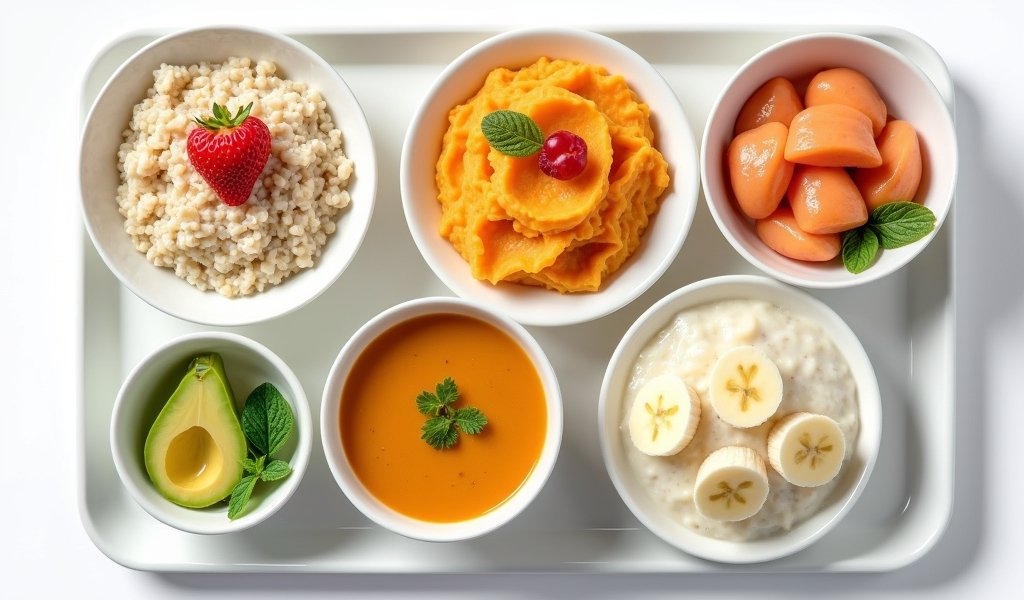
The Benefits of Soft Foods During Recovery
When you’re not feeling your best, the right foods can make all the difference. Soft diet foods offer several advantages that directly support your healing process:
First and foremost, they minimize pain and discomfort. When every chew feels like torture, soft foods give your mouth, throat, or digestive system the gentle treatment it needs. Think of it as giving your body a little vacation from the hard work of processing tougher foods.
Soft foods also typically require less energy to digest. When your body is busy healing, that’s energy you can redirect toward recovery instead of difficult digestion. It’s like freeing up bandwidth when you need it most!
Perhaps most importantly, the right soft foods ensure continuous nutrition during recovery. Your body needs protein, vitamins, and minerals to rebuild tissues and fight infection – elements that become even more crucial when you’re healing.
Many patients report reduced nausea and improved appetite with properly prepared soft foods. Have you ever noticed how a warm, smooth soup can seem appetizing even when nothing else does? That’s not coincidental!
But the benefits go beyond the physical. There’s something emotionally comforting about foods like mashed potatoes or warm oatmeal – they connect us to feelings of being cared for. This psychological aspect shouldn’t be underestimated in the healing process.
Ready to discover which soft foods pack the biggest nutritional punch for your recovery journey? Let’s dive into our top 10 recommendations.
Top 10 Soft Diet Foods for Optimal Recovery and Nutrition
These powerhouse soft foods will nourish your body without taxing your system. Each offers unique benefits while remaining gentle on tender tissues:
1. Greek Yogurt
Greek yogurt is practically a superfood for recovery. With nearly double the protein of regular yogurt and a smooth, creamy texture, it helps rebuild tissues while being incredibly gentle to consume.
The probiotics in Greek yogurt support gut health, which is particularly beneficial if you’ve been taking antibiotics as part of your treatment. Try it plain with a drizzle of honey or blended into a smoothie for extra nutrition.
Pro tip: Choose full-fat varieties for extra calories during recovery, especially if weight maintenance is a concern. The healthy fats will help you feel satisfied longer.
2. Avocados
Avocados are nutrition powerhouses in a perfectly soft package. Rich in heart-healthy monounsaturated fats, fiber, and potassium, they provide sustained energy for healing.
Their buttery texture requires zero chewing, making them perfect for even the most restrictive soft diets. Mash some avocado with a fork, add a pinch of salt, and you have an instant nutrient-dense meal component.
Have you tried adding avocado to your smoothies? It creates a creamy texture while adding nutrients that support tissue repair – perfect for recovery meals!
3. Bone Broth
Not just another health trend, bone broth delivers easily digestible protein in a warm, soothing form. The amino acids glycine and proline help repair body tissues and support immune function.
The collagen in bone broth may specifically benefit surgical recovery by supporting connective tissue repair. Sip it warm from a mug or use it as a base for other soft foods like well-cooked grains.
For maximum nutrition, choose broths that have been simmered for 12+ hours or make your own at home when you’re feeling up to it.
4. Smoothies
Smoothies are the Swiss Army knife of soft diets – infinitely customizable while requiring zero chewing. They’re perfect for packing in nutrients when solid foods seem impossible.
For a recovery-focused smoothie, include protein (Greek yogurt, silken tofu, or a high-quality protein powder), healthy fats (avocado or nut butter), and fruits for vitamins and minerals.
Looking for Mediterranean diet breakfast ideas? A smoothie with Greek yogurt, figs, and a touch of honey makes a perfect soft option with Mediterranean flair.
5. Oatmeal
This breakfast staple becomes a recovery hero when properly prepared. Cook steel-cut or rolled oats until very soft, adding extra liquid for an even gentler consistency.
Oatmeal provides complex carbohydrates for sustained energy and soluble fiber that supports digestive health without irritation. The beta-glucans in oats may even support immune function during recovery.
Make it more nutritionally complete by cooking it in milk instead of water, and adding ground flaxseed or chia seed gel for omega-3 fatty acids.
6. Mashed Sweet Potatoes
Sweet potatoes offer the perfect combination of soft texture and exceptional nutrition. They’re rich in beta-carotene (vitamin A), which supports immune function and tissue repair – exactly what your body needs during recovery.
Their natural sweetness makes them appealing even when appetite is diminished. Steam until very tender, then mash with a little olive oil and a pinch of cinnamon for a comfort food that doubles as medicine.
Did you know sweet potatoes contain vitamin C that helps with collagen formation? This makes them particularly valuable after surgical procedures.
7. Scrambled Eggs
Eggs provide one of the highest-quality proteins available, containing all essential amino acids needed for tissue repair. When scrambled with extra moisture, they require minimal chewing while maximizing nutrition.
Add a little cheese for calcium and extra protein, or incorporate soft-cooked vegetables like spinach for additional vitamins. Cook them “low and slow” with plenty of butter or olive oil for the softest texture.
For easier digestion, some people find that just the egg whites are gentler during the earliest recovery stages.
8. Hummus
This Middle Eastern staple combines protein-rich chickpeas with heart-healthy olive oil. The smooth texture makes it ideal for soft diets, while tahini adds calcium and healthy fats.
Hummus pairs beautifully with other soft foods – try it with well-cooked, mashed vegetables or as a protein boost in mashed potatoes. The garlic commonly found in hummus even offers antimicrobial properties that may support healing.
Store-bought varieties work well, but homemade versions let you control the texture and avoid preservatives. Try exploring Mediterranean recipes for authentic variations that support healing.
9. Salmon
Poached or steamed salmon flakes easily with a fork, making it one of the softer protein options available. It’s rich in omega-3 fatty acids that help reduce inflammation – a key factor in efficient healing.
The high-quality protein in salmon provides essential amino acids for tissue repair. Try it with a light lemon-dill sauce (if acids are tolerated) or with a dollop of Greek yogurt mixed with herbs.
Can’t manage fish yet? Consider a high-quality fish oil supplement to get those crucial omega-3s while on a restricted diet.
10. Cottage Cheese
This unassuming dairy product deserves a spot on your recovery menu. It’s exceptionally high in protein while offering a soft, easy-to-eat texture that requires no chewing.
The casein protein in cottage cheese provides a slow-release form of amino acids, offering sustained nutrition for healing. For added nutrition and natural sweetness, top with soft fruits like ripe banana or applesauce.
Choose small curd varieties for the gentlest texture, and consider blending it smooth for even easier consumption during early recovery stages.

Meal Planning Tips for a Soft Food Diet
Creating satisfying meals when you’re limited to soft foods can feel challenging. Here are some practical strategies to make your soft diet journey more manageable:
First, think in terms of nutrition clusters rather than traditional meals. Each eating occasion should ideally include protein, healthy fats, and some form of carbohydrate – even if the combination seems unconventional.
Batch cooking becomes your best friend during recovery. When you have the energy, prepare larger portions of basics like bone broth, mashed sweet potatoes, or oatmeal that can be reheated and combined in different ways throughout the week.
Invest in good food storage containers that can go from freezer to microwave. When you make that perfect soft meal that works for you, make extra and freeze individual portions for low-energy days.
Don’t underestimate the power of herbs and spices! Just because food is soft doesn’t mean it must be bland. Research from Harvard confirms many herbs have healing properties alongside their flavor benefits.
Consider temperature variations to keep things interesting. Warm oatmeal for breakfast, chilled smoothie for lunch, and room-temperature hummus as a snack provides textural diversity even within soft diet constraints.
Are you finding it difficult to get enough calories? Try adding healthy fat sources like olive oil, avocado, or nut butters to your soft foods – they boost energy content without increasing volume.
Foods to Avoid on a Soft Diet
While focusing on what you can eat is important, knowing what to avoid helps prevent setbacks in your recovery. Here are foods that typically don’t belong in a soft diet plan:
- Tough meats or proteins that require significant chewing
- Raw vegetables and hard fruits
- Nuts, seeds, and granola (unless finely ground or soaked)
- Crusty breads, crackers, or anything with a hard exterior
- Spicy foods that may irritate sensitive tissues
- Highly acidic foods like citrus or tomatoes (unless well-tolerated)
- Sticky foods that might adhere to dental work
- Alcohol and carbonated beverages
Remember that individual tolerances vary based on your specific condition and recovery stage. Something that irritates one person might be perfectly fine for another.
When in doubt about a particular food, try the fork test: if you can easily mash it with the back of a fork using light pressure, it’s likely soft enough. If not, save it for later in your recovery journey.
Always follow your healthcare provider’s specific guidelines, as they may have additional restrictions based on your particular condition or procedure.
Transitioning Back to Regular Foods
Recovery isn’t forever, and eventually you’ll be ready to reintroduce regular foods. This transition should be gradual and mindful to prevent discomfort or complications.
Start by incorporating “soft-plus” foods – items that are primarily soft but have a slightly firmer texture. Well-cooked pasta, tender fish fillets, or soft bread without crusts make good first additions.
Pay attention to your body’s signals. If you experience pain, difficulty swallowing, or digestive distress after trying a new food, return to softer options for another day or two before trying again.
Add just one new food or texture at a time, giving your body 24-48 hours to adjust before introducing something else. This methodical approach helps identify any specific items that might cause problems.
Remember that your jaw muscles may have weakened during your soft diet period, especially if it lasted for weeks. Don’t be surprised if chewing feels tiring at first – this is normal and will improve with practice.
If you’ve been on a soft diet following dental work, consult your dentist before advancing to harder foods. They can provide specific guidance based on your healing progress.
Conclusion
Navigating a soft diet doesn’t have to mean sacrificing nutrition or enjoyment. With the right approach, these temporary dietary modifications can actually enhance your recovery while keeping you nourished and satisfied.
The 10 essential soft diet foods we’ve explored – Greek yogurt, avocados, bone broth, smoothies, oatmeal, sweet potatoes, scrambled eggs, hummus, salmon, and cottage cheese – provide a foundation for healing that’s both gentle on your system and rich in the nutrients your body needs.
Remember that recovery is temporary, but the self-care habits you develop during this time can serve you well beyond healing. Learning to listen to your body’s needs and respond with appropriate nutrition is a skill that benefits long-term health.
Ready to put this information into action? Start by incorporating 2-3 of these soft foods into your daily routine, focusing on variety and nutrient density. If you need personalized guidance, consider consulting with a registered dietitian who specializes in therapeutic diets.
Have questions about adapting these recommendations to your specific situation? Reach out to us at Achieve Health Goals – we’re here to support your journey back to full health, one gentle bite at a time.
Frequently Asked Questions
How long should I follow a soft diet after surgery?
Follow your doctor’s specific recommendations, typically ranging from a few days to several weeks. The duration depends on your procedure type and individual healing progress.
Can I get enough protein on a soft diet?
Absolutely! Focus on Greek yogurt, eggs, silken tofu, fish, cottage cheese, and protein smoothies. These soft options provide high-quality protein without requiring extensive chewing.
What can I do if I’m losing weight on a soft diet?
Increase caloric density by adding healthy fats like olive oil, avocado, and nut butters to soft foods. Consider more frequent, smaller meals and nutrient-dense smoothies between main meals.
Are there vegetarian options for a soft diet?
Yes! Vegetarian soft foods include Greek yogurt, cottage cheese, soft tofu, hummus, well-cooked legumes, and smoothies with plant protein. These provide complete nutrition without meat.
How can I make soft foods taste better?
Use herbs, mild spices, broths, and natural flavor enhancers like mild cheese or butter. Varying temperatures and incorporating different (soft) textures can also enhance the eating experience.
Pingback: Can a Tooth Infection Make You Sick? 5 Proven Risks + Cures - achievehealthgoals.com
Pingback: 5 Easy Ways: Worst Day of Pain After Wisdom Tooth Extraction - achievehealthgoals.com