
Overview
Bok choy is a nutrient-dense cruciferous vegetable that offers seven significant health benefits, including immune support, improved bone density, heart health, enhanced vision, anti-inflammatory effects, better skin health, and weight management assistance. With just 9 calories per cup but packed with vitamins A, C, K, calcium, and antioxidants, this versatile vegetable can be enjoyed in various dishes from stir-fries to salads, though those with thyroid conditions should consume it cooked rather than raw.
Table of Contents
- What is Bok Choy?
- Nutritional Profile of Bok Choy
- 7 Proven Health Benefits of Bok Choy
- Boosts Immune System
- Promotes Bone Health
- Supports Heart Health
- Enhances Eye Health
- Provides Anti-Inflammatory Benefits
- Improves Skin Health
- Aids in Weight Management
- How to Include Bok Choy in Your Diet
- Potential Side Effects
- Conclusion
- Frequently Asked Questions
What is Bok Choy?
When I first encountered bok choy at my local farmers’ market, I was admittedly a bit intimidated by its unique appearance. This crisp, leafy vegetable with its white stalks and dark green leaves seemed foreign compared to the lettuce and spinach I typically tossed in my salads. But after incorporating this nutritional powerhouse into my diet, I’ve become something of an evangelist for bok choy nutrition.
Bok choy (Brassica rapa subsp. chinensis) is a type of Chinese cabbage that belongs to the cruciferous vegetable family, alongside broccoli, kale, and Brussels sprouts. Often called pak choi or pok choi, this versatile veggie has been a staple in Asian cuisine for centuries and is now gaining well-deserved recognition in Western diets.
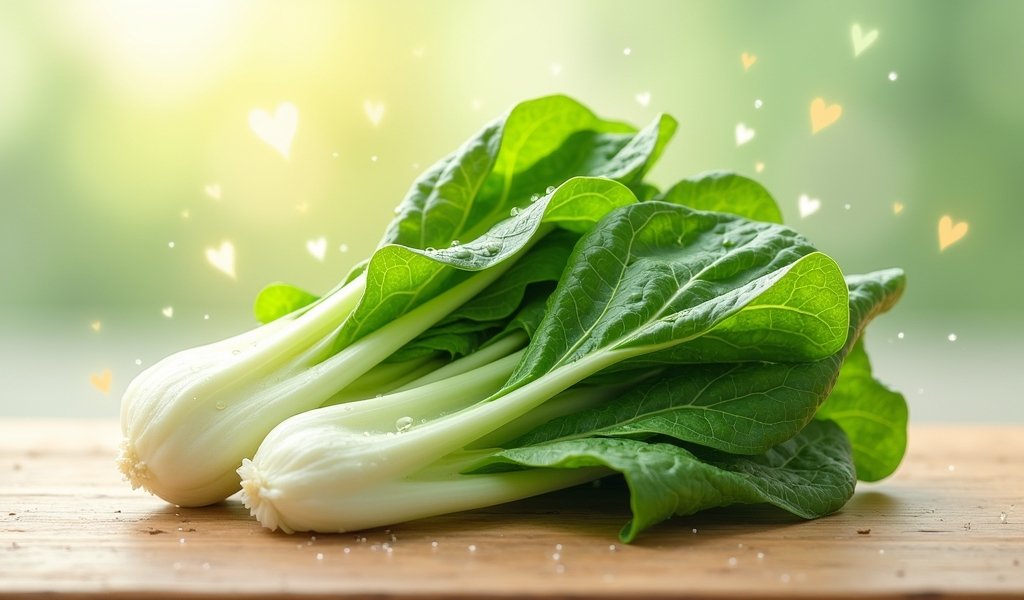
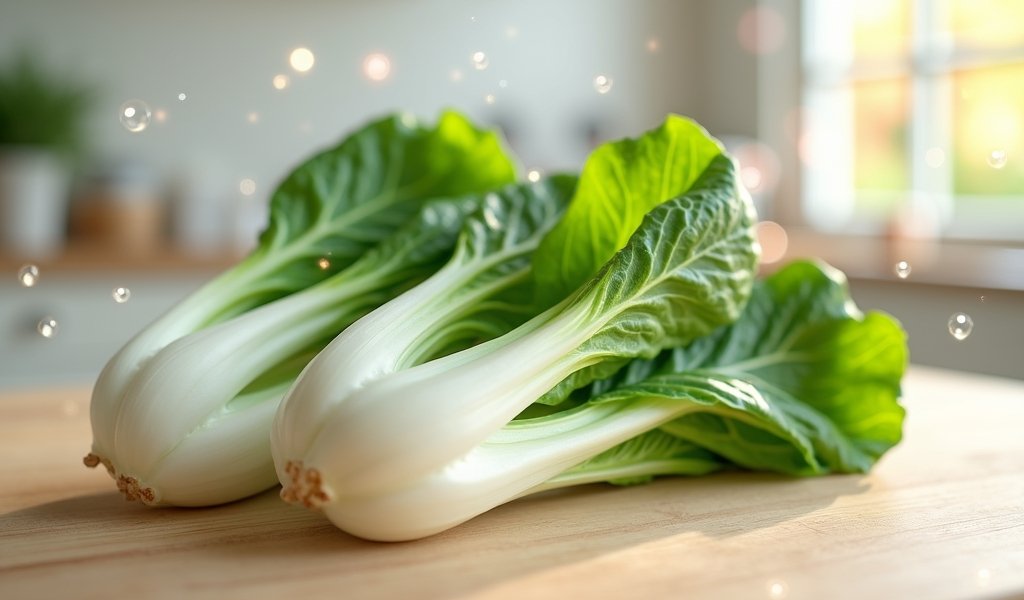
Unlike the round, tightly-packed heads of cabbage you might be familiar with, bok choy features smooth, tender stalks that resemble celery, topped with deep green, slightly wrinkled leaves. The entire plant is edible, offering a mild, refreshing flavor with a pleasant crunch that works wonderfully in stir-fries, soups, and even raw in salads.
What makes bok choy truly remarkable, however, isn’t just its culinary versatility but its impressive nutritional profile. As a registered dietitian, I’ve seen firsthand how incorporating this vegetable into meal plans can contribute significantly to overall health and wellness.
Nutritional Profile of Bok Choy
When examining bok choy nutrition, the numbers speak for themselves. This leafy green is a nutritional goldmine, packed with vitamins, minerals, and beneficial plant compounds while remaining incredibly low in calories.
A one-cup serving (70g) of raw bok choy contains:
- Calories: 9
- Protein: 1g
- Carbohydrates: 1.5g
- Fiber: 0.7g
- Fat: 0.1g
- Vitamin A: 31% of the Daily Value (DV)
- Vitamin C: 44% of the DV
- Vitamin K: 26% of the DV
- Folate: 12% of the DV
- Calcium: 7% of the DV
- Potassium: 5% of the DV
What I find particularly impressive is that bok choy provides significant amounts of vitamins A and C—two powerful antioxidants—while containing almost no calories. This makes it an exceptionally nutrient-dense food, providing substantial nutritional benefits for very few calories.
Bok choy also contains numerous beneficial plant compounds, including over 70 antioxidant phenolic substances. Among these are glucosinolates, which research suggests may have cancer-fighting properties and contribute to the vegetable’s slightly bitter undertones.
Additionally, bok choy is an excellent source of selenium, an important mineral that supports thyroid function and helps protect against oxidative stress. In fact, some studies have shown that the selenium in cruciferous vegetables like bok choy may be more bioavailable than other food sources, meaning your body can utilize it more efficiently.
7 Proven Health Benefits of Bok Choy
The remarkable bok choy nutrition profile translates into numerous health benefits. Based on scientific research and my clinical experience, here are seven evidence-based ways this vegetable can boost your health.
1. Boosts Immune System
With a single cup providing nearly half your daily vitamin C needs, bok choy is an immune system superstar. Vitamin C is crucial for the production and function of white blood cells, which help your body fight infections.
During cold and flu season, I often recommend that my clients increase their consumption of vitamin C-rich foods like bok choy. The combination of vitamin C with vitamin A (also abundant in bok choy) creates a powerful duo that strengthens epithelial barriers—the first line of defense against pathogens.
The glucosinolates in bok choy also break down into compounds that help activate immune responses. One such compound, indole-3-carbinol, has been studied for its potential to enhance immune function and even inhibit the growth of certain cancer cells, according to research from Oregon State University.
2. Promotes Bone Health
Bok choy offers an impressive calcium content for a non-dairy food, making it valuable for bone health. What many people don’t realize is that the calcium in bok choy is highly bioavailable—meaning your body can actually absorb and use it efficiently.
In my practice, I’ve worked with many clients who avoid dairy products due to lactose intolerance or personal preference. For these individuals, calcium-rich vegetables like bok choy become especially important for maintaining bone density.
The vitamin K in bok choy further supports bone health by helping to regulate calcium metabolism and promoting bone mineralization. Research suggests that adequate vitamin K intake is associated with a lower risk of fractures and osteoporosis, particularly in older adults.
3. Supports Heart Health
The bok choy nutrition profile includes several heart-healthy components. Its high potassium content helps counterbalance sodium in the body, potentially helping to regulate blood pressure.
Cruciferous vegetables like bok choy have been associated with improved heart health in numerous studies. A comprehensive analysis published in the Journal of the Academy of Nutrition and Dietetics found that higher consumption of cruciferous vegetables was linked to a reduced risk of cardiovascular disease.
The folate in bok choy also plays a role in heart health by helping to break down homocysteine, an amino acid that can damage blood vessels when levels get too high. By keeping homocysteine in check, folate may help reduce the risk of heart disease and stroke.
4. Enhances Eye Health
The vibrant green leaves of bok choy contain lutein and zeaxanthin, two carotenoids that concentrate in the macula of the eye. These compounds act like internal sunglasses, helping to filter harmful blue light and protect the retina from oxidative damage.
I’ve found that many of my clients are surprised to learn that diet plays such a crucial role in preserving vision. Regular consumption of lutein-rich foods like bok choy may help reduce the risk of age-related macular degeneration, the leading cause of vision loss in older adults.
The vitamin A in bok choy further supports eye health by maintaining the surface of the eye and preventing dryness. Adequate vitamin A is also essential for good night vision, as it helps form the light-sensitive proteins in your retina.
5. Provides Anti-Inflammatory Benefits
Chronic inflammation underlies many modern diseases, from arthritis to heart disease and cancer. The antioxidants and phytonutrients in bok choy help combat this inflammation through multiple mechanisms.
Bok choy contains over 70 antioxidant phenolic substances that help neutralize free radicals and reduce oxidative stress. These compounds, including various flavonoids and phenolic acids, work synergistically to calm inflammatory processes in the body.
The omega-3 fatty acids found in small amounts in bok choy also contribute to its anti-inflammatory properties. While not as concentrated as in fatty fish, these healthy fats help regulate inflammatory responses and support overall immune function.
6. Improves Skin Health
The vitamin C abundant in bok choy plays a crucial role in collagen production, making it essential for maintaining healthy, resilient skin. Collagen provides structure to your skin and helps prevent premature aging.
In my nutrition practice, I’ve noticed visible improvements in skin quality when clients increase their intake of vitamin C-rich vegetables like bok choy. The antioxidants in this vegetable also help protect skin cells from UV damage and environmental pollutants that can accelerate aging.
Additionally, the hydrating properties of bok choy (it’s about 95% water) contribute to skin moisture from the inside out. Proper hydration is fundamental for maintaining skin elasticity and preventing dryness.
7. Aids in Weight Management
With just 9 calories per cup, bok choy is a dieter’s dream. Its high water and fiber content help promote satiety, making you feel fuller for longer while consuming fewer calories.
I often recommend bok choy to clients who are trying to manage their weight. Its satisfying crunch and ability to absorb flavors make it a versatile addition to meals that might otherwise lack volume and nutrients.
The fiber in bok choy also supports digestive health and regular elimination, which can help prevent bloating and maintain a healthy gut microbiome. Emerging research suggests that gut health may play a significant role in weight management and metabolism.
How to Include Bok Choy in Your Diet
Now that we understand the impressive bok choy nutrition profile, let’s explore delicious ways to incorporate this versatile vegetable into your meals.
- Stir-fries: Perhaps the most traditional use, bok choy adds crunch and nutrition to any stir-fry. I love pairing it with garlic, ginger, and a splash of low-sodium soy sauce.
- Soups: Add chopped bok choy during the last few minutes of cooking to maintain its texture and vibrant color. It works particularly well in miso soup or chicken broth-based soups.
- Salads: Thinly sliced raw bok choy brings a refreshing crunch to salads. The stalks provide texture similar to celery, while the leaves add nutritional value.
- Steamed: For a simple side dish, steam bok choy for 3-5 minutes until just tender. Drizzle with olive oil and a squeeze of lemon juice.
- Grilled: Halve small heads of bok choy lengthwise, brush with oil, and grill for a smoky flavor that pairs beautifully with fish or steak.
- Smoothies: The mild flavor of bok choy makes it a great addition to green smoothies. The leaves blend well with fruits while boosting the nutritional content.
When selecting bok choy, look for firm stalks and crisp, bright green leaves without wilting or yellowing. Both baby bok choy and full-sized varieties offer similar nutritional benefits, though baby bok choy tends to be more tender and mild.
To preserve its nutritional value, avoid overcooking bok choy. Quick cooking methods like stir-frying or brief steaming help retain more vitamins and maintain a pleasant texture. For maximum bok choy nutrition benefits, aim to incorporate this vegetable into your meals 2-3 times per week.
Potential Side Effects
Despite its impressive nutritional profile, bok choy may not be suitable for everyone in large quantities. Like other cruciferous vegetables, it contains goitrogens, compounds that can interfere with thyroid function when consumed in excessive amounts, particularly when raw.
For most people, moderate consumption of bok choy poses no issues. However, individuals with existing thyroid conditions should consider cooking their bok choy, as heat deactivates most goitrogenic compounds.
Bok choy is also high in vitamin K, which can interact with blood-thinning medications like warfarin. If you’re taking such medications, it’s important to maintain consistent vitamin K intake rather than suddenly increasing or decreasing it. Consult with your healthcare provider about incorporating bok choy into your diet if you’re on blood thinners.
Some people may experience digestive discomfort when first adding cruciferous vegetables like bok choy to their diet due to their fiber content. Start with small portions and gradually increase to allow your digestive system to adjust.
Conclusion
The bok choy nutrition profile makes this leafy green a true nutritional powerhouse. From immune support to heart health, bone strength, and beyond, bok choy offers remarkable health benefits while adding variety and flavor to your meals.
Throughout my career as a dietitian, I’ve seen how simple dietary additions like incorporating more cruciferous vegetables can make profound differences in health outcomes. Bok choy, with its exceptional nutrient density and culinary versatility, deserves a regular place on your plate.
Whether you’re looking to boost your nutrient intake, manage your weight, or simply expand your vegetable repertoire, bok choy offers an accessible and delicious option. Its mild flavor makes it approachable even for those who typically shy away from cruciferous vegetables.
I encourage you to experiment with this versatile vegetable in various dishes and experience its benefits firsthand. Your body—and your taste buds—will thank you for embracing the remarkable nutritional gifts that bok choy has to offer.
Frequently Asked Questions
Is bok choy healthier raw or cooked?
Both preparations offer benefits, with raw bok choy preserving more vitamin C and cooked bok choy making certain nutrients more bioavailable. Lightly cooking also reduces goitrogens, which can affect thyroid function in very large quantities.
How much bok choy should I eat per week?
Aim for 1-3 cups of bok choy weekly as part of a varied diet including multiple cruciferous vegetables. This provides nutritional benefits without overdoing any single food group.
Can I eat bok choy if I have thyroid issues?
Yes, but cook it first to reduce goitrogens. Most people with thyroid conditions can safely enjoy moderate amounts of cooked bok choy as part of a balanced diet.
Is bok choy keto-friendly?
Absolutely! With only 1.5g of carbs per cup, bok choy is ideal for ketogenic diets. Its high nutrient density makes it a valuable addition to low-carb meal plans.
How long does bok choy last in the refrigerator?
Fresh bok choy typically lasts 3-5 days when stored unwashed in a perforated plastic bag in the crisper drawer. For maximum nutrition, consume it as fresh as possible.