

Overview
This article outlines a seven-step PCOS diet plan that addresses the condition’s underlying hormonal imbalances through blood sugar stabilization, anti-inflammatory foods, healthy fats, increased fiber, strategic meal timing, proper hydration, and sustainable meal planning. The approach aims to improve insulin sensitivity, reduce inflammation, and restore hormonal balance, with many women experiencing significant symptom improvements within 3-6 months of consistent dietary changes.
Table of Contents
- Understanding PCOS: The Hormonal Connection
- Step 1: Stabilize Blood Sugar to Regulate Hormones
- Step 2: Prioritize Anti-Inflammatory Foods
- Step 3: Focus on Healthy Fats
- Step 4: Increase Fiber Intake
- Step 5: Manage Portion Sizes and Meal Timing
- Step 6: Stay Hydrated with Purpose
- Step 7: Implement a Sustainable Meal Plan
- Conclusion: Your Path to Hormonal Balance
- Frequently Asked Questions
Understanding PCOS: The Hormonal Connection
Polycystic Ovary Syndrome (PCOS) affects approximately 1 in 10 women of reproductive age, making it one of the most common hormonal disorders worldwide. As both a physician and someone who has personally navigated PCOS, I understand the frustration of conflicting advice about the ideal PCOS diet plan. The good news? Clinical evidence shows that dietary changes can significantly improve symptoms and help restore hormonal balance.
At its core, PCOS is characterized by insulin resistance, chronic inflammation, and hormonal imbalances that lead to symptoms including irregular periods, excess androgen levels, polycystic ovaries, weight gain (particularly around the abdomen), acne, hair loss, and fertility challenges. According to research published in the Journal of Clinical Endocrinology & Metabolism, dietary interventions can improve insulin sensitivity by 70% in women with PCOS.
The connection between what you eat and your hormonal health is profound. When insulin resistance occurs, your body struggles to process glucose effectively, leading to higher insulin levels. This excess insulin stimulates your ovaries to produce more testosterone, creating the cascade of symptoms that define PCOS. The right dietary approach doesn’t just treat symptoms—it addresses the underlying metabolic and hormonal dysregulation.
Step 1: Stabilize Blood Sugar to Regulate Hormones
The foundation of any effective PCOS diet plan starts with blood sugar management, as insulin resistance affects up to 70% of women with this condition. The goal is to minimize blood sugar spikes that trigger insulin surges and subsequently disrupt hormone balance.
Begin by balancing your macronutrients at every meal. Aim for a combination that includes:
- Protein (25-30% of your plate): Include options like wild-caught fish, organic eggs, grass-fed meat, tempeh, or lentils. Protein helps slow glucose absorption and provides essential amino acids for hormone production.
- Complex carbohydrates (40-45% of your plate): Choose low-glycemic options such as quinoa, sweet potatoes, brown rice, oats, and abundant non-starchy vegetables. These carbs release glucose more slowly into your bloodstream.
- Healthy fats (25-30% of your plate): Incorporate avocados, olive oil, nuts, seeds, and fatty fish. Fats slow digestion and help maintain stable blood sugar levels.
Specific blood-sugar balancing strategies include:
- Starting your day with protein rather than carbohydrates (research shows this can reduce daily insulin fluctuations by up to 30%)
- Taking a 10-minute walk after meals (shown to lower post-meal blood sugar by 12-22%)
- Adding cinnamon to meals (1/2 teaspoon daily can improve insulin sensitivity by up to 20%)
- Consuming apple cider vinegar (1 tablespoon in water before meals can reduce post-meal blood sugar response by 31%)
Women following this insulin resistance diet approach have reported significant improvements in their menstrual regularity within 2-3 cycles. My patient Sarah experienced her first natural period in 18 months after implementing these blood sugar balancing techniques for just 6 weeks.
Remember that timing matters too. Aim to eat meals every 3-4 hours to prevent blood sugar crashes that can trigger cravings and hormone disruption. Including protein with each meal and snack creates a buffer against blood sugar spikes that can aggravate PCOS symptoms.
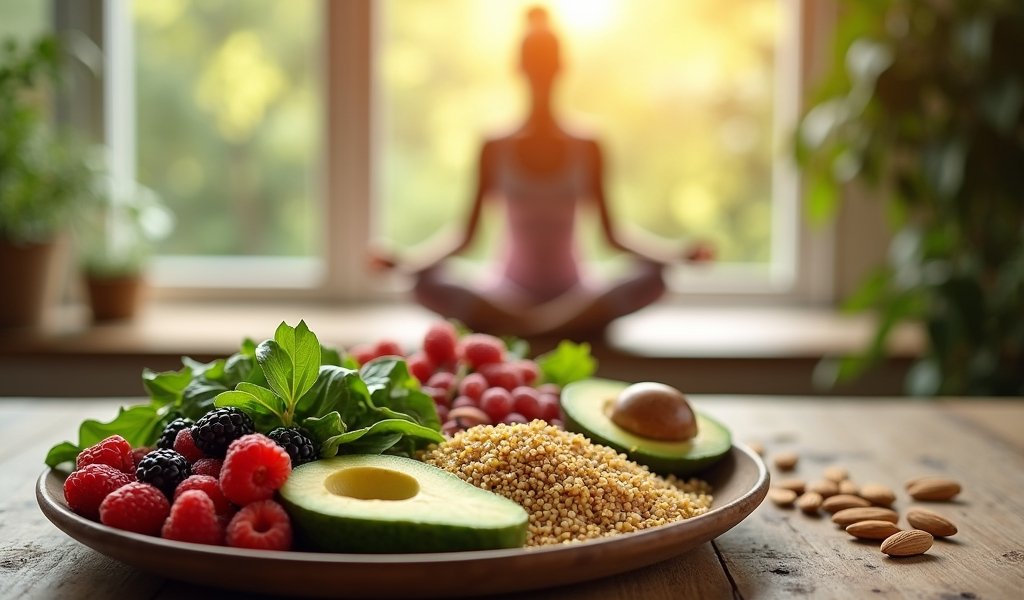
Step 2: Prioritize Anti-Inflammatory Foods
Chronic inflammation plays a significant role in PCOS, creating a cycle that worsens insulin resistance and hormone imbalance. A study published in the Journal of Clinical Endocrinology & Metabolism found that women with PCOS have elevated inflammatory markers compared to women without the condition.
To counter this inflammation, build your PCOS diet plan around anti-inflammatory powerhouses:
- Colorful vegetables and fruits: Aim for 7-9 servings daily, focusing on berries, dark leafy greens, bell peppers, and purple/red produce rich in antioxidants
- Omega-3 rich foods: Include wild-caught salmon, sardines, walnuts, chia seeds, and flaxseeds 2-3 times weekly
- Spices and herbs: Incorporate turmeric with black pepper, ginger, oregano, and rosemary daily (turmeric’s active compound curcumin has been shown to reduce inflammatory markers by up to 32%)
- Green tea: Contains EGCG, which studies show can reduce testosterone levels and improve insulin sensitivity when consumed regularly
Equally important is minimizing pro-inflammatory foods that can trigger or worsen PCOS symptoms:
- Refined sugars and processed carbohydrates
- Trans fats and highly processed vegetable oils
- Alcohol (which can increase estrogen dominance)
- Artificial additives, preservatives, and sweeteners
An anti-inflammatory diet approach isn’t just beneficial for PCOS—it improves overall health. Many women report improvements in skin clarity, energy levels, and mood stability within just 2-3 weeks of reducing inflammatory foods.
Step 3: Focus on Healthy Fats
Contrary to outdated dietary advice, healthy fats are essential for hormonal health in women with PCOS. Fats provide the building blocks for hormone production, improve cell membrane function, and help regulate inflammation—all crucial for managing PCOS symptoms.
The key is choosing the right types of fat:
- Monounsaturated fats: Olive oil, avocados, and macadamia nuts support heart health and can improve insulin sensitivity
- Omega-3 fatty acids: Wild-caught fish, walnuts, and flax provide anti-inflammatory benefits and support ovulation
- Medium-chain triglycerides (MCTs): Found in coconut oil, these fats are metabolized differently and can support weight management
- Fat-soluble vitamins: Foods containing vitamins A, D, E, and K support hormone production and ovarian function
Practical ways to incorporate healthy fats include:
- Adding 1-2 tablespoons of extra virgin olive oil to salads and vegetables
- Including 1/4-1/2 avocado daily
- Consuming 1-2 tablespoons of nut butter as a snack with apple slices
- Having 2-3 servings of fatty fish weekly
- Using 1 tablespoon of coconut oil in cooking or baking
While increasing healthy fats, simultaneously reduce inflammatory omega-6 fats found in processed foods, vegetable oils, and conventional meat products. This balanced approach supports hormone production without promoting inflammation.
Step 4: Increase Fiber Intake
Dietary fiber plays a crucial but often overlooked role in managing PCOS. Research shows that women with PCOS typically consume less fiber than recommended, missing out on its hormone-balancing benefits. Fiber supports PCOS management in multiple ways:
First, it slows carbohydrate digestion and glucose absorption, helping prevent insulin spikes. Second, certain fibers bind to excess estrogen in the digestive tract, supporting its elimination and preventing hormonal recycling. Third, fiber feeds beneficial gut bacteria, which play a direct role in hormone metabolism and inflammation control.
Aim for 25-35 grams of fiber daily from diverse sources:
- Soluble fiber: Found in oats, beans, lentils, apples, and chia seeds; helps regulate blood sugar and improves insulin sensitivity
- Insoluble fiber: Present in vegetables, nuts, seeds, and whole grains; supports digestive health and hormone elimination
- Resistant starch: Found in cooled potatoes, rice, and green bananas; acts as prebiotics for gut health
Practical tips for increasing fiber without digestive discomfort:
- Increase intake gradually over 2-3 weeks to allow your digestive system to adjust
- Add 1-2 tablespoons of ground flaxseed to smoothies, yogurt, or oatmeal
- Include 1/2 cup of beans or lentils 3-4 times weekly
- Aim for at least 5 servings of non-starchy vegetables daily
- Stay well-hydrated as fiber absorbs water
Women who increase their fiber intake often report improved regularity in their menstrual cycles, reduced bloating, and better energy levels. Melissa, a 32-year-old patient, experienced her first natural cycle in over a year after increasing her fiber intake to 30 grams daily for just two months.
Step 5: Manage Portion Sizes and Meal Timing
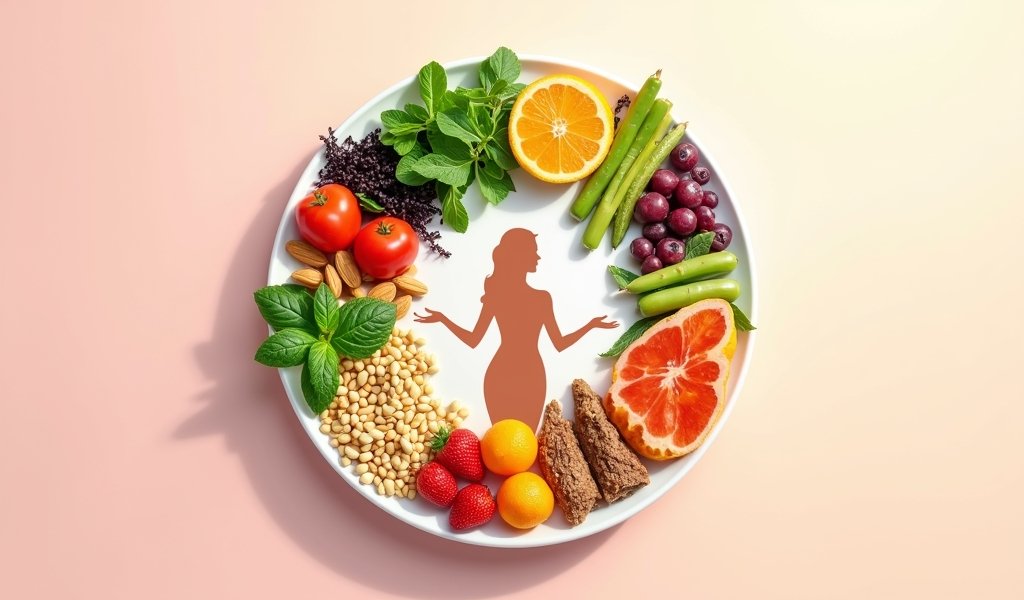
Beyond what you eat, when and how much you eat significantly impacts hormonal balance with PCOS. Irregular eating patterns can disrupt insulin regulation and circadian rhythms that govern hormone release.
Consider these evidence-based strategies:
- Time-restricted eating: Limiting eating to an 8-10 hour window (such as 10am to 7pm) can improve insulin sensitivity by 36% according to recent research
- Consistent meal timing: Eating at similar times each day helps regulate hormone production and metabolic processes
- Mindful portion control: Using the plate method (1/2 plate non-starchy vegetables, 1/4 plate protein, 1/4 plate complex carbs, plus healthy fats) provides visual guidance
- Front-loading calories: Consuming more calories earlier in the day aligns with natural metabolic rhythms
Rather than strict calorie counting, focus on hunger and fullness cues. Women with PCOS often have dysregulated hunger hormones (ghrelin and leptin), so practicing mindful eating becomes especially important. Take time to chew thoroughly, put your utensils down between bites, and stop when you feel 80% full.
Experiment with meal spacing that works for your body. Some women do best with three moderate meals plus one snack, while others find that smaller, more frequent meals help maintain steady blood sugar. The goal isn’t perfection but consistency in timing that supports your hormonal balance.
Step 6: Stay Hydrated with Purpose
Proper hydration is fundamental to any PCOS diet plan, as it affects everything from insulin sensitivity to detoxification pathways that process hormones. Research indicates that even mild dehydration can worsen insulin resistance by up to 12%, a key concern for women with PCOS.
The hydration needs for women with PCOS typically exceed standard recommendations. Aim for at least 2-3 liters (8-12 cups) of water daily, with additional fluid needs based on activity level, climate, and individual factors.
Strategic hydration throughout the day supports hormone balance:
- Morning hydration: Start with 16-20 ounces of water upon waking to rehydrate after overnight fasting and support liver detoxification
- Pre-meal hydration: Drink 8-12 ounces of water 15-30 minutes before meals to support digestion and prevent overeating
- Between-meal hydration: Sip water between meals rather than with meals to avoid diluting digestive enzymes
- Electrolyte balance: Add a pinch of high-quality sea salt or trace minerals to water, especially if you exercise regularly
Beyond plain water, consider hormone-supportive beverages:
- Spearmint tea: Studies show it can reduce free testosterone levels in women with PCOS
- Green tea: Contains compounds that support insulin sensitivity and reduce inflammation
- Ginger tea: Helps reduce inflammation and supports digestion
- Dandelion root tea: Supports liver function and hormone clearance
Simultaneously reduce beverages that can worsen PCOS symptoms, including alcohol (which disrupts blood sugar and increases estrogen), caffeine in excess (which can stress the adrenal system), and sugary drinks (which spike insulin levels).
Step 7: Implement a Sustainable Meal Plan
Creating a practical PCOS diet plan means finding a sustainable approach that fits your life long-term. The most effective eating pattern is one you can maintain consistently, as hormonal balance requires ongoing nutritional support.
A sample day on a balanced PCOS diet plan might include:
- Breakfast (7-8am): Vegetable omelet with 2-3 eggs, spinach, bell peppers, and avocado, plus 1/2 cup berries
- Lunch (12-1pm): Mediterranean bowl with 4oz grilled chicken, 1/2 cup quinoa, roasted vegetables, olives, and olive oil dressing
- Afternoon snack (3-4pm): Apple slices with 2 tablespoons almond butter
- Dinner (6-7pm): 4oz wild-caught salmon, 1 cup roasted Brussels sprouts, 1/2 cup sweet potato with coconut oil and cinnamon
Meal prep strategies that support success:
- Batch cook proteins and complex carbs once or twice weekly
- Prepare grab-and-go snack containers with pre-portioned nuts, cut vegetables, and dips
- Keep a “PCOS emergency kit” with protein bars, nuts, or seeds for unexpected schedule changes
- Create a rotating 2-week meal plan to reduce decision fatigue while maintaining variety
Remember that dietary changes often produce results in phases. Some women notice improved energy and reduced cravings within days, while hormonal symptoms like irregular cycles may take 3-6 months to normalize. Track your symptoms, energy levels, and cycle changes to identify what works best for your body.
The most successful PCOS diet plans allow for flexibility. Include occasional treats mindfully, practice the 80/20 rule (focusing on nutritious choices 80% of the time), and adjust your approach based on your body’s feedback and changing needs throughout your menstrual cycle.
Conclusion: Your Path to Hormonal Balance
Managing PCOS through dietary changes isn’t just about following a rigid PCOS diet plan—it’s about creating a sustainable approach to nourishing your body that addresses the underlying hormonal imbalances. By stabilizing blood sugar, reducing inflammation, balancing fats, increasing fiber, timing meals thoughtfully, staying properly hydrated, and implementing a practical meal plan, you can significantly improve your PCOS symptoms.
Remember that your body is unique, and finding the right balance may take time and personalization. Be patient with yourself as you implement these changes, focusing on progress rather than perfection. Many women see significant improvements within 3-6 months of consistent dietary changes, with continued benefits developing over time.
While diet forms the foundation of natural PCOS management, consider complementing these nutritional strategies with regular movement, stress management, quality sleep, and appropriate supplementation under professional guidance. This holistic approach provides comprehensive support for your hormonal health.
Your journey with PCOS is exactly that—a journey. With these evidence-based dietary strategies, you’re equipped to take meaningful steps toward hormone balance, symptom relief, and improved overall wellbeing. Small, consistent changes can lead to profound results, empowering you to thrive with PCOS rather than merely manage it.
Frequently Asked Questions
Can the right PCOS diet plan help me lose weight?
Yes, a PCOS diet that focuses on blood sugar balance and anti-inflammatory foods often leads to weight loss, particularly around the abdomen. This happens because the diet addresses underlying insulin resistance that contributes to weight gain.
How long until I see results from a PCOS diet plan?
Most women notice improved energy and reduced cravings within 2-3 weeks, while menstrual regularity may take 3-6 months to normalize. Consistency is key to seeing sustainable results.
Do I need to avoid carbs completely with PCOS?
No, quality complex carbohydrates are beneficial for PCOS when balanced with protein and healthy fats. Focus on fiber-rich, low-glycemic carbs like vegetables, legumes, and whole grains while minimizing refined carbohydrates.
Is dairy harmful for women with PCOS?
Dairy affects women with PCOS differently, with some experiencing worsened symptoms due to its inflammatory and hormonal effects. Consider a 30-day elimination to assess your individual response, particularly with conventional dairy products.
Can vegetarians and vegans follow this PCOS diet plan?
Absolutely, plant-based eaters can implement these principles by focusing on complete plant proteins like legumes, quinoa, tempeh, and hemp seeds. Pay special attention to vitamin B12, iron, zinc, and omega-3 intake through supplementation if needed.
Pingback: Ultimate 28 Day Diet Plan to Get Pregnant: Proven Success - achievehealthgoals.com
Pingback: Could Being Sick Delay Your Period? 5 Proven Tips - achievehealthgoals.com
Pingback: Does Being Sick Delay Your Period? 5 Proven Reasons - achievehealthgoals.com