
Overview
This 7-day protein diet plan promotes weight loss by leveraging protein’s higher thermic effect (20-30% more calories burned during digestion) while preserving muscle mass, reducing hunger, and stabilizing blood sugar. The article provides a complete meal plan with approximately 30-35% protein intake, exercise recommendations, supplement guidance, and practical tips for avoiding common mistakes like overconsumption of protein or neglecting fiber and micronutrients.
Table of Contents
- Understanding Protein Diet: The Science Behind Weight Loss
- Benefits of a High-Protein Diet for Weight Loss
- Preparing for Your 7-Day Protein Diet Plan
- The Complete 7-Day Protein Diet Plan for Weight Loss
- Best Protein-Rich Foods to Include in Your Diet
- Common Mistakes to Avoid on a Protein Diet
- Supplements and Hydration on a Protein Diet
- Exercise Recommendations to Maximize Results
- Conclusion
- Frequently Asked Questions
Understanding Protein Diet: The Science Behind Weight Loss
A well-designed 7-day protein diet plan for weight loss works by leveraging the thermic effect of food—your body burns more calories digesting protein (20-30%) compared to carbs (5-10%) or fats (0-3%). This metabolic advantage creates a natural calorie deficit without leaving you hungry or deprived.
As a nutritionist with over a decade of experience helping clients transform their bodies, I’ve seen firsthand how strategic protein timing can accelerate fat loss while preserving lean muscle. Protein isn’t just another macronutrient; it’s the cornerstone of effective weight management.
When you consume adequate protein (approximately 1.6-2.2g per kg of body weight daily), you activate multiple fat-burning pathways. Your body releases hormones like peptide YY and GLP-1, which naturally reduce hunger and keep you satisfied longer than carbohydrate-heavy meals. Furthermore, maintaining muscle mass through sufficient protein intake ensures your metabolic rate stays elevated even during caloric restriction.
The beauty of a structured 7-day meal plan is that it eliminates decision fatigue while providing nutritional balance. Rather than attempting a complete lifestyle overhaul, this targeted approach makes sustainable weight management accessible to everyone, regardless of previous dieting experience.
Benefits of a High-Protein Diet for Weight Loss
High-protein diets offer substantial benefits beyond simple calorie reduction. Research published in The American Journal of Clinical Nutrition confirms that protein significantly increases satiety, the feeling of fullness that prevents overeating and unnecessary snacking.
Here are the key advantages of prioritizing protein for weight loss:
- Enhanced thermogenesis: Your body expends more energy processing protein than other macronutrients
- Preserved muscle mass: Prevents the metabolism slowdown typically associated with dieting
- Reduced cravings: Stabilizes blood sugar levels, minimizing hunger spikes throughout the day
- Improved body composition: Supports fat loss while maintaining lean tissue
- Greater diet adherence: Feeling satisfied makes sticking to your plan significantly easier
Many of my clients report noticeable changes in energy levels within just 3-5 days of starting a protein-focused plan. Morning brain fog dissipates, mid-afternoon energy crashes diminish, and workout recovery improves dramatically. These immediate benefits create positive reinforcement that sustains motivation throughout your weight loss journey.
Unlike extreme approaches that leave you feeling deprived, a well-structured protein diet delivers sustainable results by working with your body’s natural mechanisms rather than against them.
Preparing for Your 7-Day Protein Diet Plan
Success on any nutrition plan begins with proper preparation. Before diving into your 7-day protein diet plan for weight loss, take these essential steps to set yourself up for success:
Pantry and Refrigerator Inventory
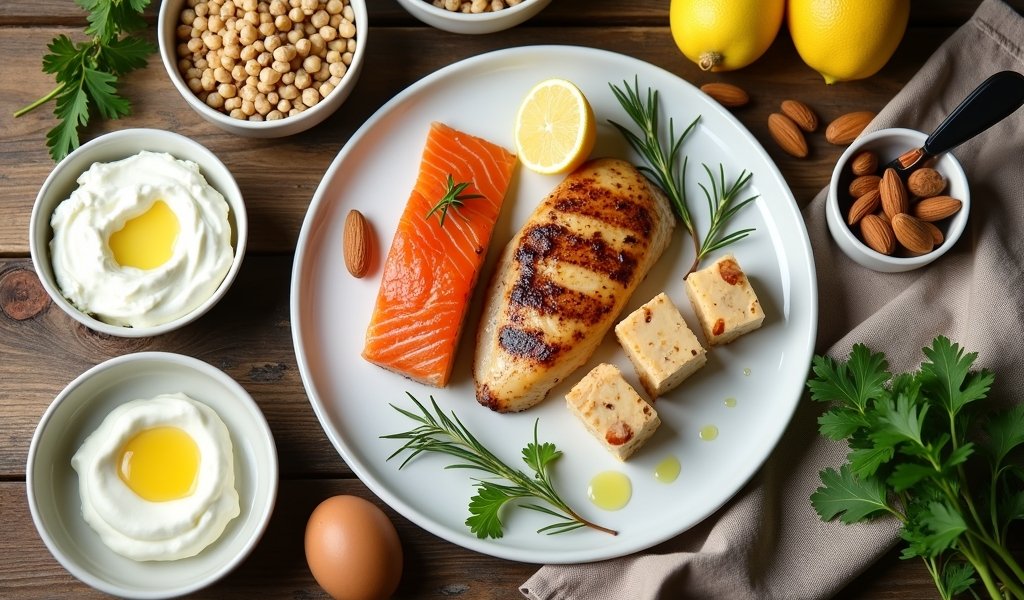
Start by clearing out temptation foods that might derail your progress. Stock your kitchen with protein-rich staples including lean meats, fish, eggs, Greek yogurt, cottage cheese, tofu, and legumes. Include moderate portions of complex carbohydrates like sweet potatoes, quinoa, and oats to support your workout performance.
Don’t forget to incorporate healthy fats—avocados, olive oil, nuts, and seeds—which support hormone production and nutrient absorption. Having these essentials on hand eliminates the “there’s nothing to eat” syndrome that often leads to impulsive food choices.
Meal Prep Strategies
Batch cooking is your secret weapon for consistent nutrition. Dedicate 2-3 hours weekly to preparing protein sources and versatile sides that can be mixed and matched throughout the week. Simple strategies like grilling several chicken breasts, hard-boiling eggs, and washing and chopping vegetables in advance will save precious time on busy days.
Invest in quality food storage containers and organize your refrigerator with prepared items at eye level. This visual cuing makes healthy choices the path of least resistance when hunger strikes.
Mindset Preparation
Physical preparation alone isn’t enough—mental readiness determines long-term success. View this week as a learning experience rather than a restrictive diet. Track your energy levels, hunger cues, and mood throughout the process to understand how your body responds to different protein sources and meal timings.
Remember that perfection isn’t necessary. Even 80-90% adherence to your protein-focused plan will yield noticeable results. This flexibility prevents the all-or-nothing thinking that sabotages most diet attempts.
The Complete 7-Day Protein Diet Plan for Weight Loss
This comprehensive plan provides approximately 1,600-1,800 calories daily with 30-35% from protein, 30-35% from healthy fats, and 30-40% from quality carbohydrates. Adjust portion sizes based on your specific caloric needs and activity level.
Day 1: Metabolism Kickstart
Breakfast: Vegetable omelet (3 egg whites, 1 whole egg) with spinach, bell peppers, and a quarter avocado
Snack: Greek yogurt (0% fat) with 1 tablespoon chia seeds
Lunch: Grilled chicken salad with mixed greens, cherry tomatoes, cucumber, and olive oil-lemon dressing
Snack: Protein smoothie (1 scoop whey protein, 1 cup berries, water, ice)
Dinner: Baked salmon (5 oz) with steamed broccoli and 1/3 cup quinoa
Day 2: Lean Muscle Support
Breakfast: Protein pancakes (1 scoop protein powder, 1 banana, 2 eggs) topped with 1/4 cup berries
Snack: 1 hard-boiled egg and a small apple
Lunch: Turkey and bean soup with mixed vegetables
Snack: Cottage cheese (1/2 cup) with cucumber slices
Dinner: Lean beef stir-fry with bell peppers, broccoli, and snow peas over cauliflower rice
Day 3: Sustained Energy
Breakfast: Protein-packed overnight oats (1/2 cup oats, 1 scoop protein powder, almond milk, cinnamon)
Snack: Turkey roll-ups (3 slices turkey breast with avocado)
Lunch: Tuna salad (mixed with Greek yogurt instead of mayo) in lettuce wraps
Snack: Celery sticks with 2 tablespoons almond butter
Dinner: Baked chicken breast (5 oz) with roasted Brussels sprouts and sweet potato (1/2 medium)
Day 4: Recovery Optimization
Breakfast: Protein smoothie bowl (protein powder, frozen berries, spinach, topped with 1 tablespoon nuts)
Snack: 2 hard-boiled eggs
Lunch: Grilled steak (4 oz) with large green salad and olive oil dressing
Snack: Greek yogurt with cinnamon
Dinner: Baked cod (5 oz) with roasted asparagus and 1/3 cup wild rice
Day 5: Anti-Inflammatory Focus
Breakfast: Scrambled eggs (1 whole egg, 3 whites) with sautéed kale and mushrooms
Snack: Protein shake (1 scoop) with 1 cup berries
Lunch: Lentil and vegetable soup with side salad
Snack: Turkey jerky (1 oz) and a pear
Dinner: Grilled shrimp skewers with zucchini, bell peppers, and 1/2 cup quinoa
Day 6: Metabolic Boost
Breakfast: Greek yogurt parfait (0% fat yogurt, 1 tablespoon flaxseeds, berries, cinnamon)
Snack: Protein bar (look for options with at least 15g protein and under 5g sugar)
Lunch: Chicken and vegetable power bowl with 1/4 avocado
Snack: Handful of almonds (12-15) and a small apple
Dinner: Turkey meatballs (made with lean ground turkey) with zucchini noodles and tomato sauce
Day 7: Hormone Balance
Breakfast: Smoked salmon (3 oz) with 1/4 avocado on cucumber slices
Snack: Protein mug cake (1 scoop protein, 1 tablespoon coconut flour, 1 egg, baking powder)
Lunch: Chicken salad with mixed greens, cherry tomatoes, and balsamic vinaigrette
Snack: Beef jerky (1 oz) with bell pepper slices
Dinner: Baked trout (5 oz) with roasted Brussels sprouts and cauliflower mash
Best Protein-Rich Foods to Include in Your Diet
The quality of your protein sources significantly impacts your results. Focus on complete proteins containing all essential amino acids, with emphasis on leucine—the amino acid most responsible for muscle protein synthesis.
Animal-Based Complete Proteins
- Chicken breast (31g protein per 100g)
- Turkey breast (29g protein per 100g)
- Lean beef (26g protein per 100g)
- Wild-caught fish (22-25g protein per 100g)
- Eggs (6g protein per large egg)
- Greek yogurt (10g protein per 100g)
- Cottage cheese (11g protein per 100g)
Animal proteins provide superior bioavailability, meaning your body can utilize a higher percentage of the protein consumed. They also contain naturally occurring creatine, B vitamins, and heme iron, which support energy production and oxygen transport.
Plant-Based Protein Options
- Tempeh (19g protein per 100g)
- Tofu (8g protein per 100g)
- Edamame (11g protein per 100g)
- Lentils (9g protein per 100g)
- Chickpeas (9g protein per 100g)
- Hemp seeds (31g protein per 100g)
- Quinoa (4g protein per 100g, cooked)
Plant proteins work best when combined strategically to create complete amino acid profiles. For example, pair legumes with whole grains or add hemp seeds to your meals. If following a plant-based approach, consider supplementing with a plant protein powder to reach optimal protein intake without excessive calories.
According to research from the International Society of Sports Nutrition, distributing protein intake evenly throughout the day (20-40g per meal) optimizes muscle protein synthesis and metabolic rate. This approach is more effective than consuming the majority of your protein in one or two large meals.
Common Mistakes to Avoid on a Protein Diet
Even with the best intentions, certain pitfalls can undermine your protein diet results. Here are the most common mistakes I see in my practice and how to avoid them:
Overconsumption of Protein
While protein is beneficial, more isn’t always better. Consuming excessive amounts (beyond 2.2g per kg of body weight) provides no additional metabolic advantage and may place unnecessary stress on your kidneys. Instead of focusing solely on protein quantity, emphasize quality and timing. Distribute your intake throughout the day to maintain a consistent anabolic environment.
Neglecting Fiber and Micronutrients
A common misconception is that high-protein diets must be low in carbohydrates and, consequently, fiber. This leads to digestive issues and micronutrient deficiencies that can stall progress. Incorporate plenty of non-starchy vegetables with each meal to maintain gut health and provide essential vitamins and minerals that support metabolic function.
Relying Too Heavily on Protein Supplements
While protein powders and bars offer convenience, they shouldn’t replace whole food sources. Many commercial products contain artificial sweeteners, preservatives, and hidden sugars that can trigger cravings and inflammation. Use supplements strategically—immediately after workouts or when whole food options aren’t available—rather than as your primary protein source.
Undereating Calories
Severe caloric restriction combined with high protein intake can initially accelerate weight loss but inevitably leads to metabolic adaptation and plateaus. Ensure you’re consuming enough total energy (no more than 500 calories below maintenance) to support exercise performance and recovery. This moderate approach preserves metabolic rate and enables sustainable fat loss.
Supplements and Hydration on a Protein Diet
While whole foods should form the foundation of your nutrition plan, strategic supplementation can enhance your results. These evidence-based additions support protein utilization and overall metabolic health:
Essential Supplements
- Whey or plant protein powder (for convenient post-workout nutrition)
- Creatine monohydrate (3-5g daily improves strength and body composition)
- Vitamin D3 (2000-5000 IU supports hormone optimization)
- Magnesium (200-400mg daily improves sleep quality and muscle recovery)
- Omega-3 fatty acids (1-3g EPA/DHA reduces inflammation and improves insulin sensitivity)
These supplements have substantial research supporting their efficacy and safety. However, they complement rather than replace a well-designed nutrition plan.
Hydration Requirements
Proper hydration becomes even more crucial on a high-protein diet. Protein metabolism produces nitrogenous waste products that require adequate water for elimination. Aim for a minimum of 3 liters (approximately 100 ounces) of water daily, increasing with body weight, activity level, and climate considerations.
A practical approach is consuming 500ml (17oz) upon waking, 500ml with each meal, 1 liter during and after exercise, and additional water between meals. This structured hydration strategy prevents the dehydration that often masquerades as hunger.
For those engaged in intense training, consider adding electrolytes to your water, particularly sodium and potassium, which support hydration status and muscle function. This becomes increasingly important during the initial phase of protein-focused eating as your body adjusts to altered carbohydrate intake.
Exercise Recommendations to Maximize Results
Exercise synergistically enhances the effectiveness of your protein diet plan. The right training approach amplifies metabolic benefits while shaping your physique as fat diminishes.
Resistance Training
Prioritize resistance training 3-4 times weekly, focusing on compound movements that engage multiple muscle groups simultaneously. Exercises like squats, deadlifts, rows, and presses stimulate maximum muscle fiber recruitment, elevating your metabolic rate for up to 48 hours post-workout.
Structure your resistance sessions around progressive overload—gradually increasing weight, repetitions, or time under tension as your strength improves. This continuous challenge prevents adaptation and ensures ongoing improvement in both strength and body composition.
Strategic Cardio
Complement your resistance training with two distinct forms of cardiovascular exercise:
- High-intensity interval training (HIIT): 2 sessions weekly of 20-30 minutes, alternating between maximum effort (20-30 seconds) and active recovery (40-90 seconds)
- Low-intensity steady-state (LISS): 2-3 sessions weekly of 30-45 minutes at 60-70% of maximum heart rate
This dual approach optimizes fat oxidation while minimizing muscle protein breakdown. HIIT creates a powerful afterburn effect, while LISS promotes recovery and directly burns fat during longer sessions.
Recovery Practices
Adequate recovery determines whether exercise enhances or impedes your progress. Implement these evidence-based recovery techniques:
- Sleep prioritization: 7-9 hours of quality sleep nightly
- Active recovery: daily movement like walking, swimming, or yoga
- Stress management: meditation, deep breathing, or nature exposure
- Proper post-workout nutrition: protein + carbohydrates within 30 minutes of training
Remember that exercise creates the stimulus for change, but recovery is where adaptation actually occurs. Balance intensity with sufficient restoration to maximize your results while preventing burnout.
Conclusion
The 7-day protein diet plan for weight loss offers a science-backed approach to transforming your body composition. By prioritizing high-quality protein sources, properly timing your meals, and avoiding common pitfalls, you create the optimal environment for sustainable fat loss while preserving valuable lean muscle tissue.
Unlike restrictive diets that leave you feeling deprived and ultimately fail, this balanced approach works with your body’s natural mechanisms to control hunger, optimize hormone function, and elevate your metabolism. The carefully structured meal plan eliminates guesswork while providing essential nutrients that support overall health beyond mere weight management.
Remember that consistency outweighs perfection. Small, sustainable changes implemented consistently yield far superior results than dramatic overhauls that prove impossible to maintain. Track your progress through measurements, photos, and energy levels rather than becoming fixated on daily scale fluctuations.
For personalized guidance and advanced strategies to take your results even further, join our nutrition community. Our weekly newsletter delivers cutting-edge research, meal preparation tips, and motivational support directly to your inbox.
Ready to transform your relationship with food and discover your body’s full potential? Join our nutrition community today and receive our exclusive e-book “Beyond Protein: The Complete Guide to Body Recomposition” as our welcome gift to you!
Frequently Asked Questions
How much protein should I eat daily for weight loss?
Aim for 1.6-2.2 grams of protein per kilogram of body weight daily. This amount supports muscle preservation while creating the metabolic advantage needed for fat loss.
Will a high-protein diet damage my kidneys?
Research shows high-protein diets are safe for individuals with healthy kidney function. Stay well-hydrated and consult your healthcare provider if you have existing kidney issues.
Can I follow this plan if I’m vegetarian or vegan?
Absolutely! Replace animal proteins with plant-based alternatives like tempeh, tofu, lentils, and plant protein powders. Combine complementary plant proteins to ensure you receive all essential amino acids.
How quickly will I see results on the 7-day protein diet?
Most people notice decreased hunger and increased energy within 2-3 days, with visible changes in body composition within 7-14 days. Individual results vary based on consistency, exercise, and starting point.
Should I continue this eating pattern after the 7 days?
This 7-day plan establishes healthy eating patterns that can be maintained long-term with some flexibility. For sustainable results, continue prioritizing protein while making adjustments based on your ongoing goals and lifestyle.