

Overview
The soup diet is a short-term weight loss approach featuring nutrient-rich, low-calorie soups that create a caloric deficit while keeping you full, with proven recipes including cabbage soup, detoxifying vegetable soup, and protein-packed options. The article provides a complete 7-day meal plan, discusses health benefits including hydration and appetite control, acknowledges limitations like sustainability concerns, and offers practical success tips while emphasizing its value as a reset mechanism rather than a permanent solution.
Table of Contents
- What Is The Soup Diet?
- How The Soup Diet Works
- 7 Proven Soup Diet Recipes
- Health Benefits of The Soup Diet
- Potential Drawbacks and Considerations
- 7-Day Soup Diet Meal Plan
- Tips for Success on The Soup Diet
- Conclusion
- Frequently Asked Questions
What Is The Soup Diet?
The soup diet has gained tremendous popularity as a short-term weight loss solution. It’s simple. You eat soup. Lots of it. But not just any soup—specifically designed, nutrient-rich soups that promote rapid weight loss while keeping you satisfied.
Unlike extreme fad diets, a properly structured soup diet provides essential vitamins and minerals. The concept revolves around consuming low-calorie, broth-based soups filled with vegetables, lean proteins, and limited carbohydrates. Most soup diets last between 5-10 days.
The most popular versions include the cabbage soup diet recipe, chicken soup diet, and keto soup options. Each offers unique benefits. Medical professionals often note that while not intended as a long-term solution, these soup-based regimens can jumpstart weight loss journeys effectively.
Research from the Journal of the American Dietetic Association shows that starting meals with soup can reduce overall calorie intake by up to 20%. This makes soup an effective appetite suppressant. The high water content fills your stomach, creating a sense of fullness with fewer calories.
How The Soup Diet Works
The soup diet creates a caloric deficit without leaving you hungry. It’s remarkably effective. Broth-based soups contain high volumes of liquid, which fills your stomach and triggers satiety signals to your brain. You feel full despite consuming fewer calories.
Here’s the science: soups typically provide 100-200 calories per bowl while delivering essential nutrients. Most soup diets limit daily intake to 1,000-1,200 calories total. This creates a significant caloric deficit without extreme hunger pangs that doom most diets.
The high fiber content from vegetables slows digestion. This stabilizes blood sugar and prevents energy crashes. Additionally, soup’s warm temperature naturally slows eating pace, giving your body time to register fullness before overeating.
According to a study in the journal Appetite, participants who consumed soup before meals lost 50% more weight than those who didn’t. The soup diet leverages this principle by making soup the star rather than the opening act.
Many variations exist, from the classic cabbage soup diet to more modern bone broth approaches. All share the fundamental principle of nutrient-dense, low-calorie soups as the foundation.
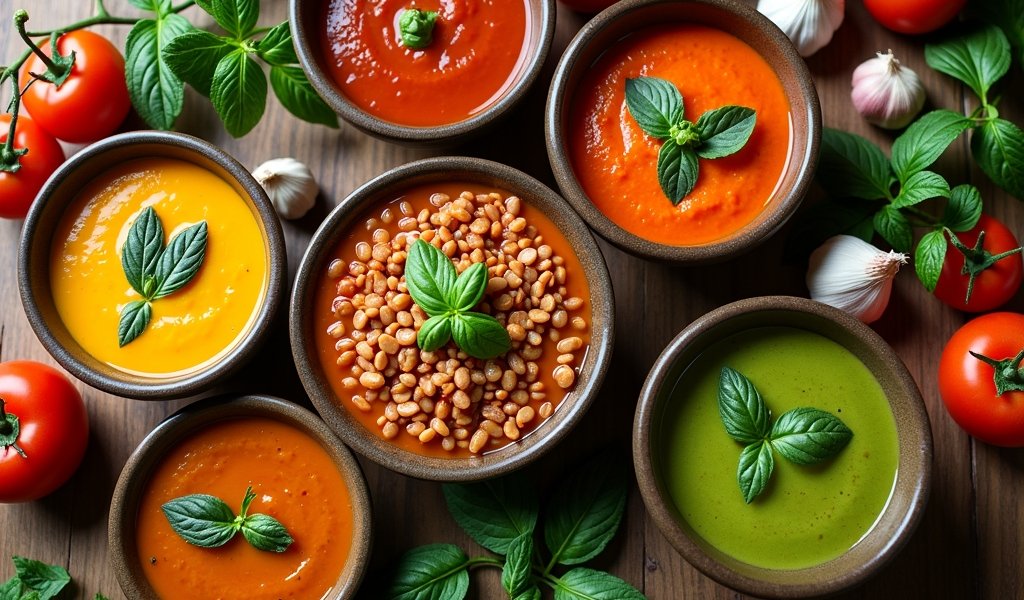
7 Proven Soup Diet Recipes
1. Classic Cabbage Soup
This cornerstone recipe has helped thousands shed unwanted pounds. It’s simple. It works. The basic recipe includes cabbage, onions, peppers, tomatoes, celery, and carrots simmered in vegetable or chicken broth.
The magic lies in cabbage’s natural properties. It contains virtually no calories while providing exceptional fiber. Studies have shown cabbage contains unique compounds that may boost metabolism. One pot provides multiple filling meals under 100 calories per serving.
For optimal results, add fresh herbs like thyme and rosemary. These increase flavor without adding calories. Fresh garlic and a dash of cayenne pepper can boost metabolism further.
2. Detoxifying Vegetable Soup
This nutrient powerhouse combines detoxifying vegetables like kale, spinach, and broccoli. The green vegetables provide chlorophyll, which supports liver function and detoxification. One bowl delivers massive nutrition with minimal calories.
Add turmeric and black pepper for anti-inflammatory benefits. Research published in the Journal of Clinical Biochemistry and Nutrition confirms turmeric’s role in supporting metabolic health. Lemon juice brightens the flavor and adds vitamin C.
This recipe makes an excellent dinner option. The fiber-rich ingredients promote overnight detoxification while you sleep.
3. Protein-Packed Chicken and Vegetable Soup
For those concerned about muscle maintenance, this protein-rich option delivers. Lean chicken breast provides essential amino acids. The addition of beans offers complementary proteins and fiber.
Season with dried oregano, thyme, and a bay leaf. These herbs enhance flavor without sodium. Studies show adequate protein intake during caloric restriction helps preserve lean muscle mass.
This satisfying recipe prevents the energy crashes common in many diets. Each serving delivers approximately 15-20 grams of protein while staying under 200 calories.
4. Fat-Burning Beef and Vegetable Soup
Don’t fear small amounts of lean beef in your diet plan. This recipe uses extra-lean ground beef (95% lean) to provide iron, zinc, and B vitamins. These nutrients support energy production during weight loss.
The key is proper portioning. Use just 4 ounces of lean beef per batch, distributed across multiple servings. Combined with metabolism-boosting spices like chili powder and paprika, this soup accelerates fat loss.
Research from the American Journal of Clinical Nutrition found adequate protein from sources like lean beef helps maintain higher metabolic rates during weight loss. This soup tastes indulgent while supporting your goals.
5. Immunity-Boosting Bone Broth Soup
The bone broth diet has gained scientific backing for good reason. Bone broth contains collagen, gelatin, and amino acids that support gut health and reduce inflammation. These factors create optimal conditions for weight loss.
Simmer chicken or beef bones for 12-24 hours to extract maximum nutrition. Add carrots, celery, onions, and garlic during the last hour. The resulting broth provides remarkable satiety with minimal calories.
Dr. Kellyann Petrucci, author of “The Bone Broth Diet,” has documented hundreds of successful weight loss cases using this approach. Her clinical observations show bone broth helps reduce joint pain during weight loss while improving skin elasticity.
6. Metabolic-Boosting Spicy Tomato Soup
Capsaicin in hot peppers temporarily raises metabolism. This spicy tomato soup harnesses that effect. Roasted tomatoes provide lycopene, a powerful antioxidant that supports cellular health during weight loss.
Add jalapeños or cayenne to taste. Research shows spicy foods can increase calorie burning by up to 8% temporarily. Fresh basil and oregano enhance flavor without calories.
The acidity of tomatoes pairs well with herbs and spices. This creates a satisfying flavor profile despite the low calorie count. One serving contains approximately 120 calories.
7. Fiber-Rich Lentil and Vegetable Soup
Lentils provide plant-based protein and resistant starch. This unique carbohydrate feeds beneficial gut bacteria without spiking blood sugar. It also promotes extended feelings of fullness.
Combine red lentils (which cook quickly) with carrots, celery, and tomatoes. Season with cumin, coriander, and a touch of smoked paprika. These spices have thermogenic properties that may enhance metabolism.
According to research in the American Journal of Clinical Nutrition, high-fiber diets promote greater weight loss and compliance than restricted diets. Each serving provides approximately 7-10 grams of fiber while staying under 200 calories.
Health Benefits of The Soup Diet
The soup diet offers benefits beyond rapid weight loss. Let’s examine the science. First, proper hydration improves metabolic function. Soup’s high water content ensures optimal hydration during caloric restriction.
Research published in Obesity Research found that increased water consumption correlates with enhanced weight loss results. Soup delivers this hydration while providing nutrients. This creates optimal conditions for fat metabolism.
Vegetable-based soups provide powerful phytonutrients. These plant compounds support cellular health during rapid weight loss. They also reduce oxidative stress that often accompanies dietary changes.
Blood pressure improvements often occur within days. The combination of reduced sodium (in homemade soups) and increased potassium from vegetables creates ideal conditions for cardiovascular health. Many participants report energy improvements by day three.
Perhaps most importantly, the soup diet resets palate preferences. After several days, many dieters report decreased cravings for processed foods and sugars. This benefit extends beyond the diet period, supporting long-term healthy eating patterns.
Dr. Barbara Rolls, professor of Nutritional Sciences at Penn State University, has extensively researched soup’s effects on appetite. Her findings indicate that soup’s volume-to-calorie ratio makes it uniquely satisfying compared to solid foods with identical ingredients.
Potential Drawbacks and Considerations
Despite its effectiveness, the soup diet isn’t perfect. Let’s be honest. The most obvious limitation is sustainability. Few people can—or should—consume only soup long-term.
Nutritional concerns arise with extended use. Extremely low-calorie versions may not provide adequate protein, essential fatty acids, or certain micronutrients. This can lead to muscle loss rather than fat reduction if continued beyond 7-10 days.
Sodium intake requires careful monitoring. Commercial soups often contain excessive sodium, which can counteract weight loss through water retention. Always prepare homemade versions or choose low-sodium commercial options.
Some participants report temporary side effects. These may include increased gas, changes in bowel movements, or headaches during the first 2-3 days. These typically resolve as the body adjusts to increased fiber and reduced calories.
The soup diet works best as a reset mechanism rather than a permanent solution. Dr. David Katz, founding director of Yale University’s Prevention Research Center, notes that short-term dietary interventions can be valuable if they transition into sustainable eating patterns.
Those with certain medical conditions should exercise caution. Individuals with diabetes, kidney disease, or on certain medications should consult healthcare providers before starting. Pregnant or breastfeeding women should avoid very low-calorie versions entirely.
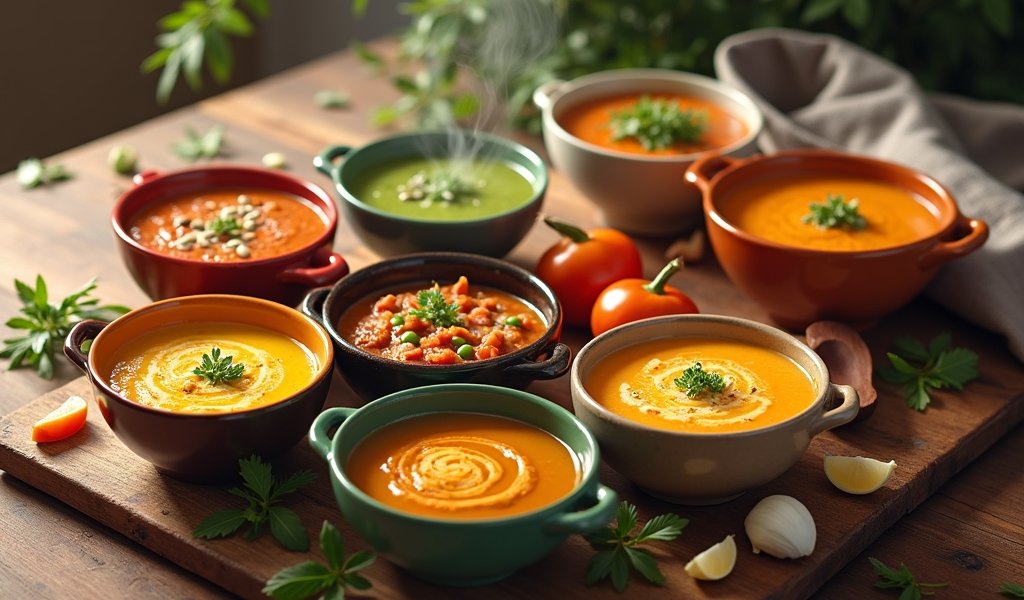
7-Day Soup Diet Meal Plan
This structured plan provides a balanced approach to the soup diet. It incorporates variety while maintaining the core principles that make this approach effective. Adjust portions based on your individual needs.
Day 1: Reset Day
Breakfast: Classic cabbage soup (1.5 cups) + 1 piece of fresh fruit
Lunch: Detoxifying vegetable soup (2 cups)
Dinner: Classic cabbage soup (2 cups) + unlimited non-starchy vegetables
Snack: Small apple or pear if hungry
Day 2: Protein Focus
Breakfast: Protein-packed chicken soup (1.5 cups)
Lunch: Beef and vegetable soup (2 cups)
Dinner: Protein-packed chicken soup (2 cups) + small green salad with lemon
Snack: Bone broth (1 cup) if needed
Day 3: Vegetable Emphasis
Breakfast: Detoxifying vegetable soup (1.5 cups) + ½ grapefruit
Lunch: Fiber-rich lentil soup (2 cups)
Dinner: Metabolic-boosting tomato soup (2 cups) + steamed greens
Snack: Small serving of berries if hungry
Day 4: Mixed Approach
Breakfast: Bone broth soup (1.5 cups) + 1 boiled egg
Lunch: Cabbage soup (2 cups) + small piece of fruit
Dinner: Beef and vegetable soup (2 cups)
Snack: Vegetable sticks if needed
Day 5: Protein Boost
Breakfast: Protein-packed chicken soup (1.5 cups)
Lunch: Fiber-rich lentil soup (2 cups)
Dinner: Bone broth soup (2 cups) + 3oz grilled chicken breast
Snack: Classic cabbage soup (1 cup) if hungry
Day 6: Metabolism Day
Breakfast: Metabolic-boosting tomato soup (1.5 cups)
Lunch: Detoxifying vegetable soup (2 cups) + ½ avocado
Dinner: Protein-packed chicken soup (2 cups) + steamed vegetables
Snack: Small serving of berries if needed
Day 7: Final Push
Breakfast: Classic cabbage soup (1.5 cups) + 1 piece of fruit
Lunch: Beef and vegetable soup (2 cups)
Dinner: Your favorite soup from the week (2 cups) + mixed green salad
Snack: Bone broth (1 cup) if hungry
Tips for Success on The Soup Diet
Preparation determines success with the soup diet. Make several batches ahead of time. Store in individual portions. This eliminates decision fatigue and ensures compliance during busy days.
Hydration remains crucial. Drink at least 2 liters of water daily in addition to soup. Add lemon or cucumber for flavor without calories. Proper hydration accelerates results and reduces hunger.
Introduce variety through herbs and spices. Different seasonings transform the same base recipe into entirely new experiences. Try international flavor profiles: Italian with basil and oregano, Mexican with cumin and chili powder, or Indian with turmeric and ginger.
Light exercise complements the soup diet perfectly. Aim for 20-30 minute walks daily. Avoid intense workouts during very low-calorie phases. Gentle yoga or swimming provides movement without excessive stress on the body during caloric restriction.
Plan your transition strategy before starting. The soup diet works best when followed by a sustainable eating plan. Gradually reintroduce whole foods while maintaining soups as part of your regular rotation.
Listen to your body. If extreme fatigue or dizziness occurs, add a small protein serving or piece of fruit. The goal is health improvement, not suffering.
Bonus Tip: Consuming soup at the beginning of meals activates stretch receptors in your stomach that signal fullness to your brain. Research shows that having a small bowl of clear soup 15 minutes before your main meal can reduce total calorie intake by up to 20% without increasing hunger.
Conclusion
We only recommend products and services we have thoroughly reviewed and used. This post may contain special affiliate links which allow us to earn a small commission if you make a purchase, at no additional cost to you. However, all opinions presented here are based on our own experience and using the product.
The soup diet offers an effective reset mechanism for those seeking rapid initial results. Its power lies in simplicity. By providing nutrient-dense, low-calorie options, this approach creates the ideal conditions for short-term weight loss.
Remember that success extends beyond the scale. Many participants report improved energy, reduced inflammation, and decreased cravings for processed foods. These benefits create momentum for lasting lifestyle changes.
The seven proven recipes provided offer variety within structure. Each addresses specific nutritional needs while maintaining the core principles that make soup-based diets effective.
While not a permanent solution, the soup diet serves as an excellent entry point to healthier eating patterns. The skills developed—batch cooking, prioritizing vegetables, mindful eating—transfer to sustainable lifestyle practices.
At Achieve Health Goals, we encourage a balanced approach to nutrition and weight management. The soup diet represents one effective tool within a comprehensive health strategy. Start with these proven recipes, monitor your results, and adapt the principles to your ongoing health journey.
Frequently Asked Questions
How much weight can I lose on the soup diet?
Most people lose 5-10 pounds during a 7-day soup diet. Individual results vary based on starting weight, metabolic factors, and strict adherence to the plan.
Can I exercise while on the soup diet?
Light exercise like walking or gentle yoga is recommended. Avoid intense workouts during very low-calorie phases as your energy reserves will be limited.
Is the soup diet safe for everyone?
The soup diet isn’t suitable for pregnant women, those with certain medical conditions, or individuals on specific medications. Consult your healthcare provider before starting.
Can I add salt to my soup recipes?
Minimize added salt to reduce water retention and maximize results. Use herbs, spices, garlic, and lemon for flavor instead.
What’s the best way to transition off the soup diet?
Gradually reintroduce whole foods like lean proteins, fruits, and whole grains. Continue including soup as a meal starter to maintain portion control.