
Overview
This article explores fitness from a biological perspective, explaining how our bodies adapt to exercise at the cellular level through evolutionary mechanisms, genetic factors, and measurable physiological responses. It emphasizes that true biological fitness extends beyond gym metrics to include efficient oxygen utilization, cellular adaptations, and personalized approaches that work with one’s unique biology rather than against it.
Table of Contents
- Understanding Fitness Biology: The Science Behind Physical Well-being
- The Evolutionary Perspective on Physical Capacity
- Cellular Adaptations: How Your Body Responds to Exercise
- Genetic Factors in Physical Performance
- Measuring Biological Fitness: Beyond the Gym Metrics
- Practical Applications: Using Biology to Enhance Your Fitness Journey
- Conclusion: Embracing Your Biological Potential
- Frequently Asked Questions
Understanding Fitness Biology: The Science Behind Physical Well-being
When we discuss fitness definition biology, we’re exploring how our bodies naturally adapt and respond to physical challenges. The biological concept of fitness extends far beyond treadmills and weight rooms—it encompasses how effectively our bodies function to meet environmental demands and maintain optimal health.
From a scientific perspective, fitness represents your body’s capability to perform daily tasks with vigor while maintaining energy reserves for leisure activities and emergencies. This comprehensive view integrates multiple biological systems, including muscular, cardiovascular, respiratory, and metabolic functions.
The biological foundation of fitness isn’t simply about appearing toned or lifting impressive weights. Rather, it reflects how efficiently your cells utilize oxygen, how rapidly your heart rate recovers after exertion, and how effectively your muscles generate and use energy.
The Evolutionary Perspective on Physical Capacity
Our bodies evolved over millennia to be remarkably adaptable. From an evolutionary standpoint, physical fitness once determined survival—those with superior stamina, strength, and agility could hunt successfully, escape predators, and endure harsh environments.
This evolutionary heritage explains why our bodies respond so profoundly to physical challenges. When we engage in consistent exercise, we activate ancient adaptive mechanisms designed to help us thrive under physical stress. These adaptations include increased muscle fiber density, enhanced cardiovascular efficiency, and improved metabolic regulation.
According to research published in Scientific Reports, our evolutionary past shaped specific fitness adaptations that continue to influence modern human physiology. Understanding these ancestral patterns helps explain why certain types of movement feel natural and produce substantial benefits.
Cellular Adaptations: How Your Body Responds to Exercise
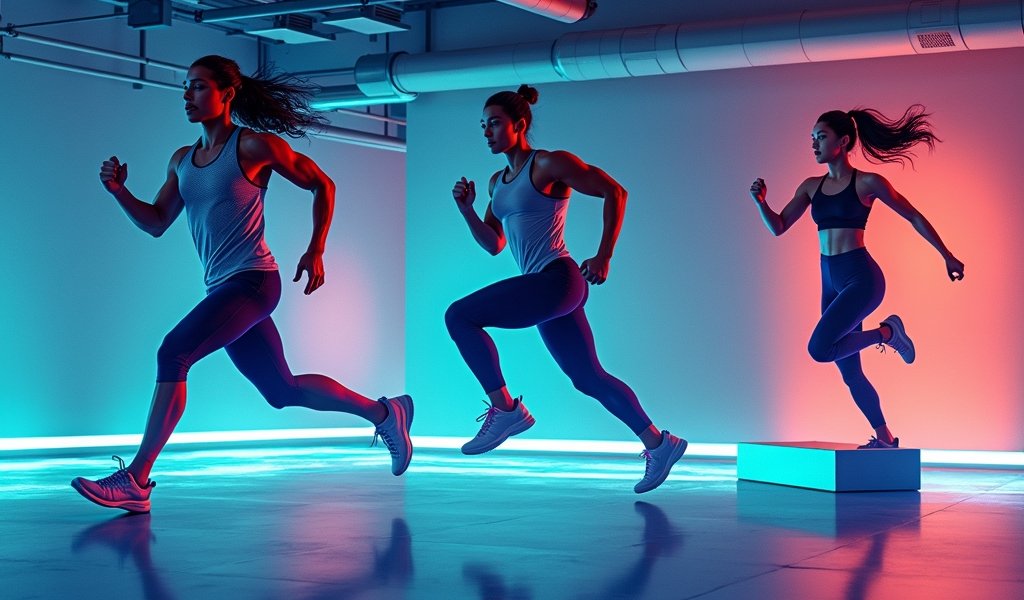
At the microscopic level, exercise triggers remarkable changes within your cells. These cellular adaptations form the foundation of improved fitness and represent some of the most fascinating aspects of fitness definition biology.
When you engage in cardiovascular activities, your body responds by:
- Increasing mitochondrial density in muscle cells
- Enhancing oxygen transport through improved capillary networks
- Optimizing enzymatic activity for more efficient energy production
- Strengthening cardiac muscle to improve blood pumping capacity
Similarly, resistance training stimulates specific cellular responses:
- Triggering protein synthesis for muscle fiber growth
- Strengthening connective tissues including tendons and ligaments
- Improving neuromuscular communication for better strength and coordination
- Enhancing bone density through mechanical loading
These cellular changes don’t happen overnight. The science of exercise adaptation shows that consistency creates cumulative improvements. Your body’s remarkable ability to transform at the cellular level exemplifies biological efficiency—adapting precisely to the specific demands you place upon it.
Genetic Factors in Physical Performance
Our genetic makeup significantly influences how we respond to exercise, recover from workouts, and develop various fitness components. While genetics don’t determine your destiny, they do establish a framework that affects your natural proclivities and potential.
Some key genetic factors that influence fitness include:
- Muscle fiber type distribution (fast-twitch vs. slow-twitch predominance)
- Natural aerobic capacity and VO2 max potential
- Recovery efficiency and inflammatory response patterns
- Metabolic tendencies and nutrient processing
Understanding your genetic predispositions can help tailor your fitness approach. For example, someone with a higher proportion of slow-twitch muscle fibers might excel in endurance activities, while those with more fast-twitch fibers could have advantages in power and sprint events.
Dr. Claude Bouchard, a pioneer in fitness genetics research, explains that while genetic factors influence our starting point and certain aspects of our response to training, consistent effort remains the primary driver of fitness improvements for most individuals, as noted in his comprehensive studies.
Measuring Biological Fitness: Beyond the Gym Metrics
When considering fitness definition biology, traditional gym measurements like weight lifted or miles run tell only part of the story. Biological fitness encompasses numerous measurable aspects that provide deeper insights into your overall well-being.
Comprehensive biological fitness assessments might include:
- Resting heart rate and heart rate variability
- Blood biomarkers including inflammatory markers and hormonal profiles
- Body composition beyond simple weight measurements
- Metabolic efficiency during both rest and activity
- Respiratory capacity including VO2 max and breathing efficiency
These biological indicators often reveal improvements long before visible changes appear. For example, positive shifts in insulin sensitivity and inflammation markers can occur within days of beginning a consistent exercise routine, well before any noticeable weight change or muscle development.
Health-related fitness components provide a framework for understanding how biological improvements translate to functional capabilities. These components include cardiovascular endurance, muscular strength, muscular endurance, flexibility, and body composition—each reflecting different aspects of biological adaptation.
Practical Applications: Using Biology to Enhance Your Fitness Journey
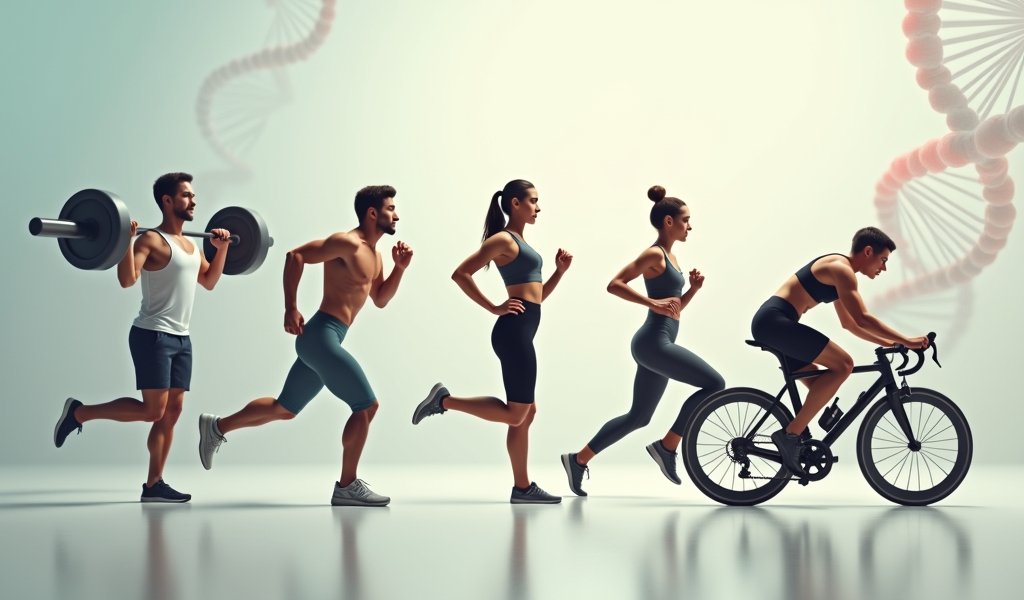
Understanding fitness definition biology empowers you to work with your body’s natural processes rather than against them. This knowledge helps create more effective, sustainable fitness approaches tailored to your unique biology.
Consider these practical applications:
- Respect recovery cycles: Allow adequate time between intense sessions for cellular repair and adaptation to occur
- Vary movement patterns: Diverse stimuli trigger more comprehensive biological adaptations
- Progress gradually: Biological adaptation requires consistent, progressive challenges rather than sporadic intense efforts
- Consider circadian rhythms: Time workouts to align with your body’s natural hormonal fluctuations
- Personalize nutrition: Fuel your activities based on your specific metabolic needs and activity patterns
According to research in the Journal of Applied Physiology, individualized approaches considering biological factors produce superior results compared to generic fitness prescriptions. By honoring your unique biological makeup, you can optimize both performance and health outcomes.
Conclusion: Embracing Your Biological Potential
The journey through fitness definition biology reveals that our bodies are remarkable adaptive systems, constantly responding to the demands we place upon them. By understanding these biological mechanisms, we gain powerful insights into optimizing our physical capabilities and overall health.
Remember that biological fitness isn’t merely about aesthetic goals or performance metrics—it represents your body’s functional capacity to thrive in daily life. The improvements in cellular health, metabolic efficiency, and systemic function that come from appropriate physical activity benefit everything from cognitive function to emotional well-being.
As you continue your fitness journey, approach it with patience and curiosity about how your unique biology responds to different stimuli. The most sustainable progress comes from working with your body’s natural processes rather than forcing outcomes that might not align with your biological reality.
Ultimately, fitness from a biological perspective is less about comparison to others and more about optimizing your personal potential. By respecting the fascinating biological systems that underpin physical capacity, you can develop a more effective, enjoyable, and sustainable approach to fitness that serves you for a lifetime.
Frequently Asked Questions
What does fitness mean in biological terms?
In biology, fitness refers to an organism’s ability to survive and reproduce in its environment. For humans, it encompasses how well our bodies function, adapt to stress, and maintain health through efficient physiological systems.
How does biology influence exercise performance?
Biology affects exercise through genetic factors, hormonal responses, metabolic efficiency, and recovery capabilities. These biological elements create a framework that influences how we respond to training stimuli and develop physical capabilities.
Can I change my biological fitness potential?
While genetic factors establish certain baselines, most aspects of biological fitness are highly adaptable through consistent training. Regular exercise can significantly improve cellular, metabolic, and systemic function regardless of genetic starting points.
How quickly do biological adaptations to exercise occur?
Some adaptations begin within hours after exercise, like improved insulin sensitivity. More substantial changes like increased mitochondrial density or muscle fiber development typically require 4-12 weeks of consistent training.
Is biological fitness the same as physical fitness?
Biological fitness encompasses the underlying physiological functions that support physical performance. Physical fitness typically refers to measurable capabilities like strength or endurance, while biological fitness includes the cellular, metabolic, and systemic foundations enabling those capabilities.
Pingback: 5 Top Fitness Synonym Hacks for Gains - achievehealthgoals.com