
Overview
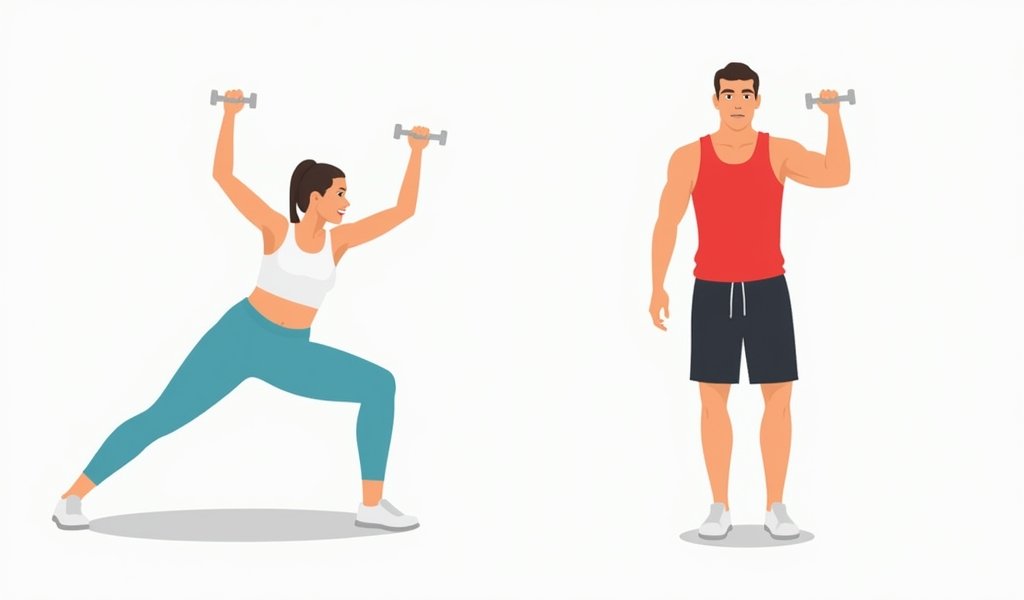
This article presents seven effective exercise alternatives to traditional workouts, including cardiovascular options like swimming and rowing, strength training with resistance bands, core conditioning through Pilates, flexibility training through yoga, HIIT variations, low-impact alternatives, and mind-body fusion exercises. The piece emphasizes how exercise diversification prevents plateaus, reduces injuries, and maintains motivation while addressing different fitness components for long-term success.
Table of Contents
- The Movement Revolution: Breaking Free from Workout Monotony
- 1. Cardiovascular Alternatives: Dance with Your Heart
- 2. Strength Training Beyond Traditional Weights: The Power Revolution
- 3. Core Conditioning: Beyond Basic Crunches
- 4. Flexibility Training Reimagined: The Art of Bending Without Breaking
- 5. HIIT Variations: Time-Efficient Transformations
- 6. Low-Impact Magic: Gentle Yet Powerful Alternatives
- 7. Mind-Body Fusion: The Mindful Movement Revolution
- Your Fitness Symphony: Creating Harmony Through Variety
- Frequently Asked Questions
The Movement Revolution: Breaking Free from Workout Monotony
Finding the perfect exercise synonym might be your ticket to fitness longevity. The human body, a marvel of adaptation, quickly acclimates to repetitive movement patterns—making your once-challenging workout routine about as stimulating as watching paint dry. This phenomenon, known as the plateau effect, isn’t just frustrating; it’s your body’s natural efficiency mechanism at work.
As a health professional who’s guided countless individuals through fitness transformations, I’ve witnessed the power of workout diversification firsthand. Like a master chef who knows that substituting ingredients transforms familiar dishes into culinary masterpieces, savvy exercisers understand that swapping traditional workouts for effective alternatives can revolutionize results.
Whether you’re battling workout boredom, hitting a progress plateau, or simply seeking to improve your overall health-related fitness, these seven proven exercise synonyms will breathe new life into your regimen. Think of them as movement translations—different languages that communicate the same powerful message of strength, endurance, and vitality to your body.
1. Cardiovascular Alternatives: Dance with Your Heart
Traditional running has long reigned as cardio royalty, but your heart doesn’t care how you elevate its rhythm—only that you do. Like rivers finding multiple paths to the ocean, your cardiovascular fitness can flow through numerous channels.
Swimming: The Weightless Wonder
Immerse yourself in the blue embrace of water, and you’ll discover a cardiovascular paradise that burns up to 700 calories hourly while being exceptionally gentle on joints. The water’s resistance provides a 360-degree strength workout as you glide through it—engaging muscles that running barely acknowledges. For those nursing injuries or managing arthritis, swimming offers a refreshing respite from impact while maintaining cardiovascular intensity.
Rowing: The Full-Body Symphony
Perhaps the most underappreciated cardiovascular exercise, rowing orchestrates approximately 86% of your muscles into a synchronized performance of power and endurance. This pulling motion creates balanced strength development that complements the pushing movements most exercises emphasize—a cardiovascular yin to strength training’s yang. According to research published in Sports Medicine, rowing provides comparable cardiovascular benefits to running with significantly less joint stress.
Dance Fitness: Joy in Motion
Transform cardio from obligation to celebration through dance-based fitness programs like Zumba, hip-hop cardio, or even social dancing. The varied movements create neurological challenges that boost brain health while the music-driven energy makes time fly. Most participants don’t even realize they’re working at moderate-to-high intensity—the hallmark of sustainable exercise.
2. Strength Training Beyond Traditional Weights: The Power Revolution
While barbells and dumbbells have sculpted countless physiques, alternative strength approaches can be equally effective and sometimes more accessible. Consider these strength synonyms when traditional weight rooms feel intimidating or impractical.
Resistance Bands: Portable Powerhouses
These colorful elastic wonders provide progressive resistance that increases throughout the movement—challenging muscles in ways free weights cannot. Unlike fixed weights that maintain constant resistance, bands peak their challenge where muscles are typically strongest. This travel-friendly gym fits in any drawer or suitcase, making strength training possible anywhere life takes you.
Suspension Training: Gravity Redefined
Systems like TRX leverage your body weight against gravity using adjustable straps, creating an infinite variety of resistance levels. By changing body position, you can progress from beginner to advanced without purchasing additional equipment. The instability factor recruits deep stabilizing muscles that traditional strength training often misses, developing functional strength that translates directly to daily activities.
Bodyweight Mastery: Your Built-In Gym
Your body is sophisticated exercise equipment that goes wherever you do. Progressive calisthenics—systematically advancing bodyweight movements through leverage and positioning changes—builds impressive strength while improving body awareness. Advanced practitioners demonstrate that movements like one-arm push-ups and pistol squats can be as challenging as any weighted exercise when properly progressed.
3. Core Conditioning: Beyond Basic Crunches
Traditional crunches target only a fraction of your core musculature while potentially straining your neck. These core synonyms deliver comprehensive midsection conditioning without the drawbacks.
Pilates: Precision Core Cultivation
Developed by Joseph Pilates in the early 20th century, this systematic approach emphasizes control, precision, and flowing movement. Exercises like the Hundred, Rolling Like a Ball, and Teaser challenge your core from every conceivable angle while improving flexibility and body awareness. Many practitioners report feeling “taller” and more aligned after regular sessions—a testament to the postural benefits beyond mere abdominal strengthening.
Functional Core Training: Real-World Strength
Your core evolved to stabilize your spine during movement, not to perform endless repetitions of forward flexion. Exercises like Pallof presses, farmer’s carries, and anti-rotation holds train your core the way it’s designed to function—as a stabilizer during real-world movements. This approach builds practical strength that supports everything from carrying groceries to playing with children.
Sample Core Circuit:
- Bird-dog holds (10 seconds each side, 3 repetitions)
- Side planks with rotation (8 per side)
- Dead bug variations (12 repetitions)
- Stability ball jackknife (10 repetitions)
Perform this sequence three times through with minimal rest between exercises for an effective core workout that targets your midsection from multiple angles while protecting your spine.
4. Flexibility Training Reimagined: The Art of Bending Without Breaking
Static stretching has long dominated flexibility training, but alternative approaches often deliver superior results with additional benefits. Consider these flexibility synonyms for improved range of motion and injury prevention.
Yoga: Ancient Wisdom for Modern Bodies
This centuries-old practice blends strength, flexibility, and mindfulness into a comprehensive movement experience. Like a river smoothing rough stones over time, regular yoga practice gradually increases range of motion while building awareness of physical limitations. From gentle Yin yoga (holding passive stretches for several minutes) to dynamic Vinyasa flows, the variety within yoga means there’s an appropriate style for every fitness level and goal.
Dynamic Flexibility: Movement Preparation
Rather than holding static positions, dynamic flexibility involves controlled movements through progressively increasing ranges of motion. Think of it as your body’s dress rehearsal before the main performance. Movements like leg swings, arm circles, and walking lunges with a twist prepare tissues for activity while improving mobility—making them ideal before workouts and sports.
Myofascial Release: The Tissue Treatment
Foam rollers, massage balls, and similar tools allow self-administered pressure to release tension in connective tissue (fascia) that can restrict movement. This approach addresses the root cause of many flexibility limitations—tissue adhesions and trigger points—rather than just stretching around these restrictions. Regular myofascial work creates lasting improvements in tissue quality that translate to enhanced movement freedom.
5. HIIT Variations: Time-Efficient Transformations
Traditional sprint intervals deliver impressive cardiovascular benefits in minimal time, but alternative HIIT approaches can provide similar advantages through different movement patterns. These HIIT synonyms offer efficiency without monotony.
Circuit Training: Station-to-Station Intensity
Circuit training combines strength and cardiovascular exercise by moving quickly between different resistance exercises with minimal rest. Like a well-orchestrated symphony, each station targets different muscle groups, allowing one area to recover while another works. This approach maintains an elevated heart rate while building strength endurance—a true training two-for-one.
Tabata Protocol: The Four-Minute Miracle
This ultra-efficient protocol involves 20 seconds of maximum effort followed by 10 seconds of rest, repeated for eight rounds. Originally developed for Olympic speed skaters, Tabata training can be applied to almost any exercise—from bodyweight movements to kettlebell work. Though brief, these four-minute sessions produce remarkable cardiovascular improvements when performed with genuine maximum intensity, as demonstrated by Dr. Tabata’s original research.
Sample HIIT Workout:
- Warm-up: 5 minutes of dynamic movement
- Main workout: 4 rounds of 40 seconds work/20 seconds rest:
- Kettlebell swings
- Push-up variations
- Bodyweight squats
- Mountain climbers
- Cool-down: 5 minutes of gentle movement and stretching
This 20-minute workout delivers comprehensive benefits in a fraction of the time of traditional training approaches, making it perfect for busy schedules.
6. Low-Impact Magic: Gentle Yet Powerful Alternatives
When joints need a break but your fitness journey can’t stop, low-impact alternatives provide the perfect solution. These gentle exercise synonyms deliver results without the pounding.
Elliptical Training: The Floating Stride
The elliptical machine mimics running motion while eliminating impact forces. Your feet never leave the pedals, creating a gliding sensation that spares joints while maintaining cardiovascular challenge. The movable handles on many models add an upper-body component, increasing calorie burn and creating a more balanced workout than treadmill running.
Water Exercise: The Buoyant Workout
The natural buoyancy of water reduces impact by up to 90% while its resistance challenges muscles in all directions. Like workout machines that adjust to your strength level, water provides resistance proportional to effort—the harder you push, the more it pushes back. From structured aqua aerobics to deep water running, aquatic exercise provides versatility for all fitness levels.
Tai Chi: Moving Meditation
Often described as “meditation in motion,” this ancient Chinese practice involves slow, deliberate movements coordinated with breath. Like a river that appears calm on the surface yet has powerful currents below, Tai Chi builds surprising strength and balance through subtle, controlled movements. Research shows significant benefits for balance, stress reduction, and fall prevention—particularly valuable for older adults or those recovering from injuries.
7. Mind-Body Fusion: The Mindful Movement Revolution
In our high-stress world, exercise that addresses both physical and mental wellbeing offers exceptional value. These mind-body synonyms train your muscles and nervous system simultaneously.
Qigong: Energy Cultivation
This traditional Chinese system combines gentle movement, breathing, and mental focus to improve what practitioners call “life energy” or “qi.” Like tending a garden, regular Qigong practice cultivates internal vitality through deliberate, flowing movements. Research supports its effectiveness for stress reduction, immune function enhancement, and improved overall wellbeing, making it a powerful addition to any fitness regimen.
Mindful Strength Training: Presence in Power
Any strength exercise becomes mindful when performed with complete attention to physical sensations, movement quality, and breath. This approach transforms ordinary workouts into opportunities for mental training and stress reduction. The enhanced mind-muscle connection typically improves movement quality and results while reducing injury risk—a true win-win for body and mind.
Breathwork Training: The Respiratory Revolution
Specialized breathing techniques can activate different aspects of your nervous system, triggering relaxation or energy as needed. From box breathing (inhaling, holding, exhaling, and holding for equal counts) to more advanced practices, deliberate breath control offers portable stress management and recovery enhancement. Recent research from the Journal of Integrative Medicine demonstrates how specific breathing patterns can measurably reduce stress hormones and improve recovery between workouts.
Your Fitness Symphony: Creating Harmony Through Variety
Like a wise investor who diversifies their portfolio, the savvy fitness enthusiast varies their exercise selections across different modalities. This approach builds well-rounded fitness while preventing both mental burnout and physical overuse injuries.
Remember that exercise effectiveness comes not from what you do occasionally but from what you do consistently. The best workout isn’t the one that burns the most calories or targets the most muscle fibers—it’s the one you’ll actually perform regularly with proper form and appropriate intensity.
By incorporating alternatives from these seven categories, you create a comprehensive program that addresses all fitness components while maintaining freshness and engagement. When traditional exercises feel stale or your body needs a change, these exercise synonyms provide the perfect language to communicate with your body in new, effective ways.
The path to lasting fitness isn’t a straight line but a winding journey of exploration and discovery. As you experiment with these alternatives, pay attention to how your body responds and which activities bring you the most joy. Physical activity should never feel like punishment—it’s a celebration of what your body can do and a investment in what it will continue to do for years to come.
Before embarking on any new exercise regimen, particularly if you have existing health concerns or have been inactive, consult with healthcare professionals to ensure the approaches you select are appropriate for your individual circumstances. And remember—learning how to spell “exercise” correctly is far easier than making it a consistent part of your life, but with these diverse options, you’re well-equipped for success.
Frequently Asked Questions
What are the benefits of using exercise synonyms in my workout routine?
Exercise synonyms prevent plateaus, reduce overuse injuries, and combat workout boredom. They ensure complete fitness development by targeting muscles and energy systems in varied ways.
How often should I change my workout routine?
Minor changes every 2-3 weeks and major program shifts every 8-12 weeks maintain progress while preventing plateaus. Listen to your body—when exercises feel too easy or progress stalls, it’s time for a change.
Can beginners use these exercise alternatives?
Absolutely! Many alternatives like swimming, resistance bands, and mindful movement are ideal for beginners. Start with professional guidance to ensure proper form and appropriate progression.
Will using different exercises slow my progress toward specific goals?
Thoughtfully selected exercise variations actually accelerate progress by preventing plateaus and overtraining. The key is choosing alternatives that train similar movement patterns or energy systems while providing novel stimuli.
How do I know which exercise synonym is best for my specific needs?
Consider your goals, physical limitations, available equipment, and personal preferences. The best exercise is ultimately the one you’ll perform consistently with proper form and appropriate intensity.