
Overview
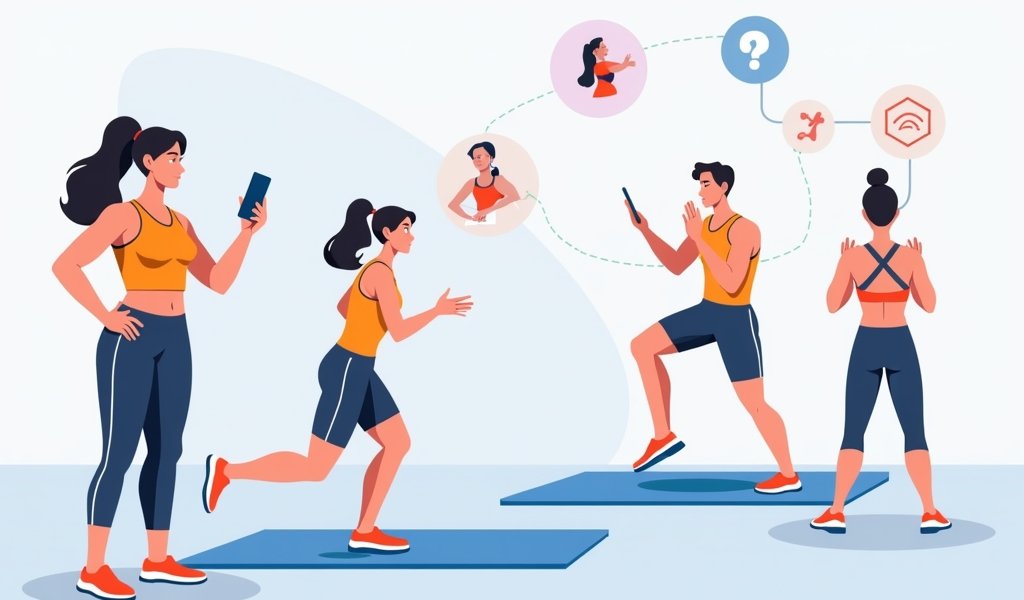
Forget those intimidating fitness influencers with their protein-powder partnerships and impossible abs—this article showcases five affordable fitness apps (MyFitnessPal, Strava, Nike Training Club, Headspace, and Fitbit) that democratize wellness by making it accessible to everyone, not just the spandex elite. These digital tools transform fitness from an exclusive club into an enjoyable, sustainable journey by offering features like nutrition tracking, workout guidance, meditation support, activity monitoring, and social accountability while emphasizing balanced habits over obsessive tracking.
Table of Contents
- Redefining Fitness: Making Wellness Accessible for Everyone
- MyFitnessPal: Your Nutrition Companion
- Strava: Making Every Mile Count
- Nike Training Club: Your Pocket Personal Trainer
- Headspace: Fitness for Your Mind
- Fitbit: Tracking Your Wellness Journey
- How Fitness Apps Build Lasting Healthy Habits
- The Accountability Factor: Social Features and Gamification
- Finding Balance: When Tracking Becomes Too Much
- Conclusion: Your Wellness Journey Made Simple
- Frequently Asked Questions
Redefining Fitness: Making Wellness Accessible for Everyone
Let’s be honest—fitness has gotten a bad rap. For too long, achieving wellness goals has been portrayed as expensive, elitist, and unrealistically demanding. But here’s the truth: fitness belongs to everyone, not just those with designer activewear and unlimited gym budgets.
In my years as a fitness coach, I’ve seen countless people intimidated by the seemingly high barriers to entry. The good news? Technology is changing the game. Today’s fitness apps are democratizing wellness, making it more approachable, enjoyable, and sustainable for real people with real lives.
The right digital tools can transform how we approach our health, offering personalized guidance without judgment or unrealistic expectations. Whether you’re just starting out or looking to refresh your routine, these apps meet you where you are—no fancy equipment or expensive memberships required.
In this guide, we’ll explore five exceptional fitness apps that can help you achieve your wellness goals while fitting seamlessly into your lifestyle. From nutrition tracking to mental wellbeing, these affordable (and in some cases free) resources prove that meaningful fitness progress doesn’t require massive life disruption or emptying your wallet.
MyFitnessPal: Your Nutrition Companion
When it comes to achieving wellness goals, what happens in the kitchen matters just as much as what happens in the gym. That’s where MyFitnessPal shines as one of the most comprehensive nutrition tracking apps available today.
The beauty of MyFitnessPal lies in its massive food database—containing over 14 million items. Whether you’re enjoying a home-cooked meal or grabbing something on the go, chances are the app can help you log it accurately. Just scan a barcode, search the database, or create custom recipes.
But MyFitnessPal isn’t just about counting calories. The app helps you understand your overall nutritional intake, tracking macronutrients (proteins, carbs, and fats) and micronutrients that contribute to your wellness goals. This insight can be eye-opening, especially when you’re trying to understand how your diet affects your energy levels and workout performance.
The free version offers plenty of functionality for most users, though premium features (like deeper nutrient analysis and meal plans) are available for those wanting more guidance. I especially appreciate how MyFitnessPal integrates with other fitness apps and devices, creating a more complete picture of your health journey.
What truly sets this app apart is its non-judgmental approach to food tracking. Rather than labeling foods as “good” or “bad,” it simply provides information that helps you make more mindful choices aligned with your personal health goals. This balanced perspective works well with Mediterranean diet approaches or any eating style you prefer.
For beginners, MyFitnessPal’s user-friendly interface makes nutrition tracking less intimidating. The app doesn’t expect perfection—it’s designed for real people who occasionally enjoy birthday cake or order takeout. This realistic approach helps build sustainable habits rather than restrictive diets that inevitably fail.

Strava: Making Every Mile Count
If you’ve ever felt the satisfaction of completing a run or bike ride, Strava takes that feeling and amplifies it. This app transforms everyday activities into meaningful experiences by combining accurate tracking with a vibrant community of fellow enthusiasts.
At its core, Strava records your outdoor activities using GPS—mapping your route, pace, elevation, and more. But what makes it special is how it turns fitness data into stories. Each workout becomes a shareable achievement complete with photos, comments, and kudos from friends.
Don’t let the app’s popularity among serious athletes fool you. Strava welcomes everyone, from first-time joggers to seasoned cyclists. The interface is intuitive and user-friendly, allowing you to track progress at your own pace without pressure.
One of Strava’s most motivating features is segments—specific stretches of road or trail where you can compete against yourself or others. These friendly competitions can provide just the right amount of motivation to push a little harder or venture out on days when the couch seems more appealing.
The free version offers impressive functionality, though premium subscribers gain access to additional training analysis, route planning, and goal-setting features. Even without paying, you’ll benefit from challenges, badges, and detailed activity feeds that make movement more enjoyable.
What I love most about Strava is how it celebrates all efforts—not just the fastest or longest. A short walk counts just as much as a marathon in this supportive community. This inclusive approach aligns perfectly with sustainable fitness philosophies and research showing that social connections improve exercise adherence.
By turning outdoor activities into social experiences, Strava helps make fitness a natural, enjoyable part of life rather than another chore on your to-do list. Whether you’re tracking solo adventures or connecting with friends, this app reminds us that movement should be celebrated.
Nike Training Club: Your Pocket Personal Trainer
Remember when quality workout guidance required expensive personal training sessions? Nike Training Club (NTC) has completely transformed that reality by offering professional-level workout guidance completely free of charge.
This generous app provides access to hundreds of workouts led by certified Nike trainers, covering everything from quick 15-minute sessions to comprehensive training programs. Each workout includes clear video demonstrations, timing cues, and modifications to accommodate different fitness levels.
What makes NTC particularly special is its inclusivity. The app features diverse trainers and participants of various body types, ages, and abilities—a refreshing change from the often homogeneous fitness industry. This representation matters, helping more people see themselves in wellness spaces.
The workout variety is impressive, with options for any situation: no-equipment routines for hotel rooms, targeted strength sessions, yoga flows, and high-intensity intervals. This versatility means you’re never stuck doing the same boring routine, which is crucial for long-term adherence.
Nike Training Club excels at program design, offering multi-week plans that progress intelligently based on your goals. Whether you’re aiming to build strength, increase endurance, or complement a plant-based meal plan with appropriate exercise, the app provides structured guidance that rivals professional coaching.
The integration of mindfulness practices alongside physical training reflects current understanding about holistic fitness. According to research on exercise psychology, this comprehensive approach helps develop sustainable habits rather than quick fixes.
For beginners who might feel intimidated by fitness environments, NTC creates a judgment-free zone to learn and grow. The app emphasizes progress over perfection, encouraging users to celebrate improvements in form, consistency, and overall wellbeing rather than focusing solely on aesthetic outcomes.
Headspace: Fitness for Your Mind
When we talk about wellness goals, the conversation often centers around physical fitness while mental wellbeing gets sidelined. Headspace challenges that imbalance by positioning mental fitness as equally important—and the science increasingly agrees.
This meditation and mindfulness app stands out for its approachable, non-mystical take on mental training. Headspace makes meditation accessible through guided sessions designed for real people living busy lives. The friendly animations and straightforward language demystify practices that might otherwise seem intimidating.
For fitness enthusiasts, Headspace offers specific content addressing common challenges: performance anxiety, recovery mindset, sleep improvement, and stress management. These targeted sessions can help optimize your physical training by addressing the mental barriers that often limit progress.
The app’s structure makes habit formation remarkably simple. Sessions as short as 3-5 minutes can fit into even the busiest schedules, while progress tracking and gentle reminders help maintain consistency. This gradual approach aligns with research showing that small, consistent practice yields meaningful results.
While Headspace requires a subscription after the free trial, many users find the investment worthwhile for the quality of instruction and extensive content library. The sleep content alone—including soundscapes, sleep stories, and wind-down exercises—often justifies the cost for those struggling with rest and recovery.
What makes Headspace particularly valuable for fitness journeys is how it addresses the mental challenges that often derail physical goals. Perfectionism, all-or-nothing thinking, and negative self-talk frequently sabotage wellness efforts. The app’s compassionate approach helps develop mental resilience alongside physical strength.
By including Headspace in a holistic fitness plan, you acknowledge that true wellness encompasses both body and mind—a perspective that supports sustainable progress rather than quick fixes or extreme measures that inevitably backfire.
Fitbit: Tracking Your Wellness Journey
The Fitbit ecosystem offers perhaps the most comprehensive approach to overall wellness tracking, extending far beyond the simple step counters of years past. Whether you use the app alone or pair it with a Fitbit device, this platform provides valuable insights into your daily activity patterns.
What sets Fitbit apart is its holistic tracking capabilities. Beyond counting steps, the app monitors sleep quality, heart rate patterns, stress levels, and activity intensity—painting a more complete picture of your wellness. This comprehensive data helps identify connections between different aspects of health that might otherwise remain invisible.
The sleep tracking features deserve special mention. Quality rest is fundamental to fitness progress yet often overlooked. Fitbit’s detailed sleep analysis helps users understand their sleep cycles, identify disruption patterns, and implement changes that improve recovery—an essential component of any effective fitness program.
Fitbit’s approach to goal-setting emphasizes gradual progress rather than dramatic transformations. The app celebrates consistency and small improvements, encouraging sustainable habit formation rather than short-term intensity that leads to burnout. This philosophy aligns perfectly with current behavioral science on lasting change.
While Fitbit devices enhance the experience, the free app offers significant value on its own. You can manually log workouts, track water intake, and monitor nutrition—creating helpful awareness even without the additional sensors. This accessibility makes it a good starting point for those new to health tracking.
The community aspects of Fitbit provide gentle accountability without pressure. Friendly competitions, challenges, and achievement badges add a playful element that makes maintaining wellness habits more enjoyable. These social features support consistency according to research on group dynamics in health behaviors.
For those following a whole food meal plan or any nutrition strategy, Fitbit’s food logging and nutrient tracking complement physical activity data to provide a more complete wellness picture. This integration helps users understand how various lifestyle factors interact to support overall health.
How Fitness Apps Build Lasting Healthy Habits
The true value of fitness apps extends far beyond tracking metrics—they serve as powerful habit-building tools when used thoughtfully. By incorporating behavioral science principles, these digital companions can help transform occasional healthy choices into automatic routines.
First, apps excel at reducing friction. When workout guidance, tracking, and motivation live in your pocket, you eliminate many common barriers to consistency. The reduced mental effort means you’re more likely to follow through, especially during busy or stressful periods when willpower is depleted.
The regular reminders and notifications may seem simple, but they leverage the psychological principle of cues—environmental triggers that prompt specific behaviors. Over time, these digital nudges help establish routines that eventually become self-sustaining as your brain associates certain times, places, or situations with healthy actions.
Progress visualization represents another powerful habit-building mechanism. Seeing improvements—whether in workout performance, consistency streaks, or health markers—activates reward pathways in the brain. This positive reinforcement strengthens neural connections that support continued behavior, creating a virtuous cycle.
Many fitness apps incorporate milestone celebrations and rewards, acknowledging achievements both large and small. This recognition satisfies our innate need for competence and accomplishment, providing motivation during periods when physical results might plateau or become less noticeable.
Perhaps most importantly, well-designed fitness apps help establish identity-based habits. When tracking becomes a normal part of your routine, you begin to see yourself as “someone who exercises” or “a person who prioritizes health.” This identity shift is incredibly powerful for long-term behavior maintenance according to research on habit formation.
The flexibility of fitness apps also supports habit adaptation during life transitions—allowing your wellness routines to evolve rather than disappear when circumstances change. This adaptability increases the likelihood that healthy habits will persist through vacations, busy work periods, or other disruptions.
The Accountability Factor: Social Features and Gamification
One of the most powerful aspects of modern fitness apps is how they’ve transformed personal health practices into connected experiences. These social and gamified elements tap into fundamental human motivations, making consistency more enjoyable and sustainable.
The ability to share workouts, achievements, and progress creates natural accountability without the pressure or expense of traditional arrangements like personal training. Knowing friends might see your activity (or notice your inactivity) provides just enough external motivation to tip the scales on days when internal drive is lacking.
Friendly competitions—whether step challenges, workout streaks, or training volume—add playful stakes to everyday health behaviors. These contests work because they activate our natural inclination toward social comparison and achievement without creating unhealthy pressure. The temporary, rotating nature of many app challenges keeps the experience fresh and engaging.
Leaderboards and rankings might seem trivial, but they tap into powerful motivational psychology. Seeing your name move up (or trying to maintain a position) activates goal-pursuit systems in the brain. For many users, this gentle competitive element transforms routine activities into more engaging experiences.
Badge systems and achievement unlocks borrow directly from game design principles. These virtual rewards acknowledge milestones and consistency, providing satisfaction each time you level up or earn a new recognition. Though purely digital, these acknowledgments satisfy our psychological need for competence and progress.
Community features like groups, clubs, and forums create belonging—another fundamental human motivation. Finding others with similar goals or challenges helps normalize the ups and downs of fitness journeys. This social connection reduces the isolation that often contributes to abandoning health goals.
The beauty of app-based accountability is its adjustable nature. You control visibility settings, challenge participation, and connection levels—allowing you to calibrate social pressure to your personal preferences and current needs. This flexibility means the system can evolve with you over time.
Finding Balance: When Tracking Becomes Too Much
While fitness apps offer tremendous benefits, it’s important to acknowledge potential pitfalls—particularly around tracking intensity and metric fixation. Finding the right balance ensures these tools enhance rather than detract from your wellness experience.
The most common concern involves developing an unhealthy obsession with numbers. When tracking shifts from helpful awareness to compulsive checking, it can generate unnecessary stress and anxiety. This phenomenon, sometimes called “metrics fixation,” may actually undermine the wellness goals these tools are meant to support.
Watch for warning signs that tracking might be becoming problematic: feeling significant distress when unable to log activities, making social choices based primarily on tracking opportunities, or experiencing mood changes tied to metrics rather than how you actually feel. These indicators suggest it might be time to reassess your relationship with tracking.
For some individuals, particularly those with histories of disordered eating or exercise patterns, certain tracking features may trigger unhealthy thoughts or behaviors. If you notice tracking exacerbating perfectionistic tendencies or negative self-talk, consider adjusting settings or taking breaks from specific measurement types.
A healthy approach involves using tracking as information rather than judgment. The data these apps collect should serve as neutral feedback that helps inform choices—not as a scorecard that determines your worth or success. This mindset shift makes a tremendous difference in how tracking affects your wellbeing.
Consider implementing regular “tracking holidays”—planned breaks where you set aside measurement tools and reconnect with intuitive signals from your body. These intervals help prevent dependency and reinforce that apps are tools supporting your journey, not defining it.
Remember that many aspects of wellness simply can’t be quantified. Joy in movement, the mental clarity after exercise, connection with others, and improved stress resilience all represent valuable benefits that won’t appear in your app metrics but significantly impact quality of life.
Conclusion: Your Wellness Journey Made Simple
The fitness landscape has evolved dramatically, and these five apps—MyFitnessPal, Strava, Nike Training Club, Headspace, and Fitbit—represent the best of what technology offers for accessible, enjoyable wellness. Together, they address the full spectrum of health needs without demanding unrealistic commitments or resources.
What makes these digital tools truly valuable is their ability to meet you where you are. Whether you’re just beginning to explore fitness or looking to refine an established routine, these apps offer flexible support that adapts to your changing needs and circumstances.
The democratization of fitness resources represents a significant shift from the industry’s previously exclusive approach. Quality guidance, tracking tools, and supportive communities are now available to virtually everyone with a smartphone—removing barriers that once made wellness seem unattainable for many.
As you explore these apps, remember that they’re meant to serve your wellness journey, not define it. Use them thoughtfully, embracing the features that enhance your experience while feeling empowered to customize or limit aspects that don’t serve your individual needs.
The ultimate goal isn’t perfect tracking or flawless adherence to any program. Rather, it’s developing a sustainable relationship with fitness that enhances your life rather than complicating it. These apps, when used mindfully, can help transform wellness from an intimidating obligation into an integrated, enjoyable aspect of your everyday experience.
Your fitness journey belongs to you—not to social media standards, not to outdated stereotypes about what “fitness” looks like. These accessible tools can help you discover and maintain the version of wellness that genuinely works for your life, your body, and your personal goals.
Frequently Asked Questions
Which fitness app is best for complete beginners?
Nike Training Club offers the most beginner-friendly experience with clear instructions, modification options, and programs specifically designed for newcomers. The free content and supportive approach make it particularly accessible for those just starting their fitness journey.
Do I need to pay for these fitness apps to get real benefits?
No, all five apps offer substantial free features that provide significant value without any payment. While premium versions add extra functionality, the free versions contain more than enough to support most wellness goals effectively.
Can fitness apps really replace working with a personal trainer?
For many people, especially beginners and intermediate exercisers, these apps provide comparable guidance to working with a trainer at a fraction of the cost. However, those with specific medical concerns, rehabilitation needs, or elite performance goals may still benefit from personalized professional guidance.
How do I avoid becoming obsessed with tracking my fitness metrics?
Set boundaries by designating specific times to check your apps rather than constant monitoring. Regularly take “tracking holidays” where you exercise based on how your body feels rather than numbers, helping maintain a healthy relationship with fitness technology.
Which app is most important if I can only use one?
If limited to a single app, choose based on your primary wellness goal: MyFitnessPal for nutrition awareness, Nike Training Club for workout guidance, Headspace for stress management, or Fitbit for overall activity tracking. The most valuable app is the one addressing your personal priority area.