
Overview
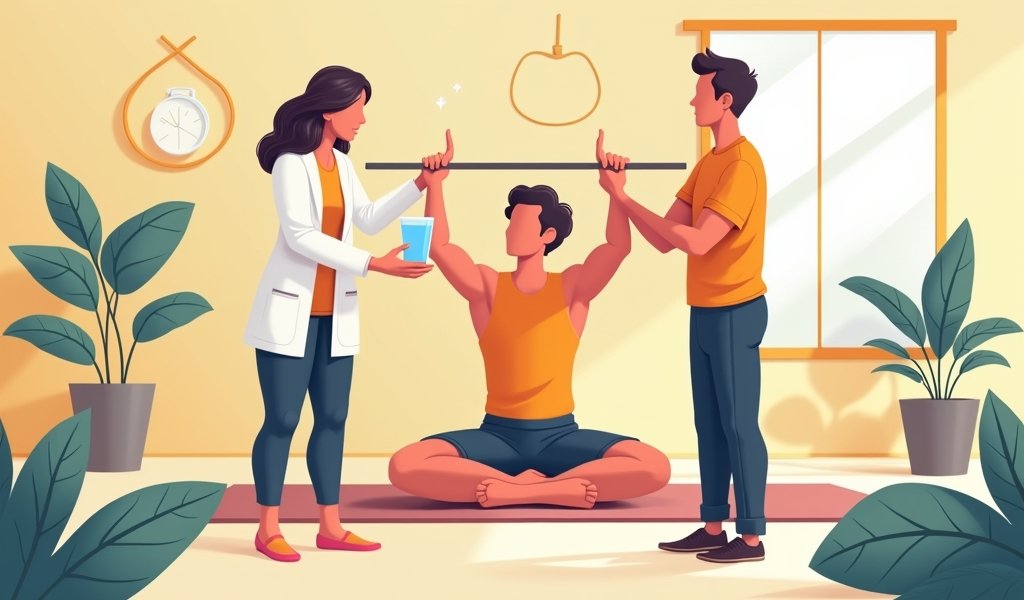
Like a workplace superhero with multiple capes but no spandex, today’s wellness coordinators implement ten powerful strategies to boost employee wellbeing—from conducting needs assessments and creating inclusive programs to leveraging technology and focusing on mental health integration. Successful wellness initiatives require strategic communication, sustainable design, ongoing education, continuous evaluation, and strong partnerships, ultimately delivering benefits for both employees and organizations through improved health outcomes, reduced costs, and enhanced workplace culture.
Table of Contents
- Introduction
- The Evolving Role of Wellness Coordinators
- Strategy 1: Conduct a Comprehensive Needs Assessment
- Strategy 2: Create Inclusive Fitness Programming
- Strategy 3: Build Effective Incentive Programs
- Strategy 4: Leverage Technology Solutions
- Strategy 5: Develop Strategic Partnerships
- Strategy 6: Focus on Mental Wellness Integration
- Strategy 7: Implement Effective Communication Channels
- Strategy 8: Design for Sustainability
- Strategy 9: Provide Ongoing Education
- Strategy 10: Continuous Evaluation and Adaptation
- Conclusion
- Frequently Asked Questions
Introduction
In today’s high-pressure work environments, wellness coordinators have become essential advocates for employee health and organizational vitality. As burnout rates climb and chronic health conditions impact productivity, organizations increasingly recognize that investing in employee wellbeing isn’t just compassionate—it’s smart business.
Wellness coordinators stand at the intersection of health promotion, program development, and organizational culture change. These professionals transform workplace health from an afterthought to a strategic advantage through thoughtfully designed initiatives that address physical, mental, and social wellbeing.
The impact is substantial. According to the Centers for Disease Control and Prevention, effective workplace wellness programs can reduce healthcare costs, decrease absenteeism, and improve employee productivity. What’s more, companies with robust wellness initiatives report higher employee satisfaction and improved talent retention.
At Achieve Health Goals, we’ve collaborated with hundreds of fitness directors and wellness professionals to identify strategies that truly move the needle on participant engagement and health outcomes. This guide shares ten proven approaches that successful wellness coordinators implement to create vibrant, impactful programs.
The Evolving Role of Wellness Coordinators
The wellness coordinator position has undergone remarkable transformation over the past decade. What once centered primarily on organizing walking challenges and lunch-and-learns has evolved into a multifaceted strategic role that influences organizational culture and employee experience.
Today’s wellness coordinators wear many hats: they’re data analysts tracking program metrics, communicators promoting healthy initiatives, strategists aligning wellness with business objectives, and coaches supporting behavior change. Their scope has expanded beyond physical fitness to encompass mental health support, financial wellness, work-life integration, and social connection.
Research from the International Foundation of Employee Benefit Plans shows that comprehensive wellness programs deliver approximately $3 in healthcare savings for every $1 invested. This ROI has elevated the wellness coordinator role from a nice-to-have position to an essential contributor to organizational success.
The most effective wellness professionals understand that their work isn’t just about getting employees to exercise more—it’s about creating environments where healthier choices become the easier choices. They influence everything from cafeteria options to meeting structures to workplace design, all with an eye toward fostering wellbeing throughout the organization.
Strategy 1: Conduct a Comprehensive Needs Assessment
The foundation of any successful wellness program begins with understanding what participants actually need and want—not what we assume they require. Skipping this step is like prescribing medication without a diagnosis.
Effective needs assessments combine multiple data sources:
- Anonymous surveys exploring health interests, barriers, and preferences
- Aggregate health risk data identifying prevalent conditions
- Focus groups providing qualitative insights
- Utilization data from existing programs
The questions you ask matter tremendously. Beyond simply asking “what activities interest you?” successful wellness coordinators dig deeper: When would you participate? What prevents you from engaging now? What health areas concern you most? This nuanced information guides program design that addresses real barriers rather than assumed ones.
One healthcare organization discovered through their assessment that while stress management ranked as employees’ top concern, traditional meditation classes had poor attendance. Further investigation revealed that staff wanted active stress-relief techniques they could use during brief breaks. This insight led to the development of “Stress-Break Stations” with guided 5-minute movement routines that saw 78% higher participation than previous offerings.
Remember that needs assessments aren’t one-and-done activities. The most successful wellness coordinators reassess regularly, recognizing that participant needs evolve with changing work conditions, seasons, and organizational priorities.
Strategy 2: Create Inclusive Fitness Programming
Inclusivity isn’t just a buzzword—it’s essential for program success. When participants feel an activity is “not for people like me,” engagement plummets regardless of how beneficial the offering might be.
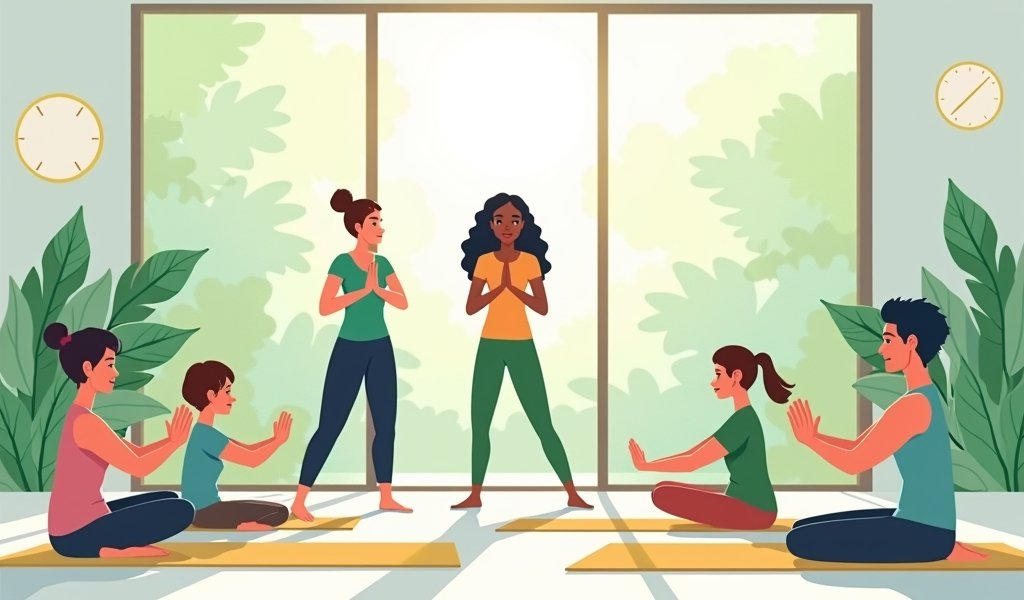
Truly inclusive fitness programs accommodate various fitness levels, abilities, schedules, and interests. Instead of offering a single high-intensity boot camp, consider providing tiered options: gentle movement, moderate intensity, and high intensity versions of similar activities.
Language matters tremendously in creating inclusive environments. Avoid terminology that might intimidate beginners or reinforce negative fitness experiences. Frame activities around benefits (“Strength for Daily Living”) rather than appearance-focused outcomes (“Beach Body Bootcamp”).
Accessibility considerations should be built into program design from the beginning. This includes:
- Providing modifications for all fitness levels and abilities
- Offering programs at various times to accommodate different schedules
- Creating both in-person and virtual options
- Ensuring physical spaces are accessible to all participants
Cultural relevance also influences inclusion. One university wellness program saw participation from international students triple after introducing activities reflecting diverse movement traditions, from Bollywood dance fitness to tai chi. The key insight was recognizing that “fitness” isn’t culturally universal—movement takes many forms across different communities.
Remember that truly inclusive programs welcome participants exactly as they are while providing pathways for growth. This balanced approach helps beginners feel comfortable while giving more advanced participants room to progress.
Strategy 3: Build Effective Incentive Programs
While intrinsic motivation (doing something because it feels good) ultimately drives lasting behavior change, thoughtfully designed incentives can jumpstart participation and help people discover those intrinsic rewards.
Research from the RAND Corporation confirms that well-designed incentive programs can significantly boost wellness program participation rates. However, not all incentives work equally well.
The most effective incentive structures typically include:
- Immediate small rewards for getting started
- Progress-based incentives for continued participation
- Meaningful larger rewards for significant achievements
- Recognition elements that leverage social motivation
One manufacturing company found that their participation jumped 63% when they switched from a single large prize drawing to a tiered system where everyone reaching certain milestones received guaranteed rewards. The certainty of earning something (even something small) proved more motivating than the possibility of winning something big.
Beyond financial incentives, consider what behavioral economists call “choice architecture”—making healthy options more convenient and accessible. This might include making stairwells more attractive than elevators, providing healthy snacks at meetings, or allowing wellness activities during paid work hours.
Successful wellness coordinators also understand that different incentives motivate different people. While some respond to financial rewards, others are motivated by time off, public recognition, or the opportunity to support charitable causes. Offering choice in rewards can increase their effectiveness across diverse participant groups.
Strategy 4: Leverage Technology Solutions
Technology has revolutionized how wellness programs operate, extending reach beyond physical workspaces and scheduled events to support health behaviors anytime, anywhere.
Effective wellness coordinators use digital tools to:
- Track participation and engagement metrics
- Facilitate team and individual challenges
- Deliver educational content and reminders
- Create social connection among participants
- Provide personalized recommendations and feedback
Wearable devices and health apps have transformed activity tracking from tedious manual logging to automated data collection. This not only improves accuracy but reduces participant burden—a crucial factor in sustained engagement.
Virtual programming, which accelerated during the pandemic, remains valuable for reaching remote workers and accommodating varied schedules. A university wellness program found that offering on-demand workout libraries increased participation among staff with variable schedules by 47% compared to scheduled classes alone.
While technology offers tremendous benefits, successful wellness coordinators recognize its limitations. Digital solutions complement rather than replace human connection and personal support. The most effective programs use technology to extend reach and streamline operations while maintaining the high-touch elements that drive meaningful engagement.
Strategy 5: Develop Strategic Partnerships
Even the most energetic wellness coordinators can’t be experts in everything. Strategic partnerships expand your capacity, expertise, and resources without expanding your budget or burnout risk.
Local fitness facilities often welcome corporate partnerships that bring them potential new members. Negotiating discounted rates, hosting special events, or bringing instructors on-site creates mutual value. One healthcare system arranged “fitness field trips” where employees could try local studios with group discounts, creating a win for both participants and local businesses.
Health providers and specialists bring credibility and specialized knowledge to wellness programs. Partnering with nutritionists, physical therapists, mental health professionals, or sleep specialists adds depth to your offerings. These partnerships often come at little or no cost since providers gain exposure to potential clients.
Community organizations offer another partnership avenue. Farmers markets, community gardens, volunteer organizations, and educational institutions all provide resources that enhance wellbeing across multiple dimensions. One corporate wellness program partnered with a local food bank to create volunteer opportunities that combined physical activity with social purpose—addressing both health and community connection.
Internal partnerships matter too. Successful wellness coordinators collaborate across departments, working with facilities teams on environmental improvements, IT on technology integration, and leadership on policy support. These cross-functional relationships embed wellbeing throughout the organizational structure rather than isolating it in a single program.
Strategy 6: Focus on Mental Wellness Integration
Mental wellbeing has moved from the periphery to the center of comprehensive wellness programming, and for good reason. Research confirms that mental and physical health are deeply interconnected, with each influencing the other through multiple pathways.
Effective mental wellness integration includes:
- Movement-based stress reduction programs like yoga and tai chi
- Mindfulness training in accessible formats
- Education about the mind-body connection
- Stress management techniques that fit into busy schedules
- Social connection opportunities that combat isolation
One corporate wellness program created a popular “Brain Breaks” initiative featuring 2-minute mindfulness practices and simple desk exercises specifically designed to reset mental focus during high-stress workdays. The program’s success came from addressing real workplace challenges with practical solutions that didn’t require special equipment or significant time commitments.
Language and framing matter tremendously when promoting mental wellness offerings. Terms like “resilience” and “mental performance” often receive better reception than “mental health” in workplace settings. This isn’t about avoiding important topics but about using entry points that feel accessible to those who might otherwise hesitate to participate.
For senior populations, mental wellness programs that combine social interaction with cognitive stimulation show particularly strong benefits. Group-based activities that challenge both mind and body help address the cognitive health concerns that often accompany aging.
Strategy 7: Implement Effective Communication Channels
Even the most brilliantly designed wellness program will fail without effective communication. Participants can’t engage with opportunities they don’t know about or don’t understand.
Successful wellness coordinators treat program communication as strategic marketing, not just informational announcements. This means:
- Understanding different audience segments and their communication preferences
- Crafting messages that highlight benefits meaningful to those specific segments
- Using multiple channels to reach people where they already pay attention
- Creating visually appealing materials that stand out in busy information environments
Message timing and frequency require careful balance. Too little communication means programs get forgotten; too much creates tune-out. One effective approach is the “drip campaign” model, where a new program receives heavier promotion initially, followed by regular but less frequent reminders.
Storytelling outperforms statistics in wellness communication. Participant testimonials, day-in-the-life examples, and success stories create emotional connection that abstract health benefits can’t match. One manufacturing company saw program registration increase 34% after switching from fact-based promotions to employee stories highlighting how wellness activities improved their daily lives.
Two-way communication channels are equally important. Creating easy feedback mechanisms helps wellness coordinators identify and address barriers quickly. Simple tools like QR codes linking to brief feedback forms or anonymous suggestion boxes can provide invaluable insights about program perception and experience.
Strategy 8: Design for Sustainability
The wellness landscape is littered with abandoned initiatives that started strong but faded quickly. Designing for sustainability means creating programs built for the long haul rather than just the launch.
Sustainable programs typically share these characteristics:
- Integration with existing workflows and organizational rhythms
- Reasonable resource requirements that can be maintained over time
- Built-in flexibility to adapt to changing needs and circumstances
- Progressive structure that keeps participants engaged as they advance
- Clear alignment with organizational values and objectives
The science of behavior change offers important insights for sustainability. According to research published in the American Journal of Preventive Medicine, habits form most effectively when they’re triggered by consistent cues, require minimal effort, and provide immediate positive feedback. Successful wellness coordinators design programs that incorporate these elements rather than relying on willpower alone.
One healthcare organization replaced their annual weight loss challenge with a year-round “Healthy Habits” program where participants earned points for consistent behaviors rather than outcomes. The switch increased sustained participation by 67% while improving long-term health markers more effectively than the previous approach.
Environmental sustainability matters too. Programs requiring extensive materials, constant new purchases, or significant waste generation create both ecological impact and budget strain. Simple, resource-light initiatives often prove more sustainable in multiple senses of the word.
Strategy 9: Provide Ongoing Education
Effective wellness programs don’t just tell people what to do—they help participants understand why certain behaviors matter and how to implement them successfully. This educational component builds health literacy that supports informed decision-making long after specific programs end.
Educational content should be:
- Evidence-based yet accessible to non-specialists
- Practical with clear applications to daily life
- Engaging through varied formats (videos, infographics, interactive sessions)
- Respectful of different learning styles and knowledge levels
Myth-busting proves particularly valuable in wellness education. In an era of information overload and contradictory health claims, helping participants distinguish fact from fiction builds both knowledge and trust. One corporate wellness program created a monthly “Health Headlines Decoded” newsletter addressing trending health topics with evidence-based explanations in plain language.
Skill-building workshops provide hands-on learning that theoretical knowledge alone can’t deliver. Sessions on meal preparation, proper exercise form, stress management techniques, or sleep hygiene practices give participants practical tools they can immediately apply. These workshops also build community as participants learn and practice together.
The most successful educational approaches recognize that people learn differently. Providing information in multiple formats—written materials, videos, interactive workshops, peer discussions—ensures that different learning preferences are accommodated and reinforces key messages through varied exposures.
Strategy 10: Continuous Evaluation and Adaptation
The difference between good and great wellness programs often comes down to evaluation and adaptation. Rather than set-it-and-forget-it approaches, successful initiatives continuously gather data and refine strategies based on what’s working.
Effective evaluation includes multiple metrics:
- Participation rates and demographics
- Engagement quality and duration
- Participant satisfaction and feedback
- Health outcome measures where appropriate
- Business impact indicators (absenteeism, productivity, healthcare costs)
Both quantitative and qualitative data provide valuable insights. Participation numbers tell you how many people showed up; satisfaction surveys and focus groups tell you why they came (or didn’t) and what they experienced. Together, these data sources create a comprehensive picture of program performance.
The most valuable evaluation actually happens when things don’t go as planned. One university wellness program discovered through mid-point assessment that their walking challenge participation dropped dramatically after three weeks. Rather than considering this a failure, they redesigned the challenge with weekly mini-goals and team competition elements, resulting in 78% better completion rates in the next iteration.
Transparency about evaluation results builds trust with both participants and organizational leaders. Sharing what’s working, what’s not, and how you’re adapting demonstrates commitment to genuine improvement rather than just maintaining appearances. This honesty actually increases program credibility and support over time.
Conclusion
Effective wellness coordination is both an art and a science. It requires understanding human behavior, organizational dynamics, and health principles while maintaining the creativity and adaptability to meet people where they are.
The ten strategies outlined here represent the collective wisdom of successful wellness coordinators who’ve moved beyond one-size-fits-all approaches to create programs that truly engage participants and deliver meaningful outcomes. From comprehensive needs assessment to continuous evaluation, each strategy builds upon the others to create a robust foundation for wellness program success.
Remember that the goal isn’t perfection but progress. Even small improvements in participation, engagement, or health behaviors represent real value for both individuals and organizations. By applying these proven approaches and adapting them to your specific context, you can create wellness initiatives that don’t just exist on paper but become woven into the fabric of your organization’s culture.
The journey toward better health rarely follows a straight line. As a wellness coordinator, your role is to make that journey a bit easier, more enjoyable, and more successful for the people you serve. These strategies provide the roadmap—your passion and creativity provide the fuel that makes the journey possible.
Frequently Asked Questions
What qualifications do you need to become a wellness coordinator?
Most wellness coordinator positions require a bachelor’s degree in health promotion, exercise science, public health, or a related field. Additional certifications in health coaching, fitness instruction, or wellness program management can strengthen qualifications.
How do wellness coordinators measure program success?
Success metrics typically include participation rates, engagement levels, participant satisfaction, health outcome improvements, and organizational impacts like reduced absenteeism. The most effective measurement approaches combine both quantitative data and qualitative feedback.
What’s the difference between a wellness coordinator and a health coach?
Wellness coordinators develop and manage programs for groups or organizations, focusing on system-wide initiatives and environmental changes. Health coaches work more directly with individuals, providing personalized guidance and support for behavior change.
How much do wellness coordinators typically earn?
According to the Bureau of Labor Statistics, wellness coordinators earn median salaries between $45,000 and $65,000 annually, depending on experience, location, and organization size. Corporate positions generally offer higher compensation than community or non-profit roles.
Can wellness programs really save companies money?
Yes, well-designed wellness programs typically deliver positive ROI through reduced healthcare costs, decreased absenteeism, and improved productivity. Research shows returns averaging $3-$6 for every $1 invested in comprehensive wellness initiatives.