
Overview
Forget scrolling TikTok for stress relief—this article outlines ten evidence-based wellness practices that actually work, from physical activities and mindfulness to creative outlets and nature therapy. The core message emphasizes that combining multiple approaches into a sustainable routine creates the most effective defense against chronic stress, with even brief daily practices yielding significant physical and mental health benefits.
Table of Contents
- Understanding Stress: The Silent Health Disruptor
- The Benefits of Incorporating Wellness Activities
- Physical Activities That Combat Stress
- Mindfulness Practices for Immediate Stress Relief
- Creative Outlets as Stress Reducers
- Building Social Connections for Emotional Wellbeing
- Nature Therapy: The Healing Power of Outdoors
- Dietary Approaches to Stress Management
- Sleep Hygiene Practices for Stress Reduction
- Breathing Techniques for Instant Calm
- Creating a Sustainable Wellness Routine
- Conclusion: Your Path to a Less Stressed Life
- Frequently Asked Questions
Understanding Stress: The Silent Health Disruptor
In today’s fast-paced world, stress has become an unwelcome companion in our daily lives. As a health professional, I’ve witnessed firsthand how chronic stress can silently undermine physical and mental wellbeing over time. The good news? Effective wellness activities offer powerful tools to combat stress quickly and naturally. These evidence-based practices don’t just temporarily mask symptoms—they address the underlying physiological responses that drive stress reactions.
Stress triggers our body’s fight-or-flight response, releasing cortisol and adrenaline that, while helpful in true emergencies, can be damaging when chronically activated. According to the American Psychological Association, prolonged stress contributes to serious health conditions including heart disease, diabetes, depression, and compromised immune function. The wellness activities we’ll explore work by activating your parasympathetic nervous system—your body’s natural relaxation response.
Let’s examine ten research-backed wellness activities that can help you reduce stress quickly and effectively, creating a foundation for sustainable health and happiness.
The Benefits of Incorporating Wellness Activities
Before diving into specific stress-reduction techniques, it’s important to understand why comprehensive wellness practices are so effective. Regular engagement with wellness activities does more than just temporarily lower stress levels—it fundamentally changes how your body and mind respond to stressors.
Research published in the Journal of Psychosomatic Research demonstrates that consistent wellness practices can reduce baseline cortisol levels by up to 23% over time. This translates to improved mood stability, better cognitive function, and enhanced immune response. Additionally, people who regularly practice stress-reduction techniques often report higher life satisfaction scores and greater resilience when facing challenges.
The most effective approach combines multiple wellness activities that address different aspects of stress. Physical movement addresses bodily tension, mindfulness practices calm mental chatter, and social connections fulfill our innate need for community. By integrating various techniques into your routine, you create a robust buffer against life’s inevitable stressors.

Physical Activities That Combat Stress
Physical activity stands as one of the most powerful wellness activities for stress reduction, with benefits that extend far beyond just building muscle or burning calories. When we move our bodies, we stimulate the production of endorphins—natural mood elevators that create the famous “runner’s high” and counteract the effects of stress hormones.
1. Moderate-Intensity Aerobic Exercise
A brisk 30-minute walk, gentle jog, or bike ride can significantly reduce anxiety and tension. The beauty of moderate exercise lies in its accessibility—you don’t need to be an athlete to reap the benefits. Research from Harvard Medical School confirms that just 20-30 minutes of moderate movement can provide hours of stress relief by lowering cortisol levels and increasing endorphin production.
For maximum stress-reduction benefits, aim for consistency rather than intensity. Five 30-minute sessions spread throughout the week typically provides better stress management than one or two exhausting workouts. Find activities you genuinely enjoy—dancing, swimming, or even gardening—as you’re more likely to maintain practices that bring pleasure.
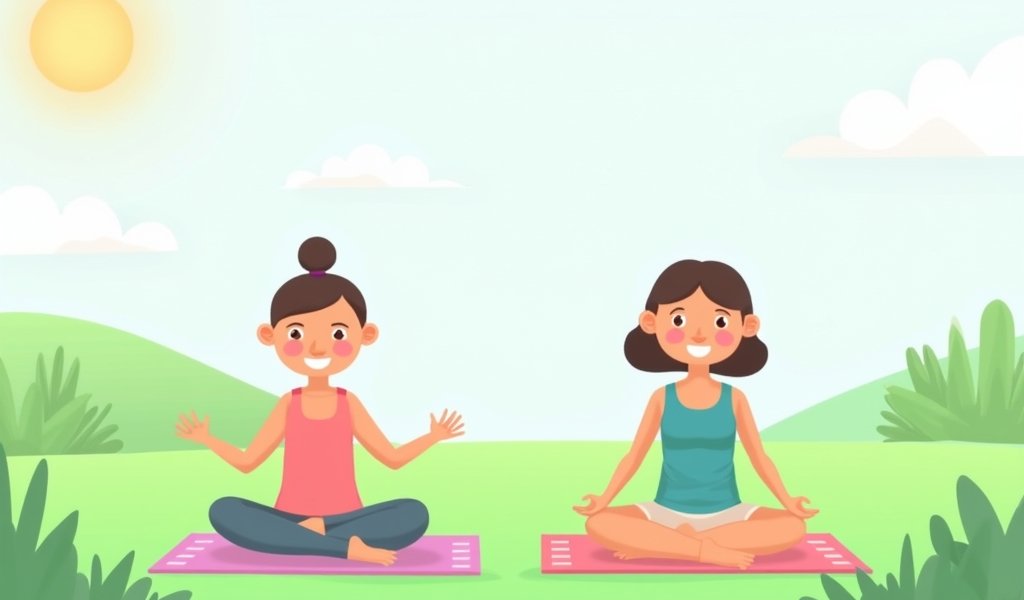
2. Yoga and Gentle Stretching
Yoga uniquely addresses both physical tension and mental stress through its combination of movement, breath control, and mindfulness. Studies consistently show that regular yoga practice reduces perceived stress levels and anxiety while improving sleep quality. Particularly effective poses include gentle forward folds, child’s pose, and legs-up-the-wall, all of which activate the parasympathetic nervous system.
Even a simple 10-minute stretching routine can release physical tension stored in the body. Focus on areas where you typically hold stress—often the neck, shoulders, and lower back. The combination of gentle movement with conscious breathing signals to your nervous system that it’s safe to relax, creating an immediate sense of relief.
Mindfulness Practices for Immediate Stress Relief
Mindfulness practices represent some of the most thoroughly researched wellness activities for stress management. These techniques work by drawing attention to the present moment, interrupting the cycle of rumination and worry that fuels stress responses. The effectiveness of mindfulness isn’t just anecdotal—it’s backed by decades of scientific research showing measurable changes in brain structure and function.
3. Meditation
Even brief meditation sessions can provide significant stress relief. A landmark study from the University of Massachusetts Medical School found that just 8 weeks of regular meditation practice produced changes in the brain’s amygdala—the region responsible for fear and stress responses. Participants reported lower perceived stress and demonstrated improved emotional regulation.
For beginners, guided meditation provides an accessible entry point. Start with just 5-10 minutes daily, focusing on your breath or using body scan techniques to identify and release tension. Apps like Headspace and Calm offer structured programs, but even simple breath awareness practiced consistently can yield remarkable benefits for stress management.
4. Mindful Movement Practices
Practices like tai chi and qigong combine gentle movement with meditative awareness, creating powerful stress-reduction effects. These mind-body wellness activities have been shown to decrease stress hormones while improving mood and sleep quality. The slow, deliberate movements facilitate a state of “moving meditation” that calms the nervous system.
These practices are particularly valuable for those who find seated meditation challenging, as they provide a physical outlet for restless energy while still cultivating mindful awareness. Even simple mindful walking—paying close attention to the sensations of each step—can serve as an effective stress management tool accessible anywhere, anytime.
Creative Outlets as Stress Reducers
Creative expression offers powerful pathways to stress reduction that are often overlooked in traditional wellness discussions. Engaging in creative activities can induce a flow state—a deeply absorbing experience where time seems to disappear and worries temporarily fade. This psychological state has been linked to reduced anxiety and increased feelings of wellbeing.
5. Expressive Arts
Activities like drawing, painting, or sculpting provide valuable stress relief regardless of artistic skill. The process itself—not the final product—delivers the therapeutic benefit. Art therapy research demonstrates that creative expression helps process emotions that may be difficult to verbalize, providing an outlet for stress that might otherwise remain trapped in the body.
You don’t need formal training or expensive supplies to benefit. Simple activities like coloring in adult coloring books has been shown to significantly reduce anxiety levels. The rhythmic, repetitive nature of many artistic processes has a meditative quality that naturally calms the nervous system while providing a healthy outlet for emotional expression.
6. Music and Sound Therapy
Both creating and listening to music offer remarkable stress-reduction benefits. Playing an instrument or singing stimulates the brain’s reward centers while simultaneously reducing cortisol levels. For those who don’t play music, simply listening to calming music can lower blood pressure, heart rate, and stress hormone levels in as little as 10 minutes.
Sound healing practices using singing bowls, tuning forks, or nature sounds can further enhance relaxation. These sound therapies work by entraining brainwaves to slower, more peaceful patterns. Even humming or toning—making sustained vocal sounds—can stimulate the vagus nerve, activating the body’s relaxation response.
Building Social Connections for Emotional Wellbeing
Human connection represents one of our most powerful tools for stress management. Extensive research shows that positive social interactions trigger the release of oxytocin—sometimes called the “bonding hormone”—which directly counteracts stress hormones. In fact, strong social support correlates more strongly with longevity than many traditional health metrics like blood pressure or cholesterol levels.
7. Meaningful Social Interaction
Quality matters more than quantity when it comes to social connections. Even brief, meaningful exchanges can significantly reduce stress levels. A study from the University of Michigan found that just 10 minutes of conversation with a trusted friend or family member can improve cognitive function and reduce stress as effectively as more time-intensive interventions.
In today’s digital world, it’s important to prioritize in-person connections when possible. While virtual communication offers benefits, face-to-face interaction provides additional stress-reducing cues through touch, eye contact, and non-verbal communication that digital platforms can’t fully replicate. Family wellness activities that involve shared experiences create powerful bonds while simultaneously reducing stress for all participants.
Consider starting a walking group, joining a book club, or volunteering—all provide structured opportunities for meaningful connection that doubles as stress relief. The key is finding connections that feel supportive rather than draining, as not all social interaction reduces stress equally.
Nature Therapy: The Healing Power of Outdoors
Contact with natural environments provides one of the most rapid and effective forms of stress relief available. The Japanese practice of shinrin-yoku or “forest bathing” has been extensively researched, showing that just 20 minutes in a natural setting significantly lowers cortisol levels, blood pressure, and sympathetic nervous system activity (our fight-or-flight response).
8. Outdoor Immersion
You don’t need wilderness access to benefit from nature therapy. Urban parks, community gardens, or even a tree-lined street can provide stress relief. The key elements that contribute to nature’s stress-reducing effects include natural light exposure (which regulates circadian rhythms), phytoncides (beneficial compounds released by trees), negative air ions (particularly abundant near water), and the fractal patterns found in natural landscapes that our brains find inherently soothing.
For maximum benefit, engage multiple senses during your time outdoors. Listen to natural sounds, feel textures like bark or leaves, and breathe deeply to take in natural scents. These sensory experiences help anchor attention in the present moment—a core principle of mindfulness that enhances stress reduction. Even bringing elements of nature indoors through houseplants or natural materials can provide modest stress-relieving benefits.
Dietary Approaches to Stress Management
What we eat significantly impacts our body’s stress response. Certain dietary wellness activities can either exacerbate or alleviate stress through their effects on gut health, inflammation, and neurotransmitter production. The gut-brain connection has emerged as a critical pathway through which nutrition influences mood and stress resilience.
9. Anti-Inflammatory Eating Patterns
Chronic inflammation increases sensitivity to stress while amplifying its negative effects. Mediterranean and traditional Asian dietary patterns—rich in colorful vegetables, omega-3 fatty acids, and fermented foods—have been shown to reduce inflammatory markers while supporting gut health. These eating patterns provide precursors to neurotransmitters like serotonin and GABA that regulate mood and stress response.
Specific foods with notable stress-reducing properties include:
- Fatty fish rich in omega-3s (salmon, sardines, mackerel)
- Dark leafy greens high in magnesium and folate
- Fermented foods containing probiotics (yogurt, kefir, kimchi)
- Berries and other antioxidant-rich fruits
- Dark chocolate (70%+ cacao) containing flavanols and small amounts of caffeine
Equally important is what to minimize—excessive caffeine, alcohol, and highly processed foods can all amplify stress responses by disrupting blood sugar, dehydrating tissues, and promoting inflammation. Timing matters too; regular, balanced meals help maintain stable blood sugar levels, preventing the energy crashes that can trigger or worsen stress responses.
Sleep Hygiene Practices for Stress Reduction
The relationship between sleep and stress operates as a bidirectional cycle—poor sleep increases stress vulnerability, while high stress disrupts sleep quality. Breaking this cycle through improved sleep hygiene represents one of the most effective wellness activities for sustainable stress management. According to research from the University of California Berkeley’s Sleep and Neuroimaging Lab, even one night of insufficient sleep can increase anxiety levels by up to 30%.
10. Sleep Optimization Techniques
Establishing consistent sleep and wake times—even on weekends—helps synchronize your circadian rhythms, improving both sleep quality and stress resilience. Creating a calming pre-sleep routine signals to your body that it’s time to transition from alertness to rest. Effective components might include gentle stretching, reading (from paper, not screens), or a warm bath, which triggers a natural drop in core temperature that facilitates sleep onset.
Environmental factors significantly impact sleep quality. Maintain a cool (65-68°F/18-20°C), dark, and quiet bedroom environment. Consider using blackout curtains, white noise machines, or earplugs if needed. The blue light emitted by electronic screens is particularly disruptive to melatonin production, so aim to disconnect from devices at least 60 minutes before bedtime.
For those struggling with stress-related insomnia, cognitive behavioral therapy for insomnia (CBT-I) has been shown to be more effective than medication for long-term sleep improvement. This approach addresses the thought patterns and behaviors that perpetuate sleep difficulties rather than just temporarily inducing sleep.
Breathing Techniques for Instant Calm
Conscious breathing represents perhaps the most immediate and accessible stress management tool available. The way we breathe directly influences our autonomic nervous system—the controller of our stress response. Rapid, shallow breathing triggers and sustains the sympathetic “fight-or-flight” response, while slow, deep breathing activates the parasympathetic “rest-and-digest” system.
The 4-7-8 breathing technique, developed by Dr. Andrew Weil, has demonstrated remarkable efficiency for rapid stress reduction. It involves inhaling quietly through the nose for 4 counts, holding the breath for 7 counts, and exhaling completely through the mouth for 8 counts. This pattern increases oxygen saturation while triggering the vagus nerve, which controls parasympathetic activation.
Box breathing (also called square breathing) provides another effective approach, especially in acute stress situations. Inhale for 4 counts, hold for 4 counts, exhale for 4 counts, and hold empty lungs for 4 counts. This technique is used by Navy SEALs and other high-performance professionals to maintain calm under extreme pressure. Just 2 minutes of practice can significantly lower heart rate and blood pressure.
Creating a Sustainable Wellness Routine
The most effective approach to stress management doesn’t rely on a single wellness activity but rather combines multiple strategies into a personalized routine. Research on habit formation suggests that small, consistent actions yield better results than occasional intensive efforts. Start by selecting one or two stress-reduction techniques that resonate with you, then gradually expand your repertoire.
Consider the principle of habit stacking—attaching new wellness activities to existing habits to increase adherence. For example, practice deep breathing while waiting for your morning coffee to brew, or do a brief stretching routine immediately after brushing your teeth. This strategy reduces the activation energy required to maintain practices.
Track your results to maintain motivation. Notice how different wellness activities affect your stress levels, sleep quality, energy, and mood. This mindful awareness helps identify which techniques provide the greatest personal benefit while reinforcing the connection between your practices and improved wellbeing.
Conclusion: Your Path to a Less Stressed Life
Implementing effective wellness activities into your daily routine provides powerful protection against the damaging effects of chronic stress. The ten evidence-based approaches we’ve explored—from physical movement and mindfulness to creative expression and social connection—offer multiple pathways to activate your body’s natural relaxation response.
Remember that consistency matters more than perfection. Even brief engagements with these wellness activities can yield significant benefits when practiced regularly. Start where you are, with what you have, and build gradually. Your body and mind will respond positively even to modest improvements in stress management practices.
The most sustainable approach combines preventative daily practices with targeted techniques for acute stress situations. By developing this dual strategy, you create both a strong foundation of resilience and effective tools for navigating life’s inevitable challenges. With practice, these wellness activities become not just stress management techniques but gateways to a more balanced, joyful experience of life itself.
Frequently Asked Questions
How quickly can wellness activities reduce stress?
Some techniques like deep breathing and mindfulness can reduce stress within minutes by activating the parasympathetic nervous system. Regular practice enhances these immediate effects and builds longer-term resilience.
Do I need special equipment for these wellness activities?
Most of the wellness activities described require little to no equipment. Simple items like comfortable clothes for exercise or a yoga mat might be helpful but aren’t essential for getting started.
How long should I practice these activities to see results?
Even 5-10 minutes of daily practice can provide noticeable benefits, with research showing significant improvements after 2-3 weeks of consistency. The effects compound over time, with more substantial benefits emerging after 8-12 weeks.
Can children benefit from these same wellness activities?
Absolutely, though the approach may need modification to suit different developmental stages. Many schools now incorporate age-appropriate mindfulness, movement, and creative expression for stress management.
What if I don’t have time for wellness activities?
Start with just 2-3 minutes of a simple practice like deep breathing or stretching. Brief “stress breaks” throughout the day are more effective than doing nothing, and you can gradually build from there.