

Overview
The watermelon diet promotes weight loss through the fruit’s high water content, low calorie density, and metabolism-boosting compounds, with benefits including appetite suppression, natural diuretic properties, and exercise performance enhancement. While effective for short-term results, experts recommend using it as part of a balanced eating plan rather than as an exclusive approach to avoid potential nutritional deficiencies and ensure sustainable weight management.
Table of Contents
- Introduction
- What Is the Watermelon Diet?
- The Science Behind Watermelon and Weight Loss
- 7 Proven Benefits for Fast Fat Loss
- Potential Drawbacks and Considerations
- How to Follow the Watermelon Diet Safely
- Real Success Stories
- Expert Opinions
- Conclusion
- Frequently Asked Questions
Introduction
Splash into summer’s sweetest secret weapon for weight loss! The watermelon diet has been making waves in fitness circles, flooding social media with before-and-after transformations that have everyone talking. We’ve noticed our inbox overflowing with questions about this refreshingly simple approach to shedding pounds.
But is this ruby-red remedy truly the juicy jackpot for fast fat loss, or just another fleeting fad? Today, we’re slicing into the evidence to separate fact from fiction and discover if watermelon might be your ticket to trimmer days ahead.
What Is the Watermelon Diet?
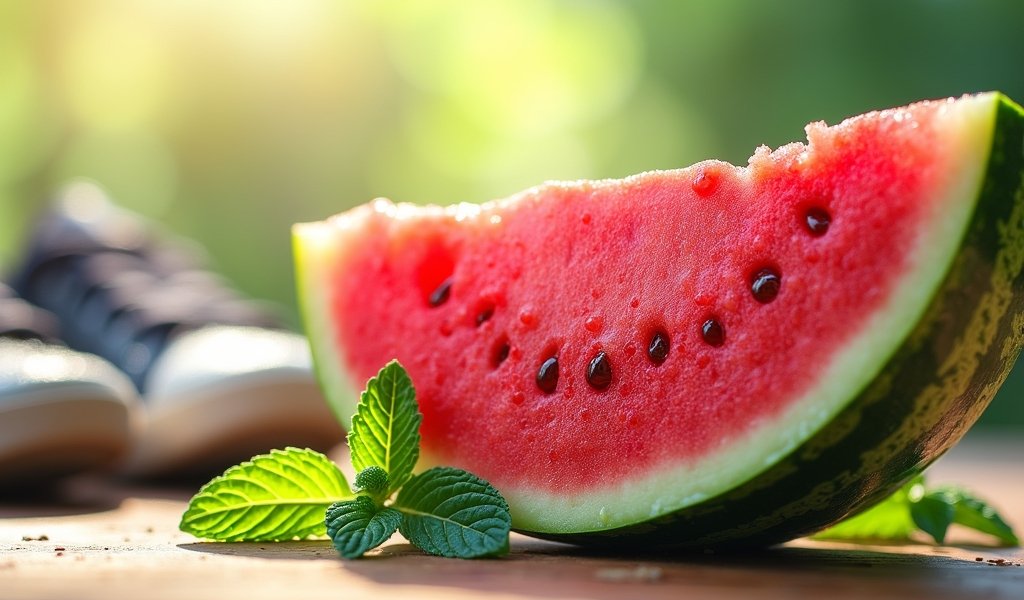
The watermelon diet isn’t a one-size-fits-all plan but rather a spectrum of approaches ranging from mild to wild. At its most extreme, it involves consuming nothing but watermelon for 3-5 days—a watermelon wonderland, if you will. More moderate versions replace one or two daily meals with this summer fruit while maintaining a balanced third meal.
Unlike other fruit-focused eating plans that incorporate a variety of produce, this approach zeros in specifically on watermelon’s unique benefits. What sets it apart is the fruit’s exceptional water content (about 92%) coupled with a specific nutrient profile that may target fat-burning mechanisms.
Think of the shorter versions (less than a week) as pressing the reset button on your system, while longer approaches strategically incorporate watermelon within a more varied eating pattern. One serves as a dietary sprint, the other a nutritional marathon—both aiming for the same finish line through different pacing strategies.
The Science Behind Watermelon and Weight Loss
Crack open the nutritional profile of watermelon and you’ll discover why it’s become a darling of the weight loss world. A cup of diced watermelon delivers a mere 46 calories while packing an impressive array of vitamins A and C, alongside powerful compounds like lycopene and citrulline.
The fruit’s remarkable water content is perhaps its most powerful ally in the battle of the bulge. Research published in the Journal of Clinical Endocrinology and Metabolism suggests that consuming water-rich foods can significantly boost metabolic rate. When your body processes watermelon, it’s essentially getting a hydration boost that requires energy expenditure—a physiological win-win!
Additionally, watermelon contains L-citrulline, which converts to L-arginine in the body. This amino acid has been shown to improve blood flow and potentially enhance the body’s fat-burning capacity during exercise. It’s like giving your metabolism a gentle nudge in the right direction while you enjoy a sweet, juicy treat that doesn’t remotely taste like “diet food.”
7 Proven Benefits for Fast Fat Loss
1. High Water Content Promotes Fullness
Ever noticed how a big bowl of watermelon keeps hunger at bay for hours? That’s no coincidence. The substantial water content acts as a natural appetite suppressant, helping you feel satisfied while consuming fewer calories. A study published in the journal Obesity found that participants who consumed water-rich foods before meals reduced their calorie intake by up to 75-90 calories per meal.
“Eat water, don’t just drink it” has become a nutritionist’s mantra for good reason. Watermelon allows you to fill your stomach with a substance that takes up space but doesn’t pile on the pounds. The result? You feel full without the caloric consequences of heavier foods.
2. Natural Diuretic Properties
Feeling bloated can add pounds to the scale and inches to your waistline, even if it’s not actual fat. Watermelon acts as a gentle, natural diuretic, helping your body flush excess water and reduce that puffy feeling that can derail motivation.
The fruit’s impressive potassium content (about 170mg per cup) helps balance sodium levels, counteracting salt-induced water retention. This potassium-sodium balancing act is crucial for proper fluid balance and can provide a visible difference within days.
3. Low Calorie Density
Holy moly, this is where watermelon really shines! With only 0.3 calories per gram, it ranks among the lowest calorie-dense foods on the planet—allowing you to eat until satisfied while keeping total calories in check.
To put this into perspective, compare watermelon’s 0.3 calories per gram to cheese (4 calories per gram) or nuts (6 calories per gram). You could enjoy more than 13 cups of watermelon for the same caloric cost as a single cup of almonds! This volume-eating approach lets you satisfy your natural desire to eat substantial portions without derailing your weight loss efforts.
4. Metabolism-Boosting Compounds
Watermelon doesn’t just sit pretty in your digestive system—it actively contributes to metabolic processes through its amino acid content. L-citrulline, found abundantly in watermelon rind and flesh, converts to L-arginine in the body, which is a precursor to nitric oxide.
Nitric oxide acts as a vasodilator, improving blood circulation and delivering oxygen and nutrients more efficiently to muscles during exercise. A 2016 study in the Journal of Applied Physiology found that citrulline supplementation enhanced exercise performance and reduced fatigue, potentially allowing for longer, more effective workouts that torch more calories.
5. Blood Sugar Regulation
Despite its sweet taste, watermelon has a surprisingly manageable impact on blood sugar levels when consumed in reasonable portions. While its glycemic index is moderately high (72), its glycemic load—which accounts for both quality and quantity of carbohydrates—is low (only 2-3 per serving) due to its high water content.
The fruit also contains small amounts of fiber, which slows digestion and helps prevent the sharp insulin spikes that can trigger fat storage. A more stable blood sugar environment creates optimal conditions for your body to release stored fat rather than clinging to it like a stubborn child with a favorite toy.
6. Detoxification Support
While “detox” has become a buzzword often misused in the health industry, watermelon genuinely supports your body’s natural cleansing processes. Its high water content helps flush toxins through your system, while its powerful antioxidant profile—including lycopene, beta-carotene, and vitamin C—neutralizes harmful free radicals that can slow metabolism.
Lycopene deserves special attention here. This carotenoid gives watermelon its red color and has been shown to reduce inflammation and oxidative stress, both of which can interfere with optimal metabolism. The connection between cherries’ nutrition profile and watermelon is interesting, as both fruits contain powerful antioxidants that support metabolic health.
7. Exercise Performance Enhancement
Your pre-workout snack choice can make or break your training session, and watermelon is gaining recognition as an excellent option. The L-citrulline content can enhance exercise performance by improving oxygen delivery to muscles and reducing recovery time.
A study published in the Journal of Agricultural and Food Chemistry found that athletes who consumed watermelon juice experienced less muscle soreness and faster heart rate recovery after exercise compared to those who didn’t. This translates to being able to push harder during workouts and recover faster afterward—creating a virtuous cycle for fat loss.
Potential Drawbacks and Considerations

Let’s keep it real—despite its impressive benefits, the watermelon diet isn’t without limitations. Sustainability presents the most significant challenge. Even the most devoted watermelon enthusiasts may struggle to maintain interest in consuming primarily one food for extended periods. Variety isn’t just the spice of life; it’s essential for nutritional completeness.
Speaking of nutritional completeness, watermelon lacks adequate protein, healthy fats, and certain minerals necessary for optimal bodily functions. Exclusively following this diet for more than a few days could potentially lead to nutrient deficiencies and muscle loss due to inadequate protein intake. Similar to how pear nutrition alone wouldn’t provide complete nourishment, watermelon needs complementary foods for balanced nutrition.
Certain individuals should approach this diet with caution or avoid it entirely:
- Those with diabetes need to monitor blood sugar responses carefully
- People with kidney issues should consult healthcare providers due to the potassium content
- Individuals with irritable bowel syndrome may experience discomfort from watermelon’s natural sugars
How to Follow the Watermelon Diet Safely
If you’re intrigued by the potential benefits and want to give the watermelon diet a whirl, we recommend a moderate approach. Rather than diving headfirst into the restrictive version, consider these balanced strategies:
- The Weekend Reset: Replace breakfast and lunch with watermelon for two days while enjoying a balanced dinner with lean protein and vegetables.
- The Meal Replacement Strategy: Substitute one meal daily (typically breakfast or lunch) with watermelon while ensuring your other meals contain adequate protein, healthy fats, and fiber.
- The Pre-Meal Primer: Consume a cup of watermelon 15-20 minutes before meals to leverage its satiety effects while still obtaining complete nutrition from your meals.
For timeline recommendations, we suggest limiting strict watermelon-only approaches to no more than 3 days, and meal replacement strategies to 1-2 weeks, always followed by a transition to a more varied, nutritionally complete eating pattern that might include other nutritious fruits like cantaloupe, which offers complementary benefits.
Real Success Stories
While individual results vary (as with any dietary approach), we’ve collected experiences from our community members who’ve incorporated watermelon into their weight loss journeys. Sarah, a 34-year-old office manager, reported losing 4 pounds in 3 days using a modified watermelon diet approach. “The bloating that had plagued me for months disappeared almost overnight,” she shared with obvious delight.
Mark, a 42-year-old fitness enthusiast, didn’t focus on the scale but noticed significant improvements in his workout performance after incorporating watermelon as his pre-workout snack for two weeks. “My endurance noticeably improved, and I was able to push harder during high-intensity intervals,” he noted.
Most success stories indicate that the initial weight loss is rapid—often 2-5 pounds in the first few days—but this typically includes water weight. Those who transition to incorporating watermelon strategically within a balanced diet tend to report more sustainable results over time.
Expert Opinions
Nutritionist perspectives on the watermelon diet vary widely. Dr. Jennifer Morris, a registered dietitian specializing in sports nutrition, acknowledges the benefits: “Watermelon’s unique combination of hydration, antioxidants, and amino acids makes it an excellent addition to a balanced eating plan, especially for active individuals.”
However, medical professionals caution against extreme versions. Cardiologist Dr. Robert Chen notes, “While short-term use of watermelon as a dietary strategy isn’t likely harmful for most healthy adults, exclusive fruit diets lack essential nutrients and could potentially impact muscle mass and energy levels if continued long-term.”
The consensus among experts seems to be that watermelon can be a valuable tool in a comprehensive approach to weight management, but it shouldn’t be relied upon as a complete solution. As Harvard Health consistently recommends, variety in nutrient-dense foods provides the most sustainable path to health.
Conclusion
Watermelon’s wonderful weight loss benefits are no fairy tale—from its impressive water content and low calorie density to its metabolism-supporting compounds and exercise performance benefits, science supports several mechanisms by which this juicy fruit can assist your fat loss journey.
However, balance remains the secret sauce in any sustainable approach. The most effective strategy is likely using watermelon as part of a varied diet rich in other nutrient-dense foods, rather than as an exclusive short-term solution. Like many dietary approaches, the watermelon diet works best when it complements, rather than replaces, proven fundamentals of healthy eating.
We believe that the best diet is one you can maintain long-term while meeting your nutritional needs. Watermelon can certainly play a supporting role in that story—perhaps even a starring one during summer months—but it shouldn’t be the only character on your nutritional stage.
Have you tried incorporating watermelon into your weight loss strategy? We’d love to hear your experiences! Remember, dietary changes should be discussed with your healthcare provider, particularly if you have existing health conditions or are taking medications.
Stay cool, stay hydrated, and stay healthy on your wellness journey!
Frequently Asked Questions
How much weight can I lose on the watermelon diet?
Most people report losing 2-5 pounds during a 3-day watermelon diet, though much of this is water weight. Sustainable fat loss typically occurs at 1-2 pounds per week when watermelon is incorporated into a balanced eating plan.
Can I eat only watermelon for a week?
We don’t recommend consuming only watermelon for more than 3 days due to nutritional limitations. A watermelon-only diet lacks essential proteins, fats, and various micronutrients needed for optimal health.
Is watermelon good for belly fat?
Watermelon can help reduce bloating and water retention around the midsection. Its low calorie density and high water content promote overall fat loss, which will include abdominal fat when part of a calorie-controlled diet.
When is the best time to eat watermelon for weight loss?
Watermelon can be effective as a pre-meal appetizer to reduce overall calorie intake or as a pre-workout snack to enhance exercise performance. Many find it particularly satisfying as an evening snack to curb nighttime cravings.
Can diabetics follow the watermelon diet?
People with diabetes should be cautious with watermelon due to its moderately high glycemic index. Small portions incorporated into balanced meals with protein and healthy fats may be appropriate, but always consult your healthcare provider first.