
Overview
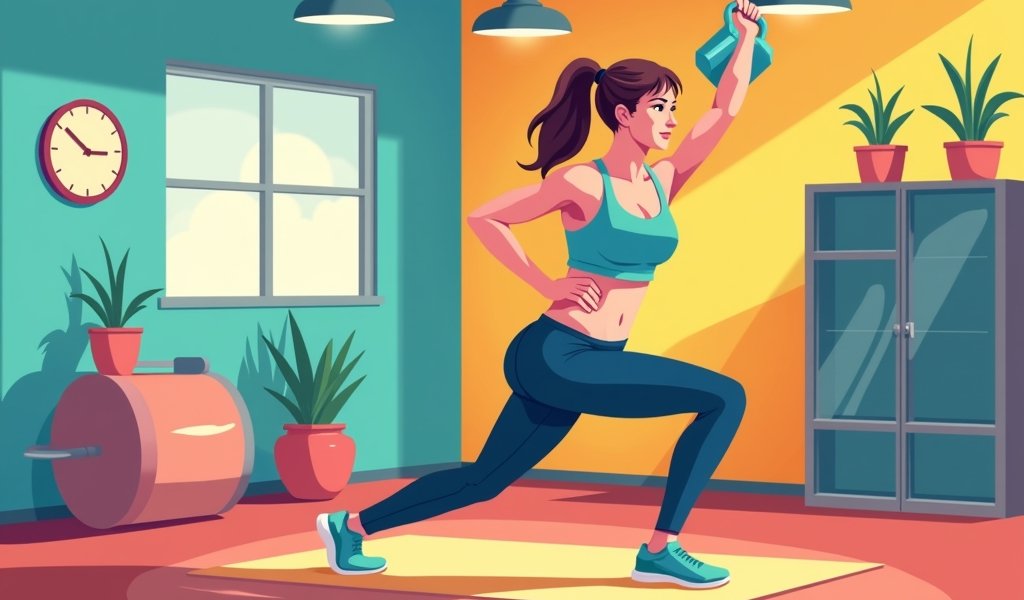
This article serves up a fitness buffet where you can sample everything from HIIT’s metabolic storm to swimming’s joint-friendly splash party, without committing to that CrossFit cult just yet. The guide thoroughly examines ten different workout styles—including strength training, yoga, Pilates, and boxing—highlighting their unique benefits, scientific backing, and practical implementation tips for beginners through advanced fitness enthusiasts.
Table of Contents
- Understanding the Fitness Revolution
- High-Intensity Interval Training (HIIT)
- Strength Training for Optimal Health
- Modern Yoga Practices
- Pilates: Core Strength Revolution
- Cardio Options for Heart Health
- Functional Fitness Training
- Boxing Workouts
- The Barre Method
- Swimming: The Full-Body Workout
- CrossFit Training
- Conclusion
- Frequently Asked Questions
Understanding the Fitness Revolution
In today’s health-conscious world, finding the right workout regimen can feel overwhelming. With countless fitness options available, how do you know which exercise routine will best suit your body, goals, and lifestyle? This Ultimate Health and Fitness Review brings you 10 must-try workouts that have been vetted for effectiveness, accessibility, and scientific backing.
As a health professional with over a decade of experience, I’ve witnessed the transformative power of consistent, well-designed exercise programs. The right workout doesn’t just change your body—it can revolutionize your mental clarity, emotional stability, and overall quality of life. Let’s explore these evidence-based training methods that deliver remarkable results for people at every fitness level.
Before diving into specific workout types, remember that the best exercise program is one you’ll actually stick with. Consistency trumps perfection every time. Each workout style we’ll explore offers unique benefits, and many can be combined to create a balanced fitness routine that prevents plateaus and keeps you engaged for the long haul.
High-Intensity Interval Training (HIIT)
HIIT has revolutionized the fitness world by offering maximum results in minimal time. This training method alternates short bursts of intense exercise with brief recovery periods, creating an efficient metabolic storm in your body. A typical session might last just 20-30 minutes but can deliver comparable or superior results to much longer steady-state workouts.
The science behind HIIT is compelling. Research published in the Journal of Applied Physiology shows that HIIT significantly improves both aerobic and anaerobic fitness while boosting insulin sensitivity and reducing blood pressure. What makes HIIT particularly appealing is its afterburn effect—your body continues burning calories at an elevated rate for up to 24 hours following your workout.
For beginners, I recommend starting with a 1:2 work-to-rest ratio. Try 20 seconds of all-out effort followed by 40 seconds of recovery, repeated for 7-10 rounds. As your fitness improves, you can progress to more challenging ratios like 1:1 or even 2:1 for advanced athletes. Popular HIIT exercises include:
- Burpees
- Mountain climbers
- Jumping jacks
- Squat jumps
- High knees
HIIT is extraordinarily versatile—it can be done with no equipment, at home, outdoors, or in any gym setting. Just remember to warm up properly and stay hydrated, as the intensity makes these precautions even more crucial.

Strength Training for Optimal Health
Strength training stands as a cornerstone of complete fitness that extends far beyond aesthetic benefits. Regular resistance training preserves and builds muscle mass, increases bone density, improves metabolic health, and enhances functional capacity as we age. Despite misconceptions, strength training is essential for everyone—regardless of age, gender, or fitness level.
The American College of Sports Medicine recommends strength training at least twice weekly, targeting all major muscle groups. When designing a strength program, focus on compound movements that engage multiple muscle groups simultaneously. These exercises deliver the most efficient results by mimicking real-life movement patterns and maximizing hormonal response.
Foundational strength exercises that should form the backbone of any program include:
- Squats (bodyweight, goblet, or barbell)
- Deadlifts (conventional or Romanian)
- Push-ups or bench press variations
- Rows (bent-over, seated, or inverted)
- Overhead presses
For beginners, master proper form with bodyweight exercises before adding external resistance. Studies have shown that even modest strength improvements correlate with reduced all-cause mortality. Start with 2-3 sets of 8-12 repetitions per exercise, resting 60-90 seconds between sets.
Progressive overload—gradually increasing the weight, repetitions, or difficulty of exercises—is the key principle that drives continuous improvement in strength training. Track your workouts to ensure you’re challenging yourself appropriately from session to session.
Modern Yoga Practices
Yoga has evolved dramatically from its ancient origins into diverse modern practices that suit various preferences and goals. Beyond flexibility, yoga builds functional strength, improves posture, enhances breathing mechanics, and offers powerful stress-reduction benefits. The mind-body connection cultivated through yoga creates a unique form of moving meditation that complements high-intensity training beautifully.
Different yoga styles offer distinct experiences and benefits:
- Vinyasa: Flowing sequences that build heat and endurance
- Hatha: Foundational poses held longer for proper alignment
- Yin: Deep stretching with long holds targeting connective tissue
- Power: Strength-focused sequences with challenging variations
- Restorative: Passive, supported poses for deep relaxation and recovery
For fitness enthusiasts, yoga offers invaluable balance to high-intensity training. The deliberate stretching counteracts the muscle tightness that often develops from other workout types while improving range of motion for better performance. Research published in Evidence-Based Complementary and Alternative Medicine confirms yoga’s effectiveness in reducing inflammation markers and improving heart health.
I recommend starting with two 30-minute sessions weekly, either in a studio with qualified instruction or using reputable online platforms. Begin with beginner-friendly classes to build proper foundations before advancing to more complex practices. Consistency with yoga delivers compounding benefits—what might feel challenging initially becomes increasingly accessible as your body adapts.
Pilates: Core Strength Revolution
Developed by Joseph Pilates during World War I, Pilates has evolved into a sophisticated system focused on core strength, precise movement, and body awareness. The method emphasizes quality over quantity, with controlled movements performed with full attention to proper form and breathing. Pilates creates long, lean muscle without bulk while dramatically improving posture and movement efficiency.
The Pilates system centers on several key principles:
- Centering: Engaging the core as the foundation for all movement
- Control: Executing each movement with complete muscular control
- Precision: Focusing on alignment and exact execution
- Flow: Creating smooth, graceful movement sequences
- Breath: Coordinating breathing with movement for enhanced performance
Pilates comes in two main forms: mat-based exercises requiring minimal equipment and reformer Pilates using specialized apparatus with springs and pulleys for added resistance and support. Both approaches effectively target the deep stabilizing muscles often neglected in conventional workouts.
For athletes and active individuals, Pilates offers remarkable benefits for injury prevention and performance enhancement. The emphasis on core stability creates a strong foundation for all other movements while addressing muscular imbalances that often lead to pain and dysfunction. Studies in the Journal of Orthopedic & Sports Physical Therapy demonstrate Pilates’ effectiveness for reducing chronic back pain through core stabilization.
Cardio Options for Heart Health
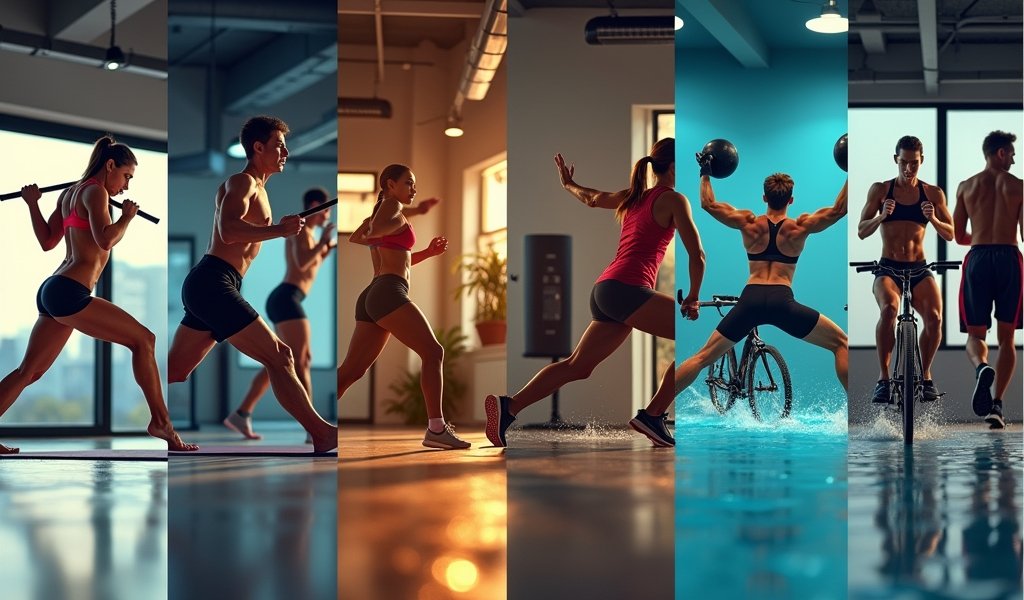
Cardiovascular exercise remains foundational for heart health, endurance, and metabolic function. While traditional steady-state cardio has somewhat fallen from fashion with the rise of HIIT, moderate-intensity aerobic exercise still offers irreplaceable benefits for cardiovascular conditioning, recovery, and mental wellbeing.
Effective cardio options that deliver consistent results include:
- Brisk walking or hiking (especially on varied terrain)
- Cycling (road, mountain, or stationary)
- Rowing (one of the most complete full-body cardio options)
- Elliptical training (gentle on joints while still challenging)
- Stair climbing (excellent for lower body strength and cardiovascular demand)
The American Heart Association recommends 150 minutes of moderate cardio activity weekly—a target you can achieve through 30-minute sessions five days a week or longer sessions fewer times weekly. The key is finding activities you genuinely enjoy, as sustainability matters more than perfection.
For optimal heart health, consider mixing moderate-intensity steady-state cardio with higher-intensity intervals. This combination improves both aerobic capacity and lactate threshold while keeping workouts varied and engaging. If you’re just beginning, focus on gradually building duration before intensity—consistency establishes the aerobic base needed for more advanced training.
Functional Fitness Training
Functional fitness has emerged as a training philosophy centered on preparing the body for real-life movements and challenges. Unlike isolated exercises that train muscles individually, functional training emphasizes multi-joint, multi-plane movements that enhance overall movement quality and transfer directly to daily activities.
The core principle of functional fitness is training movements rather than muscles. This approach develops coordination between muscle groups, improves proprioception (body awareness), and builds practical strength that serves you in everyday life—from lifting groceries to playing with children to maintaining independence as you age.
Effective functional training includes:
- Multi-directional lunges and reaches
- Farmer’s carries and loaded carries
- Turkish get-ups
- Medicine ball throws and catches
- Stability ball exercises for core integration
Equipment like kettlebells, suspension trainers, and resistance bands are particularly valuable for functional training as they allow free movement through space rather than restricting motion to a single plane. These tools create instability that forces your body to recruit stabilizing muscles that might otherwise remain dormant.
For beginners, focus first on mastering fundamental movement patterns: squat, hinge, push, pull, rotate, and carry. Once these foundations are solid, progress to more complex combinations that challenge balance, coordination, and sequencing under load.
Boxing Workouts
Boxing training has transcended its competitive roots to become one of the most effective total-body workouts available. Modern boxing fitness programs deliver exceptional cardiovascular conditioning, upper body strength, core stability, and stress relief benefits—all while teaching valuable self-defense skills.
A well-rounded boxing workout typically includes:
- Shadowboxing for technique and movement practice
- Heavy bag work for power development
- Speed bag training for rhythm and coordination
- Focus mitt work with a partner or trainer
- Jump rope for footwork and conditioning
- Core exercises specific to rotational power
The caloric expenditure from boxing training is impressive, with a one-hour session potentially burning 600-800 calories depending on intensity. Beyond the physical benefits, boxing delivers powerful psychological advantages. The focus required creates a meditative state that clears the mind, while the physical expression of punching provides healthy stress release.
For beginners, proper technique is paramount both for effectiveness and injury prevention. Start with foundational punch techniques and defensive movements before progressing to combination work and increased intensity. Many gyms offer boxing-inspired fitness classes that provide structured learning environments with appropriate progression.
The Barre Method
Barre workouts blend elements from ballet, Pilates, and strength training to create a unique low-impact, high-intensity exercise system. These workouts focus on small, precise movements that target specific muscle groups to the point of fatigue, often using high repetitions of small pulses or holds in challenging positions.
The ballet-inspired movements primarily target the lower body—especially the glutes, quadriceps, and calves—while also engaging the core and improving posture. Unlike traditional strength training that moves through a muscle’s full range of motion, barre often works in small ranges to create deep muscle fatigue and stimulate change in muscle endurance and tone.
Key elements of a typical barre class include:
- Plié sequences for inner and outer thigh toning
- Targeted arm exercises using light weights or resistance bands
- Seat work focusing on glute activation and strengthening
- Core sections combining traditional and Pilates-inspired exercises
- Stretching segments to improve flexibility and promote recovery
The isometric contractions common in barre workouts effectively strengthen muscles without adding bulk, making it popular among those seeking definition without significant size increase. Additionally, the focus on precise alignment improves posture and body awareness that transfers to other activities.
For maximum benefit, aim for 2-3 barre sessions weekly, allowing recovery between workouts as the muscle fatigue can be surprisingly intense despite the low-impact nature. Many studios offer variations for different fitness levels, including advanced options that incorporate more dynamic movement or cardio elements.
Swimming: The Full-Body Workout
Swimming stands as perhaps the most complete full-body workout available, engaging virtually every major muscle group while providing cardiovascular benefits comparable to running—all without impact stress on joints. The water’s natural resistance provides consistent opposition in all directions, creating a uniquely balanced training environment.
The benefits of swimming extend beyond muscle conditioning and cardiovascular health. The horizontal position improves circulation while the water pressure provides a gentle massage effect that can reduce swelling and promote recovery. Additionally, the breath control required develops lung capacity and respiratory efficiency.
Different swimming strokes emphasize various muscle groups:
- Freestyle: Core, shoulders, back, and glutes
- Backstroke: Core stabilization, back, and posterior shoulder
- Breaststroke: Inner thighs, chest, and shoulders
- Butterfly: Core power, upper back, and shoulders
For beginners, I recommend starting with 20-30 minute sessions focusing on comfortable strokes with rest intervals as needed. As endurance builds, gradually increase duration and incorporate interval training—alternating between faster and recovery-paced laps to boost cardiovascular benefits.
Research in the Journal of Exercise Rehabilitation confirms swimming’s exceptional benefits for older adults and those with joint conditions, making it one of the most accessible lifelong exercise options. Even for experienced athletes, swimming provides excellent cross-training that complements land-based workouts while promoting recovery.
CrossFit Training
CrossFit has revolutionized fitness through its unique blend of high-intensity functional movements, competitive atmosphere, and community-based approach. This training methodology combines elements from weightlifting, gymnastics, and metabolic conditioning into varied workouts designed to develop broad, inclusive fitness across multiple domains.
The core of CrossFit programming is constantly varied functional movements performed at high intensity. A typical CrossFit session includes:
- A thorough warm-up with movement preparation
- Skill or strength component focusing on technique development
- The “WOD” (Workout of the Day)—typically a timed or scored challenge
- Cool-down and mobility work
What distinguishes CrossFit from other fitness programs is its emphasis on measurable, observable, repeatable results. Workouts are typically scored by time, repetitions, or weight, creating objective benchmarks for tracking progress. This data-driven approach, combined with the motivation of group settings, drives remarkable physical adaptations.
For beginners, quality coaching is essential to learn proper technique before adding intensity. Most CrossFit gyms offer fundamentals courses or on-ramp programs that teach movement basics before joining regular classes. Look for facilities that emphasize proper progression and offer scaling options for different fitness levels.
While CrossFit’s intensity delivers exceptional results, it requires appropriate recovery and intelligent programming to prevent overtraining. I recommend most people start with 3-4 sessions weekly, allowing sufficient recovery between workouts while maintaining consistency for progress.
Conclusion
The ultimate fitness program isn’t about finding a single perfect workout—it’s about discovering the right combination of activities that engage your body, mind, and spirit. The 10 workout types we’ve explored offer distinct benefits that, when thoughtfully combined, create a comprehensive approach to physical fitness and overall wellbeing.
Consider your personal goals, preferences, and lifestyle when designing your fitness regimen. For optimal results, aim to include elements of strength training, cardiovascular conditioning, mobility work, and mindfulness practice. This balanced approach builds a resilient body while supporting long-term sustainability.
Remember that fitness is a journey, not a destination. The most effective workout plan is one that evolves with you—providing appropriate challenges as you progress while remaining enjoyable enough to sustain for years to come. Listen to your body, celebrate small victories, and focus on consistency over perfection.
By experimenting with various workout styles from this guide, you’ll discover which approaches resonate most strongly with you. The ideal fitness program isn’t the one that promises the fastest results but rather the one you’ll practice consistently with enthusiasm and joy. Your future self will thank you for the investment you make today in your health and vitality.
Frequently Asked Questions
Which workout is best for weight loss?
While HIIT typically burns the most calories per minute, the best workout for weight loss is one you’ll do consistently. Combine strength training to preserve muscle mass with cardiovascular exercise, and remember that nutrition plays the most significant role in weight management.
How many days per week should I exercise?
Most adults should aim for 4-5 days of structured exercise weekly, including 2-3 strength sessions and 2-3 cardiovascular workouts. Allow at least 1-2 complete rest days for recovery and listen to your body’s fatigue signals.
Can beginners try all these workout types?
Yes, but start with proper instruction and modified versions. Many of these disciplines offer beginner classes or progressions specifically designed to build foundational skills before advancing to more challenging variations.
How long before I see results from a new workout routine?
You’ll likely feel mental benefits (improved mood, energy) within the first week. Physical changes typically become noticeable after 4-6 weeks of consistent training, with more significant changes visible after 8-12 weeks.
Should I stick to one workout type or mix several?
Most people benefit from combining different workout styles to prevent plateaus and develop balanced fitness. Try including 2-3 different workout types weekly for optimal results while avoiding overtraining any single movement pattern.