

Overview
From glorified pedometers to wrist-worn health laboratories that know when you’re sleeping better than Santa Claus, fitness trackers have evolved dramatically in 2023. This article evaluates seven leading health and fitness trackers (Fitbit Sense, Apple Watch Series 7, Garmin Forerunner 945, WHOOP Strap 4.0, Samsung Galaxy Watch 4, Oura Ring Gen 3, and Polar Vantage V2), highlighting their unique features and helping readers choose the right device based on their specific health goals, activities, and lifestyle preferences.
Table of Contents
- Understanding Fitness Trackers: More Than Step Counters
- Benefits of Using Health and Fitness Trackers
- Top 7 Health and Fitness Trackers in 2023
- 1. Fitbit Sense: The All-Around Health Companion
- 2. Apple Watch Series 7: Premium Performance
- 3. Garmin Forerunner 945: For Serious Athletes
- 4. WHOOP Strap 4.0: Recovery Focused Tracking
- 5. Samsung Galaxy Watch 4: Android’s Best Option
- 6. Oura Ring Gen 3: Discreet Health Monitoring
- 7. Polar Vantage V2: Data-Driven Performance
- How to Choose the Right Fitness Tracker for You
- Conclusion: Investing in Your Health Journey
- Frequently Asked Questions
Understanding Fitness Trackers: More Than Step Counters
Health and fitness trackers have evolved dramatically from simple pedometers to sophisticated wearable health labs. As a sports medicine physician, I’ve witnessed firsthand how these devices have transformed from novelty gadgets into essential tools for monitoring overall wellness and optimizing physical performance. Today’s top fitness trackers offer comprehensive insights into not just activity levels, but also sleep quality, stress management, heart health, and even respiratory functions.
The market for health and fitness trackers has exploded in recent years, with options ranging from basic bands to advanced smartwatches with medical-grade sensors. According to recent research from Statista, the global wearable technology market is expected to exceed $54 billion by 2023 – a clear indication of how integral these devices have become in our health management strategies.
What makes modern fitness trackers truly remarkable is their ability to provide actionable data. They don’t just collect numbers; they interpret patterns, suggest improvements, and motivate behavioral changes. For many of my patients, these devices serve as constant companions on their wellness journeys, offering objective measurements that can validate their efforts or signal when adjustments are needed.
Benefits of Using Health and Fitness Trackers
Integrating a quality fitness tracker into your daily routine can yield numerous evidence-backed benefits. Let’s examine the most significant advantages these devices offer:
- Increased Physical Activity: Studies published in the Journal of the American Medical Association show that fitness tracker users average 1,850 more steps daily than non-users.
- Improved Sleep Quality: Advanced sleep tracking features help identify patterns and disruptions, enabling targeted improvements to sleep hygiene.
- Enhanced Recovery Monitoring: By tracking metrics like heart rate variability and resting heart rate, these devices help prevent overtraining and optimize recovery periods.
- Stress Management: Features like guided breathing exercises and stress score calculations provide real-time feedback on your mental well-being.
- Goal Accountability: Regular progress updates and achievement celebrations reinforce positive behaviors and maintain motivation.
- Early Health Warning Signs: Some advanced trackers can detect irregular heart rhythms, blood oxygen variations, or abnormal heart rates that might warrant medical attention.
Perhaps most importantly, fitness trackers establish a tangible connection between daily choices and health outcomes. This awareness often catalyzes sustainable lifestyle changes that might otherwise seem abstract or overwhelming. As one of my patients recently shared, “Seeing my heart rate variability improve after prioritizing sleep for just one week made all the difference in sticking with it.”
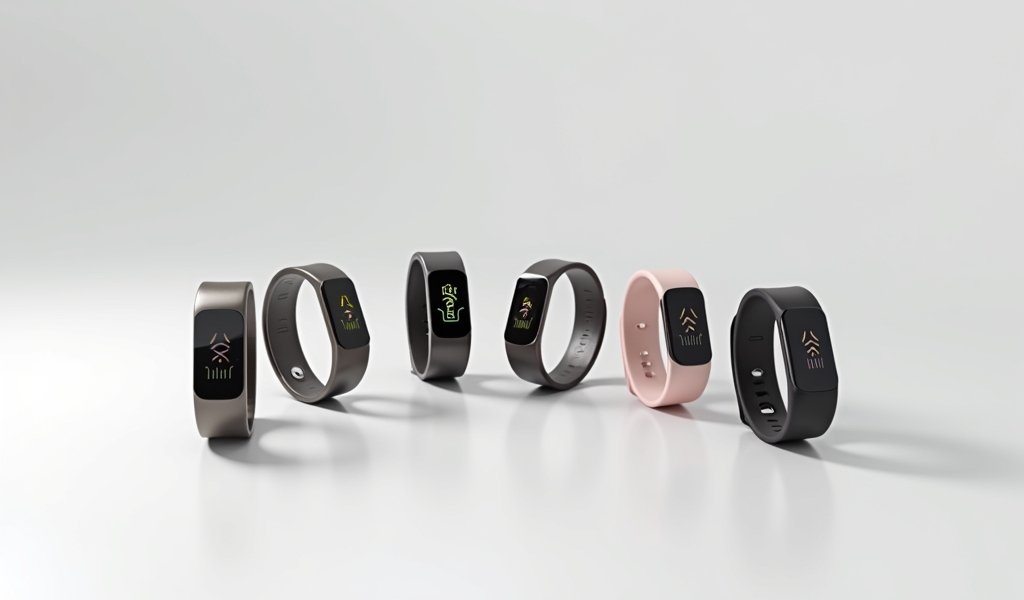
Top 7 Health and Fitness Trackers in 2023
After extensive testing and consultation with colleagues in sports medicine, exercise physiology, and preventive healthcare, I’ve compiled this definitive list of the top health and fitness trackers available today. Each selection offers unique strengths that might make it ideal for your specific health goals and lifestyle needs.
These recommendations balance technological innovation, clinical relevance, user experience, and value. While some premium options offer extraordinary capabilities, even the more affordable entries provide reliable core tracking features that can meaningfully support your wellness journey.
1. Fitbit Sense: The All-Around Health Companion
The Fitbit Sense stands out as the most comprehensive health tracker for the average person seeking whole-body wellness insights. What distinguishes the Sense is its holistic approach to health monitoring, covering physical activity, sleep quality, stress management, and even temperature tracking.
Key features include an FDA-cleared ECG app for heart rhythm monitoring, EDA (electrodermal activity) scanning for stress management, skin temperature sensors, and oxygen saturation monitoring. The Sense also offers exceptional sleep tracking, breaking down your night into light, deep, and REM sleep phases with practical suggestions for improvement.
Battery life typically reaches 6+ days, which means less charging anxiety and more continuous data collection. The Fitbit Premium subscription enhances the experience with guided programs, detailed sleep analytics, and mindfulness content, though the device remains highly functional without this additional service.
For those balancing multiple health concerns or just beginning their fitness tracking journey, the Fitbit Sense provides an accessible yet sophisticated monitoring system that grows with your understanding of personal health metrics.
2. Apple Watch Series 7: Premium Performance
The Apple Watch Series 7 represents the gold standard for smartwatch functionality combined with health tracking capabilities. Its larger, always-on Retina display makes data viewing effortless, while the robust health sensor array delivers clinically relevant insights.
Health features include blood oxygen monitoring, ECG functionality, fall detection, and comprehensive workout tracking across dozens of activities. The Apple Health ecosystem excels at consolidating data from multiple sources, creating a unified health profile that can even be shared with healthcare providers.
Where the Apple Watch truly shines is in its integration with the broader Apple ecosystem and third-party health applications. The App Store offers hundreds of specialized health and fitness applications that extend the watch’s native capabilities into niche areas like strength training, meditation, or nutrition tracking.
The main drawback remains its approximately 18-hour battery life, which necessitates daily charging and limits sleep tracking potential. Nevertheless, for iPhone users seeking a premium health tracker with unmatched ecosystem integration and polish, the Apple Watch Series 7 delivers exceptional value despite its higher price point.
3. Garmin Forerunner 945: For Serious Athletes
The Garmin Forerunner 945 stands as the definitive training companion for committed endurance athletes and data-hungry fitness enthusiasts. This premium multisport watch delivers extraordinary training insights through its advanced performance metrics and recovery assessments.
Unlike more casual fitness trackers, the Forerunner 945 offers detailed analytics like VO2 max estimates adjusted for heat and altitude, training load focus, recovery time recommendations, and performance condition assessments during activities. The built-in mapping and navigation features prove invaluable for trail runners, cyclists, and outdoor adventurers exploring unfamiliar territory.
Battery life is exceptional, with up to 2 weeks in smartwatch mode and 36 hours in GPS mode, enabling multi-day tracking during events or training camps. The watch also includes music storage, Garmin Pay, and smartphone notifications, though its interface prioritizes function over aesthetics.
While the advanced metrics might overwhelm casual exercisers, athletes seeking to optimize their training cycles and race performance will find the Forerunner 945’s depth of analysis transformative. As one elite marathoner patient told me, “It’s like having a coach on my wrist interpreting every workout.”
4. WHOOP Strap 4.0: Recovery Focused Tracking
The WHOOP Strap 4.0 takes a refreshingly different approach to fitness tracking by eliminating the screen entirely and focusing exclusively on recovery optimization and training readiness. This subscription-based system has gained enormous popularity among professional athletes and serious fitness enthusiasts for its unparalleled recovery insights.
WHOOP continuously monitors heart rate, heart rate variability, respiratory rate, and sleep performance to produce three key daily scores: recovery (how ready your body is for strain), strain (how much stress you’ve accumulated), and sleep (both quality and quantity relative to your needs). The system then provides actionable recommendations based on your recovery status, helping prevent overtraining and optimize workout timing.
The screenless, lightweight design enables 24/7 wearability with minimal intrusion, while the 5-day battery life can be extended through an innovative battery pack that charges the device while you wear it. The subscription model (approximately $30 monthly with the strap included) eliminates upfront hardware costs but requires ongoing investment.
For those primarily concerned with optimizing recovery and training adaptation rather than step counting or notifications, WHOOP offers the most sophisticated and targeted approach to performance enhancement through measured recovery.
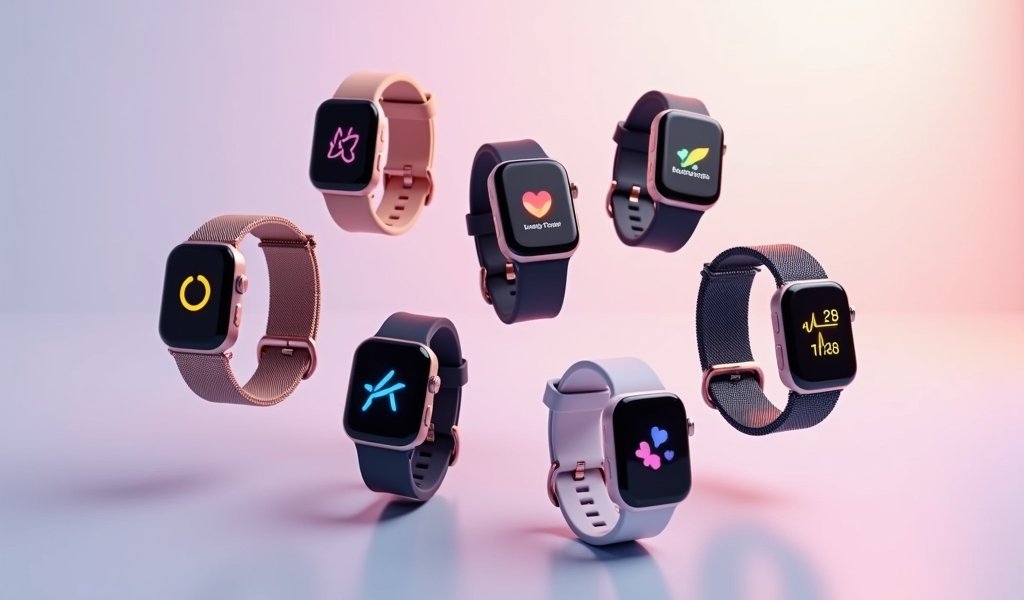
5. Samsung Galaxy Watch 4: Android’s Best Option
The Samsung Galaxy Watch 4 emerges as the definitive health tracking solution for Android users, particularly those with Samsung smartphones. Running on the unified Wear OS platform co-developed with Google, it combines excellent hardware with expanding software capabilities.
Health monitoring on the Galaxy Watch 4 includes standard metrics like activity tracking and heart rate monitoring alongside more advanced features like body composition analysis (measuring body fat percentage, skeletal muscle mass, and water retention), blood oxygen monitoring, and ECG capabilities. Sleep tracking also impresses with detailed sleep stage analysis and snoring detection when paired with a compatible smartphone.
The watch offers an excellent balance between fitness functionality and smartwatch features, with Google Pay support, app installations, and extensive notification handling. Battery life reaches approximately 40 hours with typical use, positioning it between the Apple Watch and longer-lasting fitness-specific devices.
Android users seeking a comprehensive health tracking experience integrated with their mobile ecosystem will find the Galaxy Watch 4 delivers substantial value, particularly given its competitive pricing compared to other premium smartwatches.
6. Oura Ring Gen 3: Discreet Health Monitoring
The Oura Ring Gen 3 revolutionizes health tracking through its remarkably unobtrusive form factor—a lightweight titanium ring that packs advanced sensors to monitor comprehensive health metrics. For those who find wristband trackers uncomfortable during sleep or aesthetically unappealing with formal attire, Oura offers a compelling alternative.
This third-generation ring excels at sleep analysis, tracking not just duration but detailed sleep architecture, timing, restfulness, and even body temperature variations that might indicate illness or hormonal changes. Daily readiness scores synthesize recovery status, previous activity, and sleep quality to guide optimal exertion levels.
The ring’s 7-day battery life and waterproof design support truly continuous wearing, while the subscription-based service ($5.99 monthly) provides personalized insights and content. While activity tracking is present, it’s less robust than wrist-based alternatives for workout-specific metrics.
For professionals seeking discreet health monitoring without the look of a fitness device, or anyone prioritizing sleep insights and recovery tracking over detailed workout analytics, the Oura Ring represents the perfect balance of sophistication and subtlety.
7. Polar Vantage V2: Data-Driven Performance
The Polar Vantage V2 caters to the data-obsessed athlete with its comprehensive suite of performance testing capabilities and training analytics. This premium multisport watch distinguishes itself through scientific testing protocols that would typically require laboratory equipment.
Unique features include running power measurement from the wrist, performance testing protocols (leg recovery, cycling power, running performance), training load tracking with cardio/muscle load differentiation, and recovery pro tracking. The FuelWise assistant even helps optimize nutrition timing during longer endurance activities.
Battery life impresses at up to 40 hours in training mode with GPS, supporting multi-day adventures or training camps. The watch balances its performance focus with lifestyle features like weather forecasts, music controls, and smart notifications, though its interface prioritizes function over aesthetics.
For methodical, data-driven athletes who approach training systematically and value objective performance measurement, the Polar Vantage V2 offers specialized insights that even other premium fitness watches can’t match. It’s particularly valuable for multisport athletes who need detailed analytics across different activity types.
How to Choose the Right Fitness Tracker for You
Selecting the optimal health and fitness tracker depends on aligning device capabilities with your personal health priorities, lifestyle needs, and technological preferences. Consider these factors to guide your decision:
- Primary Health Goals: Identify whether you’re focused on general wellness, specific sport performance, sleep improvement, or medical monitoring.
- Activity Types: Consider which activities you regularly engage in and whether specialized metrics (like running power, swim tracking, or altitude data) would benefit your training.
- Form Factor Preference: Determine if you prefer a watch, band, ring, or clip-on design based on comfort, professional appearance needs, and when you plan to wear it.
- Smartphone Compatibility: Ensure the tracker works seamlessly with your existing smartphone, as some options offer reduced functionality with certain operating systems.
- Battery Life Requirements: Assess whether you prefer longer battery life with fewer features or daily charging with more capabilities.
- Budget Considerations: Factor in both initial purchase price and potential subscription costs for premium features.
Remember that the most expensive or feature-packed device isn’t necessarily the right choice for everyone. From my clinical experience, patients achieve the best results when their tracker aligns with their actual lifestyle patterns and motivation style rather than aspirational goals.
I often recommend starting with core features that address your primary health concern – whether that’s activity levels, sleep quality, or heart health – and ensuring the device fits comfortably into your daily routine. The most effective fitness tracker is ultimately the one you’ll wear consistently.
Conclusion: Investing in Your Health Journey
The landscape of health and fitness trackers has evolved dramatically, transforming these devices from simple step counters into sophisticated health monitoring systems. Each of the seven trackers we’ve explored offers a unique approach to health management, from the comprehensive wellness orientation of the Fitbit Sense to the performance-focused analytics of the Polar Vantage V2.
What remains consistent across all these options is their potential to enhance health awareness, motivate consistent behaviors, and provide meaningful insights into your body’s responses to different lifestyle choices. The real value of these devices extends far beyond their technical specifications – it lies in their ability to make invisible health patterns visible and actionable.
As a healthcare professional, I’ve witnessed countless patients transform their relationship with exercise, sleep, and stress management through the thoughtful use of fitness trackers. The key to success isn’t finding the perfect device but establishing a consistent practice of attending to your health data and making incremental improvements based on those insights.
Whether you choose a premium multisport watch or a simple fitness band, remember that the technology itself is merely a tool. The real power comes from your commitment to understanding your body’s signals and responding with compassionate, informed choices that support your long-term wellbeing.
Frequently Asked Questions
Are fitness trackers accurate for calorie counting?
Fitness trackers provide estimates rather than exact measurements, typically with 10-30% variance from laboratory standards. They’re more valuable for tracking relative changes over time than absolute caloric values.
Can fitness trackers detect serious health problems?
Some advanced trackers can identify irregular heart rhythms or abnormal vital signs that warrant medical attention. However, they shouldn’t replace regular medical check-ups or be used for self-diagnosis.
How long do fitness trackers typically last?
Most quality fitness trackers maintain optimal functionality for 2-3 years before battery degradation or technology obsolescence becomes significant. Premium models may include replaceable straps to extend their usable lifespan.
Are fitness tracker subscriptions worth the cost?
Subscription services provide deeper insights, guided programs, and expanded analytics that benefit committed users seeking detailed feedback. The value depends on how actively you’ll engage with these additional features beyond the basic tracking capabilities.
Can I swim with my fitness tracker?
Most modern fitness trackers offer water resistance suitable for swimming, though water depth ratings vary between models. Always check the manufacturer’s specific water resistance rating (like 5ATM or 50M) before submerging your device.