
Overview
While 80% of fitness resolutions crumble faster than a cookie in a toddler’s grip, this article outlines seven evidence-based strategies for lasting health transformation: nutrition foundation, strategic exercise, quality sleep, stress management, mindful habits, community support, and progress tracking. These adaptable approaches work for any fitness level or age, emphasizing consistency over perfection and suggesting implementation of one strategy at a time before adding others to create sustainable health improvements.
Table of Contents
- The Ultimate Health and Fitness Review: 7 Proven Strategies
- Build a Strong Nutrition Foundation
- Strategic Exercise for Maximum Results
- Prioritize Sleep and Recovery
- Effective Stress Management Techniques
- Developing Mindful Health Habits
- Leverage Community Support
- Smart Progress Tracking
- Conclusion
- Frequently Asked Questions
The Ultimate Health and Fitness Review: 7 Proven Strategies
What if I told you that 80% of New Year’s fitness resolutions fail by February, yet some people manage to transform their health permanently? The difference isn’t superhuman willpower or genetic luck – it’s strategic implementation. After working with hundreds of clients as a health professional for over 15 years, I’ve identified the exact strategies that separate temporary results from lasting transformations.
In this comprehensive guide, I’ll share the seven evidence-based strategies that have helped my clients achieve remarkable health improvements. These aren’t quick fixes or trendy gimmicks, but proven approaches backed by both scientific research and real-world success. Whether you’re just beginning your wellness journey or looking to break through a plateau, these strategies provide the framework for sustainable progress.
The beauty of these approaches is their adaptability – they work regardless of your current fitness level, age, or health status. Let’s explore how you can implement these strategies to create your own health transformation.
Build a Strong Nutrition Foundation
Nutrition forms the cornerstone of any successful health program. Rather than focusing on restrictive diets, sustainable nutrition centers on creating balanced eating patterns you can maintain long-term.
Start by emphasizing whole foods – vegetables, fruits, lean proteins, healthy fats, and complex carbohydrates. These nutrient-dense options provide the vitamins, minerals, and antioxidants your body needs to function optimally. Research from Harvard Medical School confirms that diet quality typically matters more than strict calorie counting.
Hydration plays an equally crucial role. Water facilitates nearly every bodily function, from digestion to temperature regulation. Aim for a minimum of eight 8-ounce glasses daily, with more needed during intense exercise or hot weather.
Consider these practical nutrition strategies:
- Meal prep on weekends to ensure healthy options are always available
- Follow the plate method: fill half your plate with vegetables, a quarter with lean protein, and a quarter with complex carbs
- Incorporate quality wellness products like plant-based protein powders when whole food options aren’t convenient
- Practice mindful eating by removing distractions and savoring each bite
Remember, nutrition isn’t about perfection but consistency. The 80/20 approach works well for most – focus on nutritious choices 80% of the time while allowing flexibility for occasional treats.

Strategic Exercise for Maximum Results
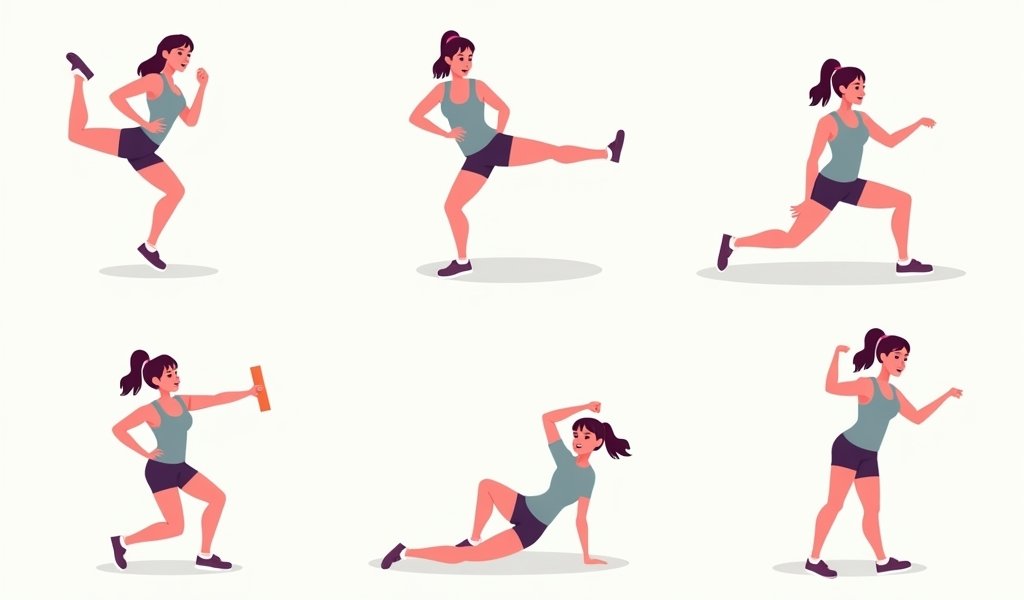
Exercise is often approached haphazardly, but strategic training yields dramatically better results. The most effective fitness regimens balance cardiovascular conditioning, strength training, and flexibility work.
Contrary to popular belief, more isn’t always better. Quality and consistency trump duration and intensity, especially for beginners. Start with 3-4 weekly sessions of 30-45 minutes each, gradually increasing as your fitness improves.
Strength training deserves special attention. Many people, particularly women, avoid weights fearing they’ll develop bulky muscles. However, resistance training offers remarkable benefits beyond aesthetics – it builds bone density, improves metabolic health, enhances functional movement, and helps maintain muscle mass as we age. Even twice-weekly sessions produce significant improvements.
For cardiovascular health, mix steady-state activities (like walking or cycling) with interval training. This combination maximizes cardiorespiratory benefits while preventing adaptation plateaus. The American Council on Exercise recommends the 3-2-1 approach for balanced training:
- 3 days of cardio (mixing steady-state and intervals)
- 2 days of strength training (full-body or split routines)
- 1 day of flexibility/recovery (yoga, stretching, foam rolling)
Don’t underestimate the importance of movement throughout your day. Research increasingly shows that regular activity breaks during prolonged sitting provide significant health benefits. Set a timer to stand and stretch every 45-60 minutes.
Most importantly, choose activities you genuinely enjoy. Exercise adherence correlates strongly with enjoyment, so experiment until you find movement that energizes rather than depletes you. Participating in various wellness activities can help you discover what forms of exercise resonate most with you.
Prioritize Sleep and Recovery
In our productivity-obsessed culture, sleep and recovery are often neglected aspects of health. However, they’re equally important as nutrition and exercise – without adequate recovery, your fitness progress will stall regardless of your efforts elsewhere.
Quality sleep serves as your body’s restoration period. During deep sleep stages, your body repairs muscle tissue, consolidates memory, balances hormones, and clears metabolic waste from your brain. Chronically shorting yourself on sleep undermines every aspect of health and performance.
Aim for 7-9 hours of quality sleep nightly. To improve sleep quality:
- Maintain a consistent sleep schedule, even on weekends
- Create a sleep-conducive environment (cool, dark, and quiet)
- Limit screen exposure 60-90 minutes before bedtime
- Develop a relaxing pre-sleep routine (reading, gentle stretching, meditation)
- Avoid caffeine after mid-afternoon and limit alcohol
Recovery extends beyond sleep to include active recovery practices. Incorporate regular deload weeks in your training program – periods of reduced intensity that allow for supercompensation. Research published in the Journal of Strength and Conditioning Research demonstrates that strategic recovery periods enhance long-term performance gains.
Techniques like contrast showers (alternating between hot and cold water), gentle yoga, and foam rolling can accelerate recovery between training sessions. Listen to your body’s signals – persistent fatigue, decreased performance, and increased soreness indicate insufficient recovery.
Effective Stress Management Techniques
Chronic stress sabotages health goals through multiple pathways. Elevated cortisol levels increase abdominal fat storage, trigger inflammatory responses, and stimulate cravings for high-calorie comfort foods. Managing stress isn’t a luxury – it’s essential for health optimization.
The goal isn’t eliminating stress entirely (which is unrealistic) but developing resilience to navigate life’s inevitable challenges. Effective stress management techniques include:
- Mindfulness meditation – even 5-10 minutes daily produces measurable benefits
- Breathing exercises – try the 4-7-8 technique (inhale for 4 counts, hold for 7, exhale for 8)
- Regular time in nature – “forest bathing” reduces cortisol and blood pressure
- Journaling – processing thoughts on paper reduces mental rumination
- Setting boundaries – learning to say “no” to preserve energy for priorities
Consider visiting a wellness center near you for professional guidance in stress management techniques. Many offer classes in meditation, yoga, and other evidence-based approaches.
Remember that stress management looks different for everyone. Some find relief through high-intensity exercise, while others benefit more from gentle activities like tai chi. Experiment to discover what resets your nervous system most effectively.

Developing Mindful Health Habits
Sustainable health transformation relies on mindful habit development rather than willpower. Your daily routines – performed consistently over time – determine your health outcomes far more than occasional heroic efforts.
Start by examining your current habits objectively. Which support your health goals, and which undermine them? Choose one habit at a time to modify, beginning with those that provide the highest return on investment.
The habit formation process follows predictable patterns. According to James Clear’s research on habit formation, effective habit building requires four elements:
- Make it obvious (clear cues for your new habit)
- Make it attractive (associate positive feelings with the behavior)
- Make it easy (reduce friction for desired actions)
- Make it satisfying (provide immediate rewards)
For example, to establish a morning exercise routine, you might:
- Set workout clothes beside your bed (obvious)
- Choose activities you genuinely enjoy (attractive)
- Prepare everything the night before (easy)
- Track your streak and celebrate consistency (satisfying)
Be patient with the habit formation process. Research suggests that new habits typically require anywhere from 18 to 254 days to become automatic, with the average around 66 days. Focus on consistency rather than perfection, remembering that small habits compound over time.
Consider habit stacking – attaching new behaviors to existing routines. For instance, perform a quick mobility routine while your morning coffee brews or practice deep breathing while waiting for your computer to start up.
Leverage Community Support
The myth of the lone health warrior persists in our culture, but research consistently shows that social support significantly improves health outcomes. We are inherently social creatures, and community connections powerfully influence our behaviors.
A supportive community provides several benefits:
- Accountability to maintain healthy habits
- Shared knowledge and problem-solving
- Emotional support during challenges
- Celebration of progress and milestones
- Normalization of healthy behaviors
You can cultivate supportive communities in multiple ways:
- Join group fitness classes or sports teams
- Participate in online health communities
- Find a consistent workout partner
- Share health goals with close friends or family
- Consider working with a health coach or trainer
When selecting your health community, prioritize positive, solution-focused environments. Avoid groups centered on negativity or extreme approaches. The ideal community celebrates progress rather than perfection and respects individual differences.
Research from the Journal of Health Psychology indicates that people with strong social support are 50% more likely to maintain healthy behaviors long-term compared to those attempting changes in isolation.
Smart Progress Tracking
The adage “what gets measured gets managed” holds particularly true for health and fitness. Tracking relevant metrics allows you to identify patterns, make informed adjustments, and celebrate progress that might otherwise go unnoticed.
Effective tracking balances comprehensiveness with sustainability. Track enough data to gain insights, but not so much that the process becomes overwhelming. Consider monitoring:
- Performance metrics (strength, endurance, flexibility)
- Body composition (beyond scale weight)
- Sleep quality and duration
- Energy levels and mood
- Basic nutritional patterns
- Stress levels and recovery
Numerous digital tools simplify tracking, from wearable fitness devices to smartphone apps. However, don’t underestimate the value of simple approaches like journaling or using a basic spreadsheet. The best tracking method is the one you’ll consistently use.
Review your data regularly, looking for patterns rather than obsessing over daily fluctuations. Monthly reviews often provide the clearest picture of progress while avoiding the noise of day-to-day variations.
Remember that tracking serves as a tool, not the goal itself. If tracking becomes a source of anxiety rather than empowerment, adjust your approach. The ultimate measure of success is improved quality of life, not perfect adherence to arbitrary metrics.
Conclusion
Sustainable health transformation emerges from implementing these seven proven strategies as an integrated system rather than isolated tactics. Each component reinforces the others, creating a foundation for lasting wellness that withstands life’s inevitable challenges.
Begin by selecting one strategy that resonates most strongly with your current needs. Master that element before adding additional focuses. Remember that consistent small actions compound over time to produce remarkable results.
Throughout your health journey, maintain a compassionate perspective. Perfect adherence isn’t the goal – consistent progression is. Health exists to enhance your life, not become another source of stress or obligation. Approach these strategies with curiosity and flexibility, adapting them to your unique circumstances.
The path to optimal health isn’t linear, but these evidence-based strategies provide the framework to navigate the journey successfully. By implementing them consistently, you’ll develop not just a healthier body but a more vibrant, energetic life.
Frequently Asked Questions
Which of these seven strategies should I implement first?
Start with the area where you currently have the largest gap between knowledge and implementation. For most people, either nutrition foundations or sleep quality provides the highest initial return on investment.
How long before I see results from these strategies?
Some benefits like improved energy and mood can appear within days, while visible physical changes typically require 4-8 weeks of consistent implementation. Long-term health improvements continue to accumulate over months and years.
Do I need special equipment or a gym membership to follow these strategies?
No, all these strategies can be implemented with minimal equipment and without a gym membership. Bodyweight exercises, walking, and basic household items provide everything needed for the exercise component.
Can these strategies work for people with health conditions?
Yes, these principles apply broadly and can be adapted for various health conditions. Work with appropriate healthcare providers to modify strategies for your specific situation.
How do I stay motivated when progress seems slow?
Track multiple forms of progress beyond weight or appearance, such as energy levels, sleep quality, and strength improvements. Connect with a supportive community that celebrates consistency over perfection.