
Overview
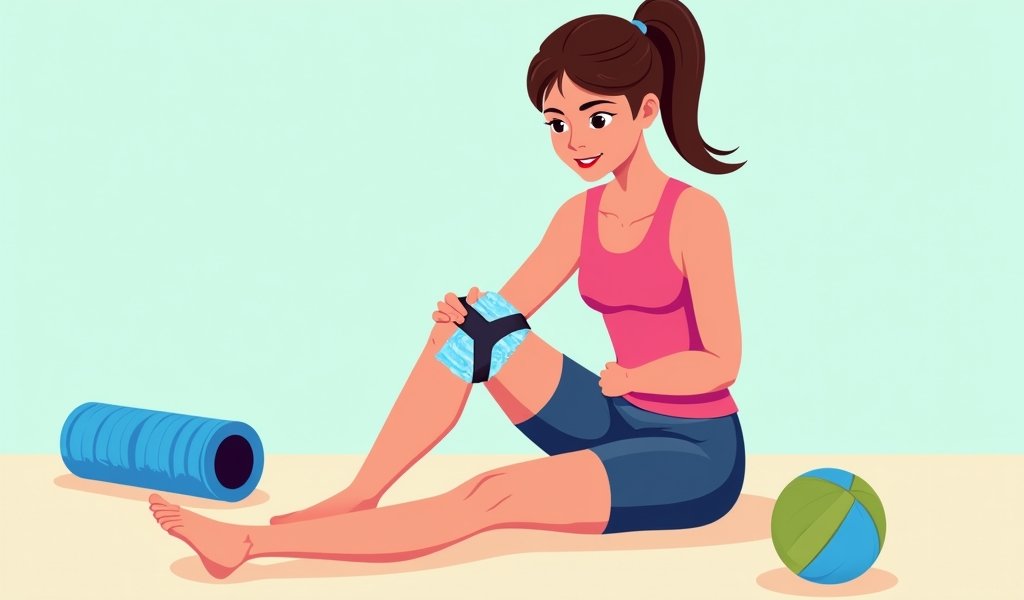
Tennis elbow is the party crasher that ruins simple tasks like lifting coffee cups, but don’t worry—your arm isn’t permanently doomed to betrayal. This article outlines ten effective treatment approaches ranging from rest, ice, and compression to advanced options like PRP injections and shockwave therapy, while emphasizing the importance of proper rehabilitation and prevention strategies for long-term recovery.
Table of Contents
- Understanding Tennis Elbow: More Than Just a Sports Injury
- Rest and Activity Modification: The First Step to Recovery
- Ice Therapy: Your First Line of Defense
- Compression Techniques: Support When You Need It Most
- Anti-inflammatory Medications: Quick Relief for Persistent Pain
- Physical Therapy: Rebuilding Strength and Flexibility
- Massage Therapy: Working Out the Knots
- Acupuncture and Dry Needling: Precision Pain Relief
- Kinesiology Taping: Support Without Restriction
- Shockwave Therapy: Breaking Down Pain Barriers
- PRP Injections: Harnessing Your Body’s Healing Power
- Prevention Strategies: Staying Pain-Free
- When to See a Doctor
- Conclusion: Your Path to Recovery
- Frequently Asked Questions
Understanding Tennis Elbow: More Than Just a Sports Injury
That sharp pain when you lift your coffee cup. The wince-inducing sensation when shaking hands. The persistent ache that transforms simple tasks into seemingly impossible feats. If this sounds familiar, you might be among the 1-3% of the population dealing with tennis elbow.
Tennis elbow (lateral epicondylitis) occurs when the tendons connecting your forearm muscles to the bony prominence on the outside of your elbow become inflamed or develop tiny tears. Despite its sporting name, you don’t need to swing a racquet to suffer from this condition. Painters, plumbers, carpenters, and even keyboard warriors can develop tennis elbow through repetitive arm movements.
The impact on daily life can be significant, with simple activities becoming painful challenges. At our comprehensive wellness center, we see firsthand how this condition affects quality of life. The good news? Effective treatments exist, and recovery is possible with the right approach.
Rest and Activity Modification: The First Step to Recovery
When it comes to tennis elbow, sometimes less is more. Your tendons need time to heal, and continued strain only prolongs recovery. Think of rest as an investment in faster healing rather than time lost.
Activities to temporarily avoid or modify include:
- Lifting heavy objects
- Gripping activities (opening jars, wringing clothes)
- Repetitive wrist movements
- Activities that cause pain
Complete rest isn’t always practical, so focus on smart modifications. Use your non-affected arm when possible, invest in ergonomic tools, and take frequent breaks during unavoidable activities. Remember, this isn’t forever—just until inflammation subsides and healing begins.
Ice Therapy: Your First Line of Defense
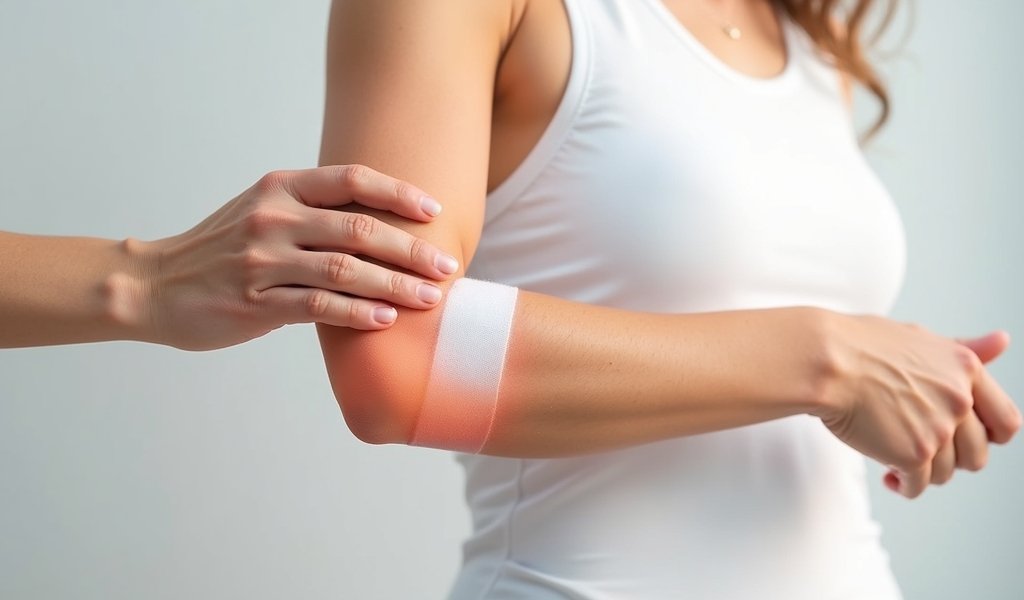
Ice therapy remains one of the simplest yet most effective treatments for tennis elbow, especially during acute flare-ups. Cold therapy works by constricting blood vessels, reducing swelling, and temporarily numbing pain signals.
For maximum benefit:
- Apply ice to the painful area for 15-20 minutes
- Always use a thin cloth between ice and skin
- Repeat every 2-3 hours as needed
- Continue for the first 72 hours after pain begins
A simple ice massage often provides targeted relief. Freeze water in a paper cup, tear away the top inch of paper, and gently rub the ice over the painful area in small circles. The combination of cold and gentle pressure can reach deeper tissues than a stationary ice pack.
Compression Techniques: Support When You Need It Most
Strategic compression provides support for irritated tendons while reducing strain during movement. For tennis elbow, compression primarily means counterforce bracing—applying pressure just below the elbow joint where the extensor muscles attach.
Effective options include:
- Tennis elbow straps/counterforce braces
- Compression sleeves
- Kinesiology tape applications
To apply correctly, position the compression band about 1-2 inches below your elbow on your forearm. It should feel snug but not tight enough to cause numbness or color changes in your hand. According to research published in the Journal of Orthopaedic & Sports Physical Therapy, properly applied compression can significantly reduce pain during activities.
Anti-inflammatory Medications: Quick Relief for Persistent Pain
Over-the-counter nonsteroidal anti-inflammatory drugs (NSAIDs) can provide welcome relief while you implement other healing strategies. These medications, including ibuprofen (Advil), naproxen (Aleve), and aspirin, work by blocking enzymes that produce pain-causing substances.
Important guidelines for NSAID use:
- Take with food to reduce stomach irritation
- Follow package directions for dosage
- Limit use to 7-10 days unless directed otherwise by a healthcare professional
- Consider topical NSAIDs (gels/creams) for more targeted relief with fewer systemic side effects
Remember that while medications mask symptoms, they don’t address the underlying issue. They’re best used as part of a comprehensive treatment plan rather than as your sole strategy.
Physical Therapy: Rebuilding Strength and Flexibility
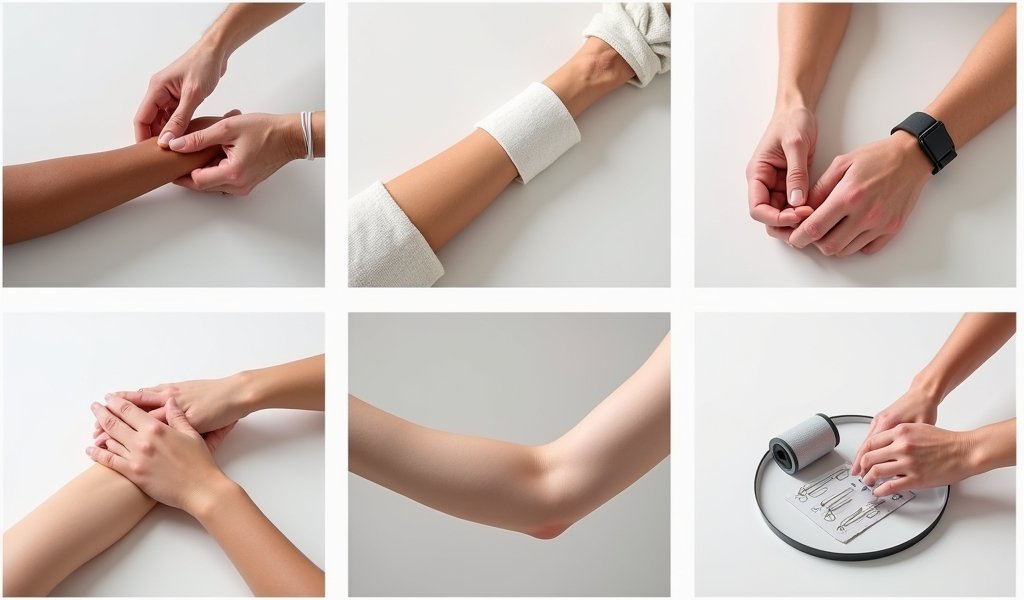
Physical therapy forms the cornerstone of long-term tennis elbow recovery. Targeted exercises strengthen weakened muscles, restore flexibility, and correct movement patterns that may have contributed to the problem.
Effective exercises include:
- Wrist extensor stretch: Extend your arm with palm facing down, use your other hand to gently bend your wrist downward
- Eccentric wrist extensions: Slowly lower a light weight by bending your wrist downward
- Grip strengthening: Squeeze a soft ball, hold for 5 seconds, release and repeat
Start gently with 5-10 repetitions and gradually increase as pain allows. Consistency trumps intensity—daily gentle exercises typically yield better results than occasional aggressive sessions. Our wellness clinic near me offers personalized rehabilitation programs tailored to your specific needs and recovery stage.
Massage Therapy: Working Out the Knots
Massage therapy targets tension in forearm muscles, improves blood flow to damaged tissues, and helps break down adhesions that contribute to pain and restriction. Both self-massage and professional treatment can be beneficial.
Effective self-massage techniques:
- Cross-friction massage: Use your thumb to apply pressure perpendicular to the affected tendon
- Forearm stripping: Apply pressure with your opposite thumb and glide from wrist to elbow along the muscle
- Trigger point release: Apply gentle, sustained pressure on tender spots for 30-60 seconds
Professional massage therapists can access deeper tissues and provide more specialized techniques. Research in the Journal of Bodywork and Movement Therapies shows that specific massage protocols can significantly reduce pain and improve function in chronic tennis elbow cases.
Acupuncture and Dry Needling: Precision Pain Relief
When it comes to stubborn tennis elbow pain, sometimes the smallest interventions make the biggest difference. Acupuncture and dry needling use fine needles to target specific points, with surprisingly powerful results.
While they may look similar, these treatments work differently:
- Acupuncture: Based on traditional Chinese medicine principles, targeting energy meridians
- Dry needling: Focuses on trigger points in muscles to release tension and restore function
Both treatments are minimally invasive and relatively painless—most patients feel only a brief pinch followed by a sensation of pressure or mild achiness. Many report immediate improvement in pain and mobility after treatment. Our chiropractic wellness center offers both options with experienced practitioners who can determine which approach might work best for your specific condition.
Kinesiology Taping: Support Without Restriction
Kinesiology tape provides gentle, consistent support while allowing full range of motion. Unlike rigid braces, this elastic tape works with your body’s natural movements while still offering therapeutic benefits.
The benefits of kinesiology taping include:
- Improved circulation to affected tissues
- Gentle support without restricting movement
- Reduced pressure on pain receptors
- Enhanced proprioception (body awareness)
Application involves specific patterns depending on your pain pattern and needs. The tape typically stays on for 3-5 days, even through showers and normal activities. While not a cure-all, many patients find taping provides noticeable relief during daily activities and serves as a helpful reminder to maintain proper form.
Shockwave Therapy: Breaking Down Pain Barriers
For persistent tennis elbow that doesn’t respond to conventional treatments, extracorporeal shockwave therapy (ESWT) offers a non-invasive alternative. This technology delivers acoustic pressure waves to the affected area, stimulating healing and disrupting pain signals.
The science behind shockwave therapy is compelling. It works by:
- Increasing blood flow to damaged tissues
- Stimulating cell regeneration
- Releasing trigger points in muscles
- Breaking down calcifications in tendons
A typical protocol involves 3-5 weekly sessions lasting about 15 minutes each. While you may feel some discomfort during treatment (often described as intense tapping), there’s minimal recovery time needed. Research published in BMC Musculoskeletal Disorders shows success rates of 65-91% for chronic tennis elbow cases.
PRP Injections: Harnessing Your Body’s Healing Power
Platelet-rich plasma (PRP) therapy represents one of the most advanced treatments available for tennis elbow. This regenerative approach uses components from your own blood to stimulate natural healing.
The procedure follows these steps:
- A small amount of your blood is drawn (similar to a routine blood test)
- The blood is processed in a centrifuge to separate platelets and growth factors
- This concentrated solution is injected precisely into the damaged tendon
- A brief recovery period follows before resuming normal activities
Unlike steroid injections which mask symptoms, PRP addresses the underlying cause by delivering healing factors directly to damaged tissue. Studies show PRP provides longer-lasting relief compared to cortisone injections, with effects that continue to improve over time rather than diminish.
Prevention Strategies: Staying Pain-Free
Once you’ve overcome tennis elbow, preventing recurrence becomes the priority. With smart strategies, you can protect your tendons and maintain your active lifestyle.
Effective prevention approaches include:
- Proper warm-up before activities that stress your forearm
- Using ergonomic tools designed to reduce wrist strain
- Taking frequent breaks during repetitive activities
- Maintaining balanced forearm strength with regular exercise
- Perfecting technique in sports and work activities
Equipment modifications can make a significant difference. For tennis players, proper racquet grip size and string tension are crucial. For workers, ergonomic tools with larger handles reduce gripping force. At computer workstations, keyboard and mouse position should allow your wrists to remain in a neutral position.
When to See a Doctor
While many cases of tennis elbow respond well to self-care, certain situations warrant professional evaluation. Don’t delay seeking medical attention if you experience:
- Severe pain, especially at night or at rest
- Significant swelling, redness, or warmth around the elbow
- Inability to carry objects or use your arm for daily tasks
- No improvement after 2-4 weeks of home treatment
- Numbness or tingling in the fingers
A medical evaluation typically includes physical examination, discussion of symptoms, and possibly imaging tests like ultrasound or MRI to assess tendon damage. Treatment recommendations will depend on severity and may range from structured rehabilitation to more intensive interventions.
Conclusion: Your Path to Recovery
Tennis elbow can feel like a stubborn companion, but with patience and the right approach, relief is attainable. The ten treatments we’ve explored offer a comprehensive toolkit for tackling this challenging condition, from simple home remedies to advanced medical interventions.
Most cases respond best to a multi-faceted approach—combining rest, appropriate exercises, and supportive therapies typically yields better results than single-method treatments. Recovery isn’t usually an overnight process but rather a gradual journey back to pain-free function.
Remember that healing takes time. The tendons involved in tennis elbow receive relatively poor blood supply, making recovery a marathon rather than a sprint. With consistency, appropriate treatment, and patience, you can look forward to returning to your favorite activities without that nagging elbow pain.
Whether you’re a weekend warrior or someone whose work demands repetitive arm movements, these evidence-based treatments offer proven paths to relief. Your journey to recovery begins with the first step—choosing which approach to try first.
Frequently Asked Questions
How long does tennis elbow typically take to heal?
Most cases improve within 6-12 weeks with proper treatment and rest. Severe or chronic cases may take 6 months or longer to fully resolve.
Can I still exercise with tennis elbow?
Yes, but modify activities to avoid stressing the affected tendons. Focus on lower body workouts and gentle range-of-motion exercises for the affected arm until pain subsides.
Are cortisone shots effective for tennis elbow?
Cortisone injections can provide short-term relief but may not offer lasting benefits. Studies show they may actually impair long-term healing compared to other treatments.
Will I need surgery for tennis elbow?
Surgery is rarely necessary and typically considered only after 6-12 months of failed conservative treatment. Over 80% of cases resolve without surgical intervention.
Does wearing a brace help tennis elbow heal faster?
A counterforce brace can reduce strain on affected tendons, allowing them to heal more effectively. However, bracing works best when combined with other treatments rather than used alone.