

Overview
Ever noticed how sports injuries wait until your season’s most critical moment? This comprehensive guide outlines a seven-step approach to effective sports injury rehabilitation: understanding your injury, applying the RICE protocol immediately, seeking professional assessment, following a personalized plan, progressing gradually, optimizing nutrition, and maintaining mental wellness throughout recovery.
Table of Contents
- Understanding Sports Injuries: The First Step to Recovery
- The RICE Protocol: Your Immediate Response to Injury
- Professional Assessment: Why Expert Evaluation Matters
- Creating a Personalized Rehabilitation Plan
- Gradual Progression: The Key to Sustainable Recovery
- Nutrition and Hydration: Fueling Your Recovery
- Mental Wellness During Recovery
- Conclusion: Your Journey to Recovery
- Frequently Asked Questions
Understanding Sports Injuries: The First Step to Recovery
Sports injury rehabilitation begins with understanding what you’re dealing with. As a sports medicine professional, I’ve seen countless athletes frustrated by setbacks during recovery – often because they didn’t fully comprehend their injury’s nature and healing timeline.
Sports injuries generally fall into two categories: acute injuries (sudden trauma like sprains or fractures) and overuse injuries (gradual damage from repetitive movements). Each type requires a different rehabilitation approach, but both benefit from early, appropriate intervention.
The recovery journey isn’t always linear. Some days will show remarkable progress while others might feel like setbacks. Patience and consistency are your greatest allies in rehabilitation. Understanding this variability can help manage expectations and reduce frustration during the healing process.
Recognizing your body’s signals is crucial. Sharp, sudden pain differs significantly from the mild discomfort of muscles rebuilding strength. Learning to differentiate between “recovery pain” and potential re-injury will guide your rehabilitation pace and prevent complications that could extend recovery time after surgery or injury.
The RICE Protocol: Your Immediate Response to Injury
When injury strikes, your actions in the first 24-48 hours can significantly influence your recovery timeline. The RICE protocol remains the gold standard for immediate injury response, according to the American College of Sports Medicine.
Rest the injured area immediately. This doesn’t necessarily mean complete inactivity – rather, avoid movements that cause pain or could worsen the injury. Gentle movement of surrounding muscles often helps maintain circulation without compromising healing.
Ice the affected area for 15-20 minutes several times daily during the first 48-72 hours. This reduces inflammation, swelling, and pain by constricting blood vessels. Always use a thin cloth between ice and skin to prevent tissue damage.
Compression through elastic bandages or compression sleeves helps minimize swelling by preventing fluid accumulation. Ensure it’s snug but not tight enough to impair circulation – numbness or tingling indicates it’s too tight.
Elevation keeps the injured area above heart level when possible, using gravity to reduce swelling by helping excess fluid drain away from the injury site.
In fact, implementing RICE promptly can reduce recovery time by up to 30% for many common sports injuries. However, it’s important to note that severe injuries require immediate medical attention – when in doubt, have it checked out!

Professional Assessment: Why Expert Evaluation Matters
While minor injuries might respond well to self-care, proper diagnosis is essential for effective rehabilitation. A trained healthcare professional can determine the injury’s exact nature and severity, establishing a foundation for appropriate treatment.
Seeking professional assessment early often prevents complications later. What might seem like a simple heel pain after running could actually indicate a more serious condition requiring specific interventions.
Different specialists offer unique perspectives in sports injury management:
- Sports medicine physicians specialize in non-surgical management and can coordinate your overall care
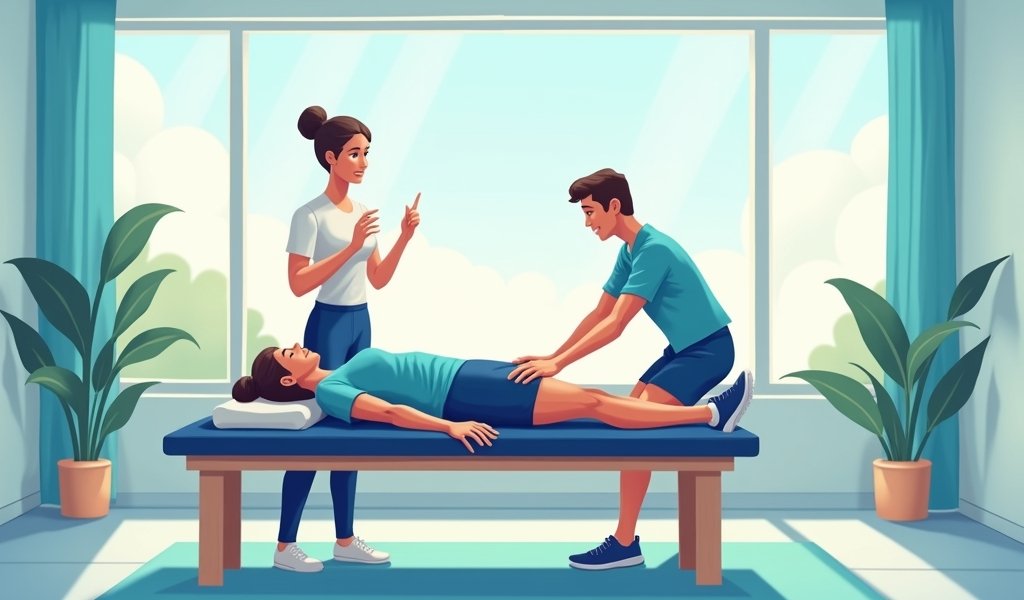
- Physical therapists design and implement rehabilitation programs tailored to your specific needs
- Athletic trainers provide valuable guidance for athletes returning to sport-specific activities
- Orthopedic surgeons assess whether surgical intervention might be necessary
Modern diagnostic tools have revolutionized injury assessment. MRIs, ultrasound, and other imaging techniques provide detailed information about tissue damage that wasn’t available even a decade ago. This precision allows for targeted rehabilitation strategies with better outcomes.
Your healthcare provider should explain your injury in understandable terms. Don’t hesitate to ask questions about your diagnosis, treatment options, and expected recovery timeline. Being an informed patient leads to better adherence to rehabilitation protocols and ultimately, faster healing.
Creating a Personalized Rehabilitation Plan
No two injuries – or athletes – are identical, which is why effective sports injury rehabilitation requires personalization. A program designed specifically for your injury, fitness level, and recovery goals yields the best results.
A comprehensive rehabilitation plan typically progresses through several phases:
- Acute phase: Managing pain and inflammation while protecting the injured area
- Recovery phase: Restoring range of motion and beginning to rebuild strength
- Functional phase: Sport-specific training and gradual return to normal activities
Consistency trumps intensity in rehabilitation. Research published in the Medicine & Science in Sports & Exercise journal shows that regular, moderate rehabilitation sessions produce better outcomes than sporadic intense efforts.
Your rehabilitation program should address not just the injured area but also surrounding structures and complementary muscle groups. For instance, knee injuries often require hip and ankle strengthening to prevent compensation patterns that could lead to secondary issues or pain below the shoulder blade from altered movement patterns.
Home exercises form a crucial component of most rehabilitation plans. Your therapist will likely prescribe specific movements to perform between clinical sessions. These aren’t optional – they’re essential components of your recovery program that accelerate healing when performed correctly and consistently.
Technology now offers valuable tools for rehabilitation. From specialized apps that guide proper exercise form to wearable devices that track movement quality, these resources can enhance your recovery journey when used under professional guidance.
Gradual Progression: The Key to Sustainable Recovery
Patience might be the hardest part of sports injury rehabilitation, yet it’s absolutely critical. The temptation to rush back to full activity is understandable but often counterproductive.
Progressive loading follows biological healing timelines. Tissues need time to rebuild and strengthen – rushing this process risks re-injury. Research from the Journal of Orthopaedic & Sports Physical Therapy demonstrates that gradual, progressive loading optimizes tissue remodeling.
Your body provides valuable feedback during rehabilitation. Pain is an important signal – not something to ignore or push through. While some discomfort during exercises might be normal, sharp or increasing pain usually indicates you’re exceeding your current capacity.
The 10% rule offers a useful guideline: increase exercise intensity, duration, or resistance by no more than 10% per week. This allows tissues to adapt progressively without overwhelming their capacity to recover.
Tracking progress objectively helps maintain perspective during recovery. Consider keeping a rehabilitation journal documenting exercises, pain levels, and functional milestones. This creates a record of improvement that might otherwise go unnoticed day-to-day.
Return to sport decisions should be based on objective criteria, not just time elapsed or subjective feeling. Functional testing comparing injured and uninjured sides can provide quantifiable data on readiness for return.
Nutrition and Hydration: Fueling Your Recovery
What you eat and drink significantly impacts your body’s healing capacity. Optimal nutrition provides the building blocks needed for tissue repair and regeneration.
Protein intake becomes especially important during rehabilitation. Aim for 1.6-2.0g per kg of body weight daily to support tissue repair, distributed across meals and snacks throughout the day. Quality protein sources include lean meats, fish, eggs, dairy, legumes, and plant-based proteins.
Anti-inflammatory foods can naturally complement your recovery. Colorful fruits and vegetables, fatty fish, nuts, seeds, and olive oil contain compounds that may help manage inflammation. Consider incorporating these foods into your daily diet rather than relying solely on anti-inflammatory medications.
Hydration affects circulation, nutrient delivery, and waste removal – all crucial for healing. According to USDA guidelines, aim for approximately 3.7 liters (men) or 2.7 liters (women) of total water daily from beverages and food, with additional fluid during exercise or in hot environments.
Some nutrients deserve special attention during recovery:
- Vitamin C: Essential for collagen formation in tendons, ligaments, and cartilage
- Zinc: Supports immune function and tissue repair
- Omega-3 fatty acids: May help moderate inflammation
- Vitamin D: Critical for bone health and muscle function
Timing matters too. A protein-rich snack within 30 minutes after rehabilitation exercises may enhance recovery by providing immediate resources for tissue repair when your muscles are most receptive.
While supplements may seem appealing, whole foods generally provide superior nutrition. Naturally, consult with a registered dietitian or sports nutritionist for personalized recommendations, especially for complex injuries or if you have existing dietary restrictions.
Mental Wellness During Recovery
The psychological aspects of sports injury rehabilitation deserve as much attention as the physical components. Research consistently shows that mental state significantly influences recovery outcomes and satisfaction.
Injury often triggers an emotional response similar to grief – denial, anger, bargaining, depression, and eventually acceptance. Recognizing these feelings as normal can help you process them constructively rather than fighting against them.
Setting realistic, achievable goals maintains motivation during lengthy recoveries. Break the process into smaller milestones that provide regular wins and visible progress. Celebrate these achievements, however small they might seem.
Visualization and mindfulness practices have demonstrated benefits for rehabilitation. Studies published in the Journal of Sport Psychology show that athletes who regularly visualize their healing and successful return often experience improved outcomes and greater confidence.
Maintaining connection with your sport and team during recovery prevents isolation. While you might not participate fully, staying engaged as a supporter, strategy contributor, or in other capacities preserves your athletic identity and social connections.
Don’t hesitate to seek professional support if you’re struggling emotionally with your injury. Sports psychologists specialize in helping athletes navigate the mental challenges of rehabilitation and return to competition.
Patience with yourself is essential. Some days will be harder than others. Practicing self-compassion rather than self-criticism creates a more supportive internal environment for both physical and mental healing.
Conclusion: Your Journey to Recovery
Sports injury rehabilitation is rarely a straightforward path, but with the right approach, it becomes a journey of growth rather than merely an obstacle to overcome. By implementing these seven proven strategies – understanding your injury, responding appropriately in the acute phase, seeking professional assessment, following a personalized plan, progressing gradually, optimizing nutrition, and tending to your mental wellness – you position yourself for the best possible outcome.
Remember that recovery is not just about returning to your previous level of function, but potentially emerging stronger, more resilient, and with greater body awareness than before. Many athletes find that the rehabilitation process teaches valuable lessons about patience, persistence, and the remarkable adaptability of the human body.
Trust in the process, celebrate small victories along the way, and maintain communication with your healthcare team throughout your recovery journey. With dedication and the right support, you’ll be back to the activities you love – often with new wisdom that serves you well beyond rehabilitation.
Frequently Asked Questions
How long does sports injury rehabilitation typically take?
Rehabilitation timelines vary greatly depending on injury type, severity, and individual factors. Minor injuries might resolve in weeks, while major injuries could require 6-12 months of dedicated rehabilitation.
Should I completely rest or keep moving after a sports injury?
Complete rest is rarely recommended except in the very early stages. Controlled, progressive movement within pain limits helps maintain fitness, prevents muscle atrophy, and promotes healing.
Can I speed up my recovery with supplements?
While some supplements may support recovery, none can significantly accelerate biological healing timelines. Focus on proper nutrition, adequate sleep, and following your rehabilitation program for optimal results.
Is pain during rehabilitation exercises normal?
Mild discomfort during exercises is often normal, but sharp, increasing, or lingering pain is not. Use a 0-10 pain scale and generally stay below 3/10 during rehabilitation activities.
How do I know when I’m ready to return to sports?
Readiness typically requires full pain-free range of motion, restored strength (at least 90% compared to the uninjured side), and successful completion of sport-specific functional tests. Your healthcare provider should clear you based on objective criteria, not just time elapsed.