

Overview
Ever had that moment when your hair resembles a frayed mop more than a luscious mane? This article outlines seven effective treatments for split ends including regular trimming (the only permanent solution), deep conditioning, hair oils, bond-building treatments, protective styling, heat-free styling alternatives, and nutrition—while emphasizing that prevention through consistent hair care practices is ultimately more effective than trying to fix damage after it occurs.
Table of Contents
- Understanding Split Ends: Why They Happen
- 1. Regular Trimming: The Simplest Solution
- 2. Deep Conditioning: Moisture Matters
- 3. Hair Oils and Serums: Your Hair’s Best Friends
- 4. Bond-Building Treatments: Science-Backed Repair
- 5. Protective Styling: Prevention Techniques
- 6. Heat Styling Alternatives: Giving Your Hair a Break
- 7. Nutrition and Hydration: Healing From Within
- Daily Prevention Tips for Split-End Free Hair
- The Real Truth About Split Ends
- Frequently Asked Questions
I still remember the day I noticed my first serious case of split ends. After months of heat styling for special events, my once-smooth ends looked like frayed rope. If you’ve ever held up your hair to the light and seen those tiny splits at the ends, you know exactly what I’m talking about – and you’re definitely not alone.
Split ends (technically called trichoptilosis) happen when your hair’s protective outer layer gets damaged and the inner structure becomes exposed. The result? Your hair shaft literally splits into two or more pieces, leaving you with rough, dull ends that snag on everything.
The good news? There are proven ways to deal with these pesky hair problems. As someone who’s battled split ends for years (both personally and professionally), I’m sharing the treatments that actually work – from quick fixes to long-term solutions that address the root causes.
Understanding Split Ends: Why They Happen
Before jumping into treatments, it helps to understand what we’re fighting. Split ends aren’t just a cosmetic issue – they’re a sign that your hair is damaged and needs attention.
The most common causes include:
- Heat damage from styling tools
- Mechanical damage from brushing, especially when wet
- Chemical processes like coloring, perming, or relaxing
- Environmental stressors (sun, wind, pollution)
- Lack of moisture and protein balance
Interestingly, not all split ends look the same. The classic “Y” split is just the beginning. Research has identified multiple types including tree splits (multiple branches), feather splits (resembling a feather), and knot splits (where the hair literally knots around itself). The more complex the split, the longer your hair has likely been damaged.
Let’s dive into the solutions that can help heal and prevent these troublesome tears.
1. Regular Trimming: The Simplest Solution
I’ll start with the hard truth – once a hair strand splits, there’s no product that can permanently fuse it back together. The only real cure is cutting above the split.
Here’s why trimming works when other treatments don’t: Hair is dead protein. Once the structure separates, it’s like trying to reattach two pieces of broken string. Products can temporarily mask or bind the split, but the damage remains.
For maintenance, aim for trimming every 8-12 weeks. If you’re growing your hair, ask your stylist for a “dusting” – a minimal trim that removes only the damaged ends.
Between salon visits, you can do your own search-and-destroy missions. In good lighting, take small sections of hair and twist them. The split ends will stick out from the twist, making them easier to spot and snip with sharp hair scissors (never use household scissors!).
2. Deep Conditioning: Moisture Matters
While deep conditioning can’t fix existing splits, it can dramatically reduce the formation of new ones by keeping your hair hydrated and elastic. Think of it as preventive medicine for your strands.
The best deep conditioners for split-end prevention contain:
- Proteins (keratin, silk protein, wheat protein)
- Humectants (glycerin, honey, aloe vera)
- Emollients (shea butter, argan oil, avocado oil)
My go-to DIY deep conditioner combines one ripe avocado with two tablespoons of olive oil and one tablespoon of honey. Apply to clean, damp hair, focusing on the ends. Cover with a shower cap, let sit for 30 minutes, then rinse thoroughly.
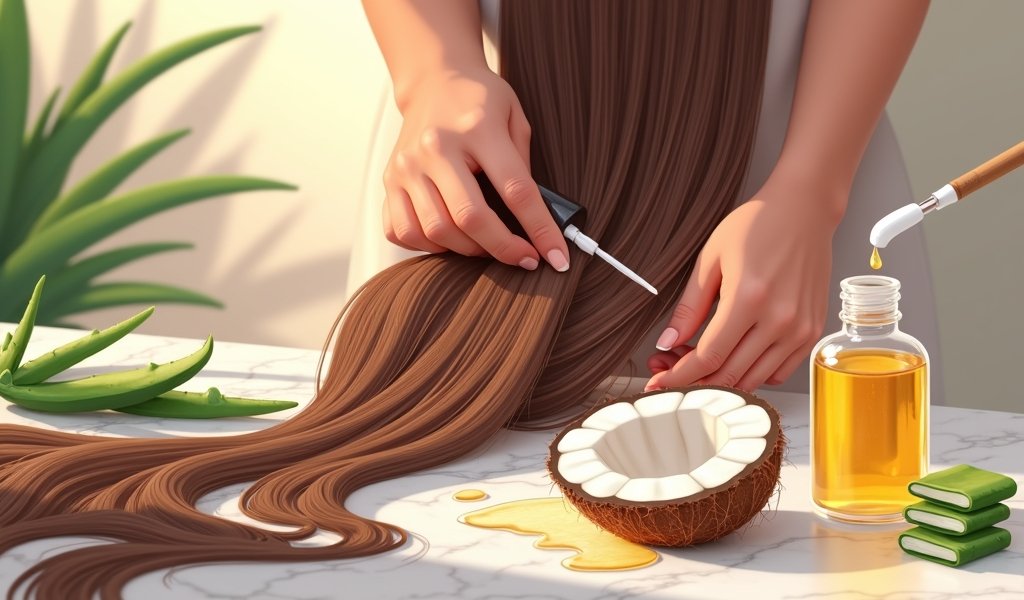
For serious cases, try a natural wellness approach by applying warm coconut oil to your ends, wrapping your hair in a towel, and leaving it overnight. The results can be transformative for extremely dry, split-prone hair.
Professional tip: Heat activates deep conditioners. After applying, wrap your hair in a warm towel or use a hood dryer on low heat to enhance absorption.
3. Hair Oils and Serums: Your Hair’s Best Friends
Hair oils and serums create a protective barrier around the hair shaft, temporarily binding split ends together while preventing further damage.
The most effective oils for split end treatment include:
- Argan oil: Rich in fatty acids and vitamin E, perfect for all hair types
- Coconut oil: One of the few oils that penetrates the hair shaft
- Jojoba oil: Mimics natural sebum, making it ideal for balanced moisture
- Rosehip oil: Packed with vitamins A and C for repair
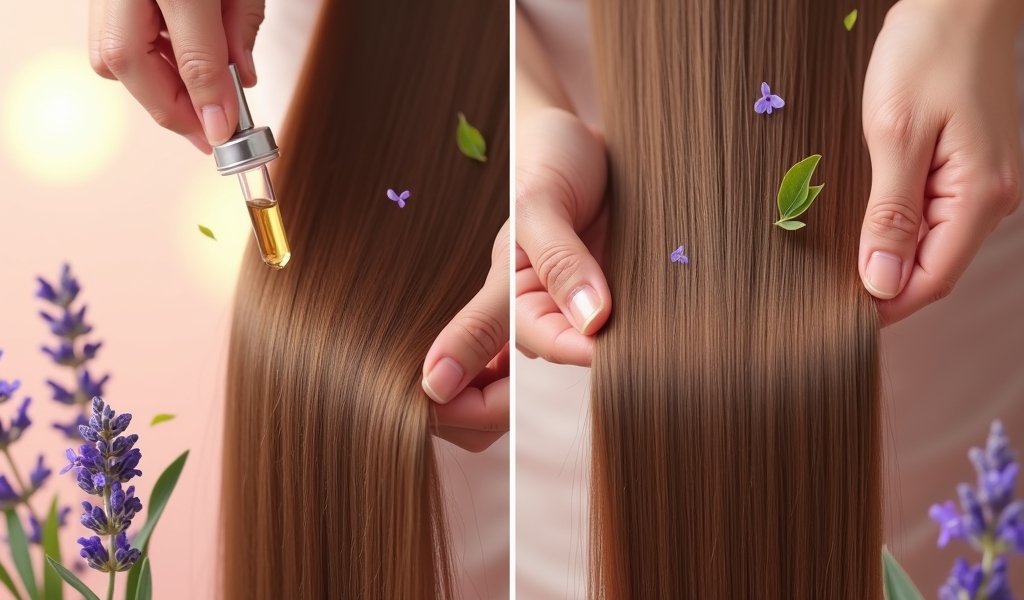
Application is everything with oils. For medium-length hair, start with just a pea-sized amount, warming it between your palms before gently patting onto your ends. Apply to dry hair before bed for overnight treatment or to damp hair before styling for protection throughout the day.
A 2018 study published in Molecules found that certain plant oils can reduce protein loss from hair, helping maintain structural integrity and reducing split end formation.
4. Bond-Building Treatments: Science-Backed Repair
Bond-building treatments represent the cutting edge of hair repair technology. They work by reinforcing the disulfide bonds in your hair – the chemical connections that give hair its strength.
Unlike traditional conditioners that work on the surface, bond builders penetrate the hair cortex to repair structural damage. While they can’t completely fix split ends, they can significantly strengthen hair to prevent future breakage.
Professional options like salon bond-building treatments provide intensive repair for severely damaged hair. The treatment involves applying specialized formulas that reconnect broken bonds, followed by sealing treatments.
At-home versions, while less potent than professional treatments, can maintain results between salon visits. Look for products containing ingredients like bis-aminopropyl diglycol dimaleate or creatine.
These treatments aren’t cheap, but for severely damaged hair, they can be game-changers. Most work best as part of a comprehensive hair care routine that includes other wellness solutions for your hair.
5. Protective Styling: Prevention Techniques
Sometimes the best treatment is avoiding damage in the first place. Protective styling reduces manipulation, friction, and environmental damage – all factors that contribute to split ends.
Effective protective styles include:
- Loose braids or twists
- Low buns or ponytails secured with fabric hair ties
- Updos that tuck away ends
- Silk-lined hats for outdoor protection
Nighttime protection is equally important. Use a silk or satin pillowcase instead of cotton, which causes friction. Alternatively, wrap your hair in a silk scarf or bonnet before bed.
For swimmers, pre-treat your hair with a leave-in conditioner before entering chlorinated or salt water. This creates a barrier that prevents these harsh elements from penetrating and drying out your strands.
Remember that tight styles that pull on your hairline can cause traction alopecia over time. Always opt for gentle styles that protect without pulling.
6. Heat Styling Alternatives: Giving Your Hair a Break
Heat is one of the primary causes of split ends, making heat-free styling methods essential for hair health. Your straightener might give you sleek locks today, but it’s also setting you up for splits tomorrow.
Try these heat-free styling methods:
- Overnight braids: Apply mousse to damp hair, braid, and wake up to beachy waves
- Flexi-rod sets: Perfect for defined, bouncy curls without heat
- Twist-outs: Great for adding texture and volume
- Foam rollers: Old-school but effective for smooth curls
When you absolutely must use heat, take precautions. Always apply a heat protectant first – these products create a barrier between your hair and the hot tool. Studies show that quality heat protectants can reduce damage by up to 50%.
Set your tools to the lowest effective temperature: around 300°F for fine hair, 350°F for medium, and no more than 400°F for coarse hair. And invest in tools with ceramic or tourmaline plates, which distribute heat more evenly and cause less damage.
7. Nutrition and Hydration: Healing From Within
Your hair is made primarily of a protein called keratin, so proper nutrition is essential for strong, split-resistant strands. What you eat directly affects your hair’s health and its ability to resist damage.
Focus on these hair-healthy nutrients:
- Protein: The building block of hair (eggs, lean meats, legumes)
- Biotin: Supports keratin production (eggs, nuts, seeds, avocados)
- Omega-3 fatty acids: Provide essential oils for scalp health (fatty fish, flaxseeds)
- Vitamins A and C: Support sebum production and collagen (colorful fruits and vegetables)
- Vitamin E: Promotes circulation and growth (nuts, spinach, avocados)
- Iron: Carries oxygen to hair follicles (spinach, lentils, red meat)
Staying hydrated is just as important as what you eat. Water supports every bodily function, including healthy hair growth. Aim for at least eight glasses daily – more if you’re active or in dry climates.
Consider taking a hair-specific supplement if blood tests indicate deficiencies, but remember that supplements work best when filling nutritional gaps, not replacing a balanced diet. Always consult with a healthcare provider before starting any supplement regimen.
Daily Prevention Tips for Split-End Free Hair
Beyond the seven major treatments, these daily habits can dramatically reduce split end formation:
- Use a wide-tooth comb on wet hair, starting from the ends and working upward
- Apply leave-in conditioner before swimming in chlorinated or salt water
- Limit washing to 2-3 times weekly to preserve natural oils
- Use microfiber towels instead of rough cotton to dry hair
- Avoid rubber bands as hair ties – opt for coated elastics or scrunchies
- Apply UV-protective products before sun exposure
- Schedule regular protein and moisture treatments to maintain balance
Remember that overall wellness affects your hair health too. Stress management, adequate sleep, and regular exercise all contribute to stronger, more resilient hair that’s less prone to splitting.
The Real Truth About Split Ends
The journey to split-end-free hair isn’t about finding one miracle product – it’s about consistent care and smart prevention strategies. While we can temporarily improve the appearance of split ends with serums and oils, trimming remains the only permanent solution.
By combining regular trims with protective measures, nourishing treatments, and healthy lifestyle habits, you can dramatically reduce split ends and enjoy healthier, shinier hair. Remember that even those with seemingly perfect hair deal with splits – they just have consistent routines to manage them.
Be patient with your hair journey. Healing damaged hair takes time, but with these seven proven treatments and a little dedication, you’ll be well on your way to smoother, stronger ends that don’t require constant camouflaging.
Your hair tells your story – make sure it’s one of health and vitality, not stress and damage. You’ve got this!
Frequently Asked Questions
Can split ends ever repair themselves?
No, once a hair strand splits, it cannot naturally repair itself. The only permanent solution is cutting above the split.
How often should I trim my hair to prevent split ends?
Most hair professionals recommend trimming every 8-12 weeks. If you’re growing your hair, ask for a “dusting” that removes minimal length.
Do split end mending serums actually work?
These products can temporarily bind split ends together and improve appearance, but they don’t permanently repair the damage. They’re best used as part of a prevention strategy.
Will taking biotin supplements prevent split ends?
Biotin supplements may help strengthen new hair growth if you have a deficiency, but they won’t fix existing split ends. They work best as part of a comprehensive approach to hair health.
Can I get split ends even if I don’t use heat styling?
Yes, while heat is a major culprit, split ends can also result from mechanical damage, environmental factors, chemical treatments, and poor hair care habits. Even natural hair needs protection and care.