

Overview
These microscopic vampires might be having a party on your leafy friends, but fear not – this article delivers five effective strategies to evict spider mites from your plants. The guide covers understanding spider mite behavior, isolation techniques, water spraying methods, introducing natural predators, DIY treatments using kitchen ingredients, commercial miticides for severe cases, and prevention strategies to maintain plant health.
Table of Contents
- Understanding Spider Mites: The Tiny Plant Predators
- Tip #1: Isolation and Quarantine – Your First Line of Defense
- Tip #2: Water Spray Techniques – Simple Yet Effective
- Tip #3: Natural Predators – Biological Warfare for Plants
- Tip #4: Natural and DIY Treatments – Kitchen Cabinet Solutions
- Tip #5: Commercial Miticides – When Natural Methods Aren’t Enough
- Prevention Strategies – Keeping Spider Mites Away
- Conclusion: Protecting Your Plant Family
- Frequently Asked Questions
Spider mites might be tiny, but they pose a mighty threat to your beloved houseplants. These microscopic arachnids can transform thriving greenery into stressed, spotted, and ultimately dying plants if left unchecked. As health-conscious plant enthusiasts, we understand that the well-being of your indoor garden directly impacts your home environment and personal wellness. Healthy plants contribute to cleaner air, reduced stress, and a more vibrant living space.
This comprehensive guide offers five proven spider mite treatment strategies that are both effective and accessible. Whether you’re a seasoned plant parent or just starting your green journey, these methods will help you identify, treat, and prevent spider mite infestations, ensuring your plants remain healthy contributors to your home’s ecosystem.
Understanding Spider Mites: The Tiny Plant Predators

Before diving into treatment options, it’s crucial to understand what we’re dealing with. Spider mites are not insects but rather tiny arachnids related to spiders and ticks, typically measuring just 0.4 mm in length – barely visible to the naked eye. Their diminutive size allows them to hide in plain sight until their damage becomes noticeable.
These pests feed by piercing plant cells and sucking out the contents, creating characteristic stippled or speckled patterns on leaves. As the infestation progresses, you’ll notice fine webbing (hence the name “spider” mites) on leaf undersides and between stems. Severely affected leaves turn yellow, brown, or brittle before eventually falling off.
What makes spider mites particularly challenging is their reproductive efficiency. A female can lay up to 20 eggs daily, which hatch within 3-5 days. Under ideal conditions (warm and dry environments like our heated homes), a spider mite can complete its life cycle in just 5-20 days. This rapid reproduction means populations can explode seemingly overnight, causing significant damage in remarkably short periods.
Tip #1: Isolation and Quarantine – Your First Line of Defense
When you spot spider mites on a plant, immediate isolation is crucial – think of it as implementing a plant pandemic protocol. This swift action prevents the mites from spreading to your other green companions and gives you a controlled environment to administer treatment.
Begin by carefully wrapping the infested plant in a clear plastic bag before moving it. This prevents mites from dropping off during transport and finding new homes. Once secured, move the plant to a location at least several feet away from other plants while maintaining appropriate light conditions.
After quarantining the affected plant, thoroughly inspect all surrounding plants that might have been exposed. Pay special attention to the undersides of leaves, stem joints, and any visible webbing. Even plants that appear healthy should be monitored closely for at least two weeks, as infestations can take time to become visible.
The quarantine period should extend until you’ve observed no signs of mites for at least 14-21 days – approximately two to three spider mite life cycles. This timeframe ensures that any eggs that might have survived initial treatments have hatched and been eliminated before the plant rejoins your collection.
Tip #2: Water Spray Techniques – Simple Yet Effective
Sometimes the simplest solutions are the most effective. Spider mites thrive in dry environments and have a significant weakness – they strongly dislike moisture. Their tiny size makes them vulnerable to being dislodged or even drowned by water sprays.
For moderate infestations, take your affected plants to a sink, shower, or outdoors (weather permitting) and give them a thorough spray down. Use a handheld sprayer or shower attachment set to a firm but not damaging pressure. Focus particularly on the undersides of leaves where mites congregate and lay eggs.
The key to success with this method lies in consistency. Spray your plants every 3-4 days for at least two weeks. This timing disrupts the spider mite reproductive cycle by washing away newly hatched mites before they mature and begin laying eggs of their own.
This technique works best for plants with sturdy foliage that can withstand water pressure without damage. For more delicate plants, you can modify the approach by using a handheld spray bottle set to a fine mist and gently wiping leaves with a soft, damp cloth after spraying.
An added benefit of regular spraying is increased humidity around your plants, which naturally deters spider mites while creating a healthier environment for most houseplants. Research confirms that high humidity significantly reduces spider mite reproduction rates.
Tip #3: Natural Predators – Biological Warfare for Plants
Nature has perfect built-in solutions for pest control, and introducing beneficial predators is an eco-friendly way to manage spider mite populations. This biological control method is especially effective for larger plant collections or greenhouse environments.
Predatory mites like Phytoseiulus persimilis and Neoseiulus californicus are specialist hunters that feed exclusively on spider mites without harming plants. A single predatory mite can consume 5-20 spider mites or eggs daily. Other beneficial insects include ladybugs (especially Stethorus species), lacewings, and minute pirate bugs – all natural spider mite predators.
These beneficial organisms can be purchased from garden centers or specialized online retailers. When introducing them to your plants, follow package instructions carefully and release them during cooler parts of the day. Focus on heavily infested areas first, allowing your tiny allies to establish themselves and begin their control work.
For this method to succeed, avoid using broad-spectrum insecticides that would harm these beneficial creatures alongside the pests. Also, maintain moderate humidity levels, as most beneficial insects prefer slightly humid conditions – the opposite of what spider mites enjoy.
While results aren’t immediate, this approach offers sustainable, long-term control. You should notice significant improvement within 2-3 weeks as your beneficial predators establish themselves and begin reducing the spider mite population naturally.
Tip #4: Natural and DIY Treatments – Kitchen Cabinet Solutions
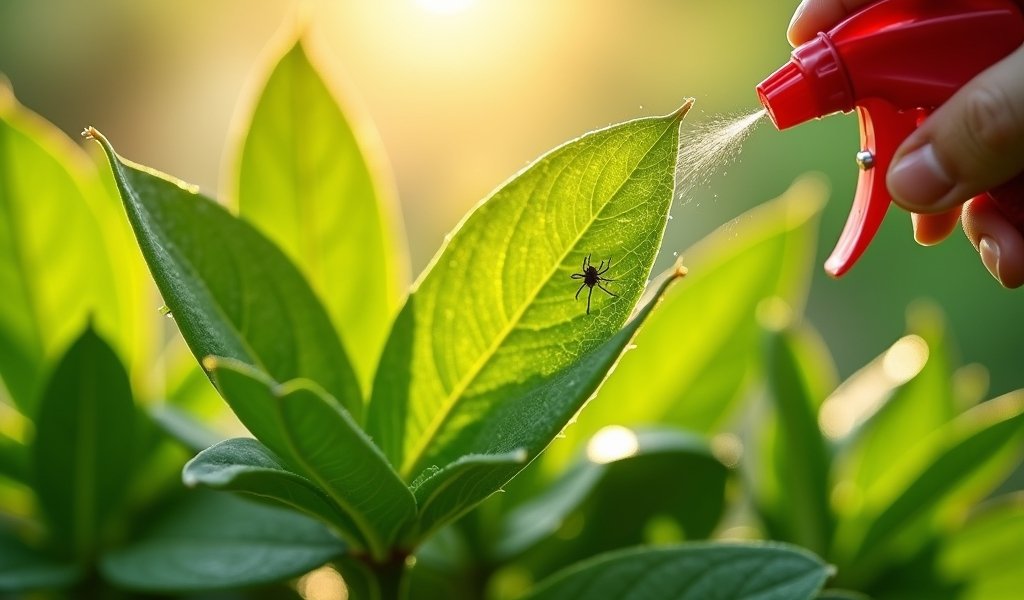
Your kitchen likely contains several effective weapons against spider mites. These natural solutions are generally safer for your plants, your family, and the environment than harsh chemicals, making them ideal for health-conscious households.
Neem oil stands out as one of the most effective natural treatments. This plant-derived oil works by disrupting the hormonal systems of spider mites, preventing them from feeding and reproducing. To use, mix 2 teaspoons of neem oil with 1 teaspoon of mild liquid soap (as an emulsifier) in 1 quart of water.
Insecticidal soap provides another gentle yet effective option. You can purchase pre-made formulations or create your own by mixing 1 tablespoon of mild liquid soap (like castile soap) in 1 quart of water. The soap breaks down the protective coating on the mites’ bodies, causing dehydration and death.
Essential oil sprays harness the natural repellent properties of certain plant compounds. A powerful mixture combines 2 drops each of rosemary, peppermint, and tea tree oils in a cup of water with a drop of mild dish soap as an emulsifier. These strong-scented oils disrupt the mites’ senses and create an inhospitable environment.
When applying any of these treatments:
- Test on a small portion of the plant first to ensure no negative reaction
- Thoroughly cover all plant surfaces, especially leaf undersides
- Apply during cooler parts of the day to prevent leaf burn
- Repeat applications weekly for at least three weeks
- Store unused portions in labeled containers away from sunlight
Recent studies have confirmed that these natural treatments can be as effective as synthetic alternatives when applied correctly and consistently. The key is thoroughness in application and patience for results.
Tip #5: Commercial Miticides – When Natural Methods Aren’t Enough
For severe or persistent infestations that don’t respond to natural treatments, commercial miticides provide a stronger option. Consider these your last resort, as they often contain stronger chemicals that could affect beneficial insects and, if used improperly, can harm plants or people.
When selecting a commercial product, look specifically for miticides (not general insecticides) labeled for spider mite control and safe for the type of plant you’re treating. Effective ingredients include bifenthrin, abamectin, spiromesifen, or pyrethrins. These target the mites’ nervous systems or disrupt their growth and development.
Application technique is crucial for both effectiveness and safety. Always wear gloves and follow label directions precisely—more is definitely not better with these products. Treat plants early in the morning or evening when beneficial insects are less active and temperatures are cooler to prevent plant stress.
Most importantly, if multiple applications are necessary, rotate between products with different active ingredients. Spider mites can quickly develop resistance to chemical controls, so using the same product repeatedly may render it ineffective over time.
After treatment, continue monitoring your plants closely. Many commercial miticides don’t kill eggs, so a follow-up application may be necessary 7-10 days after the initial treatment to address newly hatched mites before they mature and reproduce.
Prevention Strategies – Keeping Spider Mites Away
As with human health, prevention is more effective than treatment when it comes to plant pests. Incorporating these practices into your regular plant care routine can help keep spider mites from gaining a foothold:
- Maintain proper humidity. Spider mites thrive in dry conditions, so keeping humidity levels between 40-60% can significantly deter them. Use humidifiers, pebble trays, or group plants together to create more humid microclimates.
- Regular inspection is key. Make it a habit to check your plants weekly, paying special attention to the undersides of leaves and stem junctions. Early detection allows for simpler treatment.
- Quarantine new plants for at least two weeks before introducing them to your collection. This isolation period gives you time to spot and address any hitchhiking pests before they spread.
- Keep plants clean and dust-free. Spider mites are attracted to dusty conditions, and dust on leaves can provide protection for these pests. Wipe leaves regularly with a soft, damp cloth.
- Maintain optimal plant health through proper watering, appropriate light, and regular fertilizing. Stressed plants are more susceptible to pest infestations.
- Consider preventative treatments during high-risk periods (like winter when indoor heating creates ideal spider mite conditions) with neem oil or other gentle deterrents.
Dr. Michael Raupp, Professor of Entomology at the University of Maryland, emphasizes that “consistent monitoring and maintaining optimal growing conditions are the foundation of effective spider mite prevention. Healthy plants can better resist pest pressure.”
Conclusion: Protecting Your Plant Family
Spider mites may be tiny adversaries, but with these five proven treatment strategies, you now have a comprehensive arsenal to protect your plant family. From simple water sprays to beneficial predators, natural remedies, and commercial options, you can scale your approach based on the severity of the infestation.
Remember that early detection offers the greatest chance for success, so make regular inspection of your plants part of your wellness routine. After all, healthy plants contribute to a healthier home environment, helping purify air and enhance your living space.
Start with the gentlest methods—isolation, water sprays, and natural remedies—before escalating to stronger commercial options. This progressive approach respects both your plants’ health and your home’s ecosystem.
With vigilance and these proven techniques, you can enjoy a thriving indoor garden free from destructive spider mites. Your plants aren’t just decorations—they’re living contributors to your wellbeing that deserve protection from these microscopic threats.
Frequently Asked Questions
How can I identify spider mites on my plants?
Look for fine webbing on leaf undersides, stippled or speckled yellowing on leaves, and tiny moving dots (the mites themselves). If you tap an affected leaf over white paper, you might see tiny specks moving across the surface.
How often should I treat my plants for spider mites?
Most treatments require weekly applications for 3-4 weeks to break the reproductive cycle. Continue until you’ve seen no signs of mites for at least two weeks.
Can spider mites spread to other houseplants?
Yes, spider mites spread easily between plants through air currents, physical contact, or hitchhiking on clothing. Isolate infested plants immediately to prevent spreading.
Are spider mites harmful to humans or pets?
Spider mites don’t bite humans or pets and don’t spread diseases. However, the treatments used against them might irritate sensitive individuals, so always follow safety precautions when applying treatments.
Do spider mites die in cold weather?
Many spider mite species enter a dormant state in cold weather rather than dying. Some species produce special winter eggs that can survive freezing temperatures and hatch when conditions improve.